This website uses cookies to ensure you get the best experience on our website.


- Table of Contents
Christmas is fast approaching and we’re delighted to present this year’s last issue of Research Spotlight, which features 10 selected publications from scientists whom Boster has served.
Recently, increasing attention has been focused on nanomaterials for therapeutic applications. Researchers demonstrated the immunomodulatory and spatiotemporal drug release effects of nanohydroxyapatite complexes, MSC-derived extracellular vesicles, antioxidant-constructed nanodrugs, Sr/Cu-borosilicate...

Adeno-associated viruses, or AAV, are some of the smallest viruses at only 22 nanometers (Balakrishnan & Jayandharan, 2014). First discovered in 1965 as merely a contamination in adenovirus production, adeno-associated virus has since become an incredibly useful tool in research and gene therapy (Balakrishnan & Jayandharan, 2014).
AAV are non-enveloped viruses with single-stranded DNA and are members of the parvovirus family. Their genome is about 4.8 kilobases (kb) total, which includes three crucial genes: Rep gene, Cap gene, and aap gene. The Rep gene is vital for replication and packaging of the virus, and the Cap gene is important for capsid formation (Naso, Tomkowicz, Perry, & Strohl, 2017). Interestingly, AAV are considered replication defective as they require another virus (such as adenovirus) or helper plasmids in order to replicate.
Since their discovery, AAV has been utilized in research to transduce cell lines with a gene of interest and has been incorporated into clinical trials since the 1990s. Additionally, AAV packaging services have simplified the production and packaging of recombinant AAV, enabling scientists to focus on the design and customization of the AAV viral vector needed, without the hassle of troubleshooting and tittering the virus.
Below we will discuss the basics of AAV, recombinant AAV vectors, AAV packaging services, and the application of AAV in translational research and clinical trials.
Oftentimes, viral vectors are used to bring a gene of interest into cells in a highly efficient manner that allows for continued expression. Recombinant AAV (rAAV) vectors can be customized to carry a gene of interest (GOI) and they do not contain the crucial AAV viral genes (rep, cap, etc.) that are found in wildtype AAV. This prevents recombinant AAV from replicating independently, rather it is only produced in a controlled manner with AAV packaging services (which will be discussed in further detail below).
While many viral vectors, such as retroviral vectors, integrate into the host genome, AAV and rAAV do not typically integrate into the host genome. Instead, AAV and rAAV utilize the host replication machinery (e.g. polymerase) to synthesize double-stranded DNA from their viral single-stranded DNA to ultimately form episomal DNA (Naso, Tomkowicz, Perry, & Strohl, 2017). The gene of interest included in the rAAV will be expressed from this episomal DNA. To confirm gene expression from rAAV constructs, techniques like RT-qPCR are often used. A reliable QPCR Services can support accurate quantification of your gene of interest post-transduction.
Recombinant AAV Genome
The genome of recombinant AAV vectors includes a promoter sequence, the gene of interest, and two inverted terminal repeats (ITRs), one ITR on the 5’ side and one ITR on the 3’ side of the gene. Overall, the general sequence order will be the 5’ ITR, a promoter, the gene of interest, a terminating sequence, and the 3’ ITR, all within 4.8 kb of DNA. The ITR sequence is absolutely necessary for AAV replication and packaging. It is highly recommended to keep the total size under 5 kb in order to maintain high viral production and packaging (Naso, Tomkowicz, Perry, & Strohl, 2017). When considering rAAV vector design, it is important to determine if your gene of interest will fit within this vector due to the size constraints.
Choosing a promoter for rAAV vectors
As mentioned previously, using rAAV vectors allows researchers to express a gene of interest in target cells (in vitro or in vivo) without having the gene of interest integrate into the genome. However, the level of expression of the gene of interest will vary depending on the promoter included in the rAAV sequence. There are multiple promoters to choose from and the specifics of each individual experiment will help guide which promoter to use. Here we will cover some of the basics of the different promoters for use in rAAVs (Buck & Wijnholds, 2020).
There are multiple AAV serotypes which affect the ability of the virus to transduce specific cell types. Serotypes are determined by the type of capsid proteins expressed during viral packaging. Differences in capsid proteins affect which cellular receptors the capsid interacts with, and thus affect which cell types AAV can transduce (also known as tropism) (Haery et al., 2019). In short, AAV of different serotypes (depending on the capsid protein) can transduce different cell types (tropism) (Balakrishnan & Jayandharan, 2014).
When deciding which AAV serotype is required, it is important to consider which cell type or types you need to transduce, and perhaps which cell type you would like to avoid transducing. Here is a table guide on common AAV serotypes and their tropism (Large, Silveria, Zane, Weerakoon, & Chapman, 2021).
| Serotype | Tropism (Target cell type) |
|---|---|
| AAV1 | Muscle, central nervous system, heart, skin, lung, kidney, cervix, bone |
| AAV2 | Muscle, central nervous system, skin, lung, kidney, bone, liver |
| AAV3 | Muscle stem cells, skin, lung, kidney, cervix, bone, liver |
| AAV4 | Central nervous system, bone, eyes |
| AAV5 | Central nervous system, lung, eyes |
| AAV6 | Muscle, central nervous system, heart, skin, lung, kidney, cervix, bone |
| AAV7 | Muscle, central nervous system |
| AAV8 | Muscle, central nervous system, liver, pancreas |
| AAV9 | Muscle, central nervous system, heart, lung, liver, etc. |
One of the many benefits of customizing a recombinant AAV vector is choosing the desired gene to be expressed and the serotype. Depending on the serotype chosen, the capsid gene (cap) involved in packaging will be different.
In general, there are two common methods of AAV production and packaging: 1) triple transfection packaging and 2) baculovirus AAV packaging.
The triple transfection packaging service for AAV requires three plasmids—one plasmid with the promoter and gene of interest, one plasmid with AAV helper genes, and one plasmid with the desired rep and cap genes (depending on the serotype needed) (Large, Silveria, Zane, Weerakoon, & Chapman, 2021). The three plasmids are co-transfected into a helper cell line (commonly HEK293 cells) and AAV viral particles are produced. For experiments that require high-throughput gene expression analysis, reporter cell lines like HEK293 can be paired with viral vector systems to validate expression outcomes (Naso, Tomkowicz, Perry, & Strohl, 2017). This method is quick and efficient, only taking up to a week to package the rAAV.
The second common method of AAV packaging utilizes the baculovirus. The baculovirus AAV packaging method is highly efficient and often yields large quantities of the desired rAAV (Naso, Tomkowicz, Perry, & Strohl, 2017). Although AAV production time is longer, baculovirus-based protocols generate a high-yields of rAAV. In general, the packaging protocol begins with inserting the gene of interest into an AAV plasmid, then transfecting insect Sf9 cells with the plasmid to generate a baculovirus. Baculovirus produced is collected, amplified, then titrated. The generated baculovirus is then co-transfected along with a helper virus with the desired rep and cap genes in order to produce the recombinant AAV. The AAV packaging service is completed after purification, sterilization, and titration.
Boster Bio provides AAV packaging service for both production systems (triple transfection, baculovirus) with a turnaround of 6-8 weeks. Our triple transfection AAV system in HEK293 cells contain two plasmids which separate the AAV structural and replication genes until the time of viral production. We also produce AAV vectors on a large scale in Sf9 cells under serum-free condition through infection with two recombinant baculoviruses, one carrying the AAV rep/cap genes, and a second carrying the gene of interest flanked by two AAV ITRs.
Learn more about our AAV packaging service here.
While AAV vectors have numerous benefits, they also have some disadvantages as well. To ensure a recombinant AAV vector is beneficial to your experiments, we will briefly discuss the advantages and disadvantages of different viral vectors.
Overall, recombinant AAV allows for expression of a gene of interest in dividing and non-dividing cells, with cell type specificity based on the serotype chosen during recombinant AAV packaging. Their low immunogenicity has proved beneficial in clinical trials.
The first clinical trial utilizing AAV took place in 1996 in an attempt to treat cystic fibrosis (Balakrishnan & Jayandharan, 2014; Loring, ElMallah, & Flotte, 2016). The goal of the trial was to use AAV vector to infect the lungs and express a normal copy of the CF transmembrane regulator (CFTR) gene, which is lacking in patients with the autosomal recessive condition cystic fibrosis (Loring, ElMallah, & Flotte, 2016).
Similar to other stud...

For our November issue of Research Spotlight, we’re happy to present 10 recent publications from scientists whom Boster has served.
Two research studies highlight new mechanisms by which BAX and serine metabolism orchestrate macrophage maturation as therapeutic strategies for macrophage-mediated diseases. For signaling pathways, scientists provided further insight into the roles of PPARs, AKT1, HOXA5, CDK12, and TOP2A in regulating cell differentiation, proliferation, and apoptosis as well as tumorigenesis.
In this issue, researchers also discussed the strong link between long-term exposure to atmospheric air pollutants and microplastics on neurotoxicity and cognitive dysfunctions.
Scroll down to find out more about each new publication!
Authors: Zhao, F., He, J., Tang, J., Cui, N., Shi, Y., Li, Z., Liu, S., Wang, Y…
Journal: Nature Communications
Microglia are derived from primitive myeloid cells and gain their early identity in the embryonic brains. However, the mechanism by which the brain milieu confers microglial maturation signature remains elusive. Here, we demonstrate that the baxcq55 zebrafish and Baxtm1Sjk mouse embryos exhibit similarly defective early microglial...
Cited Boster Product(s): Anti-RBPJK/RBPJ Picoband™ Antibody (A00767-1)

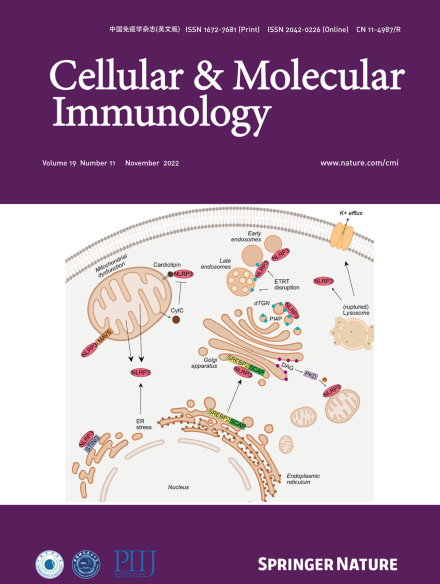
Authors: Shan, X., Hu, P., Ni, L., Shen, L., Zhang, Y., Ji, Z., Cui, Y., Guo, M…
Journal: Cellular & Molecular Immunology
Serine metabolism is reportedly involved in immune cell functions, but whether and how serine metabolism regulates macrophage polarization remain largely unknown. Here, we show that suppressing serine metabolism, either by inhibiting the activity of the key enzyme phosphoglycerate dehydrogenase in the serine biosynthesis pathway...
Cited Boster Product(s): Mouse IGF-1 ELISA Kit PicoKine® (EK0378)
Authors: Zhang, R., Yu, Y.X., Ye, D., Gu, Z., Chen, Z.X., Sun, Y.
Journal: Advanced Science
Maintenance and differentiation of germline stem and progenitor cells (GSPCs) is important for sexual reproduction. Here, the authors identify zebrafish pld6 as a novel germline-specific gene by cross-analyzing different RNA sequencing results, and find that pld6 knockout mutants develop exclusively into infertile males...
Cited Boster Product(s): Anti-Caspase-3/CASP3 Antibody Picoband™ (PB9188)

Authors: Qin, H., Niu, Y., Luan, H., Li, M., Zheng, L., Pan, Y., Liu, W.
Journal: Environment International
As the primary molecular target, there is still a gap between the peroxisome proliferator-activated receptors (PPARs) regulation and the adverse health effects caused by per- and polyfluoroalkyl substances (PFASs). The effects of PFASs on cellular differentiation regulated by PPARs is likely significant given the association of PFASs...
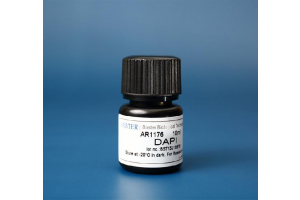
Cited Boster Product(s): DAPI (4',6-Diamidino-2-Phenylindole, Dihydrochloride) For Nucleic Acid Staining (AR1176)


Autumn is here and we’re happy to present our October issue of Research Spotlight!
This month, we highlight potential therapeutic technologies for treating various disorders. One study developed an exosome-based nanoplatform that enables CRISPR-Cas9 genome-editing therapy for liver diseases.
Other studies discuss non-drug approaches, such as proper sleeping patterns for preserving hematopoietic stem cell function and diversity, metabolic subtyping for guiding ketogenic therapy i...

Proper fixation workflows support reliable antibody performance when experiments depend on monoclonal antibodies or Polyclonal antibodies.
Sample fixation is a required and crucial step for every successful IHC/ICC experiment. Appropriate fixation of samples provides the following benefits during the tissue preparation process. Without proper fixation, cellular structures can collapse, antigens may degrade, and staining results become unreliable. Reliable fixation helps achieve specific staining while minimizing background staining that can interfere with interpretation. Within standardized immunohistochemistry services, fixation parameters are carefully controlled to support consistent staining performance across diverse sample types. Controlled protocols also help preserve protein-protein interaction, enabling more accurate biological analysis.
Fixatives work by stabilizing proteins and other cellular components, either by creating cross-links or by precipitating molecules to maintain structural integrity. This chemical stabilization preserves the spatial arrangement of cells and tissues, allowing accurate localization of antigens and reliable analysis.
Maintaining structural integrity is especially important for studies evaluating protein-protein interaction within complex tissue environments.
Choosing which fixing solution to use depends on your sample type and antigen. Since there is no standard fixing solution for all samples, we recommend testing to determine which specific type of solution will be most appropriate and effective for antigen immobilization in your sample. Optimization often includes adjusting Incubation time to balance antigen preservation with antibody accessibility. This step is particularly important when preparing slides for a multiplex IHC service, where inconsistent fixation can compromise the detection of multiple targets within the same section. Improper fixation may increase background staining and reduce specific staining clarity. For samples undergoing diagnostic evaluation or complex biomarker analysis, an expert Pathology Review Service ensures tissue quality and fixation adequacy before interpretation, improving experimental accuracy. Expert review can help confirm compatibility with monoclonal antibodies and Polyclonal antibodies.
As an example, compare the morphologies demonstrated below using different fixatives, both photographed at the same magnification.
Differences in morphology often reflect variations in incubation time and fixation chemistry.

On the left: A paraffin section of the small intestine mucosa that has been fixed in neutral buffered formalin, a cross-linking fixative. Nuclear and cytoplasmic preservation is satisfactory but some cellular shrinkage is present.
Cross-linking fixatives typically support strong specific staining with reduced background staining when protocols are optimized.
On the right: A paraffin section of the small intestine mucosa that has been fixed in 95% ethanol, a denaturing fixative. While nuclear preservation is fair, there is substantial shrinkage of cytoplasmic and extracellular elements.
Denaturing fixatives may alter protein-protein interaction if fixation conditions are not carefully controlled.
Several fixing solutions are available for use and should be chosen based on the sample type or antigen studied in the experiment. Below are the 3 different categories of fixatives:
Selection should consider antibody type, Incubation time, and the need to limit background staining.
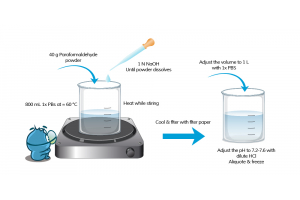
Aldehyde fixatives are di-functional cross-linking agents, which are widely used due to their strong penetrability, low contractibility, and low background. They help keep the cross-linking between tissues and maintain the antigen.
These properties make aldehydes compatible with both monoclonal antibodies and Polyclonal antibodies.

Proper Incubation time with aldehyde fixatives is necessary to prevent excessive background staining.
Formaldehyde and formalin are often referred to interchangeably. They are similar, but their chemical compositions are in fact different. Formalin (aka NBF) is a saturated water solution consisting of 37 to 40% (w/v) formaldehyde, which is diluted with a phosphate buffer to...
The September issue of Research Spotlight has arrived! We’re happy to present 10 recent publications from scientists whom Boster has served.
In this month’s featured publications, scientists highlighted the role of mTORC1 in hyperactive tumors for precision immunotherapy, and investigated the regulatory mechanisms of NF-κB and AMPK/mTOR signaling as therapeutic targets for osteoarthritis and cardiovascular disease, respectively.
Researchers also explored how resveratrol promotes recovery from spinal cord injury by improving intestinal microbiota. Furthermore, scientists proposed a magnetic soft robotic bladder to help underactive bladders.
Several nanotherapeutics are introduced, such as TME-responsive MnO2-melittin nanoparticles for enhancing cancer vaccine efficiency, bioactive antibacterial hydromembrane for accelerating diabetic wound healing, and MSC-derived extracellular vesicles for treating brain injury.
Scroll down to learn more about these discoveries!
Authors: Tang, Y., Kwiatkowski, D.J., Henske, E.P.
Journal: Nature Communications
mTORC1 is hyperactive in multiple cancer types1,2. Here, we performed integrative analysis of single cell transcriptomic profiling, paired T cell receptor (TCR) sequencing, and spatial transcriptomic profiling on Tuberous Sclerosis Complex (TSC) associated tumors with mTORC1 hyperactivity, and identified a stem-like tumor cell state...
Cited Boster Product(s): Anti-Cathepsin K/CTSK Antibody Picoband™ (PB9856); Human Midkine ELISA Kit PicoKine® (EK1235)
Authors: Yang, Y., Wang, J., Wang, L., Wu, Q., Ling, L., Yang, Y., Ning, S…
Journal: Science Advances
The poor contractility of the detrusor muscle in underactive bladders (UABs) fails to increase the pressure inside the UAB, leading to strenuous and incomplete urination. However, existing therapeutic strategies by modulating/ repairing detrusor muscles, e.g., neurostimulation and regenerative medicine, still have low efficacy...

Choosing the right antibody can get complicated, so it’s not surprising that customers frequently ask us questions like, “If this antibody is validated for human, will it cross-react with rat, too?”
First, let’s review the concept of cross-reactivity. Cross-reactivity between antigens occurs when an antibody targeted against one specific antigen is successful in binding with another, different antigen—a factor that plays a key role in designing reliable assay services<...

We're happy to present our August issue of Research Spotlight, which highlights potential nano‐therapeutic strategies for targeting several diseases.
Scientists discussed innovative bio-inspired nanomaterials, such as surfactant functionalized nanorods and bioengineered bacterial outer membrane vesicles to treat K. pneumonia infection and cancer, respectively. Other biomedical studies demonstrated the improved mechanical/therapeutic characteristics of nanoparticles with nano-enzyme activity, e...

The July edition of Research Spotlight presents 10 recent publications from scientists whom Boster has served.
In this month’s edition, a number of research papers discussed novel approaches for repairing cellular defects upon injury. Zhang et al. explored the regenerative potential of functionalized Schwann-like cells converted from GMSCs for repairing severe PNIs. Other studies highlighted the potential clinical transformation of triboelectric stimulation and DMSO pretreatment to rejuvenate aged BMSCs and preserve male fertility, respectively.
Several research studies also provided insights for a more effective drug delivery system with a high therapeutic targeting effect using natural compounds. Some examples include using Notoginsenoside R1 for the myocardial-targeting drug delivery system, quercetin to prevent Cd toxicity, and the immunomodulatory effects of different fucoidans.
Scroll down to learn more about these research discoveries!
Authors: Zhang, Q., Burrell, J.C., Zeng, J., Motiwala, F.I., Shi, S., Cullen, D.K…
Journal: Stem Cell Research & Therapy
Background: Peripheral nerve injuries (PNIs) remain one of the great clinical challenges because of their considerable long-term disability potential. Postnatal neural crest-derived multipotent stem cells, including gingiva-derived mesenchymal stem cells (GMSCs), represent a promising source of seed cells for tissue engineering...

At Boster, one common question we get from researchers is, “How do I prepare the ELISA standard?” We’re glad you asked because proper construction of the standard curve is the very first step for every ELISA experiment.The standard curve can help confirm that the quality of th...