This website uses cookies to ensure you get the best experience on our website.


- Table of Contents
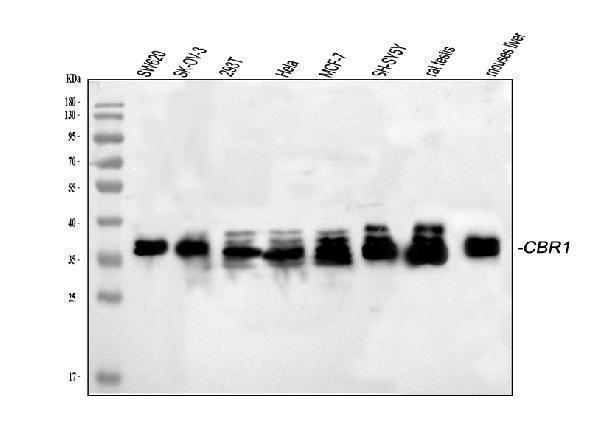
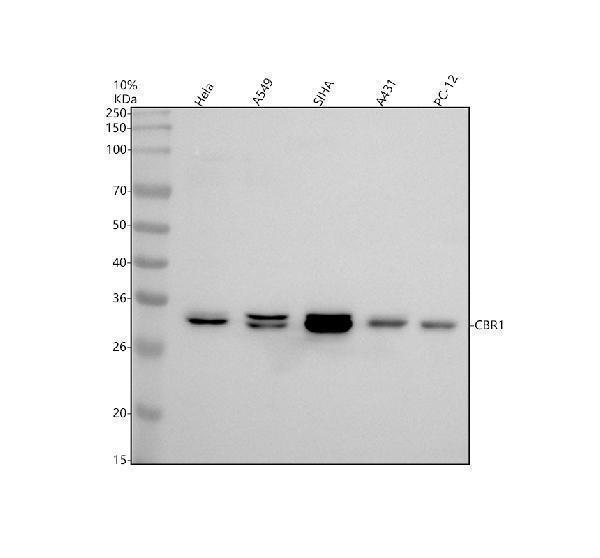
Designing a Western blot for CBR1? The guide has the expected band size, antibodies backed by real blot images, the controls to run alongside, and protocols taken from published papers.
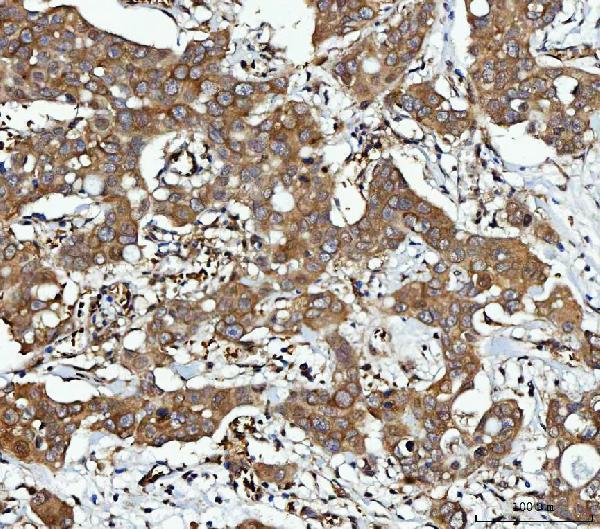
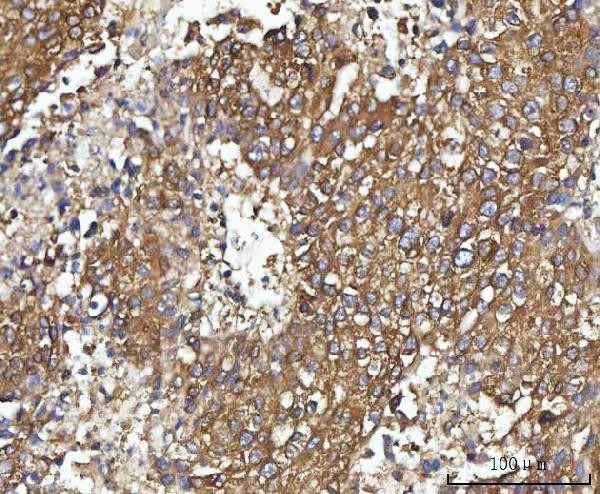
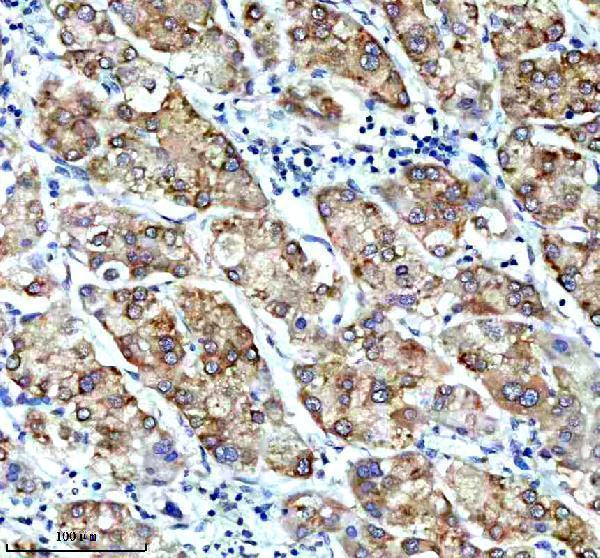
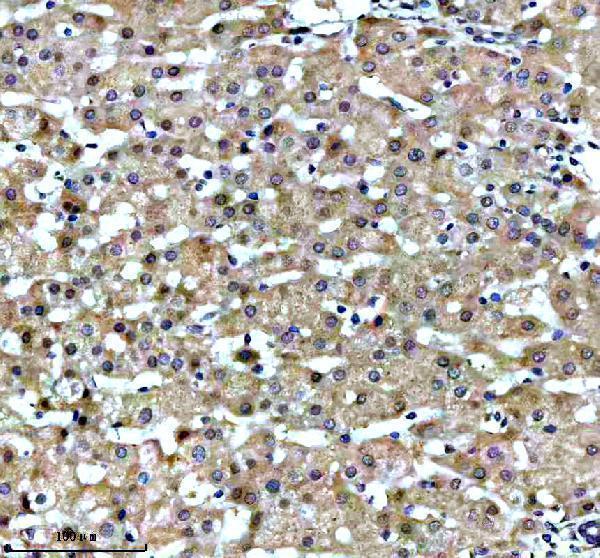
Open the CBR1 Western Blot GuideDesigning an IHC experiment for CBR1? The guide has the expected staining pattern, antigen retrieval and fixation, antibodies backed by real IHC images, the tissue controls to run alongside, and protocols taken from published papers.
Open the CBR1 IHC Guide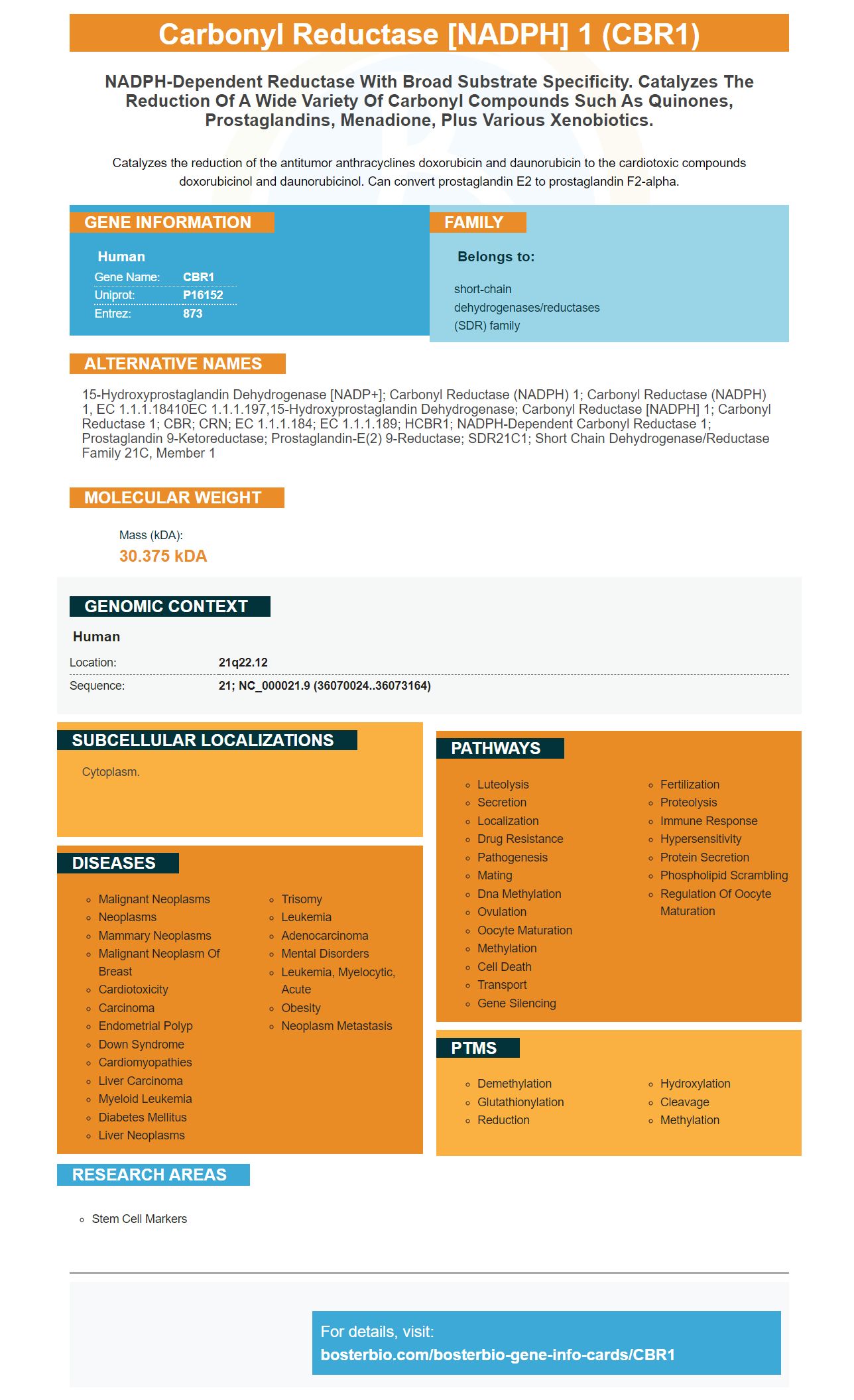
Facts about Carbonyl reductase [NADPH] 1.
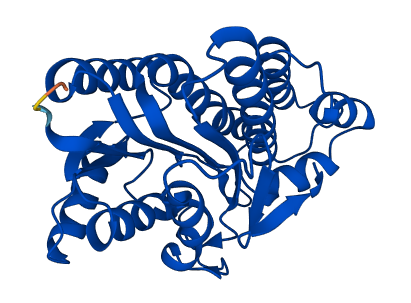
Catalyzes the reduction of the antitumor anthracyclines doxorubicin and daunorubicin to the cardiotoxic compounds doxorubicinol and daunorubicinol. Can convert prostaglandin E2 to prostaglandin F2-alpha.
| Human | |
|---|---|
| Gene Name: | CBR1 |
| Uniprot: | P16152 |
| Entrez: | 873 |
| Belongs to: |
|---|
| short-chain dehydrogenases/reductases (SDR) family |

15-hydroxyprostaglandin dehydrogenase [NADP+]; carbonyl reductase (NADPH) 1; carbonyl reductase (NADPH) 1, EC 1.1.1.18410EC 1.1.1.197,15-hydroxyprostaglandin dehydrogenase; carbonyl reductase [NADPH] 1; carbonyl reductase 1; CBR; CRN; EC 1.1.1.184; EC 1.1.1.189; hCBR1; NADPH-dependent carbonyl reductase 1; Prostaglandin 9-ketoreductase; Prostaglandin-E(2) 9-reductase; SDR21C1; short chain dehydrogenase/reductase family 21C, member 1
Mass (kDA):
30.375 kDA

| Human | |
|---|---|
| Location: | 21q22.12 |
| Sequence: | 21; NC_000021.9 (36070024..36073164) |
Cytoplasm.



PMID: 3141401 by Wermuth B., et al. Human carbonyl reductase. Nucleotide sequence analysis of a cDNA and amino acid sequence of the encoded protein.
PMID: 2182121 by Forrest G.L., et al. Induction of a human carbonyl reductase gene located on chromosome 21.