This website uses cookies to ensure you get the best experience on our website.


- Table of Contents
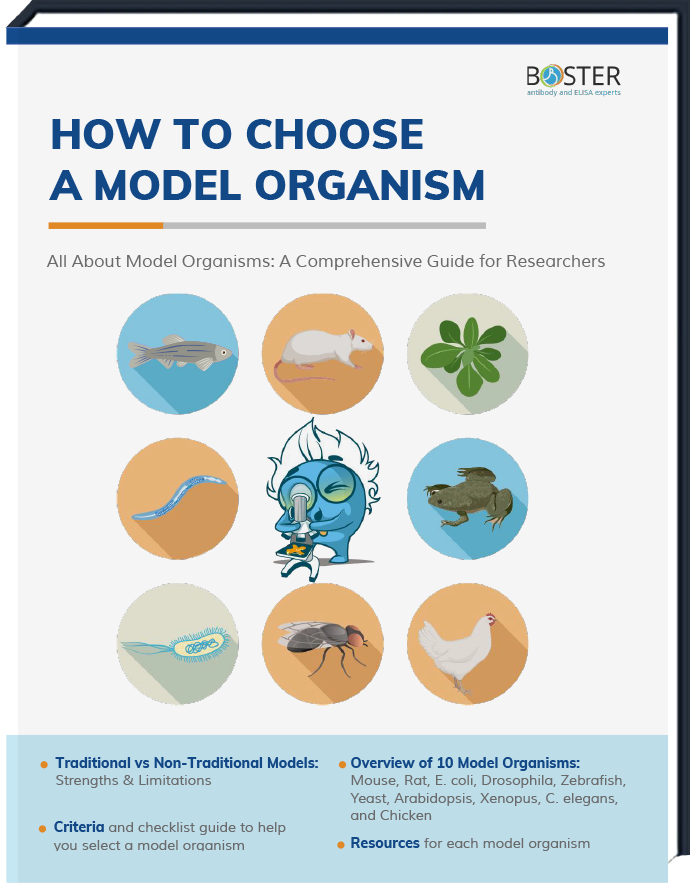
This comprehensive guide will empower you to make informed decisions when selecting model organisms for your research.
Explore the distinctions between traditional models like mice and rats and non-traditional or less traditional options such as zebrafish and yeast. Learn when to rely on well-studied organisms or embrace emerging models for unique research insights.
Discover the key factors for choosing the right model organism, including biological relevance, ethical considerations, and experimental flexibility. Use the included checklist to align your research objectives with the best-suited model.
Get profiles of 10 model organisms, consisting of mouse, rat, E. coli, Drosophila, yeast, zebrafish, Arabidopsis, frog, C. elegans, and chicken. Each overview covers history, major contributions to science, benefits, limitations, and applicable research areas.
Access curated resources, including funding opportunities, conferences, and technical tools like antibodies and ELISA kits. Learn how to enhance your research with services from organizations like Boster Bio, offering custom antibody solutions for various models.
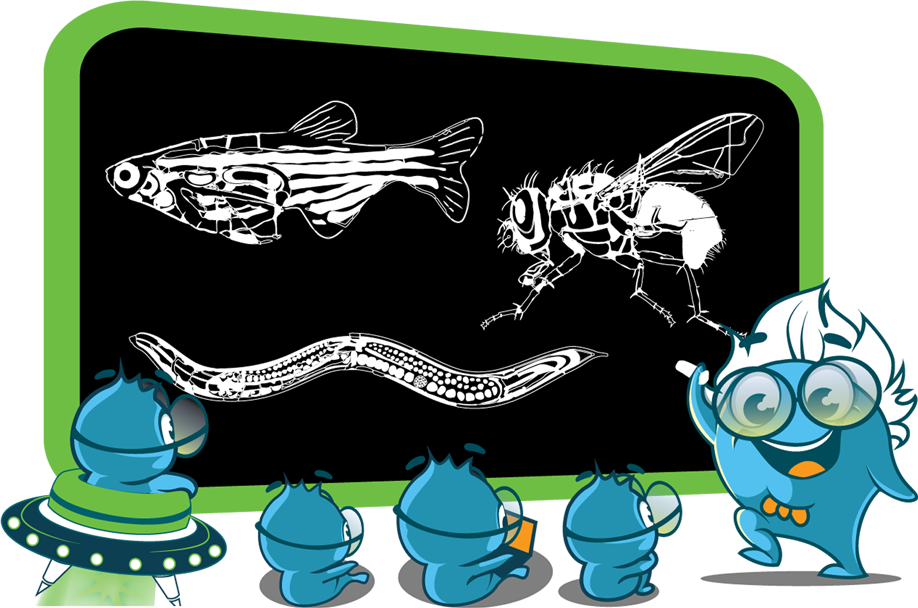
Boster Bio offers a promotional $600 custom polyclonal antibody production package for customers who need custom antibodies for less traditional model species (zebrafish, Drosophila, yeast, Arabidopsis, C. elegans, etc.).
See service detailsDrosophila melanogaster, commonly known as the fruit fly, has long been a cornerstone of genetic research. Its simplicity, rapid life cycle, and genetic tractability make it an...
Read blogEscherichia coli is a gram-negative bacterium that is easy to culture and manipulate in the laboratory. Its rapid growth rate and genetic tractability have established its status as a...
Read blogSaccharomyces cerevisiae (aka Baker’s yeast, Brewer’s yeast, or budding yeast) is a single-celled fungus used in baking and brewing. This species is renowned for its role in fermenting...
Read blogThe house mouse (Mus musculus) has long been a cornerstone of scientific research, serving as a vital model organism that has propelled countless breakthroughs in biology...
Read blogThis comprehensive guide will take you through the nuts and bolts of Immunohistochemistry (IHC), including a review of principle, optimized protocol that really works, troubleshooting tips, and more...
Find out more100+ Troubleshooting Advice! Having our comprehensive troubleshooting tips right on your bench side can save you precious time and headache. Download our Western Blot eBook to understand of how Western Blot works...
Find out moreThis guide will discuss the fundamentals of chromatin immunoprecipitation (ChIP), including a comprehensive review of types of ChIP, protocols, optimization tips, troubleshooting, FAQs, and more...
Find out moreGet to know some of ELISA troubleshooting tips with this guide. It has some commonly encountered problems and solutions to ELISA like a weak signal, high background, and low sensitivity. Check it out to resolve the most encountered problems in ELISA...
Find out more