This website uses cookies to ensure you get the best experience on our website.


- Table of Contents
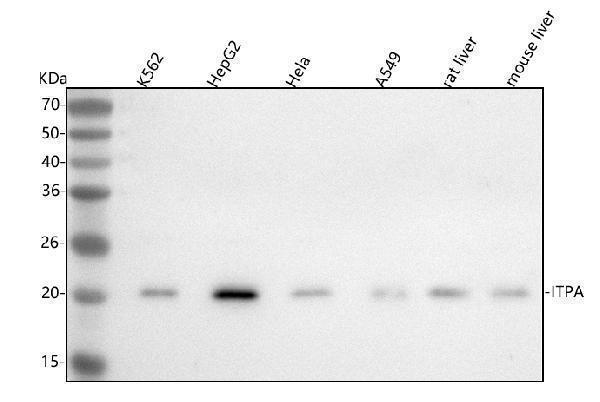
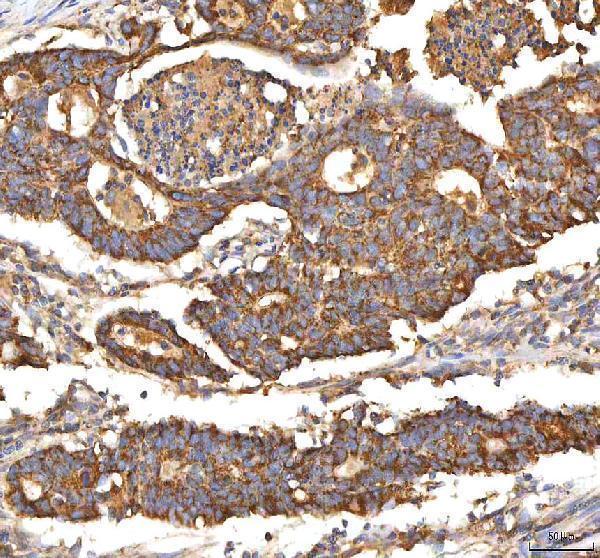
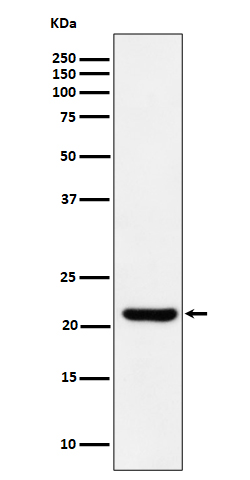
Designing an IHC experiment for ITPA? The guide has the expected staining pattern, antigen retrieval and fixation, antibodies backed by real IHC images, the tissue controls to run alongside, and protocols taken from published papers.
Open the ITPA IHC Guide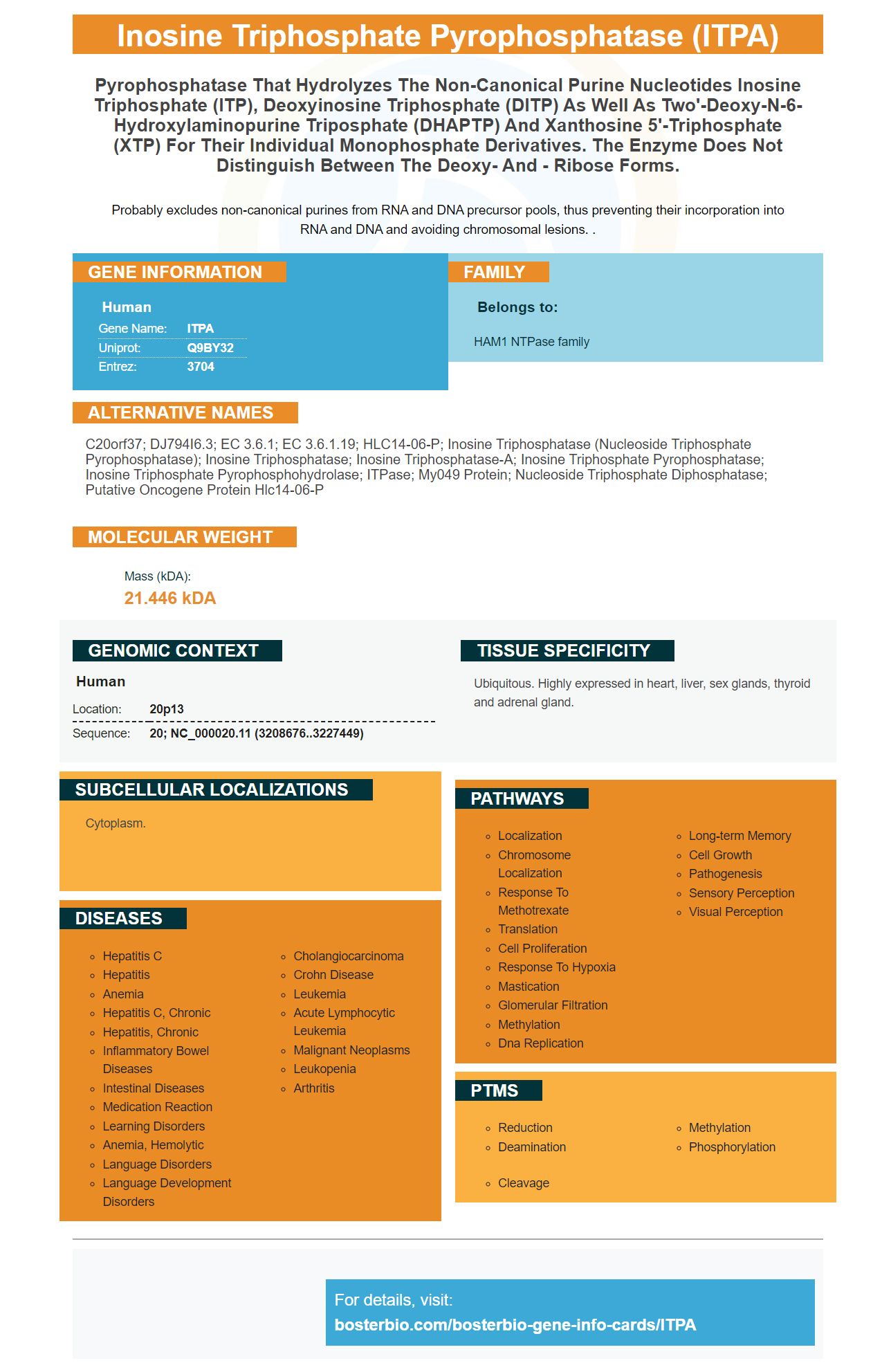
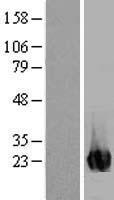
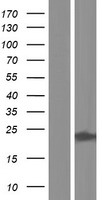
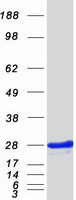
Facts about Inosine triphosphate pyrophosphatase.
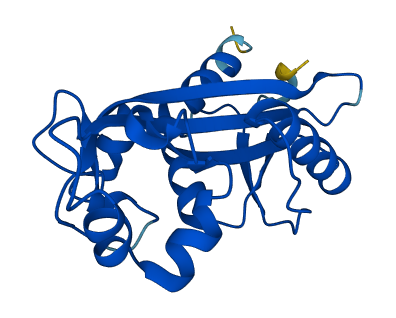
Probably excludes non-canonical purines from RNA and DNA precursor pools, thus preventing their incorporation into RNA and DNA and avoiding chromosomal lesions. .
| Human | |
|---|---|
| Gene Name: | ITPA |
| Uniprot: | Q9BY32 |
| Entrez: | 3704 |
| Belongs to: |
|---|
| HAM1 NTPase family |

C20orf37; dJ794I6.3; EC 3.6.1; EC 3.6.1.19; HLC14-06-P; inosine triphosphatase (nucleoside triphosphate pyrophosphatase); Inosine triphosphatase; inosine triphosphatase-A; inosine triphosphate pyrophosphatase; inosine triphosphate pyrophosphohydrolase; ITPase; My049 protein; nucleoside triphosphate diphosphatase; Putative oncogene protein hlc14-06-p
Mass (kDA):
21.446 kDA

| Human | |
|---|---|
| Location: | 20p13 |
| Sequence: | 20; NC_000020.11 (3208676..3227449) |
Ubiquitous. Highly expressed in heart, liver, sex glands, thyroid and adrenal gland.
Cytoplasm.



PMID: 11278832 by Lin S., et al. Cloning, expression, and characterization of a human inosine triphosphate pyrophosphatase encoded by the ITPA gene.
PMID: 17090528 by Burgis N.E., et al. Substrate specificity of RdgB protein, a deoxyribonucleoside triphosphate pyrophosphohydrolase.