This website uses cookies to ensure you get the best experience on our website.


- Table of Contents
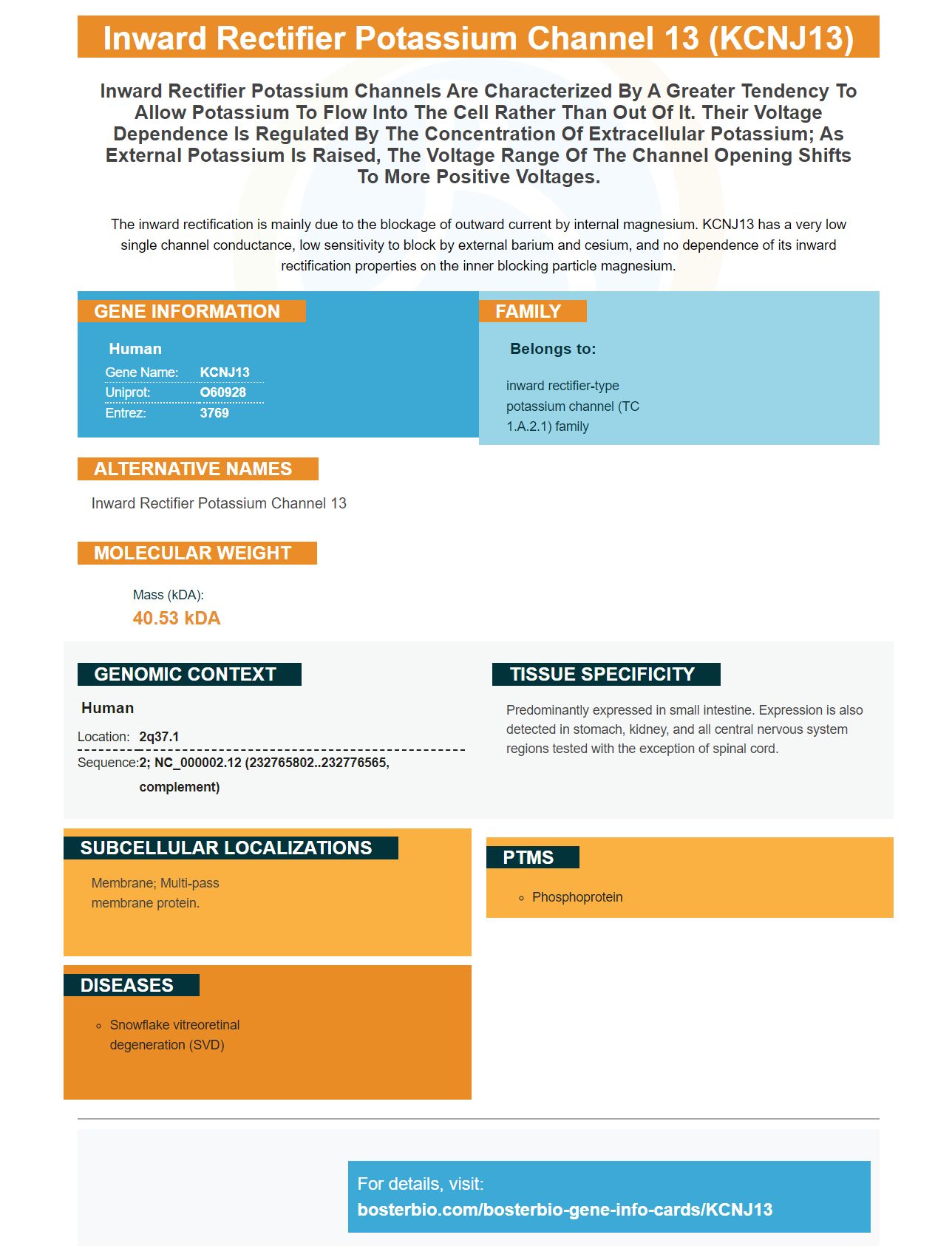
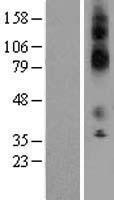
Facts about Inward rectifier potassium channel 13.
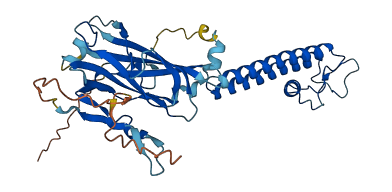
The inward rectification is mainly due to the blockage of outward current by internal magnesium. KCNJ13 has a very low single channel conductance, low sensitivity to block by external barium and cesium, and no dependence of its inward rectification properties on the inner blocking particle magnesium.
| Human | |
|---|---|
| Gene Name: | KCNJ13 |
| Uniprot: | O60928 |
| Entrez: | 3769 |
| Belongs to: |
|---|
| inward rectifier-type potassium channel (TC 1.A.2.1) family |

Inward rectifier potassium channel 13
Mass (kDA):
40.53 kDA

| Human | |
|---|---|
| Location: | 2q37.1 |
| Sequence: | 2; NC_000002.12 (232765802..232776565, complement) |
Predominantly expressed in small intestine. Expression is also detected in stomach, kidney, and all central nervous system regions tested with the exception of spinal cord.
Membrane; Multi-pass membrane protein.


PMID: 9738472 by Partiseti M., et al. Cloning and characterization of a novel human inwardly rectifying potassium channel predominantly expressed in small intestine.
PMID: 9620703 by Krapivinsky G., et al. A novel inward rectifier K+ channel with unique pore properties.