This website uses cookies to ensure you get the best experience on our website.


- Table of Contents
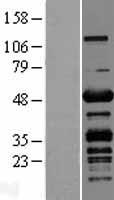
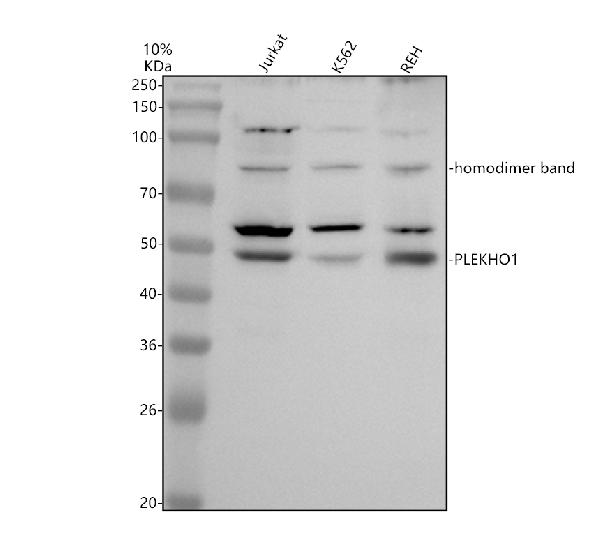
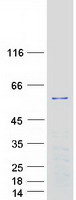
Facts about Pleckstrin homology domain-containing family O member 1.
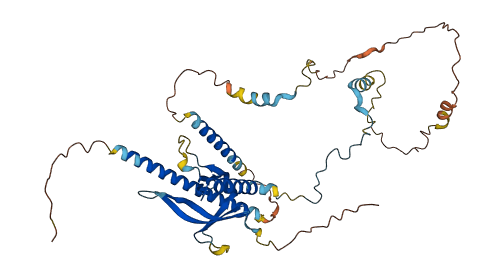
Appears to target ATM into the plasma membrane. Appears to also inhibit tumor cell growth by inhibiting AKT- mediated cell-survival.
| Human | |
|---|---|
| Gene Name: | PLEKHO1 |
| Uniprot: | Q53GL0 |
| Entrez: | 51177 |
| Belongs to: |
|---|
| No superfamily |

2810052M02Rik; Casein kinase 2-interacting protein 1; C-Jun-binding protein; CK2 interacting protein 1; HQ0024c protein; CK2-interacting protein 1; CKIP1; CKIP-1PH domain-containing family O member 1; JBP; OC120; Osteoclast maturation-associated gene 120 protein; pleckstrin homology domain containing, family O member 1; pleckstrin homology domain-containing family O member 1
Mass (kDA):
46.237 kDA

| Human | |
|---|---|
| Location: | 1q21.2 |
| Sequence: | 1; NC_000001.11 (150149434..150160065) |
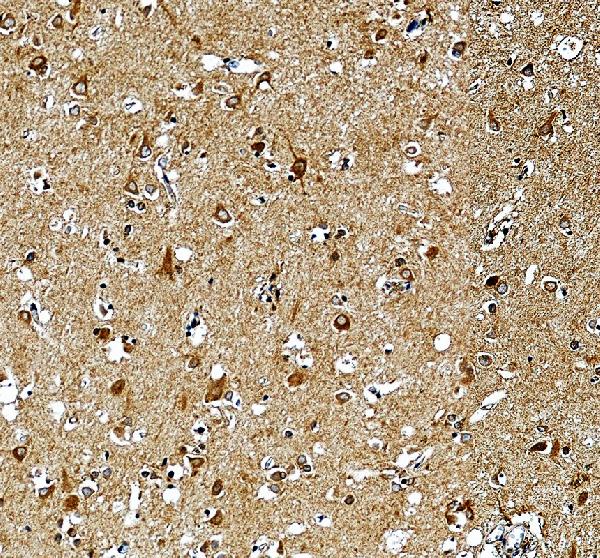
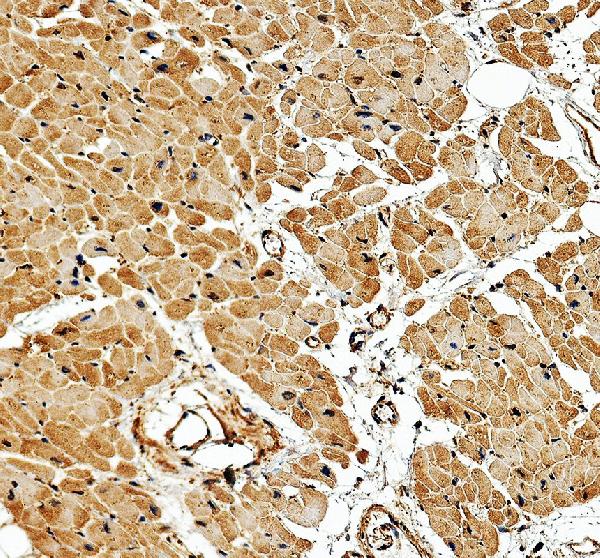
Abundantly expressed in skeletal muscle and heart, moderately in kidney, liver, brain and placenta and sparingly in the pancreas and lung. Easily detectable in cell lines such as MOLT-4, HEK293 and Jurkat.
Cell membrane; Peripheral membrane protein. Nucleus. Cytoplasm. Predominantly localized to the plasma membrane through the binding to phosphatidylinositol 3-phosphate (PubMed:14729969). In C2C12 cells, with the absence of growth factor, it is found in the nucleus (PubMed:14729969). It rapidly translocates to the plasma membrane after insulin stimulation (PubMed:14729969). In response to TNF, it translocates from the plasma membrane to the cytoplasm and then to the nucleus accompanied by cleavage by caspase-3 (PubMed:15706351). However, the subcellular location is highly dependent of the cell t



PMID: 10799509 by Bosc D.G., et al. Identification and characterization of CKIP-1, a novel pleckstrin homology domain-containing protein that interacts with protein kinase CK2.
PMID: 15706351 by Zhang L., et al. Role for the pleckstrin homology domain-containing protein CKIP-1 in AP-1 regulation and apoptosis.