This website uses cookies to ensure you get the best experience on our website.


- Table of Contents
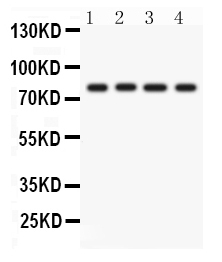
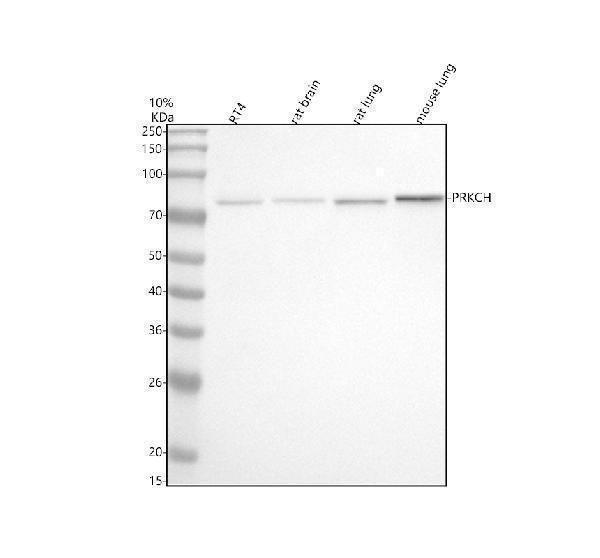
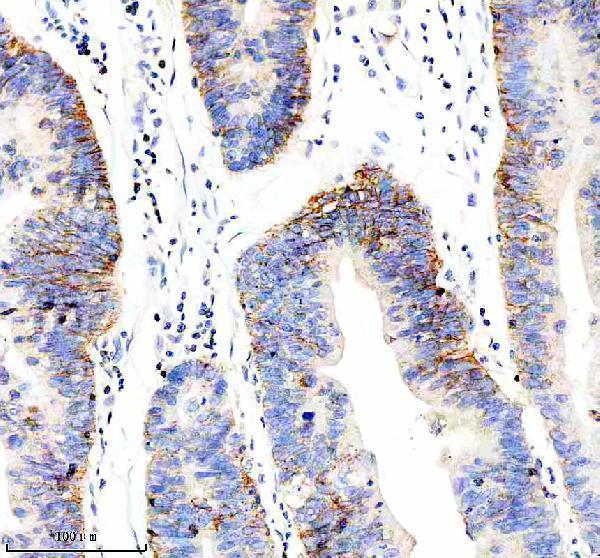
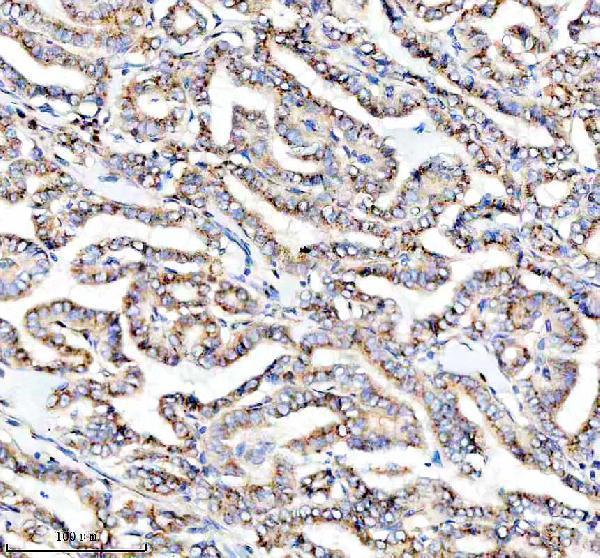
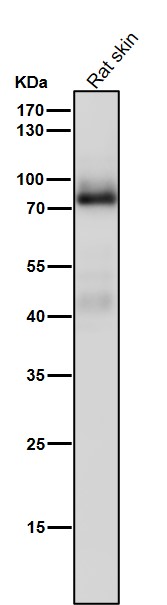
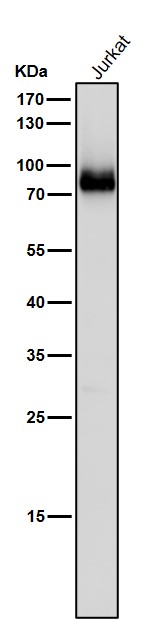
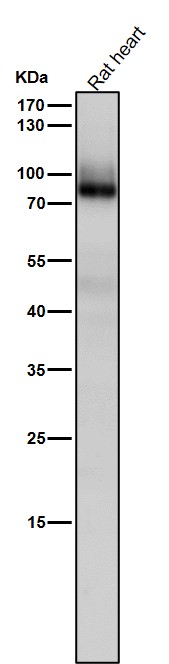
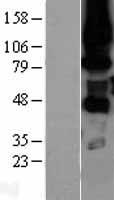
Designing a Western blot for Protein kinase C eta type? The guide has the expected band size, antibodies backed by real blot images, the controls to run alongside, and protocols taken from published papers.
Open the PRKCH Western Blot Guide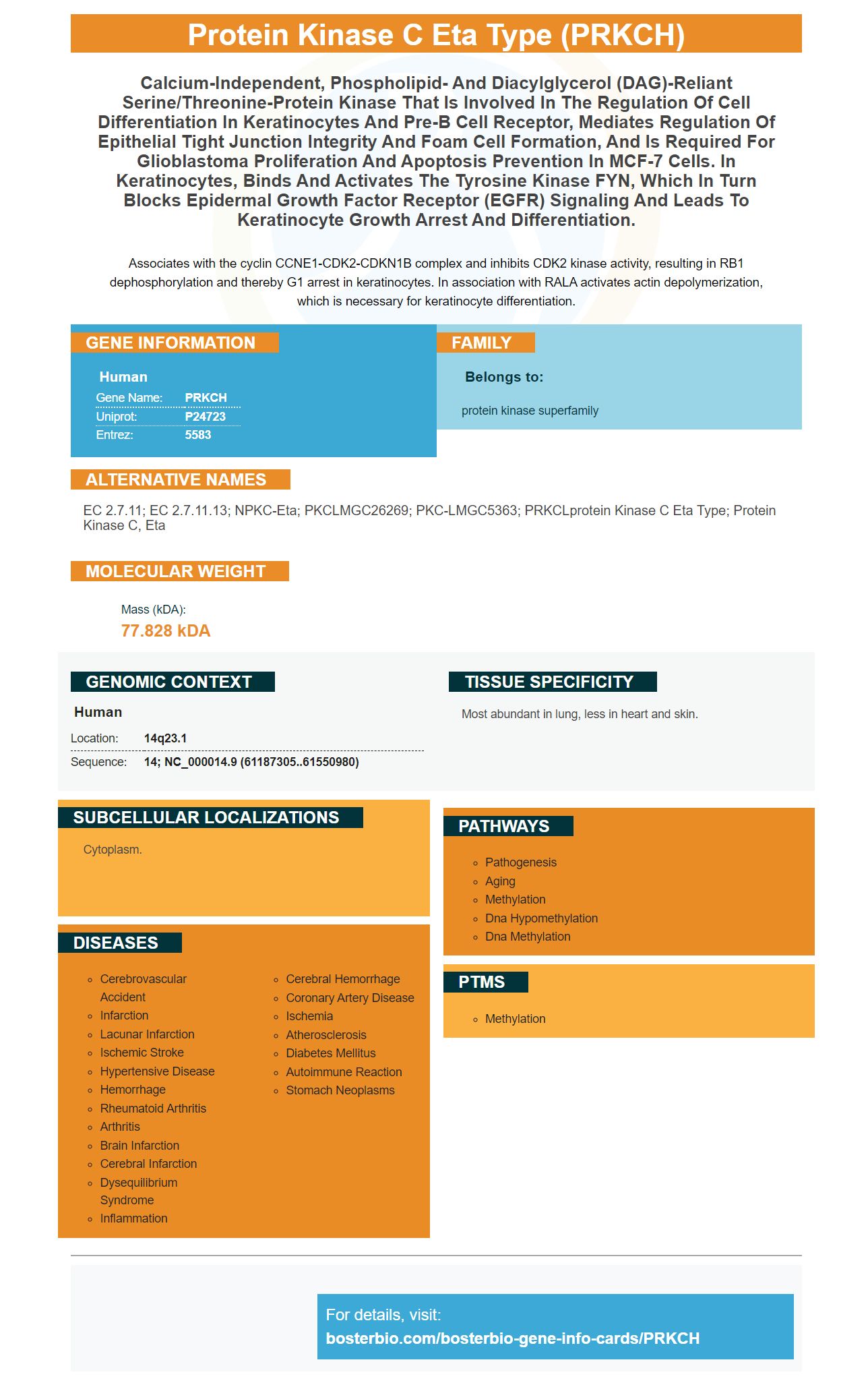
1 Citations
Facts about Protein kinase C eta type.
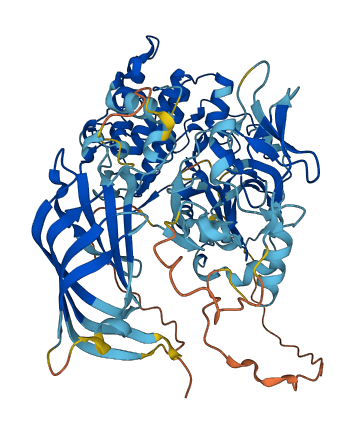
Associates with the cyclin CCNE1-CDK2-CDKN1B complex and inhibits CDK2 kinase activity, resulting in RB1 dephosphorylation and thereby G1 arrest in keratinocytes. In association with RALA activates actin depolymerization, which is necessary for keratinocyte differentiation.
| Human | |
|---|---|
| Gene Name: | PRKCH |
| Uniprot: | P24723 |
| Entrez: | 5583 |

| Belongs to: |
|---|
| protein kinase superfamily |

EC 2.7.11; EC 2.7.11.13; nPKC-eta; PKCLMGC26269; PKC-LMGC5363; PRKCLprotein kinase C eta type; protein kinase C, eta
Mass (kDA):
77.828 kDA

| Human | |
|---|---|
| Location: | 14q23.1 |
| Sequence: | 14; NC_000014.9 (61187305..61550980) |
Most abundant in lung, less in heart and skin.
Cytoplasm.




PMID: 1986216 by Bacher N., et al. Isolation and characterization of PKC-L, a new member of the protein kinase C-related gene family specifically expressed in lung, skin, and heart.
PMID: 7988719 by Palmer R.H., et al. Identification of multiple, novel, protein kinase C-related gene products.
*More publications can be found for each product on its corresponding product page