This website uses cookies to ensure you get the best experience on our website.


- Table of Contents
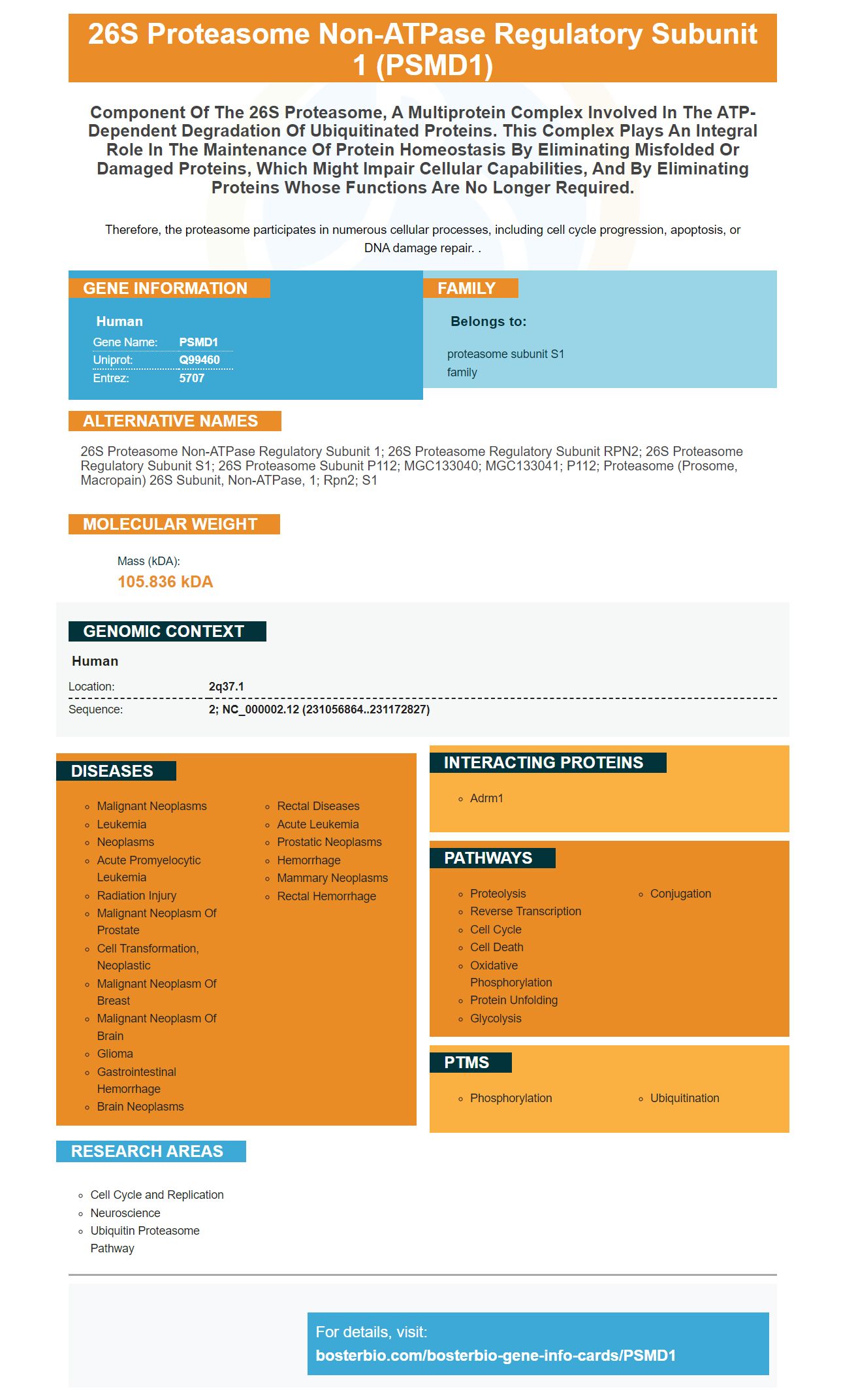
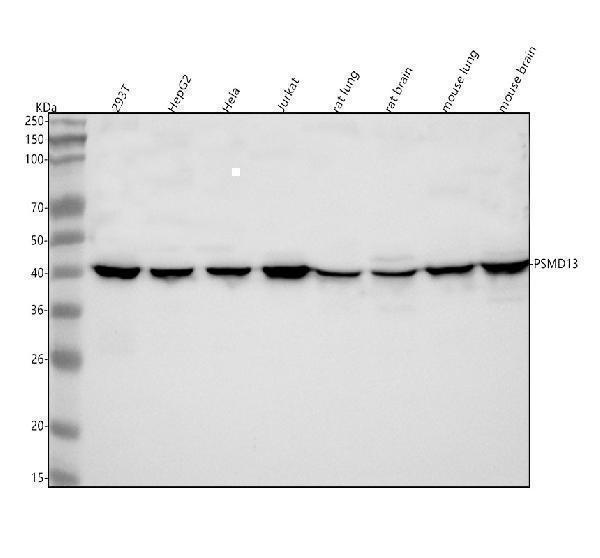
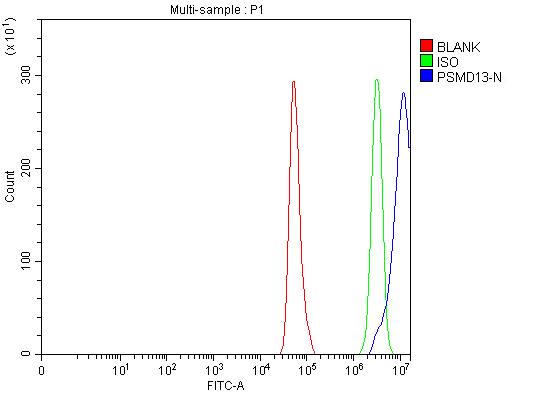
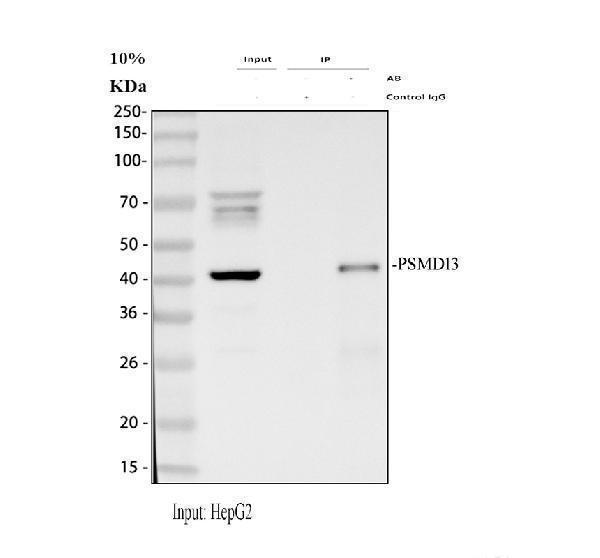
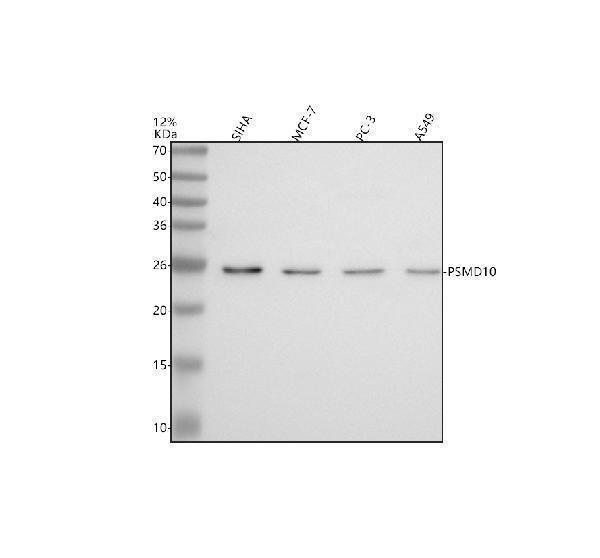
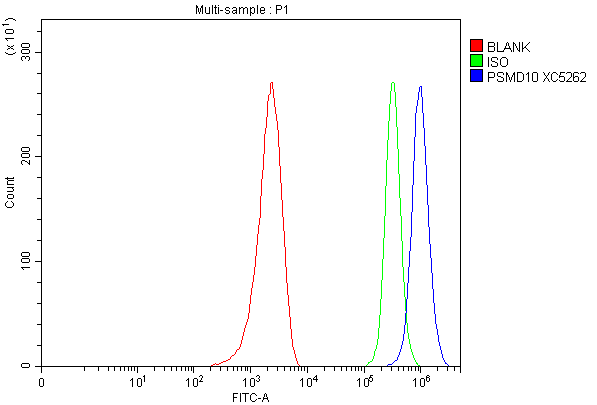
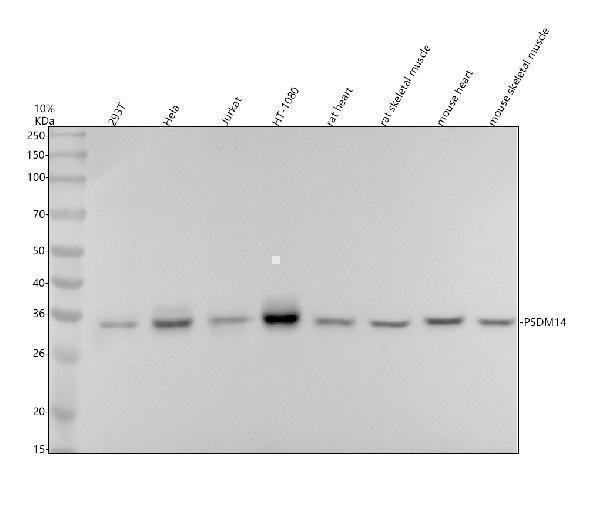

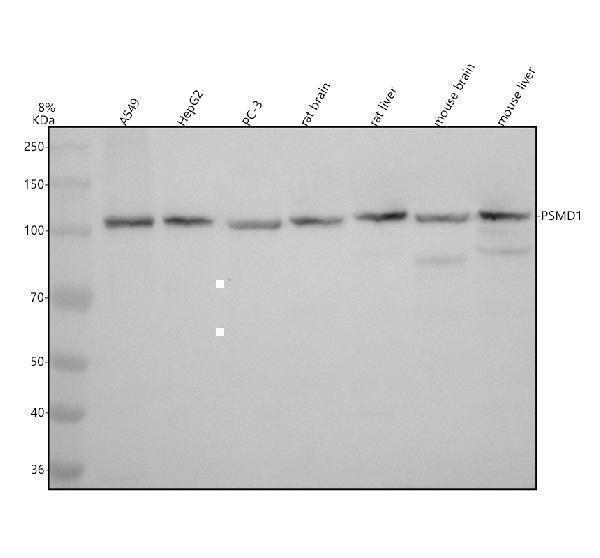
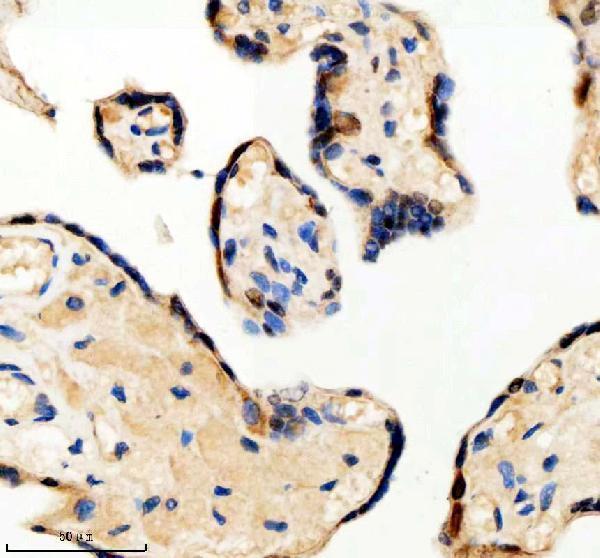
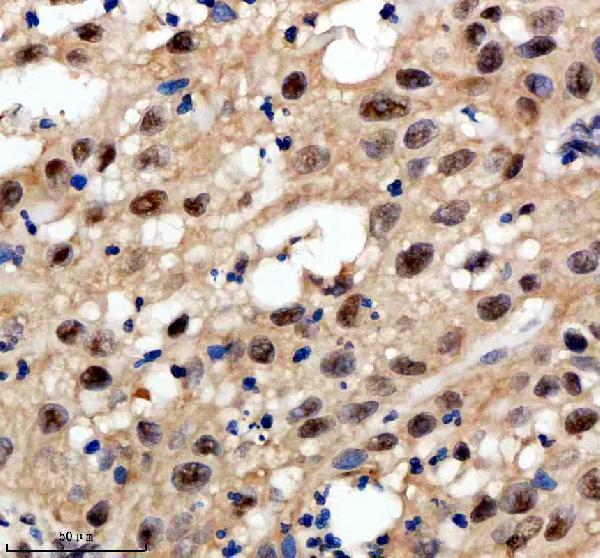
Facts about 26S proteasome non-ATPase regulatory subunit 1.
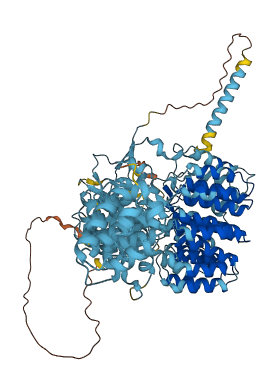
Therefore, the proteasome participates in numerous cellular processes, including cell cycle progression, apoptosis, or DNA damage repair. .
| Human | |
|---|---|
| Gene Name: | PSMD1 |
| Uniprot: | Q99460 |
| Entrez: | 5707 |
| Belongs to: |
|---|
| proteasome subunit S1 family |

26S proteasome non-ATPase regulatory subunit 1; 26S proteasome regulatory subunit RPN2; 26S proteasome regulatory subunit S1; 26S proteasome subunit p112; MGC133040; MGC133041; P112; proteasome (prosome, macropain) 26S subunit, non-ATPase, 1; Rpn2; S1
Mass (kDA):
105.836 kDA

| Human | |
|---|---|
| Location: | 2q37.1 |
| Sequence: | 2; NC_000002.12 (231056864..231172827) |



PMID: 8816993 by Yokota K., et al. cDNA cloning of p112, the largest regulatory subunit of the human 26s proteasome, and functional analysis of its yeast homologue, sen3p.
PMID: 1317798 by Kanayama H.O., et al. Demonstration that a human 26S proteolytic complex consists of a proteasome and multiple associated protein components and hydrolyzes ATP and ubiquitin-ligated proteins by closely linked mechanisms.