| SKU | A05475-1 |
|---|---|
| Application | Western blot |
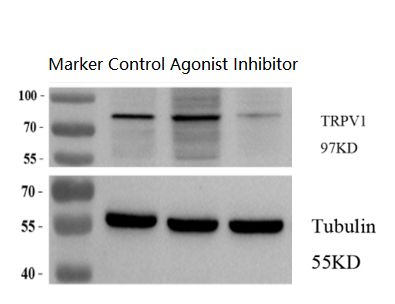
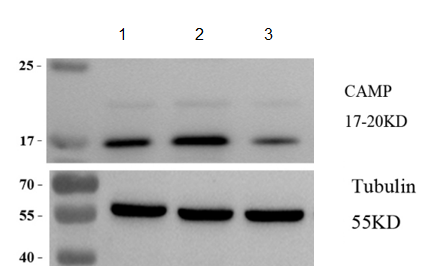
| Sample | MADB106 rat mammary carcinoma cells |
| Sample Processing Description | MADB106 cells under normal culture conditions , MADB106 cells treated with agonist , MADB106 cells treated with inhibitor |
| Other Reagents | RIPA Lysis Buffer, Protease Inhibitor, Resolving Gel Solution ,Transfer Buffer ,Blocking Buffer |
| Primary Antibody | Camp Antibody Picoband® |
| Primary Incubation | 1:2000, overnight at 4 ℃ |
| Secondary Antibody | 1:10,000, HRP-conjugated Goat Anti-Rabbit IgG |
| Secondary Incubation | 1h at 37℃ |
| Detection | Substrate: ECL substrate, Imaging system:ChemiDoc MP |
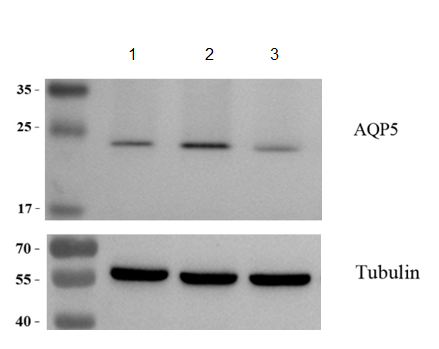
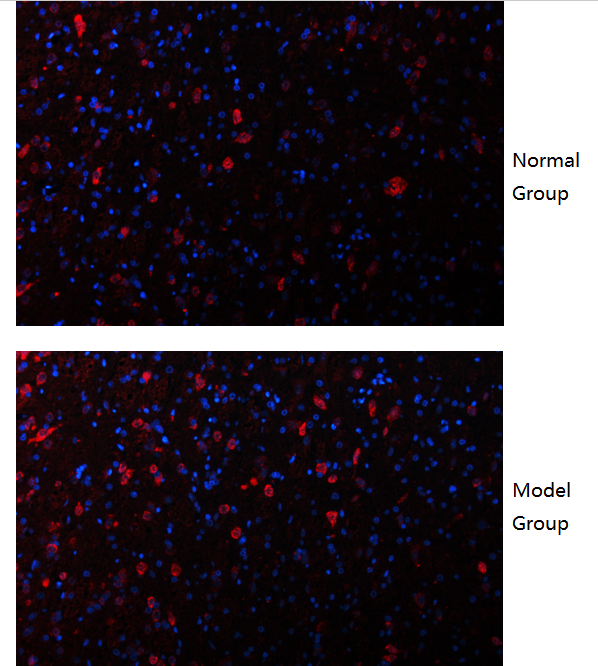
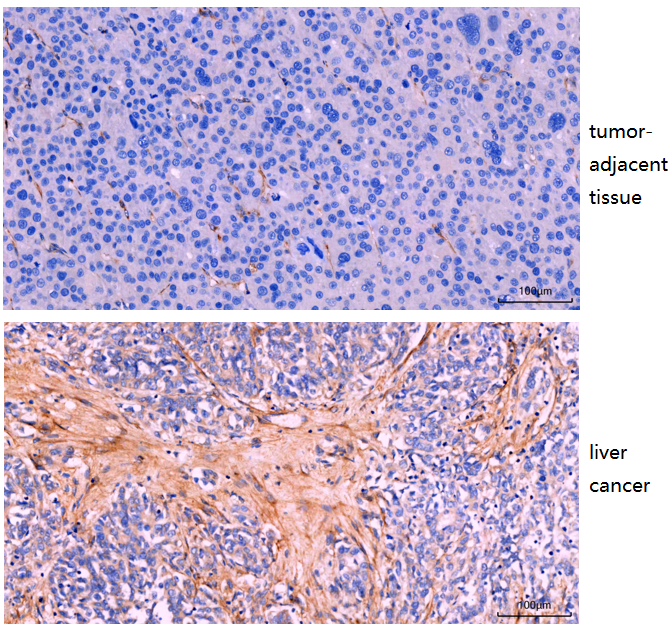
| Results Summary | CAMP, also known as cathelicidin antimicrobial peptide or LL-37, is an important antimicrobial peptide with dual functions: directly killing pathogens and modulating immune responses. It plays a complex role in maintaining the homeostasis of barrier tissues such as skin and in influencing tumor progression. In breast cancer, CAMP may promote tumor development by enhancing angiogenesis and cancer cell proliferation. In this experiment, CAMP secretion was markedly increased in cells treated with the agonist and significantly decreased in cells treated with the inhibitor. |