Customer Testimonials

Peer Reviews from Real Labs

Browse peer-submitted results linked to specific products—ratings, images, and practical notes included. Contribute your own result to strengthen the evidence base and claim rewards after verification.

Video Interviews

See real workflows and decision points—what researchers tried, what worked, and why. Share your story in a short interview and claim rewards!

Get Interview Rewards

Filter by category, reactivity, and host to find the most relevant peer results.

Anti-C-Terminal CD44 Antibody for Western Blotting

Excellent, submitted by on

Source: Biocompare.com

SKU PA1021-2
Application Western Blot
Sample Tumor cell lysate
Primary Incubation Overnight at 8-10 degrees Celcius, with rocking, 1 ug/ml in 5% milk/BPS/Tw
Blocking Agent 5% milk in PBS/0.05% Tween-20 (5% milk/PBS/Tw)
Secondary Incubation Goat anti-Rabbit antibody conjugated with HRP at 1:3,000 in 5% milk/PBS/Tw
Tertiary Incubation HRP-bound secondary antibodies were detected by WestPico from ThermoScientific/Tw
Detection Chemiluminescence: West Pico from Thermo Scientific
Results Summary The antibody recognizes the expected ~80 kDa full-length CD44 and its low mol. wt. fragments containing C-terminal domain. The antibody is highly specific, produces "clean", definitive results; does not produce any non-specific bands. The antibody is sensitive and detects CD44 band when total protein per lane is loaded at 10-20 ug. The antibody is stable and could be re-used for blotting several times when stored in the original 5% milk/PBS/Tw solution at -20℃.

"The antibody was used to detect the full length and cleaved fragments of human transmembrane protein CD44. The rabbit antibody PA1021-2 is sensitive, i.e. detects CD44 protein bands under reducing conditions and also when tested material is loaded at low total protein per lane. The antibody is highly specific, i.e. does not recognize any bands of unknown nature on the membrane."
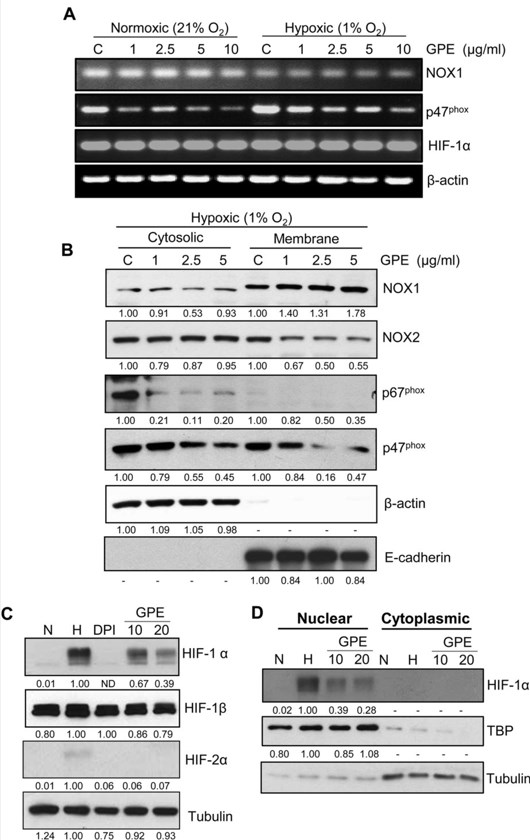
A Nice Antibody For Gp91phox Subunit Of NOX System

Excellent, submitted by on

Source: Biocompare.com

tr>
SKU PA1667
Application Western Blot
Sample 22RV1 cytosolic and membrane fractions
Primary Incubation 1:1000, overnight at 4 degree
Blocking Agent 5% Milk
Secondary Incubation 1:5000, 1 hour RT.
Detection ECL
Results Summary Please refer our paper (Scientific Reports 6, Article number: 23135 (2016)doi:10.1038/srep23135).

"We used this antibody to study the inhibitory effect of GPE on hypoxia induced translocation of gp91phox subunit from cytosol to membrane in our recently published paper (Scientific Reports 6, Article number: 23135 (2016); doi:10.1038/srep23135). This antibody is very much specific in our in vitro system."

A New and Reliable ELISA for Rat FABP4

Excellent, submitted by on

Source: Biocompare.com

SKU EK1573
Application ELISA
Starting Material Rat Plasma
Tips Kit suggested sample dilution is 1:50 but I used 1:25 and got results within standard range.
Results Summary We compared plasma FABP4 levels in pregnant and nonpregnant rats and results were consistent with reported studies.

"There were a number of ELISA kits for human and mice FABP4 but rat-specific kits were not easily available. We tried this Kit from Boster and are happy with the kit performance. The steps were easy to follow and standers and sample values were in an acceptable range."

Very Clean Anti-Lactoferrin/LTF Antibody Picoband

Excellent, submitted by on

Source: Biocompare.com

SKU A00633-1
Application Western Blot
Sample Mouse Neutrophils
Primary Incubation 1:2000 1 hr
Blocking Agent 5% BSA
Secondary Incubation 1:3000
Detection HRP
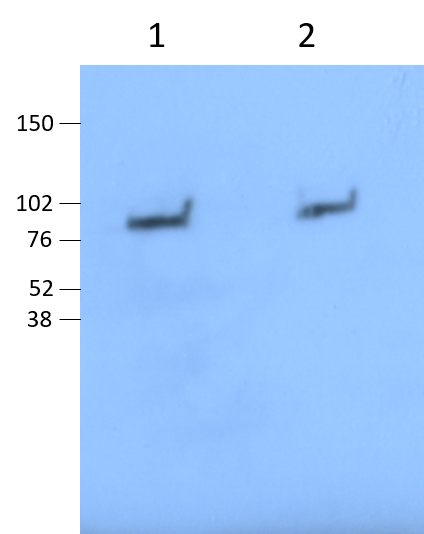
Results Summary Nicely compared total LTF in neutrophils to degranulated LTF. In the image below, Lane 1: Total LTF from mouse neutrophil cell lysates. Lane 2: degranulated LTF. Ratio 1:20.

"Nicely detects degranulated LTF in supernatant mouse neutrophils stimulated with bacteria. Used at 1:2000 in 5% BSA."

Anti-ULK2 Antibody Works Great for Western Blotting

Excellent, submitted by on

Source: Biocompare.com

SKU A05219
Application Western Blot
Sample HEK293T
Primary Incubation 1:5000 for 24hours at 4degrees celsius.
Blocking Agent Skim milk
Secondary Incubation 1 hour room temperature 1:3000
Detection ECL
Results Summary We silenced ULK1 and ULK2 genes in HEK293T cells, the antibody could differentiate the two proteins.

"Used for western blotting. The antibody worked good, used skim milk for blocking. It was used for investigating silenced HEK293T cells."

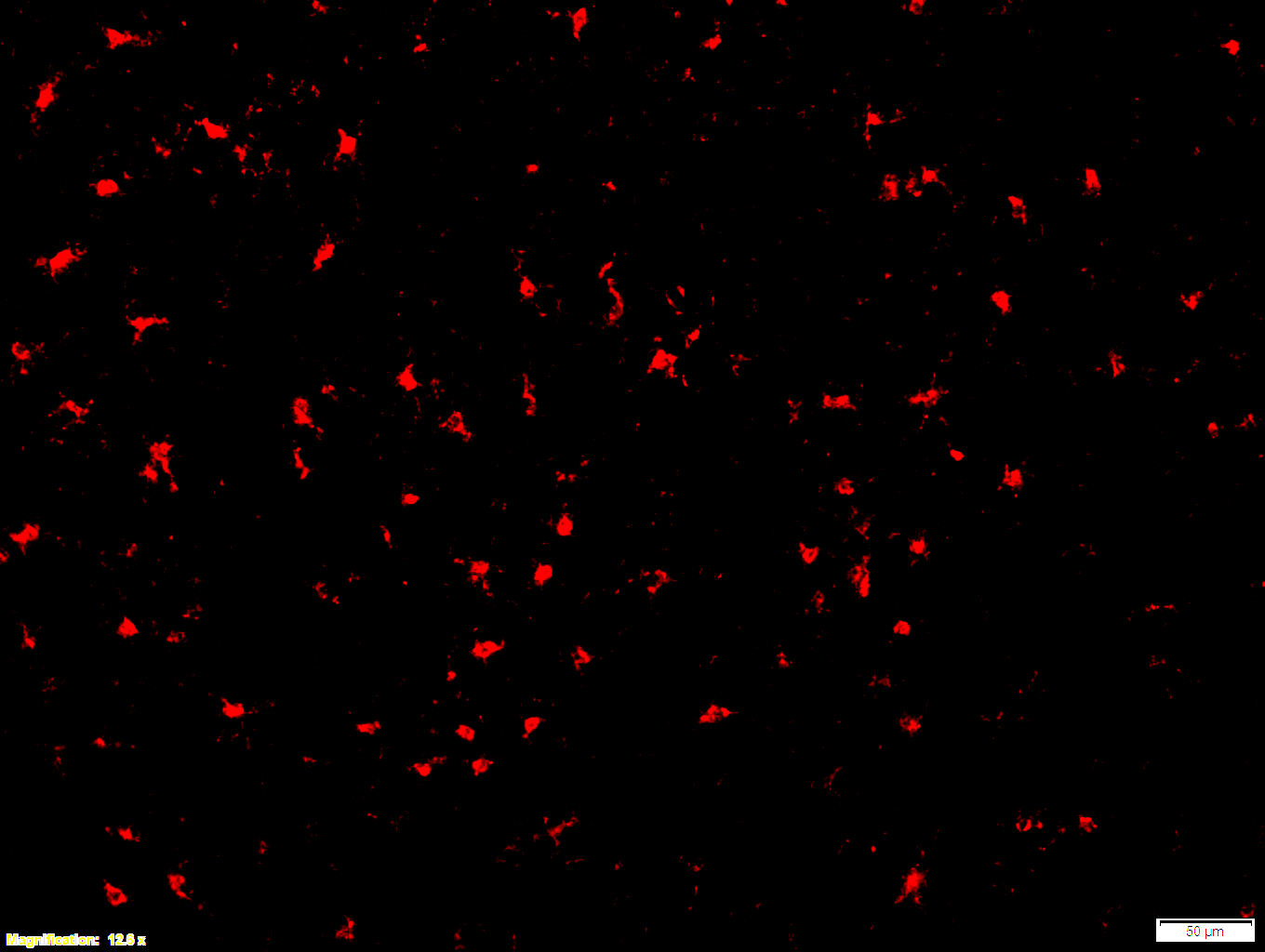
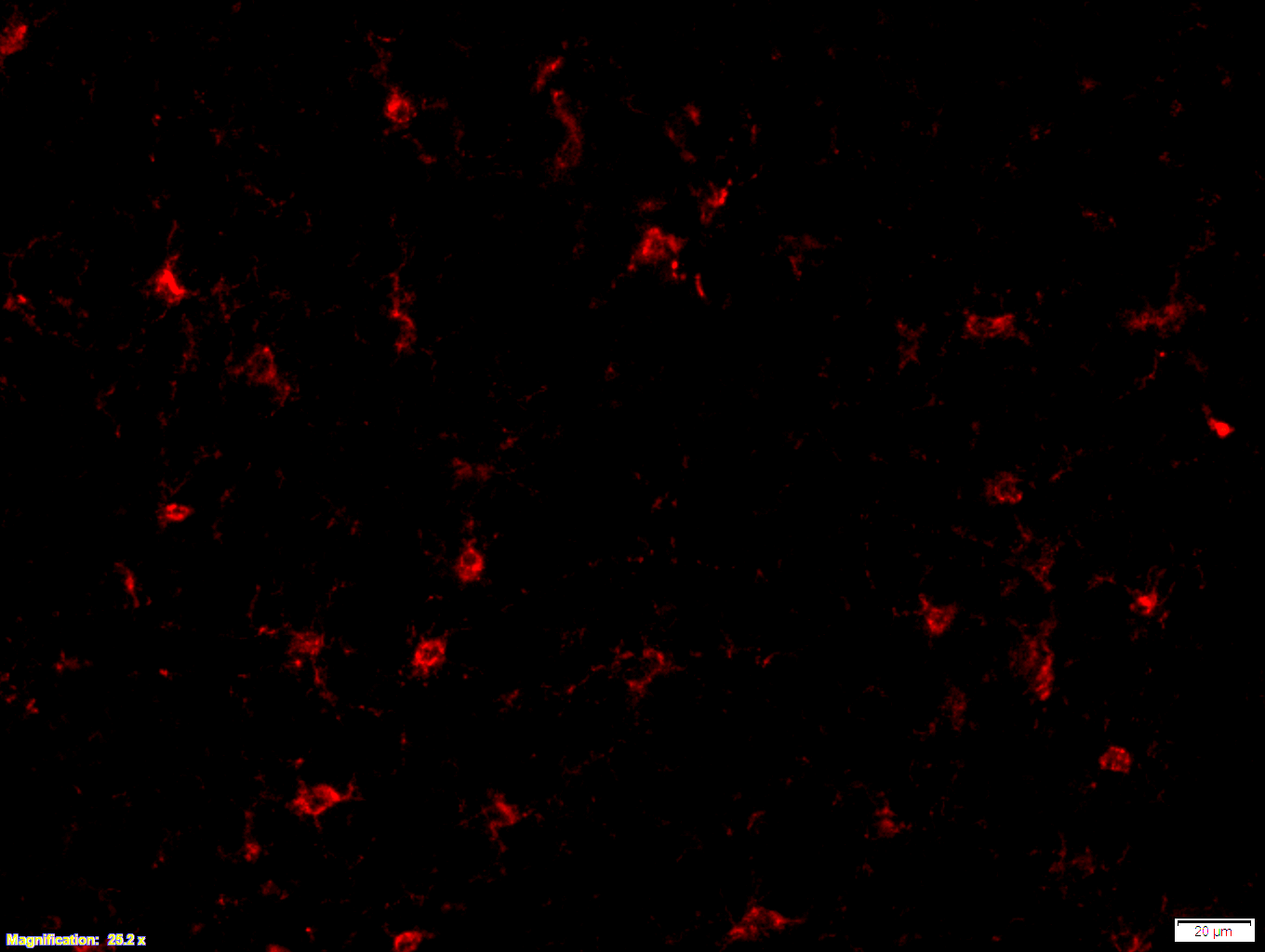
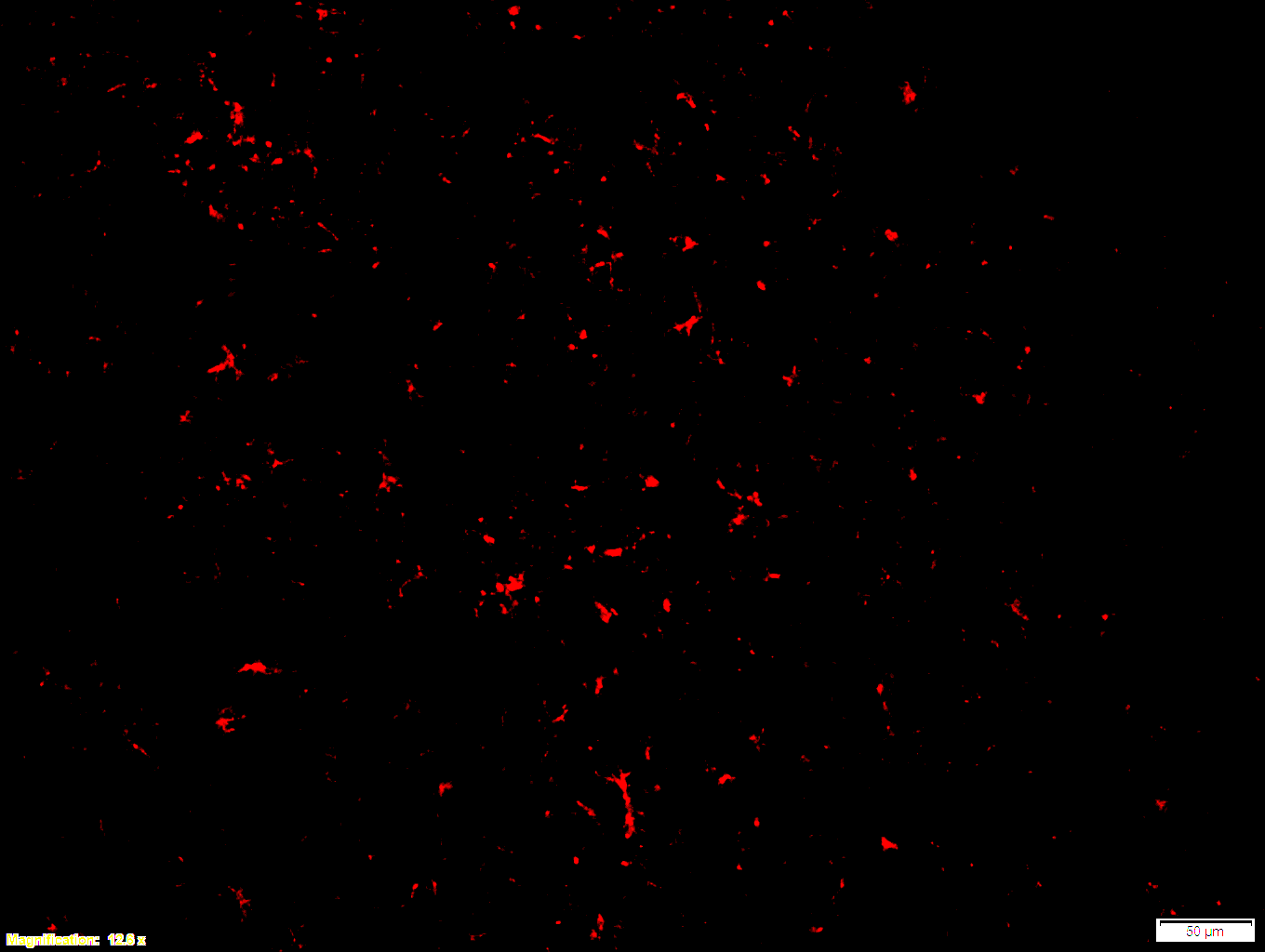
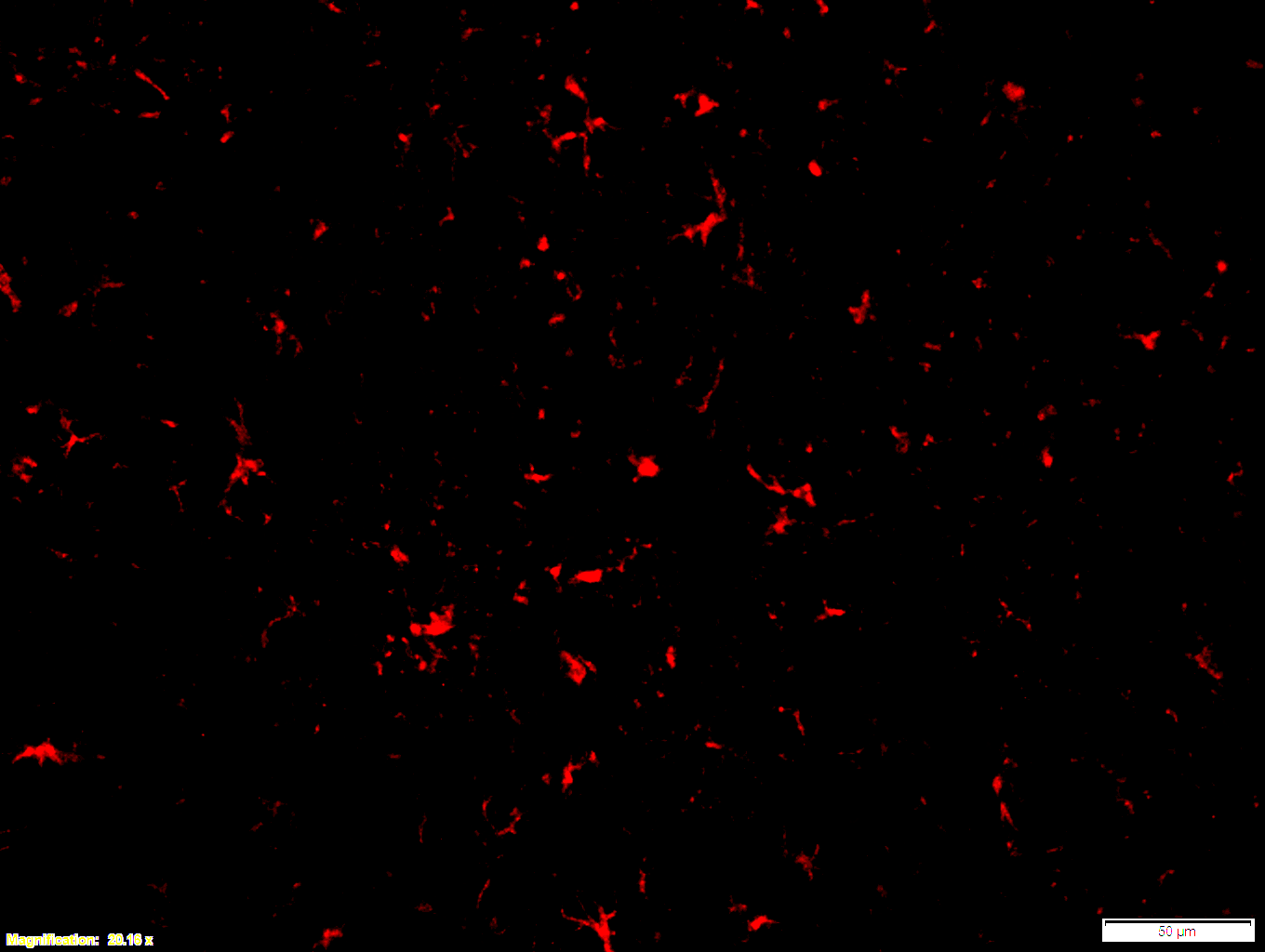
The antibody worked well even though we used fresh frozen brain sections cut at 20 micron thickness thaw-mounted onto microscope slide that were then post-fixed with 4% paraformaldehyde. The antibody worked equally well when used on fixed brains sectioned

Excellent, submitted by on

Boster bio Iba1 1:100 PFA (3-4) - cortex 12x - with scale bar

Boster bio Iba1 1:100 PFA (3-4) - cortex 25x - with scale bar

SKU A01394
Application Immunofluorescence
Sample Mouse brain
Primary Antibody Dilution 1:100

Images that were made from fresh frozen cryostat sections, were thaw-mounted onto microscope slides. Mounted sections were later post-fixed with 300 µL of 4% paraformaldehyde (PFA) in PBS at room temperature for 10 minutes. After fixation and prior to incubation with antibodies, slides were washed 3 times with 300 µL of 1X PBS with 0.01% sodium azide for 3 minutes per rinse, followed by permeabilization with 300 µL of 0.3% Triton X-100 in 1X PBS with 0.01% sodium azide for 30 minutes at room temperature, then blocking with 700 µL of 4% donkey serum diluted in 1X PBS with 0.01% sodium azide + Triton X-100 (blocking buffer) for 30 minutes at room temperature. Slides were incubated with 325 µL of Iba1 (1:100). Concentrations of 1:100 were achieved by diluting 10 µL of antibody in 1,000 µL of blocking buffer; concentrations of 1:250 were achieved by diluting 4 µL of antibody in 1,000 µL of blocking buffer. Sections were incubated overnight at 4 ˚C. On the next day, slides were washed 3 times with 300 µL of 1X PBS with 0.01% sodium azide for 3 minutes per rinse, then incubated with the secondary antibodies at room temperature, in the dark, for 1 hour. Washing step was repeated then slides were left in the dark to dry. Mounting media was added to cover slip the sections. Slides were kept in the dark at 4 ˚C prior to imaging.

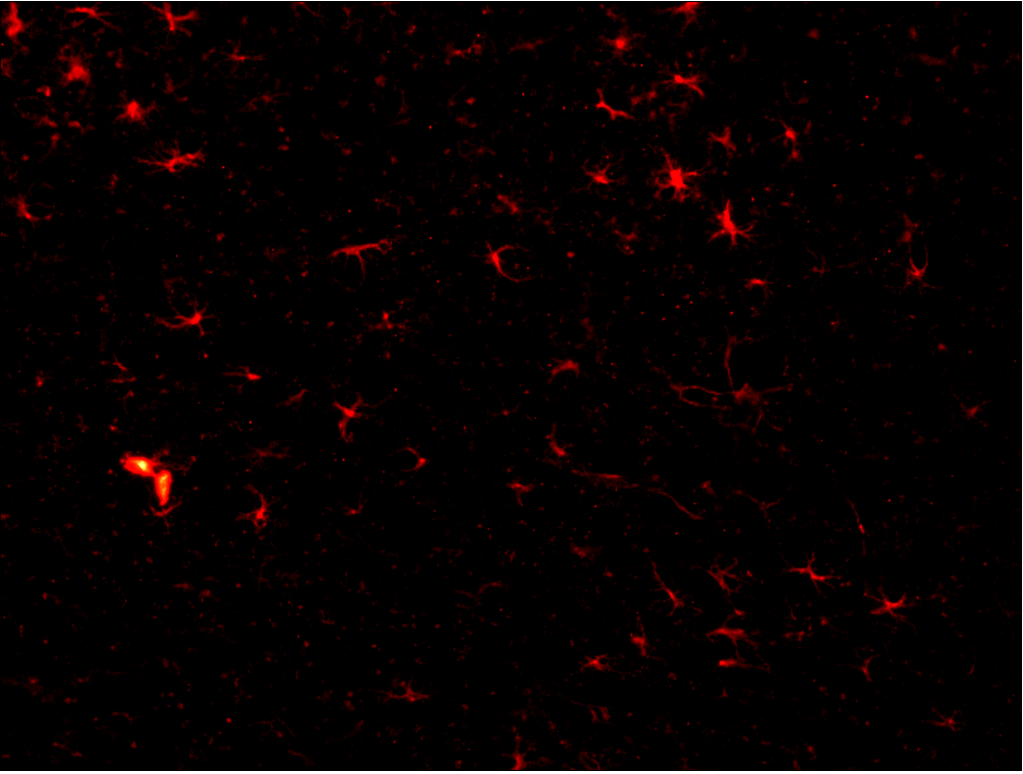
The antibody worked well even though we used fresh frozen brain sections cut at 20 micron thickness thaw-mounted onto microscope slide that were then post-fixed with 4% paraformaldehyde. The antibody worked equally well when used on fixed brains sectioned

Excellent, submitted by on

Boster bio GFAP 1:100 PFA (7-2) - cortex 12x - with scale bar


Boster bio GFAP 1:100 PFA (7-2) - cortex 20x - with scale bar


Boster bio GFAP 1:250 12x (free-floating)

SKU PB9082
Application Immunofluorescence
Sample Mouse brain
Primary Antibody Dilution 1:100

Images that were made from fresh frozen cryostat sections, were thaw-mounted onto microscope slides. Mounted sections were later post-fixed with 300 µL of 4% paraformaldehyde (PFA) in PBS at room temperature for 10 minutes. After fixation and prior to incubation with antibodies, slides were washed 3 times with 300 µL of 1X PBS with 0.01% sodium azide for 3 minutes per rinse, followed by permeabilization with 300 µL of 0.3% Triton X-100 in 1X PBS with 0.01% sodium azide for 30 minutes at room temperature, then blocking with 700 µL of 4% donkey serum diluted in 1X PBS with 0.01% sodium azide + Triton X-100 (blocking buffer) for 30 minutes at room temperature. Slides were incubated with 325 µL of GFAP (1:100). Concentrations of 1:100 were achieved by diluting 10 µL of antibody in 1,000 µL of blocking buffer; concentrations of 1:250 were achieved by diluting 4 µL of antibody in 1,000 µL of blocking buffer. Sections were incubated overnight at 4 ˚C. On the next day, slides were washed 3 times with 300 µL of 1X PBS with 0.01% sodium azide for 3 minutes per rinse, then incubated with the secondary antibodies at room temperature, in the dark, for 1 hour. Washing step was repeated then slides were left in the dark to dry. Mounting media was added to cover slip the sections. Slides were kept in the dark at 4 ˚C prior to imaging.

Immunohistochemistry was also performed with free-floating sections, which were exposed to the same primary antibodies diluted (1:250) in blocking buffer overnight and, subsequently, exposed to secondary antibodies diluted in blocking buffer for 1 hour, following the same procedure as the mounted sections. After incubation, sections were washed 3 times with 300 µL of 1X PBS with 0.01% sodium azide for 3 minutes per rinse and transferred with a painting brush to a container filled with 1X PBS with 0.01% sodium azide, from which they were mounted onto slides. Slides were left to dry in the dark, after which mounting media was added to cover slip the sections. As with slide-mounted sections, these slides were kept in the dark at 4 ˚C prior to imaging.

"Very happy with this product"

Excellent, submitted by on

Source: Customer Feedback Submission

"Very happy with this product"

--Ailin Lepletier de Oliveira

SKU A00421-3
Application IHC
Sample Mouse spleen and lung

"Very happy with this product. We were using an IL-17A from Abcam but found very high endogenous non-specific staining. This product was a much better stain in comparison. We used this antibody (1:200) on the Leica BOND Rxm autostainer, blocked with Sniper/1% BSA and it worked beautifully."

Anti-Smoothened/SMO Antibody for Flow Cytometry

--Yair Fisher, GliXogen Therapeutics, CSO

Excellent, submitted by on

Source: Customer Feedback Submission

SKU A00451-1
Application Flow Cytometry
Sample C3H10T1/2 mouse cell line

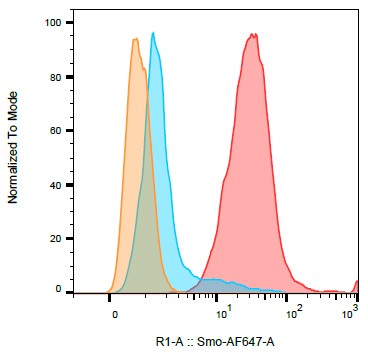
"Overlay histogram showing C3H10T1/2 cells stained with A00451-1 (red line). The cells were blocked with 5% normal goat serum, then incubated with rabbit anti-Smoothened/SMO Antibody (A00451-1, 1:50, 2 μg/0.5x10^6 cells) for 30 min at RT. Alexa Fluor® 647 AffiniPure F(ab')₂ Fragment Goat Anti-Rabbit IgG (H+L) (1:250) was used as a secondary antibody for 30 minutes at RT. Isotype control antibody (blue line) used under the same conditions. Unlabelled sample (yellow line) was also used as a control."

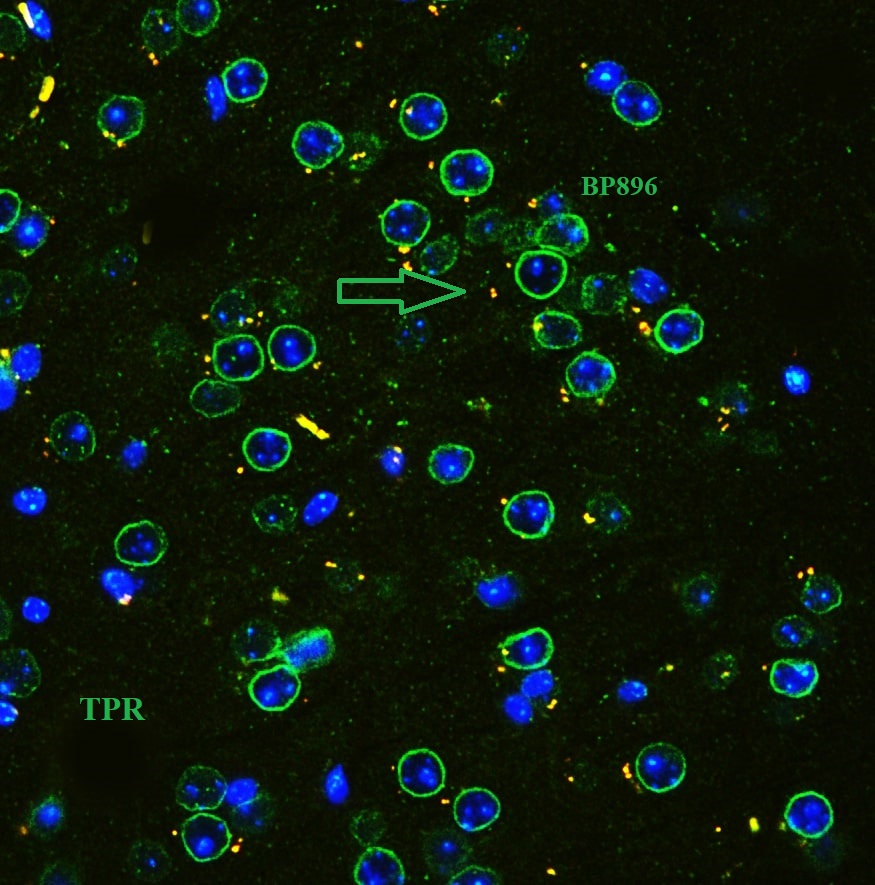
Immunohistochemistry for Anti-TPR Antibody

Excellent, submitted by on
SKU A00695-1
Application Immunohistochemistry (paraffin-embedded)
Blocking step 5% BSA as a blocking agent for 30 min at 37°C
Sample Mouse Brain
Fixative Fixed with 4% paraformaldehyde
Primary Ab Incubation 37 °C for 30 minutes
Primary Ab Incubation diluent 5% BSA in TBS
Primary Ab Concentration 2 ug/ml
Secondary Antibody SABC kit from Boster Bio, (SA1022)
Secondary Ab Dilution The kit was ready to use, no dilution needed
Secondary Ab Incubation at 37°C for 30 min