Customer Testimonials

Peer Reviews from Real Labs

Browse peer-submitted results linked to specific products—ratings, images, and practical notes included. Contribute your own result to strengthen the evidence base and claim rewards after verification.

Video Interviews

See real workflows and decision points—what researchers tried, what worked, and why. Share your story in a short interview and claim rewards!

Get Interview Rewards

Filter by category, reactivity, and host to find the most relevant peer results.

The SLC40A1 antibody was used to detect the expression of the target protein in human uterine tissue. Although two bands were observed, the differences in expression levels were still clearly discernible.

Excellent, submitted by on
SKU A01953-2
Application Western Blot
Sample human uterine tissue
Sample Processing Description The tissue was minced and further disrupted by sonication, then lysed on ice for 1 hour using RIPA buffer. After centrifugation, the supernatant was collected and quantified using the BCA method. The appropriate amount of loading buffer was added, and the samples were boiled in a water bath to denature the proteins. Finally, 15 μL of each protein sample was loaded into each lane of the SDS-PAGE gel.
Other Reagents 5% Non-fat milk
Primary Antibody Anti-SLC40A1 Antibody Picoband®
Primary Incubation overnight at 4 ℃
Secondary Antibody HRP-conjugated Anti-Rabbit IgG Secondary Antibody
Secondary Incubation 1 hour in room temperature
Detection Substrate: Ultra-sensitive ECL luminescent reagent (Cat# AR1191), Imaging system:Tanon
Results Summary The SLC40A1 antibody was used to detect the expression of the target protein in human uterine tissue. Although two bands were detected, the differences in expression levels were still clearly observable and did not affect the analysis of the experimental results.

The SLC7A11 antibody was used to detect the expression of the target protein in human uterine tissue. Although two bands were observed in the experiment, this did not affect the interpretation of the results.

Excellent, submitted by on
SKU A03036-2
Application Western Blot
Sample human uterine tissue
Sample Processing Description The tissue was minced and further disrupted by sonication, then lysed on ice for 1 hour using RIPA buffer. After centrifugation, the supernatant was collected and quantified using the BCA method. The appropriate amount of loading buffer was added, and the samples were boiled in a water bath to denature the proteins. Finally, 15 μL of each protein sample was loaded into each lane of the SDS-PAGE gel.
Other Reagents 5% Non-fat milk
Primary Antibody Anti-xCT/SLC7A11 Antibody Picoband®
Primary Incubation 1:1000, overnight at 4 ℃
Secondary Antibody HRP-conjugated Anti-Rabbit IgG Secondary Antibody
Secondary Incubation 1 hour in room temperature
Detection Substrate: Ultra-sensitive ECL luminescent reagent (Cat# AR1191), Imaging system:Tanon
Results Summary The SLC7A11 antibody was used to detect the expression of the target protein in human uterine tissue. Although two bands were observed in the experiment, this did not affect the interpretation of the results.

This antibody is suitable for detecting PTEN protein in mouse hippocampus by Western blot, showing clear, distinct, and highly specific bands.

Excellent, submitted by on
SKU M00006-1
Application Western Blot
Sample Mouse hippocampus tissue
Sample Processing Description The mouse hippocampus was lysed with RIPA buffer containing a protease inhibitor cocktail. After protein quantification, samples were mixed with 5× protein loading buffer and heated for 10 minutes to denature. Load 5 μL of protein per lane and apply to SDS-PAGE.
Other Reagents 5% Non-fat milk
Primary Antibody Anti-PTEN Rabbit Monoclonal Antibody
Primary Incubation overnight at 4 ℃
Secondary Antibody HRP-conjugated Anti-Rabbit IgG Secondary Antibody
Secondary Incubation 1 hour in room temperature
Detection Substrate: Ultra-sensitive ECL luminescent reagent, Imaging system:ChemiDoc MP
Results Summary This antibody is suitable for detecting PTEN protein in mouse hippocampus by Western blot, showing clear, distinct, and highly specific bands.

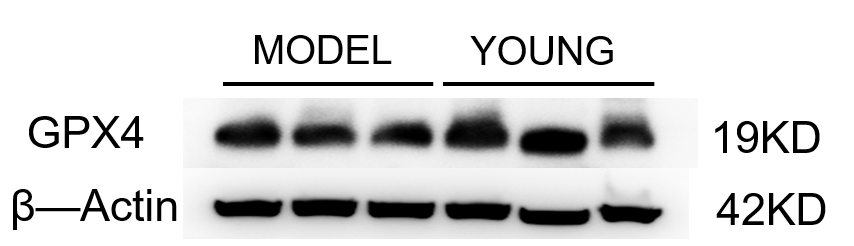
The GPX4 antibody was used to detect the expression of the protein in mouse uterine tissue. The WB results showed clear bands, and the antibody could be reused after recovery with good performance, offering excellent cost-effectiveness.

Excellent, submitted by on
SKU M02059
Application Western Blot
Sample Mouse Uterus tissue
Sample Processing Description The GPX4 antibody was used to detect the expression of the protein in mouse uterine tissue. The Western blot results showed clear bands, and the antibody retained good performance after reuse, offering excellent cost-effectiveness.
Primary Antibody Anti-GPX4 Rabbit Monoclonal Antibody
Primary Incubation overnight at 4 ℃
Secondary Antibody HRP-conjugated Anti-Rabbit IgG Secondary Antibody
Secondary Incubation 1 hour in room temperature
Detection Substrate: Ultra-sensitive ECL luminescent reagent (Cat# AR1191), Imaging system:Tanon
The GPX4 antibody was used to detect the protein expression in mouse uterine tissue. The Western blot results showed clear bands, and the antibody maintained good performance after reuse, providing excellent cost-effectiveness.

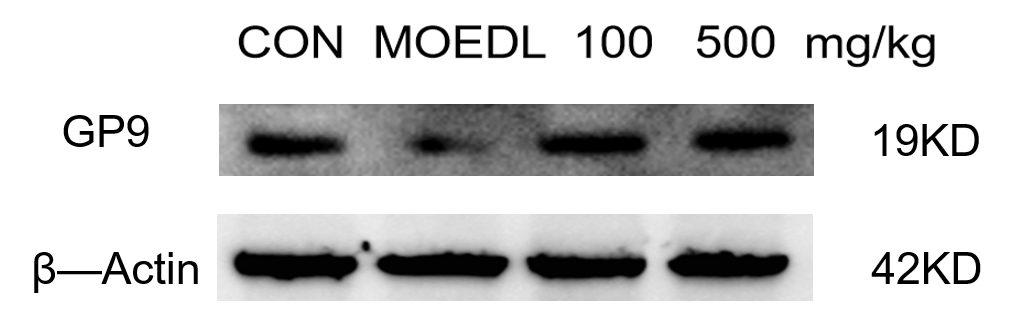
Western blot analysis was performed using the GP9 antibody to detect GP9 protein expression in the mouse hippocampus. This antibody is highly efficient and specific, making it suitable for quantitative WB detection of GP9 in mouse tissues.

Excellent, submitted by on
SKU M00024-1
Application Western Blot
Sample Mouse hippocampus tissue
Sample Processing Description The mouse hippocampus was lysed with RIPA buffer containing a protease inhibitor cocktail. After protein quantification, samples were mixed with 5× protein loading buffer and heated for 10 minutes to denature. Load 5 μL of protein per lane and apply to SDS-PAGE.
Primary Antibody Anti-AKT1 Monoclonal Antibody
Primary Incubation overnight at 4 ℃
Secondary Antibody HRP-conjugated Anti-Rabbit IgG Secondary Antibody
Secondary Incubation 1 hour in room temperature
Detection Substrate: Ultra-sensitive ECL luminescent reagent (Cat# AR1191), Imaging system:Tanon
Results Summary CD71 antibody was used to detect protein expression in mouse uterine tissue. The bands were clear and free of non-specific signals. After recovery, the antibody could be reused and still showed good performance.

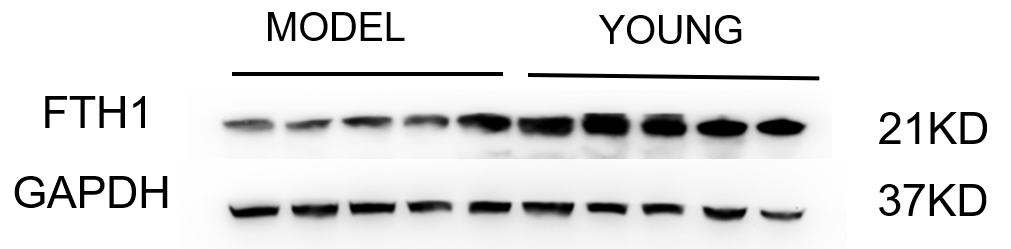
The FTH1 antibody was used to detect the expression of the target protein in human uterine tissue. The WB bands were single and clear, and compared with other domestic and international brands, this antibody offers excellent cost-performance.

Excellent, submitted by on
SKU M02401
Application Western Blot
Sample Mouse hippocampus tissue
Sample Processing Description The tissue was minced and sonicated, then lysed on ice for 1 hour using RIPA buffer. After centrifugation to collect the supernatant and protein quantification by BCA, samples were mixed with loading buffer at the appropriate ratio and denatured by boiling in a water bath. Fifteen microliters of each protein sample were loaded per lane onto SDS-PAGE gel.
Primary Antibody Anti-Ferritin FTH1 Rabbit Monoclonal Antibody
Primary Incubation overnight at 4 ℃
Secondary Antibody HRP-conjugated Anti-Rabbit IgG Secondary Antibody
Secondary Incubation 1 hour in room temperature
Detection Substrate: Ultra-sensitive ECL luminescent reagent (Cat# AR1191), Imaging system:Tanon
Results Summary The FTH1 antibody was used to detect the expression of the target protein in human uterine tissue. The WB bands were single and clear, and compared with other domestic and international brands, this antibody offers excellent cost-performance.

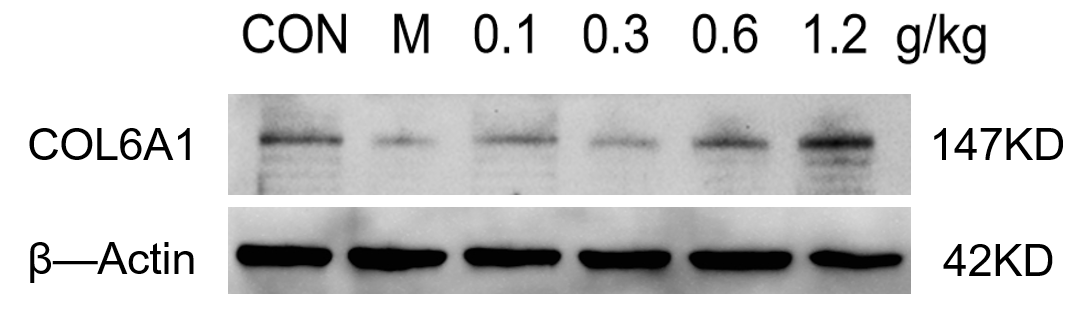
Western blot analysis was performed using the COL6A1 antibody to detect COL6A1 protein expression in the mouse hippocampus.

Excellent, submitted by on
SKU M02226
Application Western Blot
Sample Mouse hippocampus tissue
Sample Processing Description The mouse hippocampus was lysed in RIPA buffer supplemented with a protease inhibitor cocktail. After protein quantification, samples were mixed with 5× protein loading buffer and denatured by heating at 100°C for 10 minutes. Five microliters of each protein sample were loaded per lane onto SDS-PAGE.
Primary Antibody Anti-Collagen VI COL6A1 Rabbit Monoclonal Antibody
Primary Incubation overnight at 4 ℃
Secondary Antibody HRP-conjugated Anti-Rabbit IgG Secondary Antibody
Secondary Incubation 1 hour in room temperature
Detection Substrate: Ultra-sensitive ECL luminescent reagent (Cat# AR1191), Imaging system:ChemiDoc MP
Results Summary Western blot analysis was performed using the COL6A1 antibody to detect COL6A1 protein expression in the mouse hippocampus. Although minor non-specific bands were observed, they did not affect the trend analysis, indicating that the antibody is suitable for detecting the target protein in this tissue.

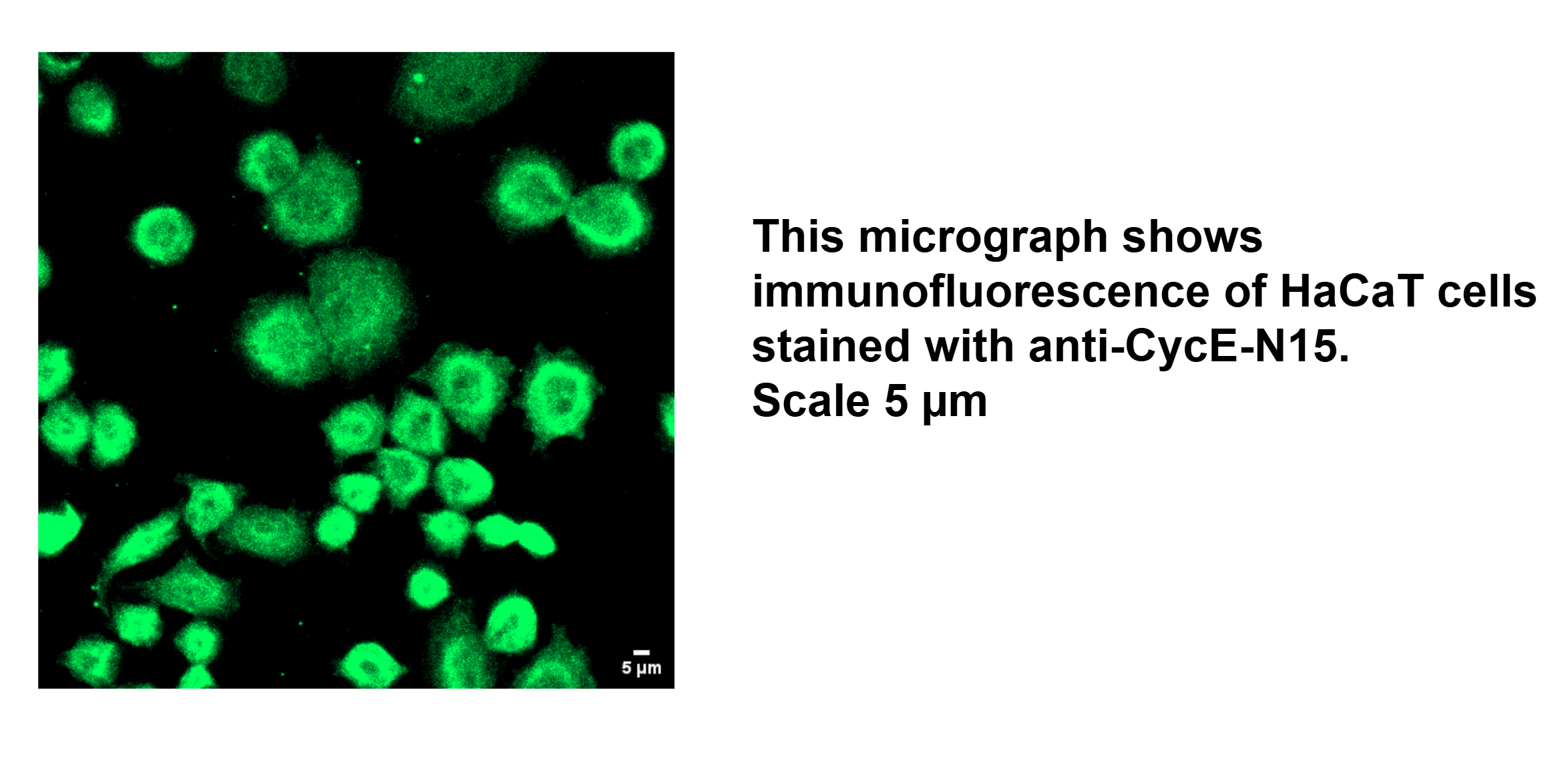
A strong nuclear signal for Cyclin E was observed in proliferating cells by IF. Results were reproducible and matched the expected patterns.

Excellent, submitted by on
SKU DZ41310
Application Immunofluorescence
Sample Human HaCaT cell
Sample Processing Description Cells were fixed in 4% paraformaldehyde for 15 minutes at room temperature, permeabilized with 0.1% Triton X-100 for 10 minutes and blocked in 1% BSA for 1 hour before incubation with the primary antibody.
Primary Antibody Human CCNE1 Antibody
Primary Incubation 1:100-1:200, overnight at 4 ℃
Secondary Antibody Goat anti-rabbit IgG conjugated to Alexa Fluor 488
Secondary Incubation 1:1000, 1-2 hours in room temperature
Other Reagents used PBS, 0.1% Triton X-100, 1% BSA, DAPI for nuclear counterstaining
Detection Fluorescence microscopy using AlexaFluor488 (excitation 488 nm, emission 519 nm) using Zeiss LSM 900 Confocal Microscope with Airyscan 2
Results Summary The CyclinE-N15 antibody (DZ41310) worked fine in IF application using human cell lines. In IF, the nuclear localization of Cyclin E matched the known expression pattern. A fluorescent secondary antibody (Alexa Fluor 488) was used for detection and gave clear signal. Overall, a reliable antibody for D15 transcript Cyclin E detection in human cell systems.

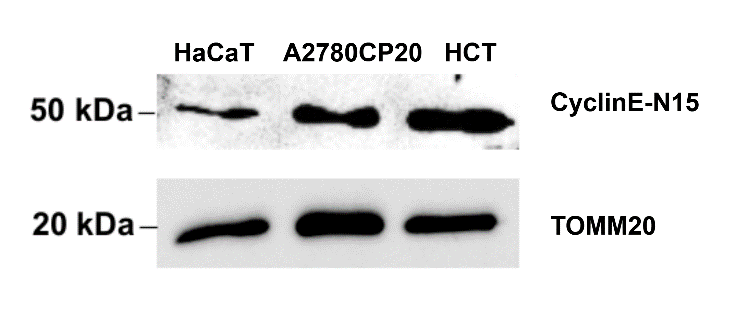
Using freshly prepared blocking buffer helped reduce background. Results were reproducible and matched the expected patterns.

Excellent, submitted by on
SKU DZ41310
Application Western Blot
Sample Human HaCaT cell, Human A2780 cell, Human HCT cell
Sample Processing Description Dissection, Homogenization, Sample boiling in 1X Lamelli, SDS-PAGE, Standard Western Blotting
Primary Antibody Human CCNE1 Antibody
Primary Incubation 1:1000, overnight at 4 ℃
Secondary Antibody Anti-rabbit/mouse IgG horseradish peroxidase-conjugated
Secondary Incubation 1:10000, 1-2 hours in room temperature
Detection Biorad Chemidoc
Results Summary Using freshly prepared blocking buffer helped reduce background. Results were reproducible and matched the expected patterns.

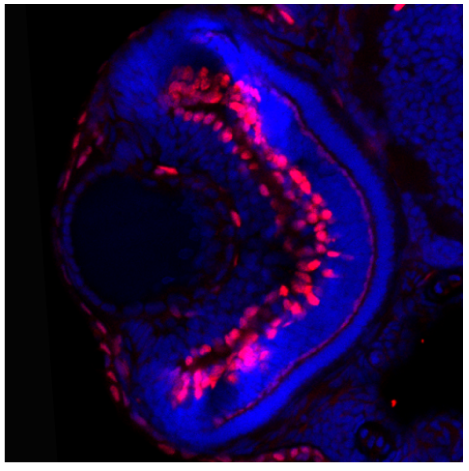
Was able to detect tfap2a expression in the retinal ganglion cells and anterior segment at 3dpf.

Excellent, submitted by on
SKU DZ41119
Application Immunofluorescence
Sample Zebrafish retinal cryo-section
Sample Processing Description Embryos fixed in 4% PFA for 4h. Embryos washed in PBST and 30% then 50% sucrose. Embedded in OCT and cryo-sectioned at 20nm
Primary Antibody Zebrafish Tfap2a Antibody
Primary Incubation 1:100, overnight at 4 ℃
Detection Used a Nikon C2+ confocal microscope
Results Summary Was able to detect tfap2a expression in the retinal ganglion cells and anterior segment at 3dpf.