Customer Testimonials

Peer Reviews from Real Labs

Browse peer-submitted results linked to specific products—ratings, images, and practical notes included. Contribute your own result to strengthen the evidence base and claim rewards after verification.

Video Interviews

See real workflows and decision points—what researchers tried, what worked, and why. Share your story in a short interview and claim rewards!

Get Interview Rewards

Filter by category, reactivity, and host to find the most relevant peer results.

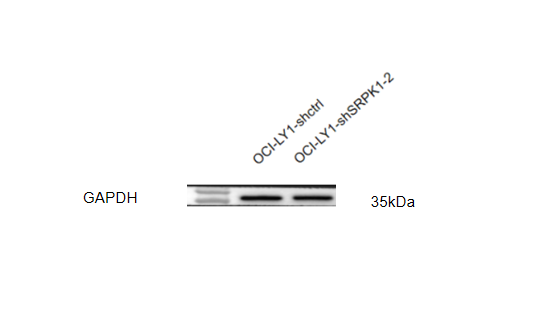
Western blot of OCI-LY1 cells treated with SPHINX31 showed stable GAPDH expression with clear bands and clean background, demonstrating high specificity of A00227-1.

Excellent, submitted by on
SKU A00227-1
Application Western Blot
Sample human OCI-LY1 cellls
Sample Processing Description Cell samples were lysed by sonication in RIPA buffer containing protease and phosphatase inhibitors, followed by centrifugation for 10 minutes. The supernatant was mixed with loading buffer at a 4:1 ratio, boiled for 10 minutes, and 15 μL of protein was loaded per well.
Other Reagents 5% non-fat milk
Primary Antibody GAPDH Antibody Picoband®
Primary Incubation 1:5000, overnight at 4 ℃
Secondary Antibody HRP Conjugated AffiniPure Goat Anti-Rabbit IgG (H+L)
Secondary Incubation 1 h in RT
Detection Substrate: ECL substrate, Image system:ChemiDoc MP
Results Summary In OCI-LY1 cells treated with different concentrations of SPHINX31 for 24 h, GAPDH expression remained stable with no significant differences, showing clear bands and a clean background without nonspecific signals.

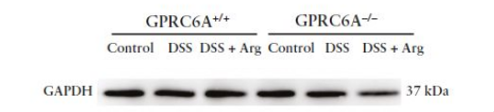
The Anti-GAPDH antibody (A00227-1) demonstrated high sensitivity and clear WB bands in mouse intestinal tissue, offering excellent cost-effectiveness and reliability, and is highly recommended for use.

Excellent, submitted by on
SKU A00227-1
Application Western Blot
Sample mouse intesinal tissue
Sample Processing Description Mouse colon tissue was lysed in RIPA buffer containing a protease inhibitor cocktail. Protein concentration was determined using the Pierce™ BCA Protein Assay Kit, and equal amounts of protein were loaded after boiling denaturation.
Other Reagents 5% non-fat milk
Primary Antibody GAPDH Antibody Picoband®
Primary Incubation 1:1000, overnight at 4 ℃
Secondary Antibody goat anti rabbit secondary antibodies
Secondary Incubation 1:5000, 1 h in RT
Detection Substrate: ECL substrate, Image system:ChemiDoc MP
Results Summary This antibody is highly sensitive, produces clear WB bands, is reusable, offers excellent cost-effectiveness, and demonstrates a clear advantage over similar international products, making it highly recommended for use.

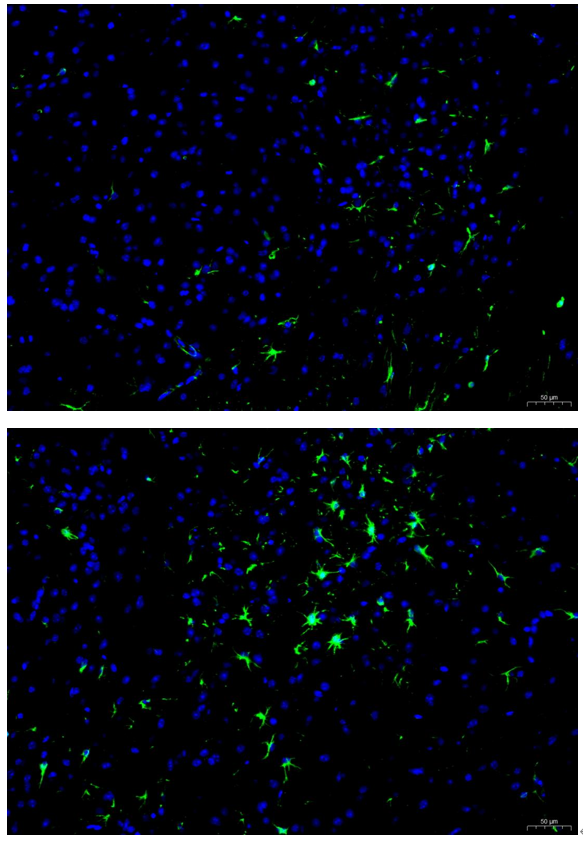
Immunofluorescence using Anti-GFAP antibody (MA1045) clearly labeled protoplasmic astrocytes in the spinal cord gray matter, showing dense, bushy processes surrounding neurons, with excellent specificity and staining.

Excellent, submitted by on
SKU MA1045
Application Immunofluorescence
Sample rat spinal tissue
Sample Processing Description Paraffin-embedded transverse sections of rat spinal cord were prepared after formalin fixation.
Other ReagentsTris-EDTA Antigen Retrieval Buffer (50×, pH 9.0), DAPI
Primary Antibody GFAP Antibody (Monoclonal, G-A-5)
Primary Incubation 1:200, overnight at 4 ℃
Secondary Antibody Goat Anti-Mouse IgG (H+L) Secondary Antibody, Fluoro488 Conjugated
Secondary Incubation 45 minutes in 37℃
Detection Imaging system:Leica DM2500
Results Summary GFAP is a marker of astrocytes. In this experiment, immunostaining for GFAP was used to label astrocytes in the gray matter of the spinal cord to observe their distribution, density, and morphology. The results showed that the labeled protoplasmic astrocytes in the gray matter had short, thick, and highly branched processes with rough surfaces, forming a dense “bushy” network tightly surrounding neuronal cell bodies and synapses, consistent with theoretical expectations and demonstrating excellent staining.

In WB using β-tubulin antibody (Cat# A01857-1), a clear, specific band was observed in OCI-LY8 cells with clean background, showing stable expression after SRPK1 knockdown.

Excellent, submitted by on
SKU A01857-1
Application Western Blot
Sample human OCI-LY1 cells
Sample Processing Description Cell samples were lysed by sonication in RIPA buffer containing protease and phosphatase inhibitors, followed by centrifugation for 10 minutes. The supernatant was mixed with loading buffer at a 4:1 ratio and boiled for 10 minutes. Fifteen microliters of each sample were loaded per well.
Other Reagents 5% Non-fat milk
Primary Antibody Beta Tubulin/TUBB Antibody
Primary Incubation 1:3000, overnight at 4 ℃
Secondary Antibody HRP-conjugated Anti-Rabbit IgG Secondary Antibody
Secondary Incubation 1 hour in room temperature
Detection Substrate: ECL luminescent reagent, Imaging system:ChemiDoc MP
Results Summary The antibody is highly specific and efficient, with a clean background and no nonspecific bands. The target band has clear and well-defined edges.

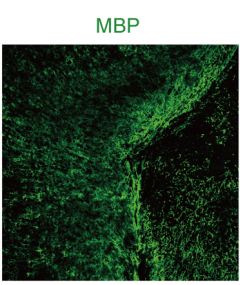
BOSTER’s rabbit anti-MBP antibody (catalog BA0094) exhibits high specificity and low background, enabling sensitive detection of demyelination and myelin regeneration processes, greatly facilitating this study.

Excellent, submitted by on
SKU PA1050
Application Immunofluorenscence
Sample Mouse spinal cord
Sample Processing Description Mouse spinal cord fixed with 2% paraformaldehyde for 6–8 hours, dehydrated in 30% sucrose, embedded in OCT, and sectioned using a cryostat.
Primary Antibody Anti-MBP9 antibody
Primary Incubation 1:100, overnight at 4 ℃
Blocking Agent 3% BSA
Secondary Antibody Anti-rabbit IgG-CY3 conjugated antibody.
Secondary Incubation Incubate at room temperature for 1 hour
Detection Immunofluorescence images were acquired using a confocal laser microscope (Leica SP8, Zeiss LSM 880 Airyscan).
Results Summary BOSTER’s rabbit anti-MBP antibody (catalog BA0094) has high specificity and low background, enabling sensitive detection of demyelination and myelin regeneration processes, greatly facilitating this study.

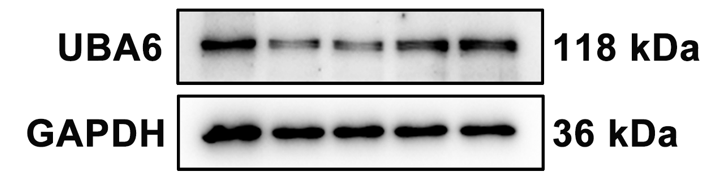
The antibody performs efficiently and specifically, with very few nonspecific bands.

Excellent, submitted by on
WB result image
SKU A03213-2
Application Western Blot
Sample MCF-7 cell
Sample Processing Description Cells were directly lysed in NP-40 buffer, mixed with loading buffer at the appropriate ratio, and denatured by heating at 98 °C. Then, 20 µL of protein sample was loaded per lane onto SDS-PAGE.
Primary Antibody UBA6 Antibody
Primary Incubation 1:1000, overnight at 4 °C
Blocking Agent 5% Non-fat milk
Secondary Antibody HRP-conjugated Goat Anti-Rabbit IgG
Secondary Incubation Incubate at room temperature for 1 hour
Detection Signal was developed using ECL substrate on a Tanon system.
Results Summary The antibody performs efficiently and specifically, with very few nonspecific bands.

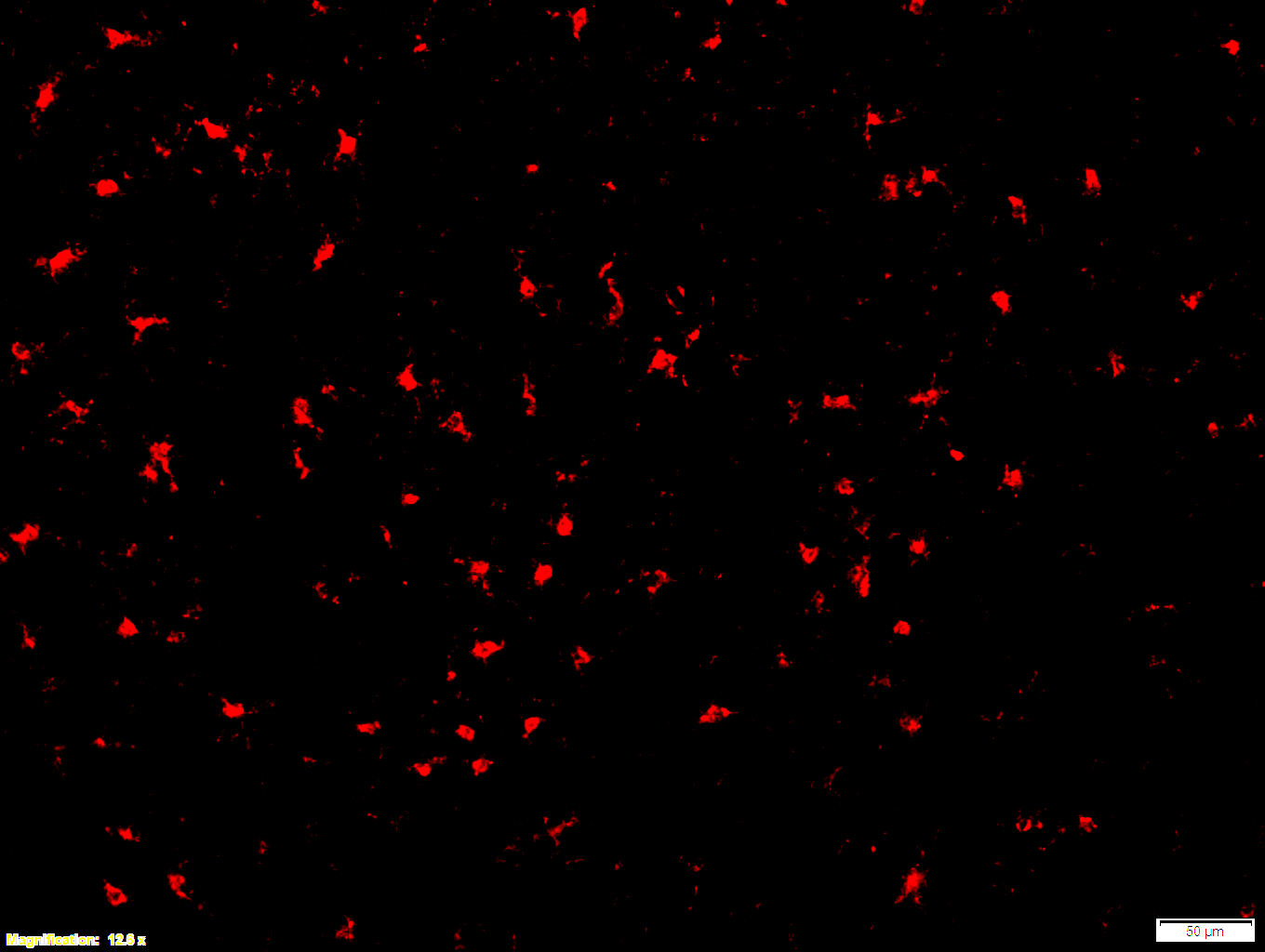
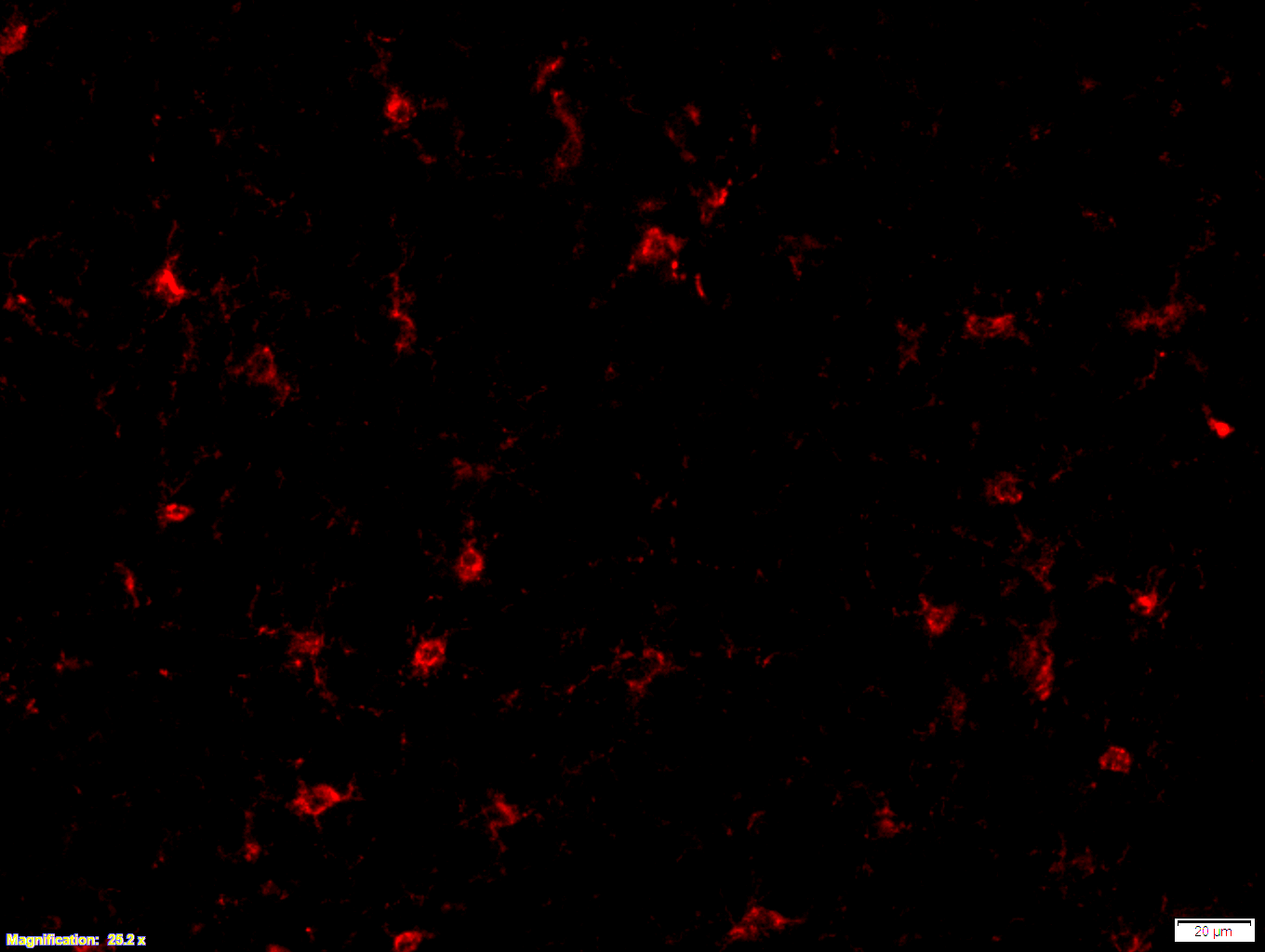
The antibody worked well even though we used fresh frozen brain sections cut at 20 micron thickness thaw-mounted onto microscope slide that were then post-fixed with 4% paraformaldehyde. The antibody worked equally well when used on fixed brains sectioned

Excellent, submitted by on

Boster bio Iba1 1:100 PFA (3-4) - cortex 12x - with scale bar

Boster bio Iba1 1:100 PFA (3-4) - cortex 25x - with scale bar

SKU A01394
Application Immunofluorescence
Sample Mouse brain
Primary Antibody Dilution 1:100

Images that were made from fresh frozen cryostat sections, were thaw-mounted onto microscope slides. Mounted sections were later post-fixed with 300 µL of 4% paraformaldehyde (PFA) in PBS at room temperature for 10 minutes. After fixation and prior to incubation with antibodies, slides were washed 3 times with 300 µL of 1X PBS with 0.01% sodium azide for 3 minutes per rinse, followed by permeabilization with 300 µL of 0.3% Triton X-100 in 1X PBS with 0.01% sodium azide for 30 minutes at room temperature, then blocking with 700 µL of 4% donkey serum diluted in 1X PBS with 0.01% sodium azide + Triton X-100 (blocking buffer) for 30 minutes at room temperature. Slides were incubated with 325 µL of Iba1 (1:100). Concentrations of 1:100 were achieved by diluting 10 µL of antibody in 1,000 µL of blocking buffer; concentrations of 1:250 were achieved by diluting 4 µL of antibody in 1,000 µL of blocking buffer. Sections were incubated overnight at 4 ˚C. On the next day, slides were washed 3 times with 300 µL of 1X PBS with 0.01% sodium azide for 3 minutes per rinse, then incubated with the secondary antibodies at room temperature, in the dark, for 1 hour. Washing step was repeated then slides were left in the dark to dry. Mounting media was added to cover slip the sections. Slides were kept in the dark at 4 ˚C prior to imaging.


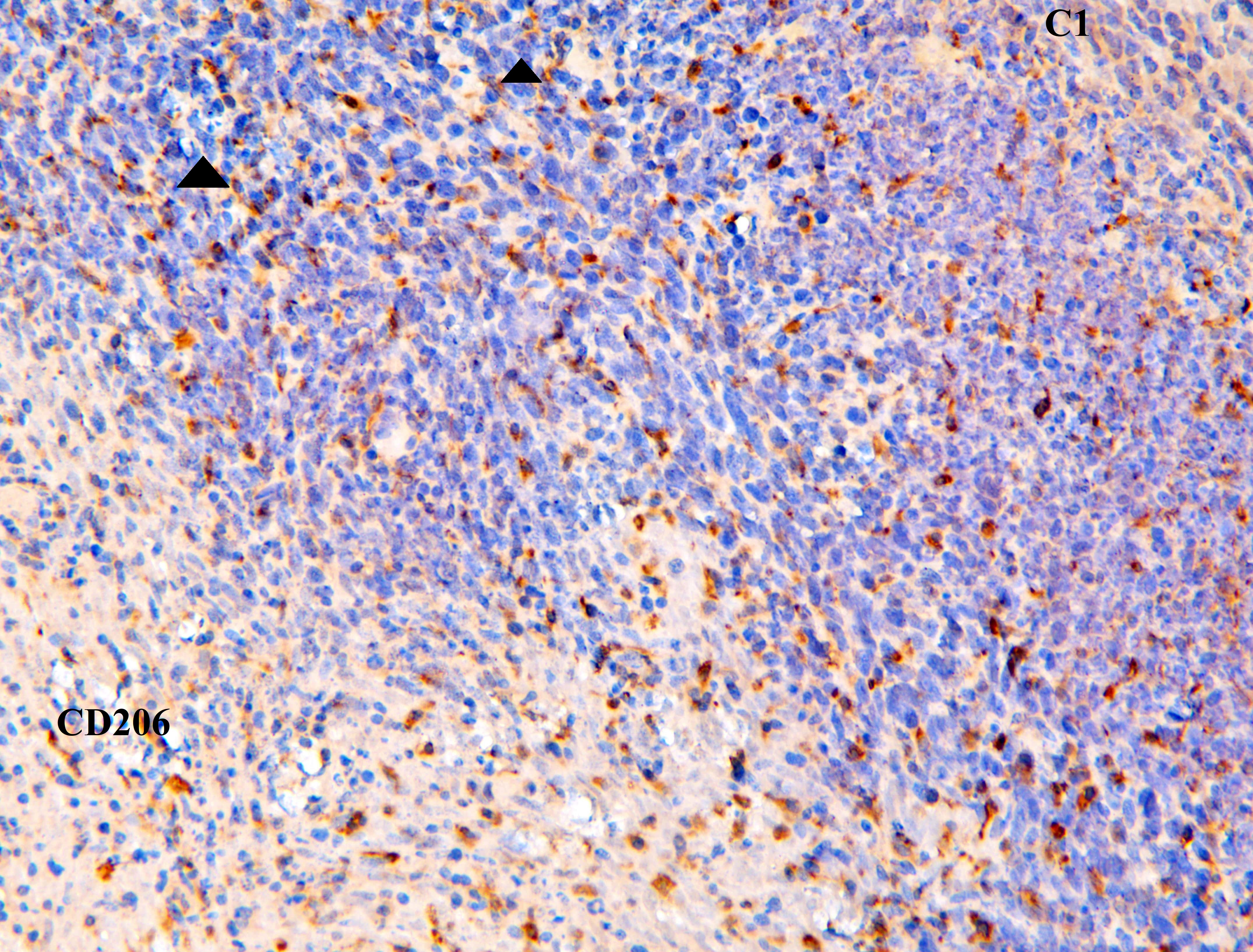
Immunohistochemistry for Anti-Mannose Receptor/MRC1

Excellent, submitted by on
SKU A02285-2
Application Immunohistochemistry (paraffin-embedded)
Blocking step 5% BSA as a blocking agent for 30 min at 37°C
Sample Mouse skin
Fixative Fixed with 4% paraformaldehyde
Primary Ab Incubation 37°C for 30 minutes
Primary Ab Incubation diluent 5% BSA in TBS
Primary Ab Concentration 1ug/ml
Secondary Antibody SABC kit from Boster Bio, (SA1022)
Secondary Ab Dilution The kit was ready to use, no dilution needed
Secondary Ab Incubation at 37°C for 30 min