This website uses cookies to ensure you get the best experience on our website.


- Table of Contents
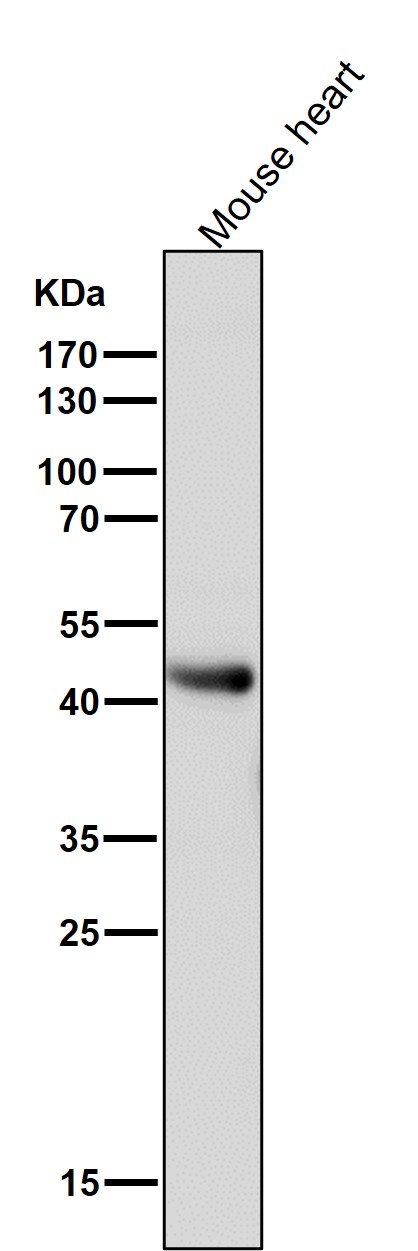
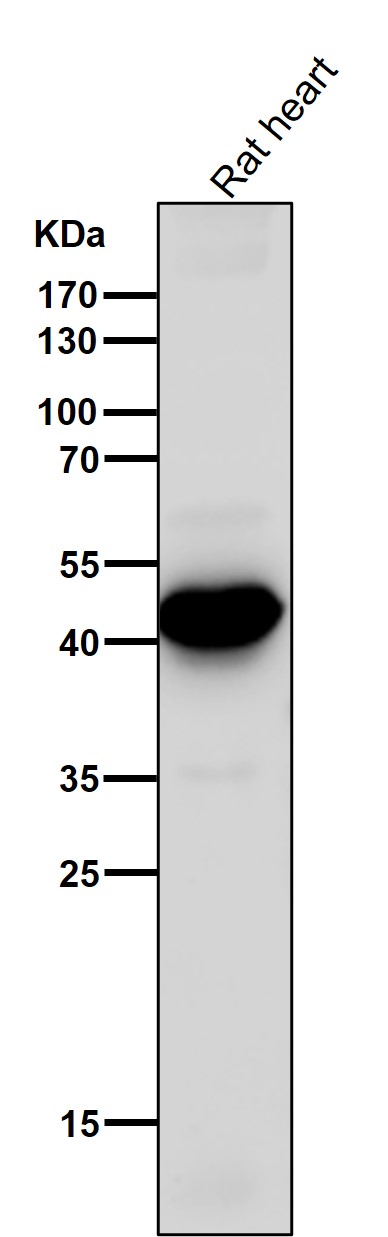
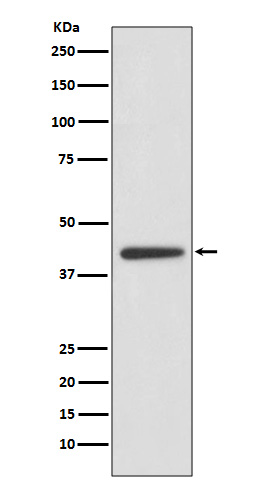
Designing a Western blot for ADIPOR1? The guide has the expected band size, antibodies backed by real blot images, the controls to run alongside, and protocols taken from published papers.
Open the ADIPOR1 Western Blot Guide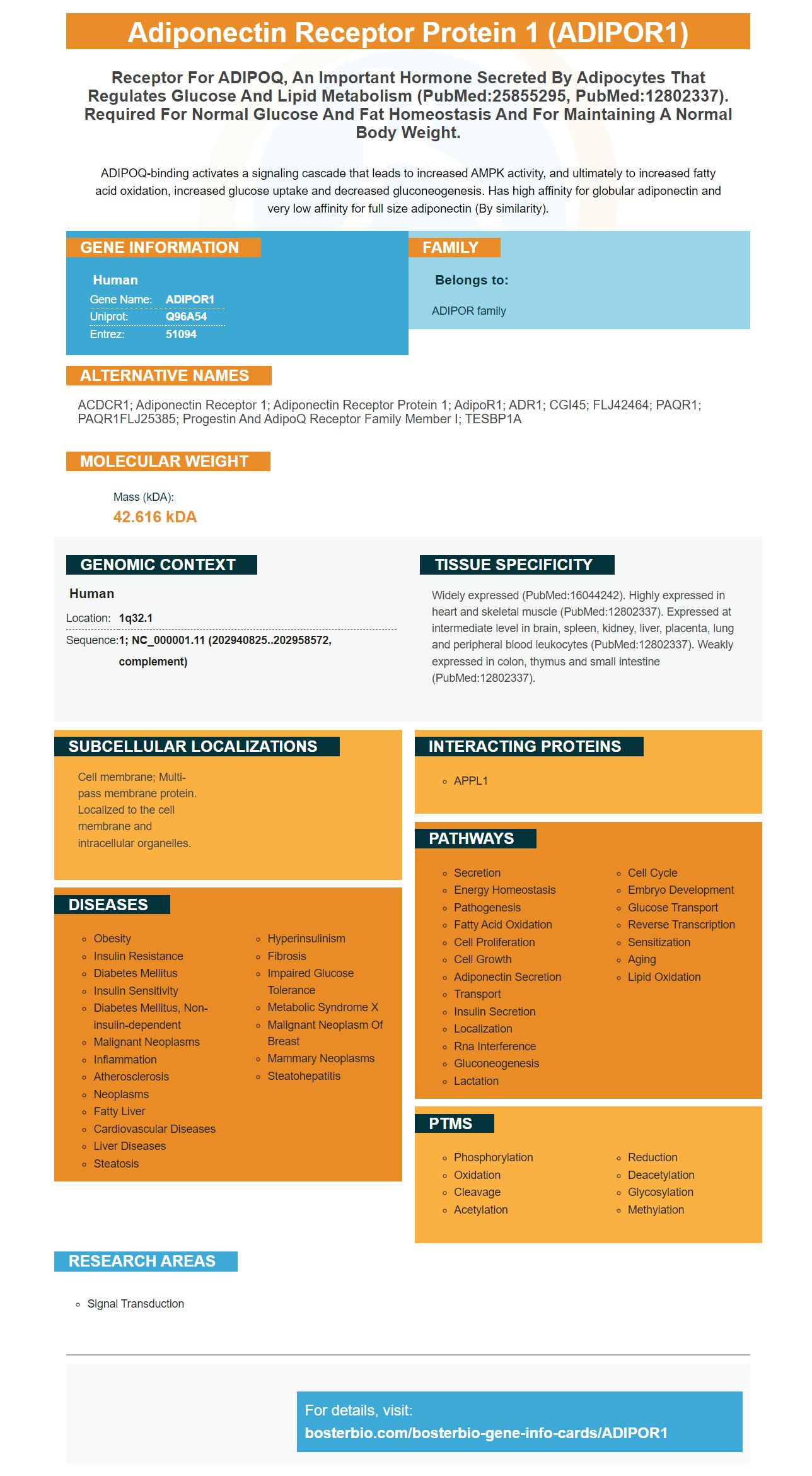


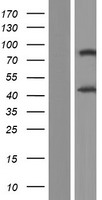
Facts about Adiponectin receptor protein 1.
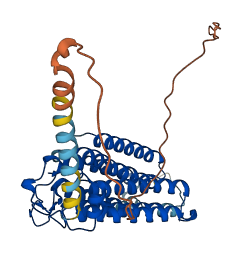
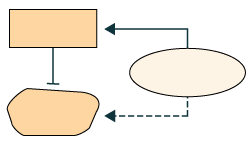
ADIPOQ-binding activates a signaling cascade that leads to increased AMPK activity, and ultimately to increased fatty acid oxidation, increased glucose uptake and decreased gluconeogenesis. Has high affinity for globular adiponectin and very low affinity for full size adiponectin (By similarity).
| Human | |
|---|---|
| Gene Name: | ADIPOR1 |
| Uniprot: | Q96A54 |
| Entrez: | 51094 |
| Belongs to: |
|---|
| ADIPOR family |

ACDCR1; adiponectin receptor 1; adiponectin receptor protein 1; AdipoR1; ADR1; CGI45; FLJ42464; PAQR1; PAQR1FLJ25385; Progestin and adipoQ receptor family member I; TESBP1A
Mass (kDA):
42.616 kDA

| Human | |
|---|---|
| Location: | 1q32.1 |
| Sequence: | 1; NC_000001.11 (202940825..202958572, complement) |
Widely expressed (PubMed:16044242). Highly expressed in heart and skeletal muscle (PubMed:12802337). Expressed at intermediate level in brain, spleen, kidney, liver, placenta, lung and peripheral blood leukocytes (PubMed:12802337). Weakly expressed in colon, thymus and small intestine (PubMed:12802337).
Cell membrane; Multi-pass membrane protein. Localized to the cell membrane and intracellular organelles.





PMID: 16044242 by Tang Y.T., et al. PAQR proteins: a novel membrane receptor family defined by an ancient 7-transmembrane pass motif.
PMID: 12802337 by Yamauchi T., et al. Cloning of adiponectin receptors that mediate antidiabetic metabolic effects.
*More publications can be found for each product on its corresponding product page