This website uses cookies to ensure you get the best experience on our website.


- Table of Contents
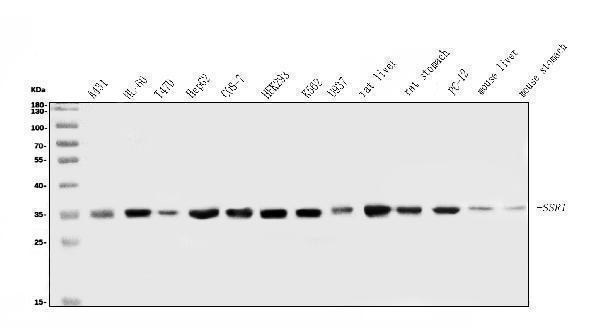
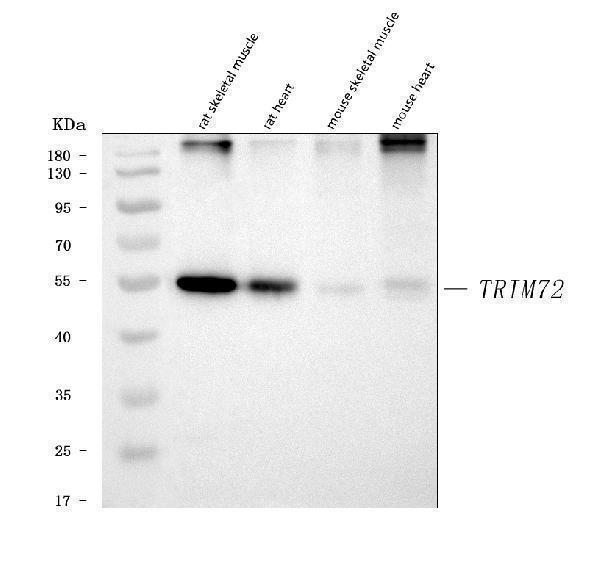
Designing a Western blot for AKR7A2? The guide has the expected band size, antibodies backed by real blot images, the controls to run alongside, and protocols taken from published papers.
Open the AKR7A2 Western Blot Guide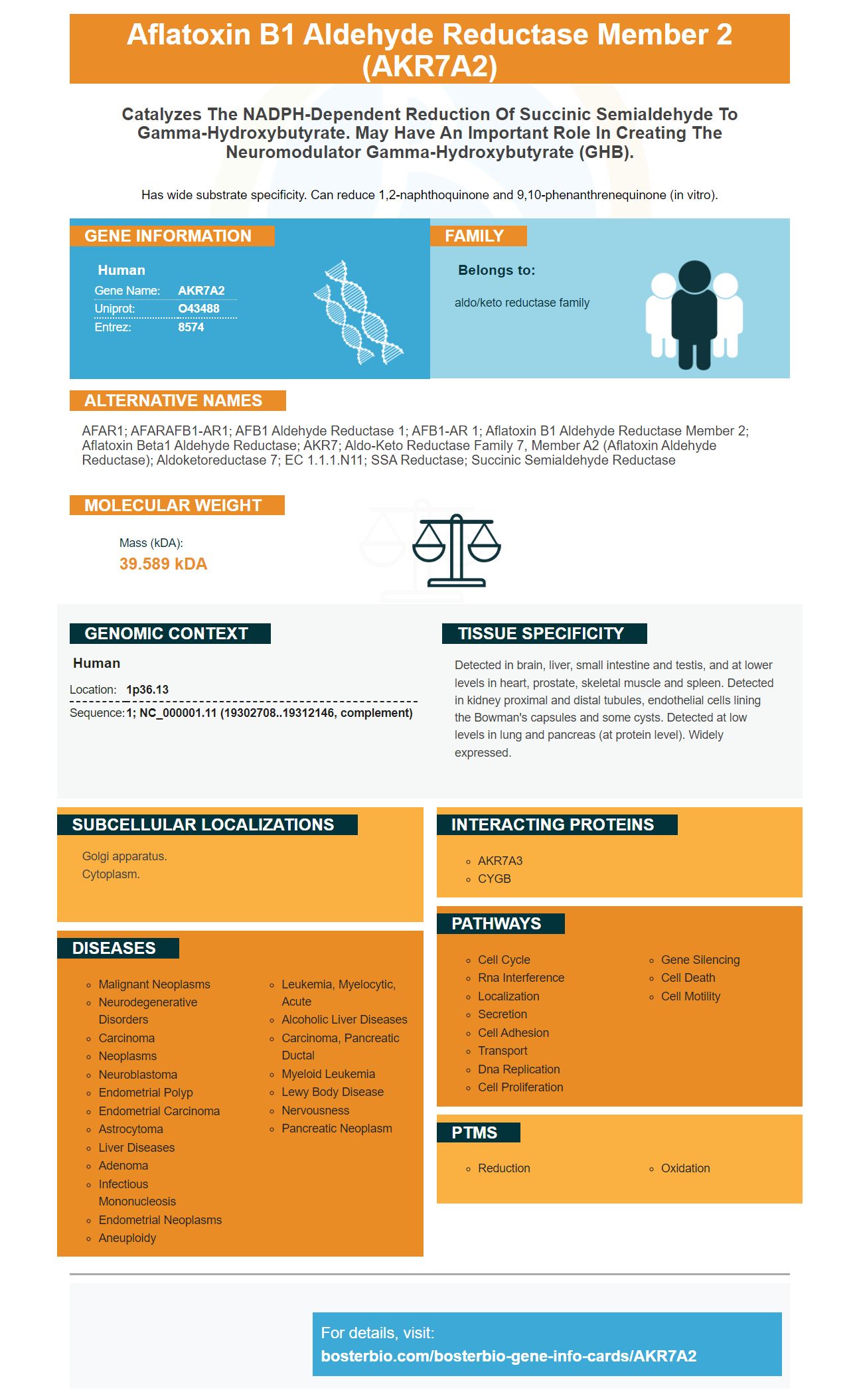
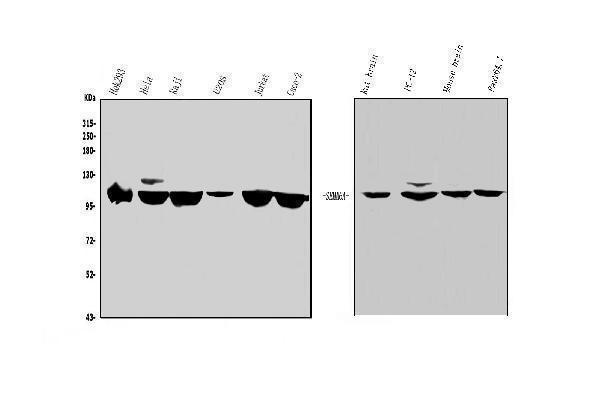
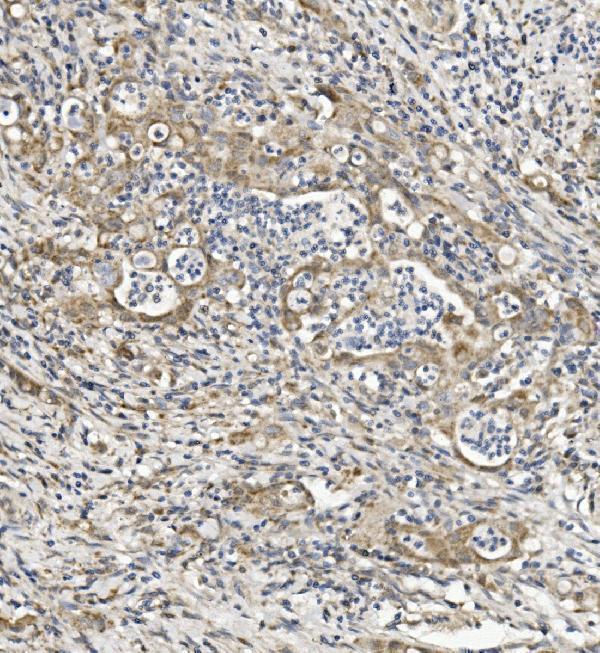
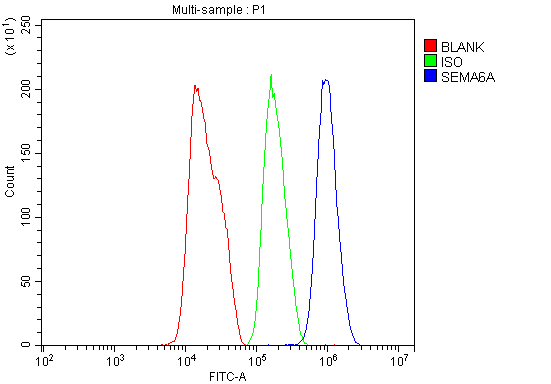


Facts about Aflatoxin B1 aldehyde reductase member 2.
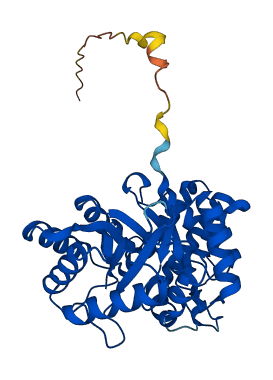
Has wide substrate specificity. Can reduce 1,2-naphthoquinone and 9,10-phenanthrenequinone (in vitro).
| Human | |
|---|---|
| Gene Name: | AKR7A2 |
| Uniprot: | O43488 |
| Entrez: | 8574 |
| Belongs to: |
|---|
| aldo/keto reductase family |

AFAR1; AFARAFB1-AR1; AFB1 aldehyde reductase 1; AFB1-AR 1; aflatoxin B1 aldehyde reductase member 2; aflatoxin beta1 aldehyde reductase; AKR7; aldo-keto reductase family 7, member A2 (aflatoxin aldehyde reductase); Aldoketoreductase 7; EC 1.1.1.n11; SSA reductase; Succinic semialdehyde reductase
Mass (kDA):
39.589 kDA

| Human | |
|---|---|
| Location: | 1p36.13 |
| Sequence: | 1; NC_000001.11 (19302708..19312146, complement) |
Detected in brain, liver, small intestine and testis, and at lower levels in heart, prostate, skeletal muscle and spleen. Detected in kidney proximal and distal tubules, endothelial cells lining the Bowman's capsules and some cysts. Detected at low levels in lung and pancreas (at protein level). Widely expressed.
Golgi apparatus. Cytoplasm.




PMID: 9576847 by Ireland L.S., et al. Molecular cloning, expression and catalytic activity of a human AKR7 member of the aldo-keto reductase superfamily: evidence that the major 2-carboxybenzaldehyde reductase from human liver is a homologue of rat aflatoxin B1-aldehyde reductase.
PMID: 9823300 by Praml C., et al. Cloning of the human aflatoxin B1-aldehyde reductase gene at 1p35- 1p36.1 in a region frequently altered in human tumor cells.
*More publications can be found for each product on its corresponding product page