This website uses cookies to ensure you get the best experience on our website.


- Table of Contents
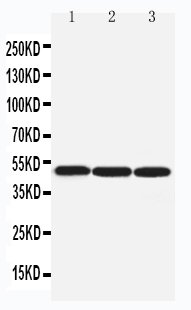
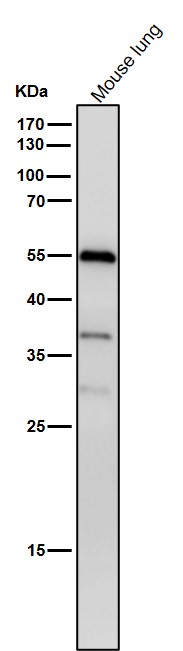
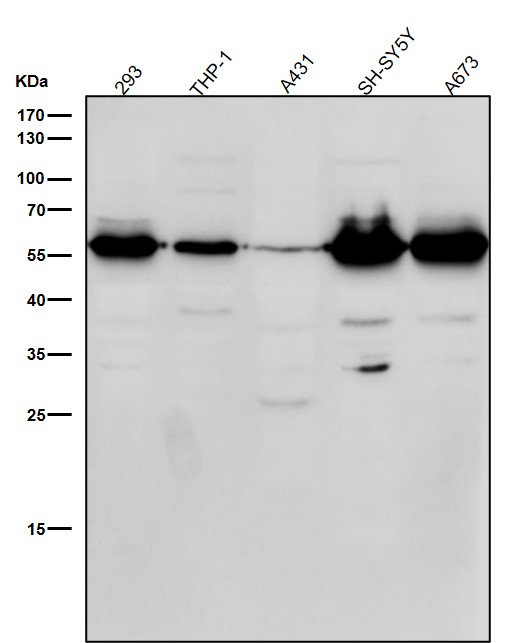
Designing a Western blot for Beta-arrestin-1? The guide has the expected band size, antibodies backed by real blot images, the controls to run alongside, and protocols taken from published papers.
Open the ARRB1 Western Blot GuideDesigning an IHC experiment for Beta-arrestin-1? The guide has the expected staining pattern, antigen retrieval and fixation, antibodies backed by real IHC images, the tissue controls to run alongside, and protocols taken from published papers.
Open the ARRB1 IHC Guide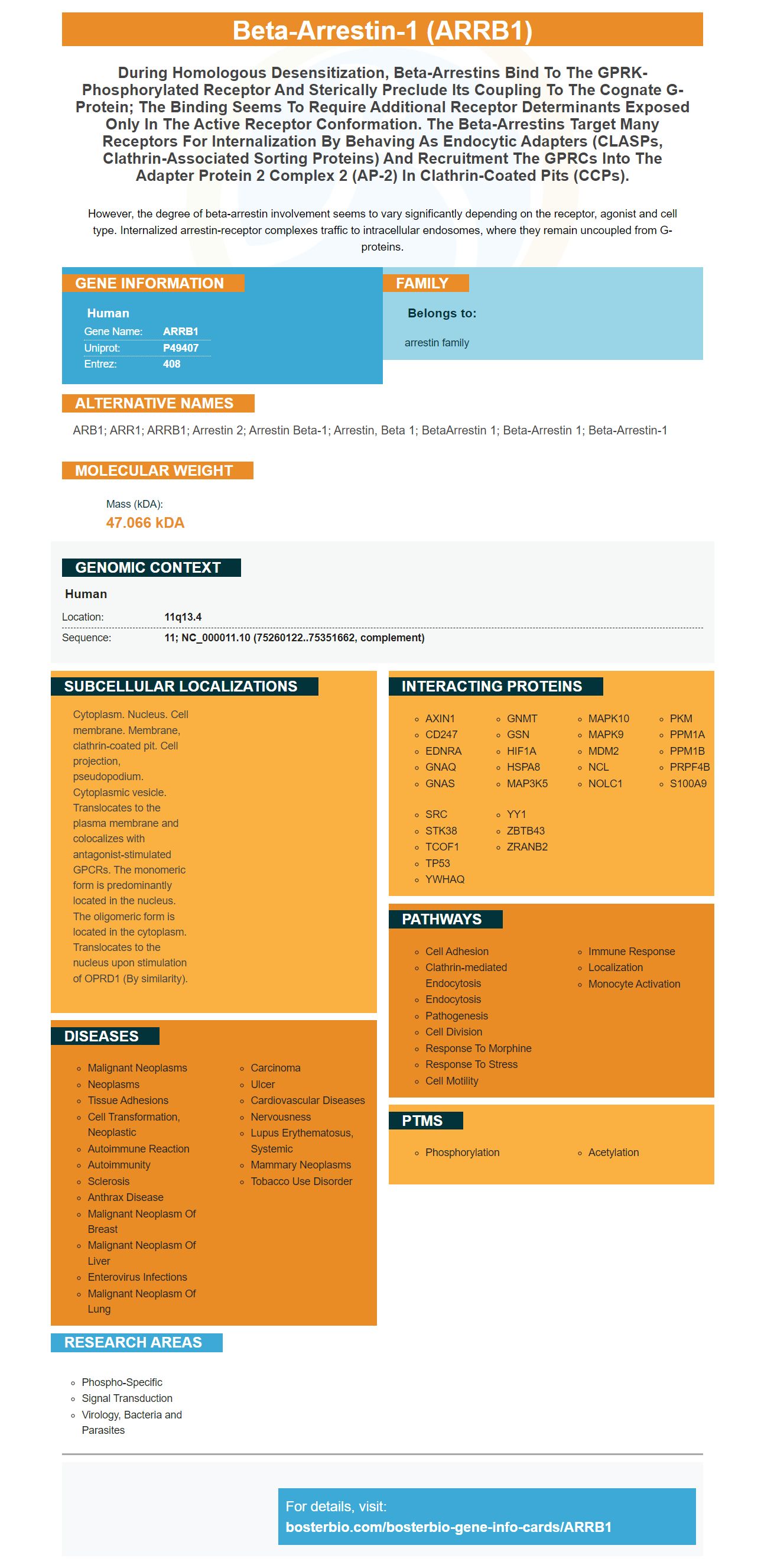


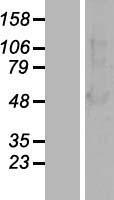
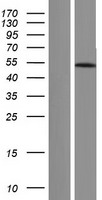



Facts about Beta-arrestin-1.
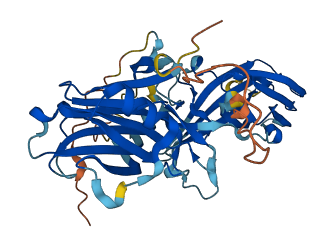
However, the degree of beta-arrestin involvement seems to vary significantly depending on the receptor, agonist and cell type. Internalized arrestin-receptor complexes traffic to intracellular endosomes, where they remain uncoupled from G-proteins.
| Human | |
|---|---|
| Gene Name: | ARRB1 |
| Uniprot: | P49407 |
| Entrez: | 408 |
| Belongs to: |
|---|
| arrestin family |

ARB1; ARR1; ARRB1; arrestin 2; Arrestin beta-1; arrestin, beta 1; betaArrestin 1; beta-Arrestin 1; beta-arrestin-1
Mass (kDA):
47.066 kDA

| Human | |
|---|---|
| Location: | 11q13.4 |
| Sequence: | 11; NC_000011.10 (75260122..75351662, complement) |
Cytoplasm. Nucleus. Cell membrane. Membrane, clathrin-coated pit. Cell projection, pseudopodium. Cytoplasmic vesicle. Translocates to the plasma membrane and colocalizes with antagonist-stimulated GPCRs. The monomeric form is predominantly located in the nucleus. The oligomeric form is located in the cytoplasm. Translocates to the nucleus upon stimulation of OPRD1 (By similarity).





PMID: 8486659 by Parruti G., et al. Molecular analysis of human beta-arrestin-1: cloning, tissue distribution, and regulation of expression. Identification of two isoforms generated by alternative splicing.
PMID: 9501202 by Aragay A.M., et al. Monocyte chemoattractant protein-1-induced CCR2B receptor desensitization mediated by the G protein-coupled receptor kinase 2.