This website uses cookies to ensure you get the best experience on our website.


- Table of Contents
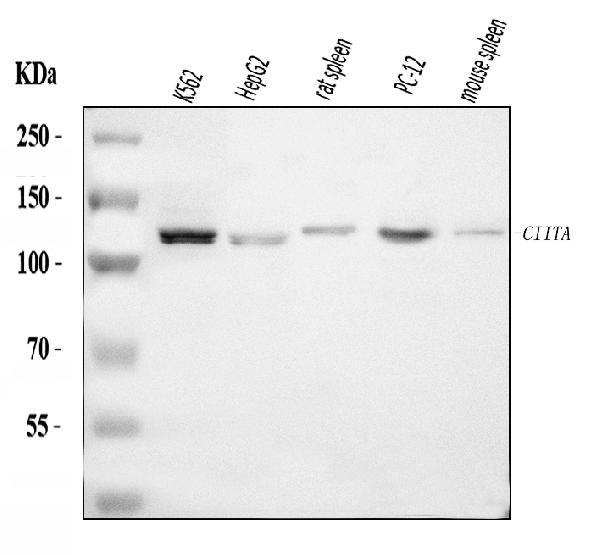
Designing a Western blot for CIITA? The guide has the expected band size, antibodies backed by real blot images, the controls to run alongside, and protocols taken from published papers.
Open the CIITA Western Blot Guide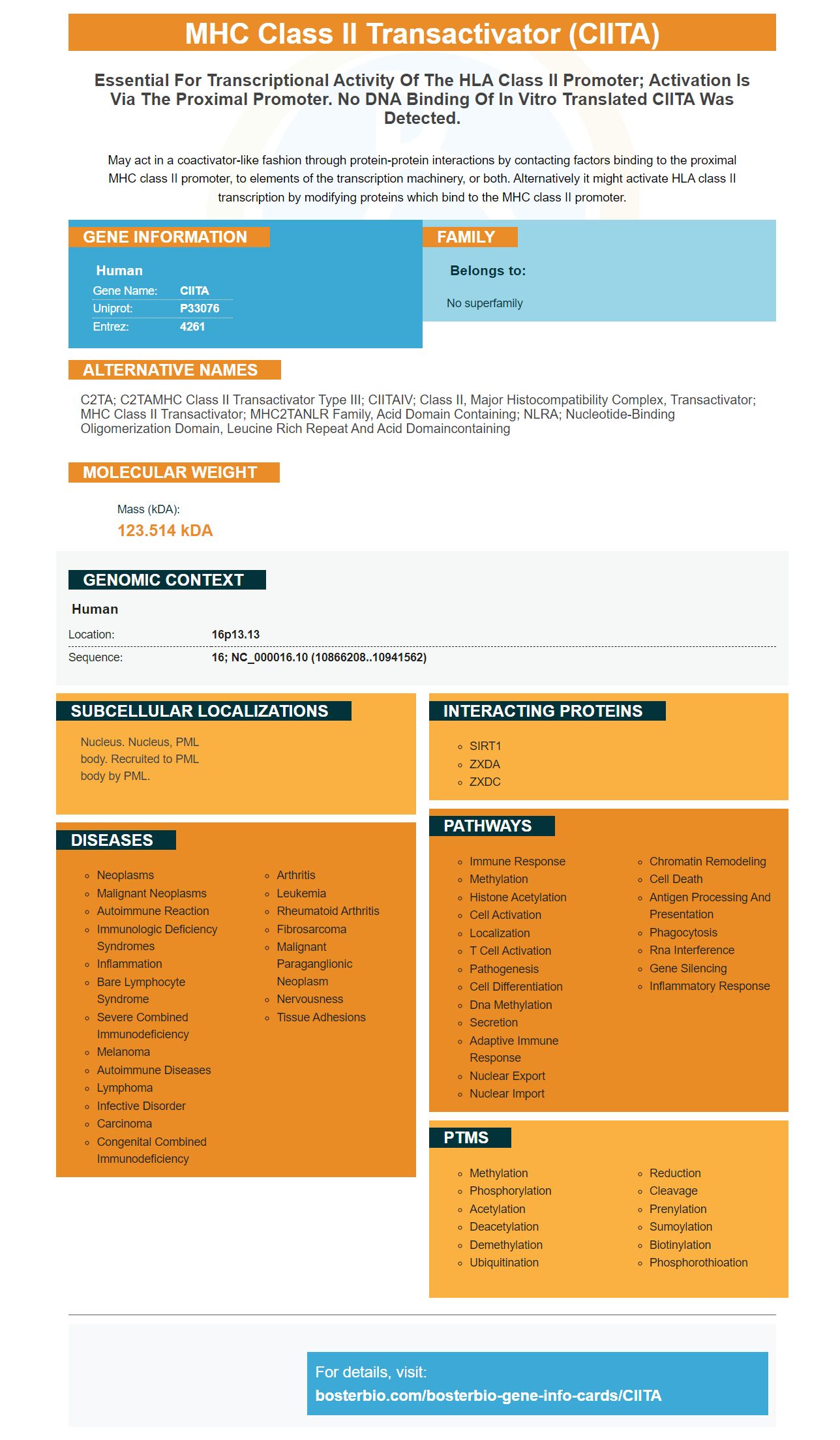
Facts about MHC class II transactivator.
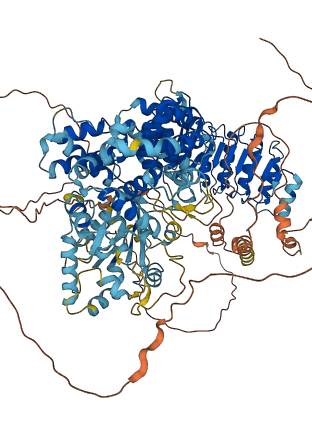
May act in a coactivator-like fashion through protein-protein interactions by contacting factors binding to the proximal MHC class II promoter, to elements of the transcription machinery, or both. Alternatively it might activate HLA class II transcription by modifying proteins which bind to the MHC class II promoter.
| Human | |
|---|---|
| Gene Name: | CIITA |
| Uniprot: | P33076 |
| Entrez: | 4261 |
| Belongs to: |
|---|
| No superfamily |

C2TA; C2TAMHC class II transactivator type III; CIITAIV; class II, major histocompatibility complex, transactivator; MHC class II transactivator; MHC2TANLR family, acid domain containing; NLRA; nucleotide-binding oligomerization domain, leucine rich repeat and acid domaincontaining
Mass (kDA):
123.514 kDA

| Human | |
|---|---|
| Location: | 16p13.13 |
| Sequence: | 16; NC_000016.10 (10866208..10941562) |
Nucleus. Nucleus, PML body. Recruited to PML body by PML.




PMID: 8402893 by Steimle V., et al. Complementation cloning of an MHC class II transactivator mutated in hereditary MHC class II deficiency (or bare lymphocyte syndrome).
PMID: 7749984 by Riley J.L., et al. Activation of class II MHC genes requires both the X box region and the class II transactivator (CIITA).
*More publications can be found for each product on its corresponding product page