This website uses cookies to ensure you get the best experience on our website.


- Table of Contents
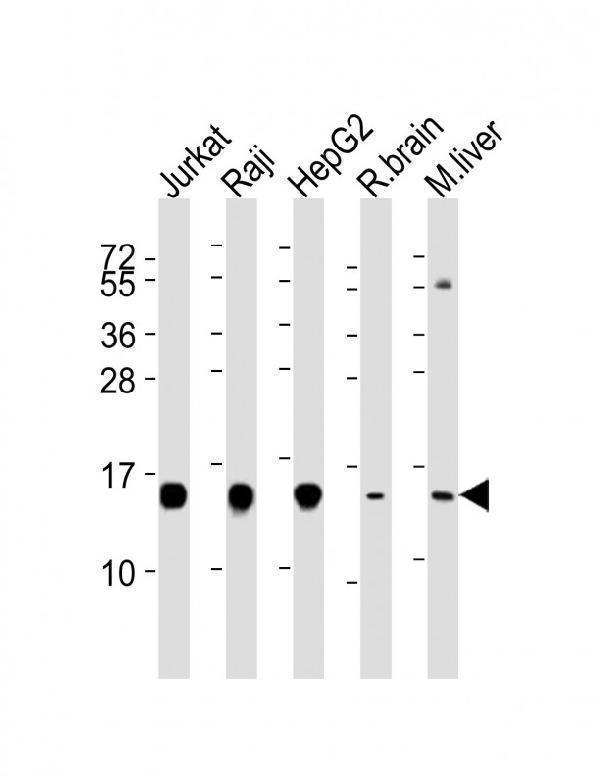
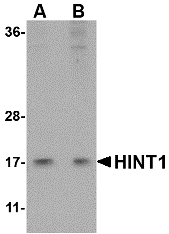
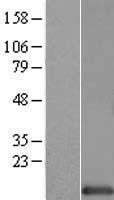
Designing a Western blot for HINT1? The guide has the expected band size, antibodies backed by real blot images, the controls to run alongside, and protocols taken from published papers.
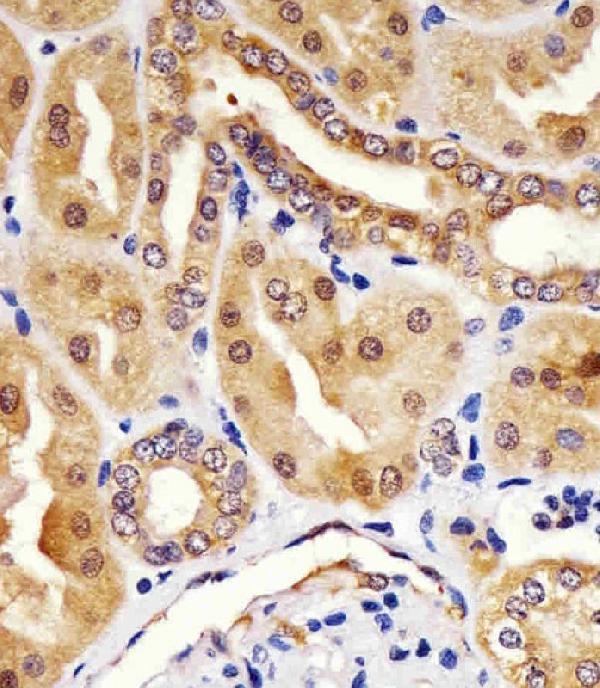
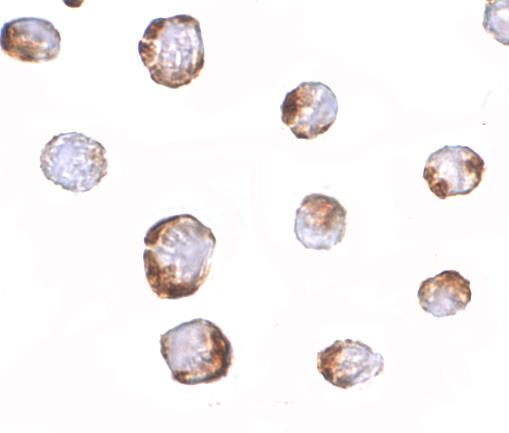
Open the HINT1 Western Blot GuideDesigning an IHC experiment for HINT1? The guide has the expected staining pattern, antigen retrieval and fixation, antibodies backed by real IHC images, the tissue controls to run alongside, and protocols taken from published papers.
Open the HINT1 IHC Guide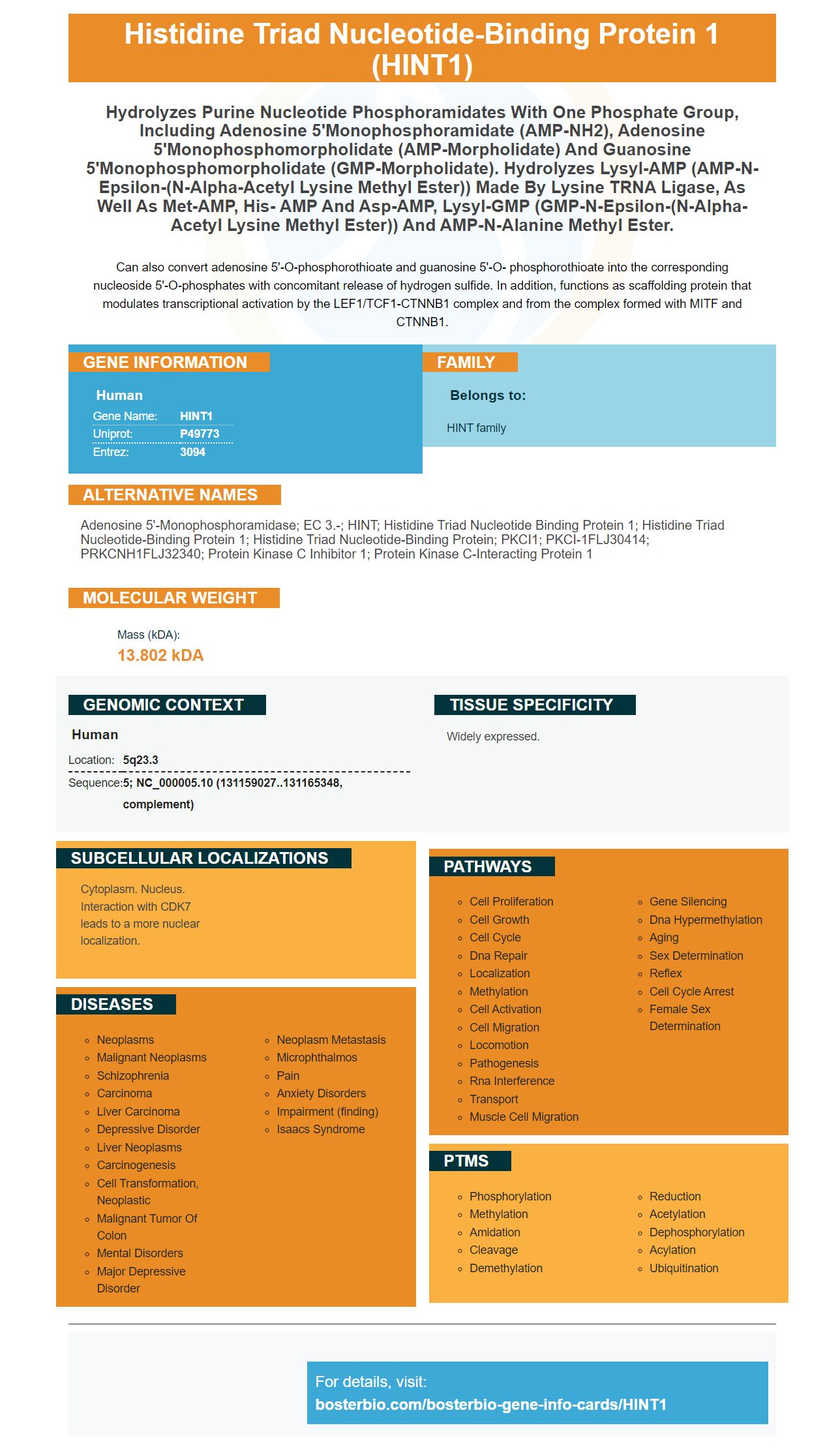

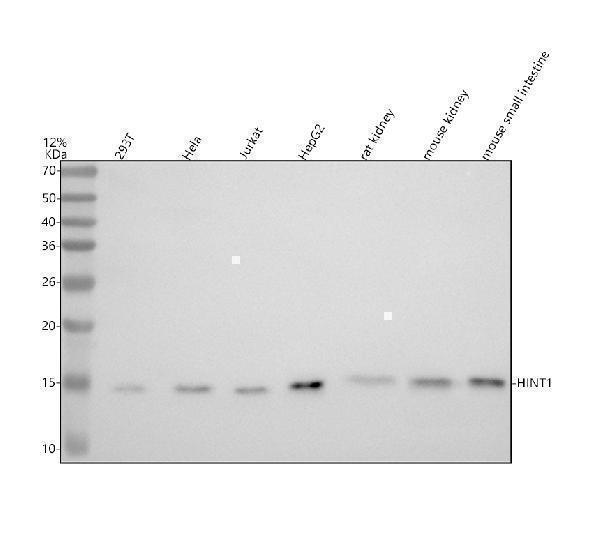
Facts about Histidine triad nucleotide-binding protein 1.
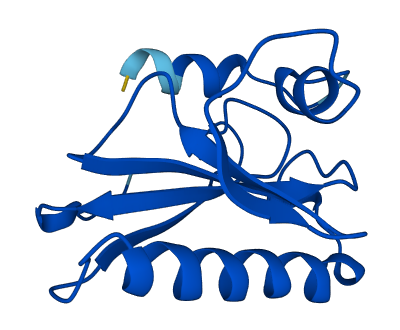
Can also convert adenosine 5'-O-phosphorothioate and guanosine 5'-O- phosphorothioate into the corresponding nucleoside 5'-O-phosphates with concomitant release of hydrogen sulfide. In addition, functions as scaffolding protein that modulates transcriptional activation by the LEF1/TCF1-CTNNB1 complex and from the complex formed with MITF and CTNNB1.
| Human | |
|---|---|
| Gene Name: | HINT1 |
| Uniprot: | P49773 |
| Entrez: | 3094 |
| Belongs to: |
|---|
| HINT family |

Adenosine 5'-monophosphoramidase; EC 3.-; HINT; histidine triad nucleotide binding protein 1; histidine triad nucleotide-binding protein 1; histidine triad nucleotide-binding protein; PKCI1; PKCI-1FLJ30414; PRKCNH1FLJ32340; Protein kinase C inhibitor 1; Protein kinase C-interacting protein 1
Mass (kDA):
13.802 kDA

| Human | |
|---|---|
| Location: | 5q23.3 |
| Sequence: | 5; NC_000005.10 (131159027..131165348, complement) |
Widely expressed.
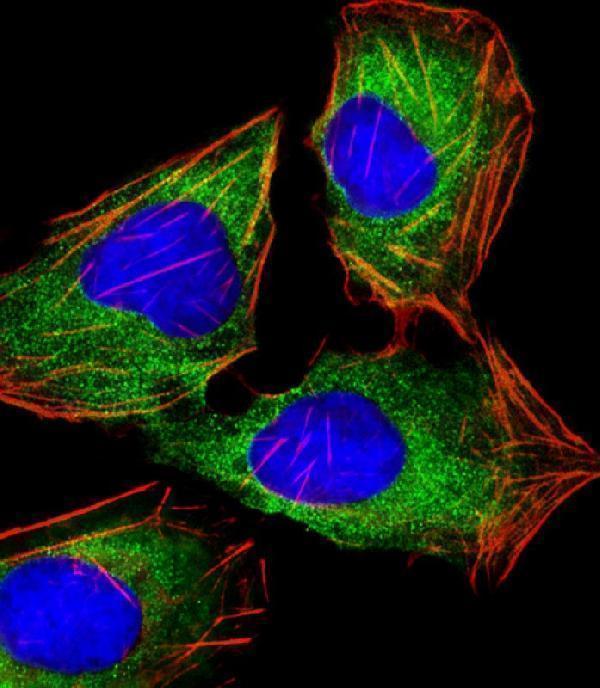
Cytoplasm. Nucleus. Interaction with CDK7 leads to a more nuclear localization.



PMID: 8812426 by Brzoska P.M., et al. Cloning, mapping, and in vivo localization of a human member of the PKCI-1 protein family (PRKCNH1).
PMID: 7644499 by Brzoska P.M., et al. The product of the ataxia-telangiectasia group D complementing gene, ATDC, interacts with a protein kinase C substrate and inhibitor.