This website uses cookies to ensure you get the best experience on our website.


- Table of Contents
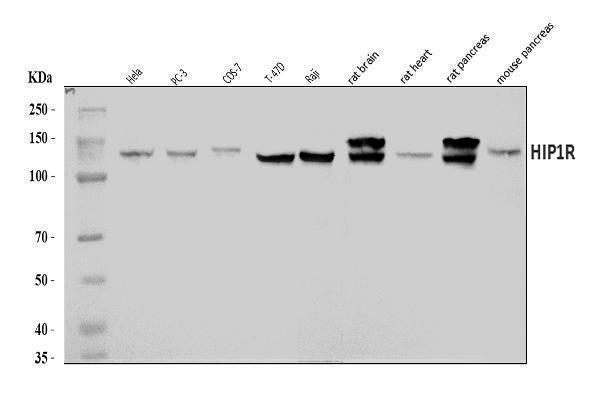
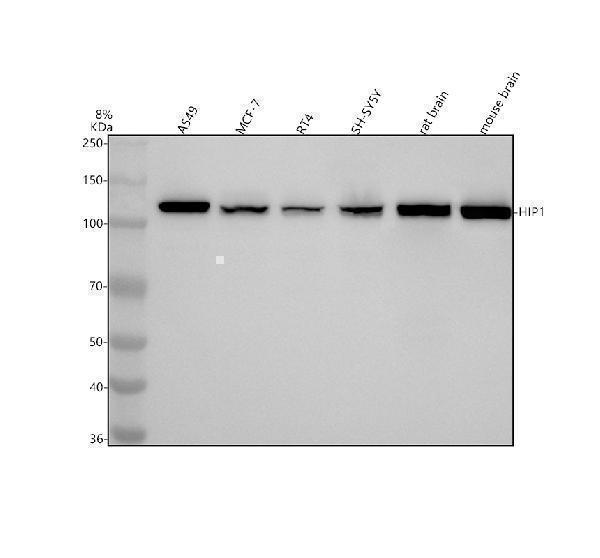
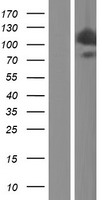
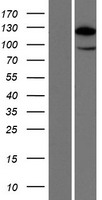
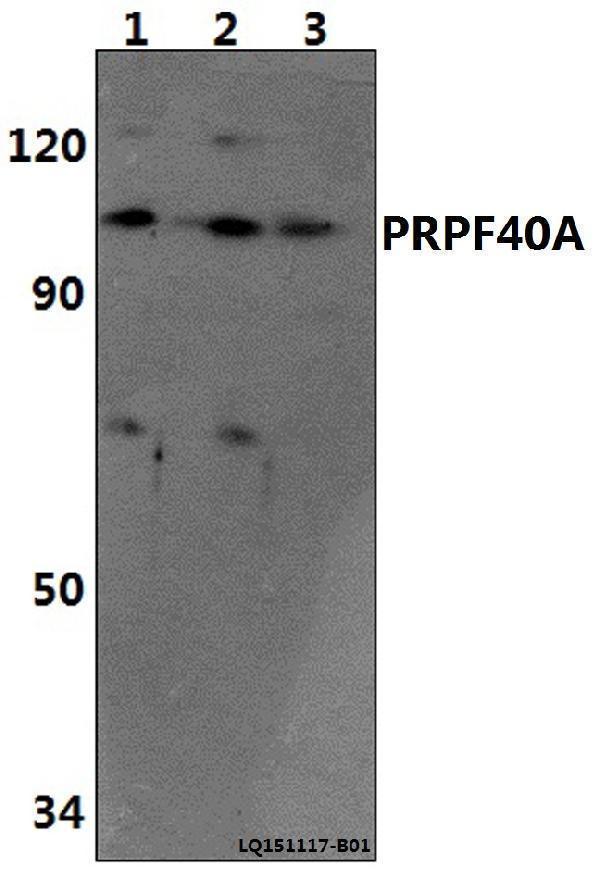
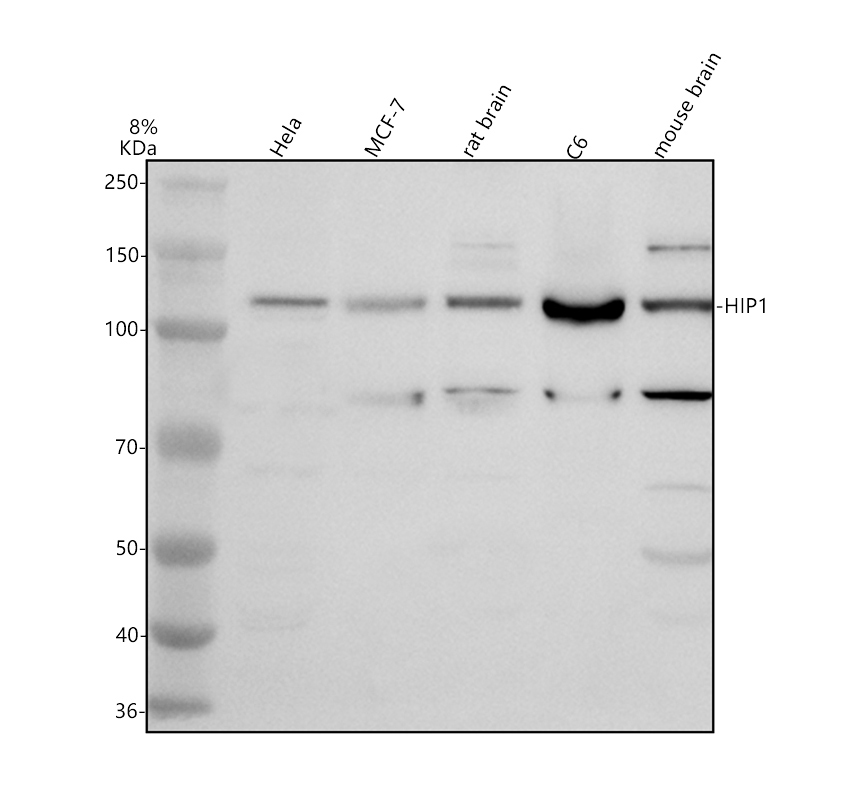
Designing a Western blot for HIP1? The guide has the expected band size, antibodies backed by real blot images, the controls to run alongside, and protocols taken from published papers.
Open the HIP1 Western Blot Guide
Facts about Huntingtin-interacting protein 1.
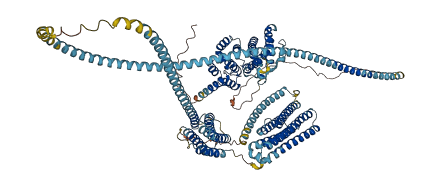
Regulates presynaptic nerve terminal activity (By similarity). Enhances androgen receptor (AR)-mediated transcription (PubMed:16027218).
| Human | |
|---|---|
| Gene Name: | HIP1 |
| Uniprot: | O00291 |
| Entrez: | 3092 |
| Belongs to: |
|---|
| SLA2 family |

HIP-1; HIP-I; huntingtin interacting protein 1; huntingtin-interacting protein 1; Huntingtin-interacting protein I; ILWEQ; MGC126506
Mass (kDA):
116.221 kDA

| Human | |
|---|---|
| Location: | 7q11.23 |
| Sequence: | 7; NC_000007.14 (75533298..75738976, complement) |
Ubiquitously expressed with the highest level in brain. Expression is up-regulated in prostate and colon cancer.
Cytoplasm. Nucleus. Endomembrane system. Cytoplasmic vesicle, clathrin-coated vesicle membrane. Shuttles between cytoplasm and nucleus. Nuclear translocation can be induced by AR.





PMID: 11788820 by Gervais F.G., et al. Recruitment and activation of caspase-8 by the Huntingtin-interacting protein Hip-1 and a novel partner Hippi.
PMID: 9140394 by Kalchman M.A., et al. HIP1, a human homologue of S. cerevisiae Sla2p, interacts with membrane-associated huntingtin in the brain.