This website uses cookies to ensure you get the best experience on our website.


- Table of Contents
Facts about Volume-regulated anion channel subunit LRRC8D.
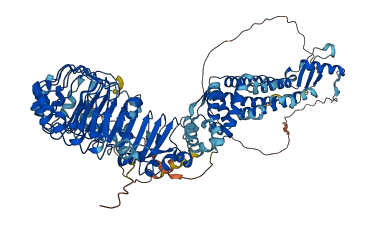
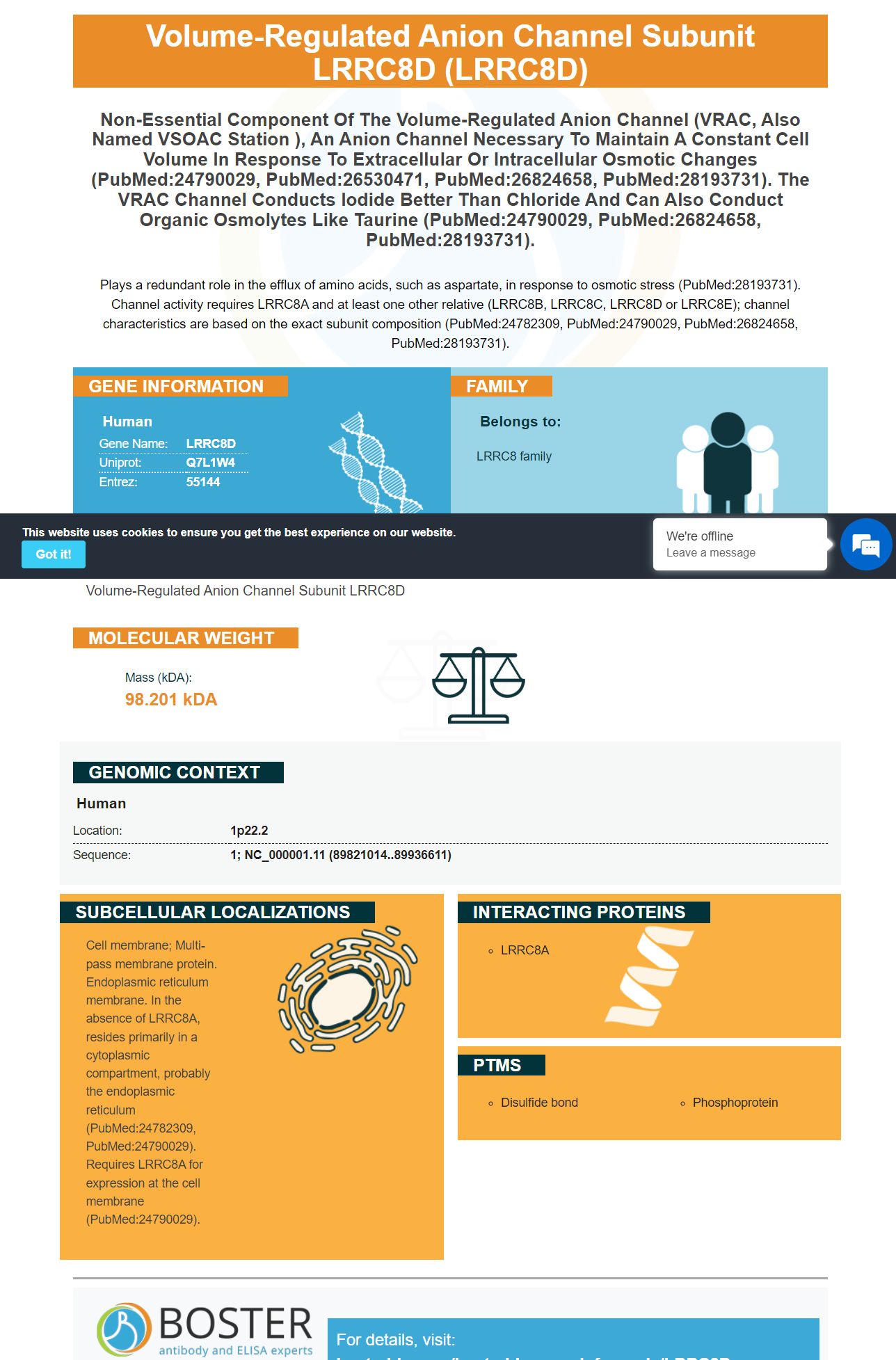
Plays a redundant role in the efflux of amino acids, such as aspartate, in response to osmotic stress (PubMed:28193731). Channel activity requires LRRC8A and at least one other relative (LRRC8B, LRRC8C, LRRC8D or LRRC8E); channel characteristics are based on the exact subunit composition (PubMed:24782309, PubMed:24790029, PubMed:26824658, PubMed:28193731).
| Human | |
|---|---|
| Gene Name: | LRRC8D |
| Uniprot: | Q7L1W4 |
| Entrez: | 55144 |
| Belongs to: |
|---|
| LRRC8 family |

Volume-regulated anion channel subunit LRRC8D
Mass (kDA):
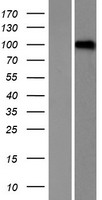
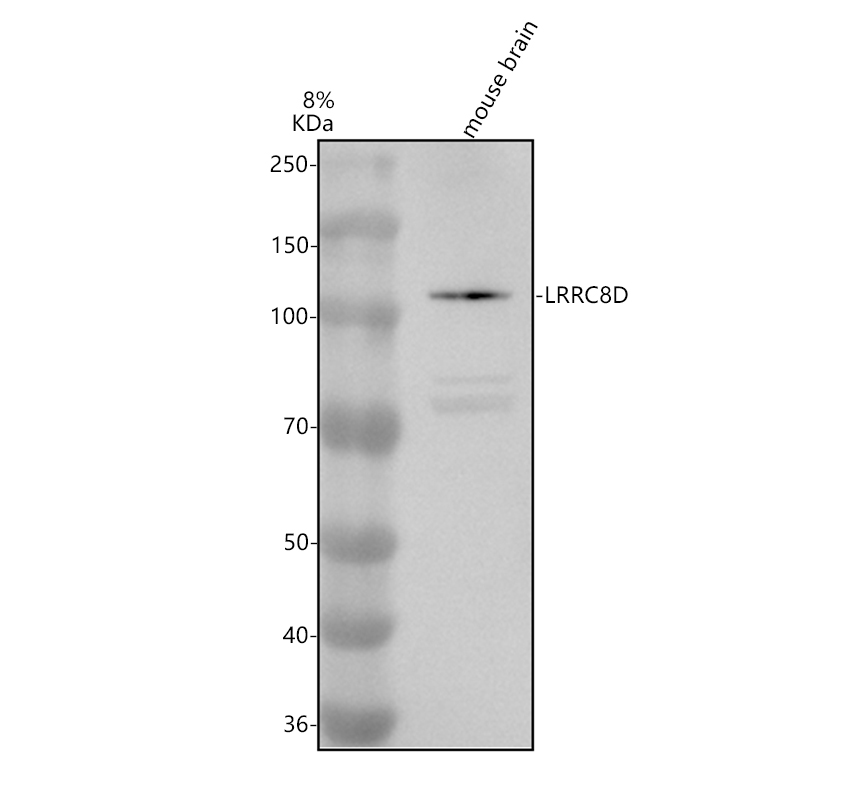
98.201 kDA

| Human | |
|---|---|
| Location: | 1p22.2 |
| Sequence: | 1; NC_000001.11 (89821014..89936611) |
Cell membrane; Multi-pass membrane protein. Endoplasmic reticulum membrane. In the absence of LRRC8A, resides primarily in a cytoplasmic compartment, probably the endoplasmic reticulum (PubMed:24782309, PubMed:24790029). Requires LRRC8A for expression at the cell membrane (PubMed:24790029).



PMID: 22532330 by Abascal F., et al. LRRC8 proteins share a common ancestor with pannexins, and may form hexameric channels involved in cell-cell communication.
PMID: 24782309 by Lee C.C., et al. The protein synthesis inhibitor blasticidin S enters mammalian cells via leucine-rich repeat-containing protein 8D.