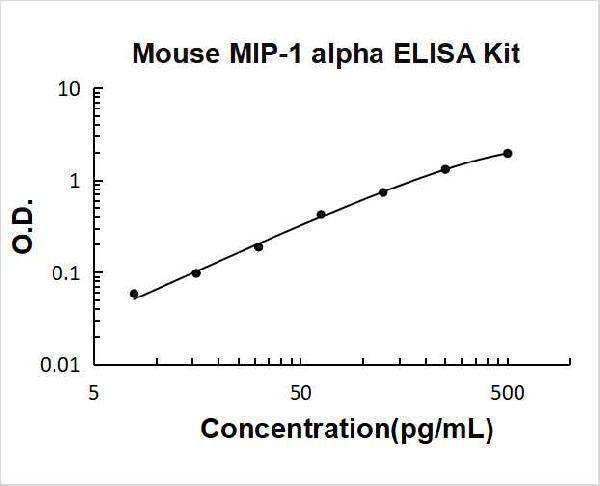
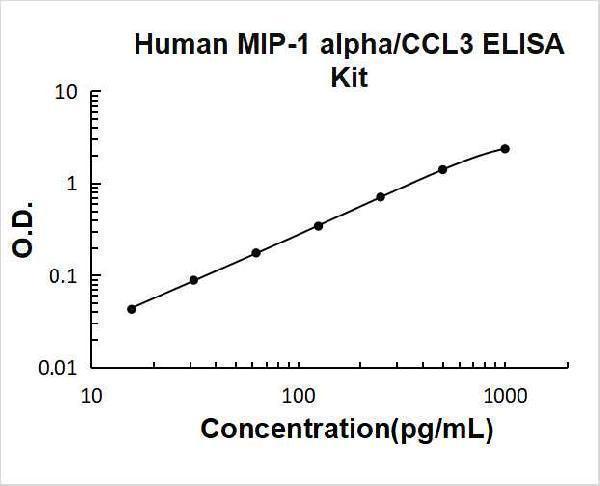
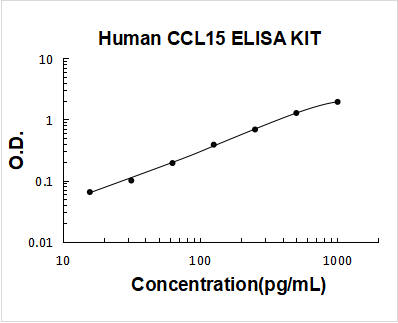
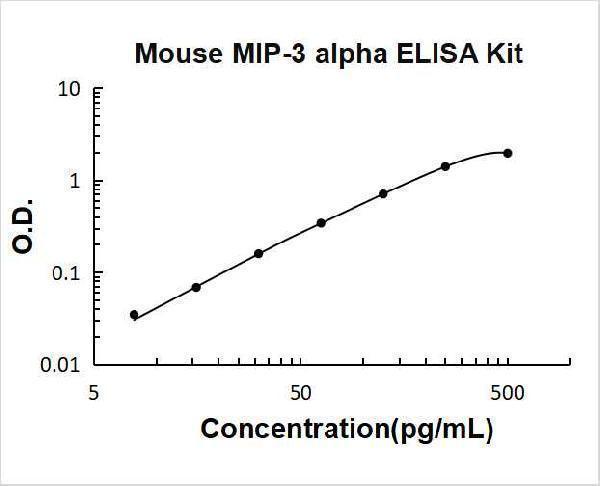
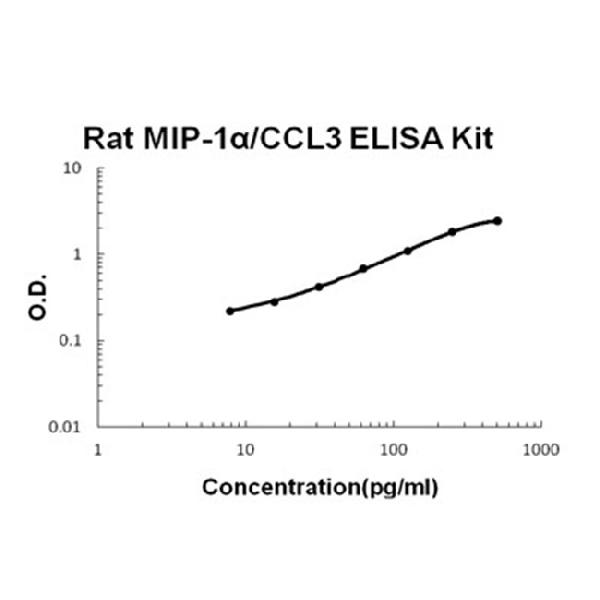
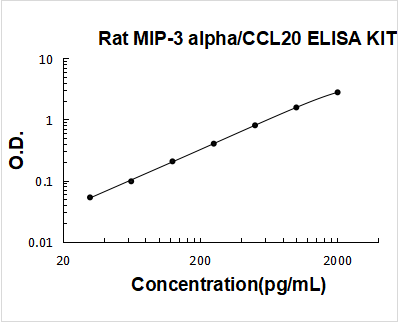
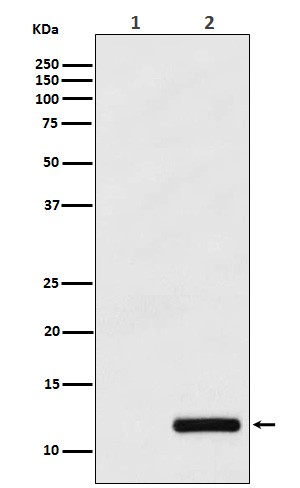
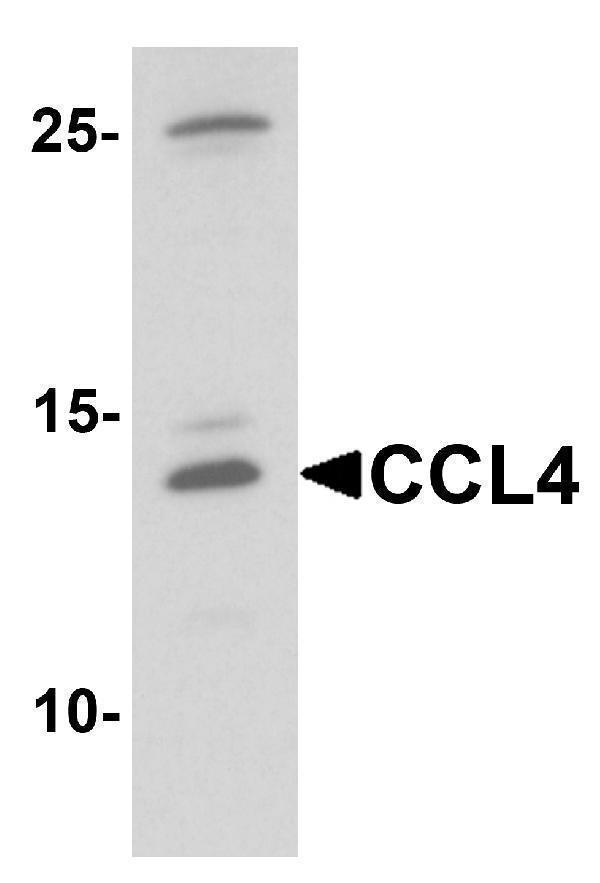
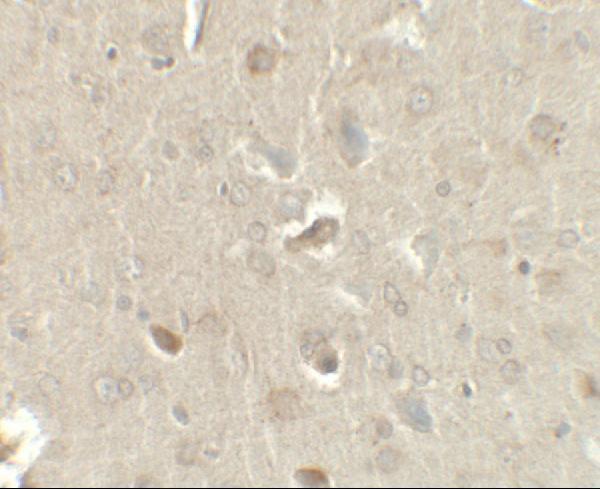
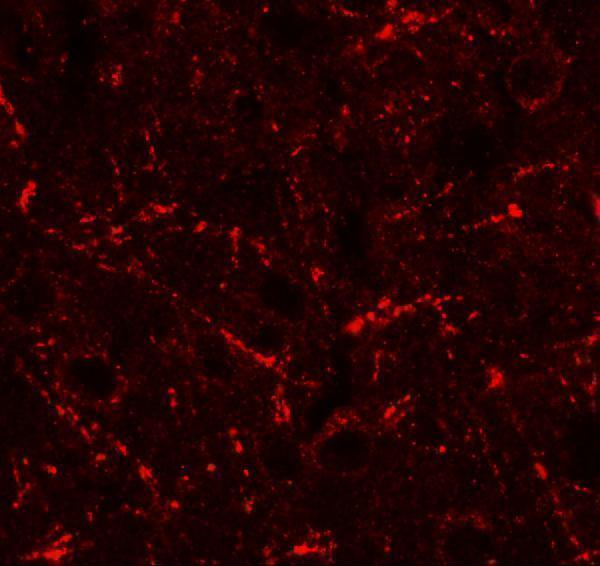
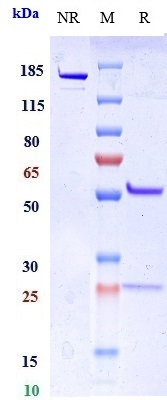
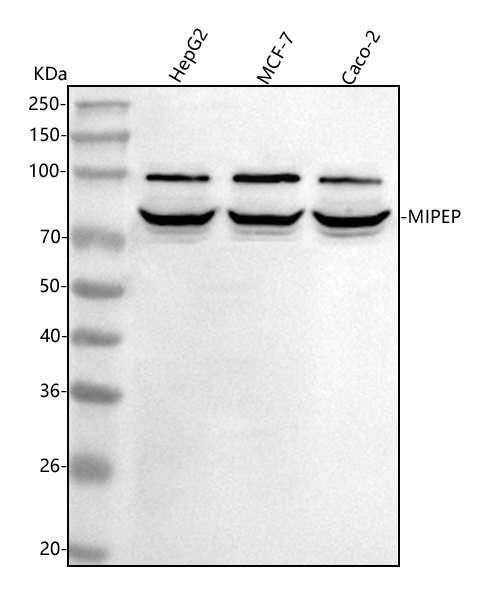
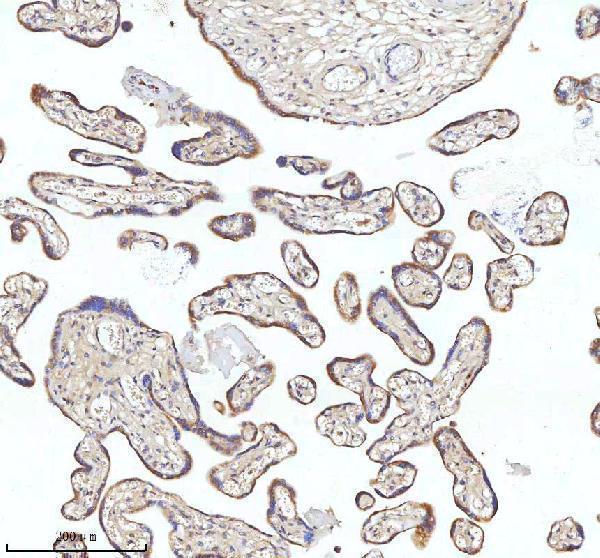
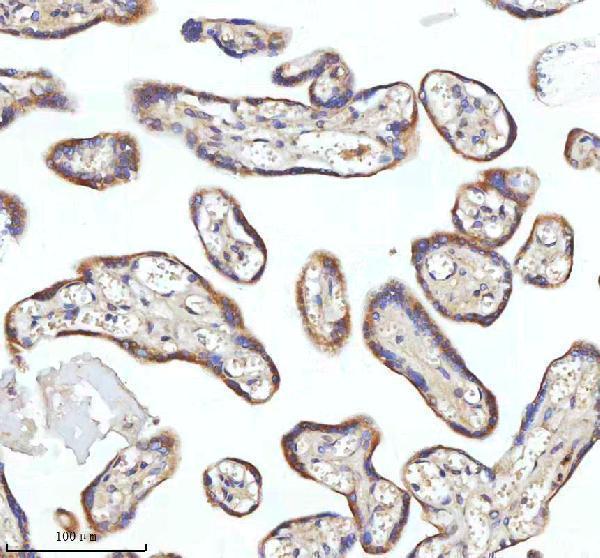
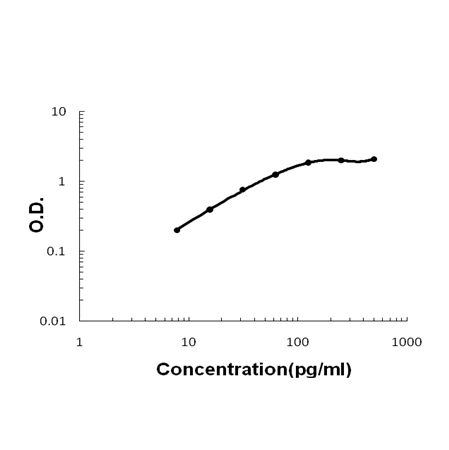
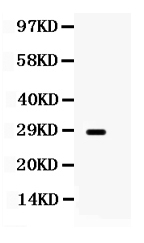
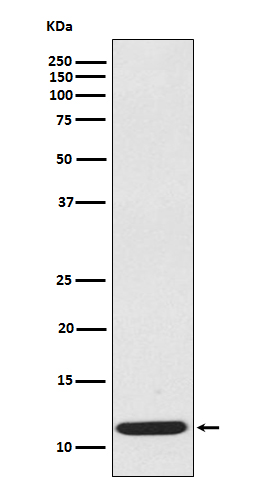
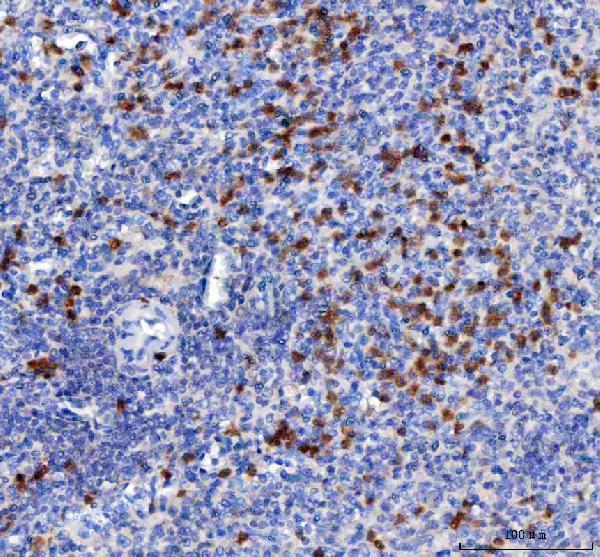
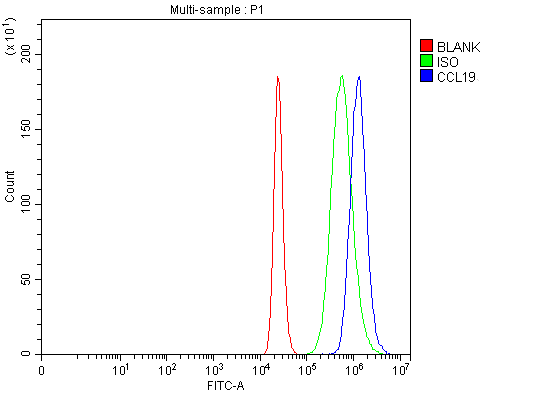
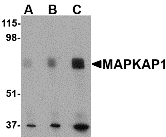
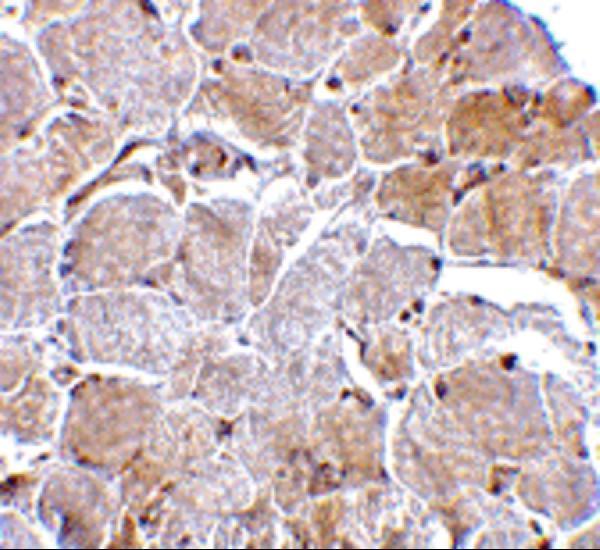
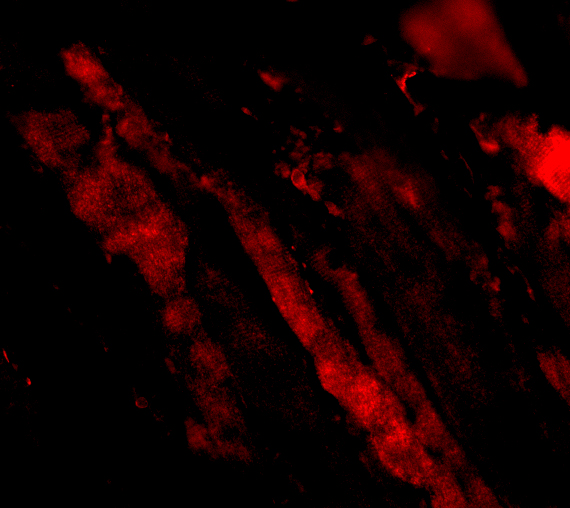
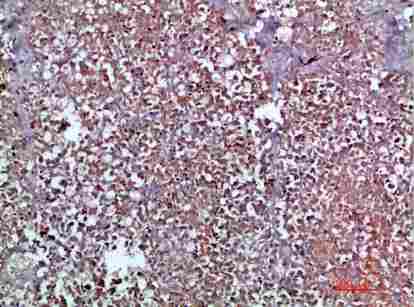
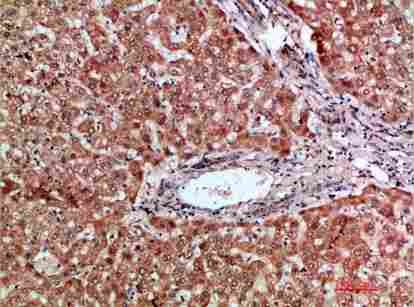
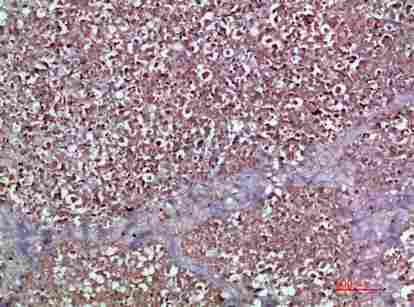
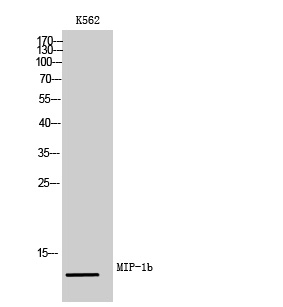
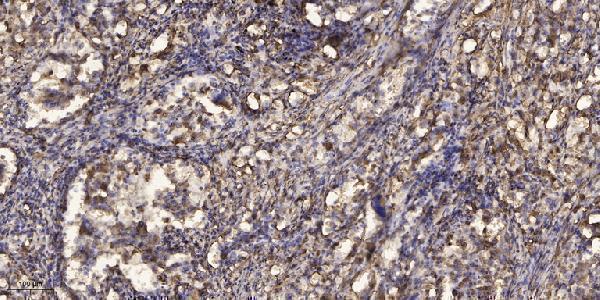
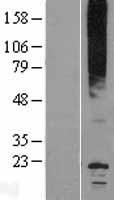
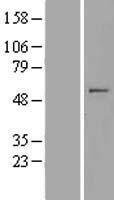
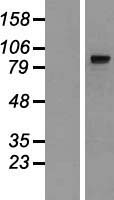
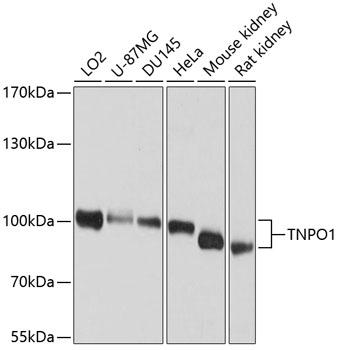
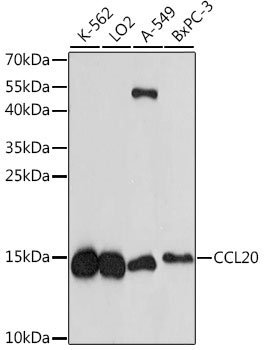
Many biological assays use antibodies to detect MIP, such as Western Blot (WB), ELISA, Flow Cytometry, Immunocytochemistry (IHC). These antibodies can be polyclonal or monoclonal, and react with MIP in Human, Mouse, Rat, and many other animal samples. Boster Bio use mainly mouse and rabbit to develop MIP antibodies...
We validate the specificity of these antibodies to MIP by testing them on tissues known to express MIP positively and negatively. Browse below to find the MIP antibody that suites your experiment. We have 61 of these antibodies and many publications and validation images.
If you cannot find antibodies that fit your needs, contact us for making custom antibodies. We have a full suite of custom antibody services covering from research to diagnostic and therapeutic applications.
Designing a Western blot for MIP?
The guide has the expected band size, antibodies backed by real blot images, the controls to run alongside, and protocols taken from published papers.
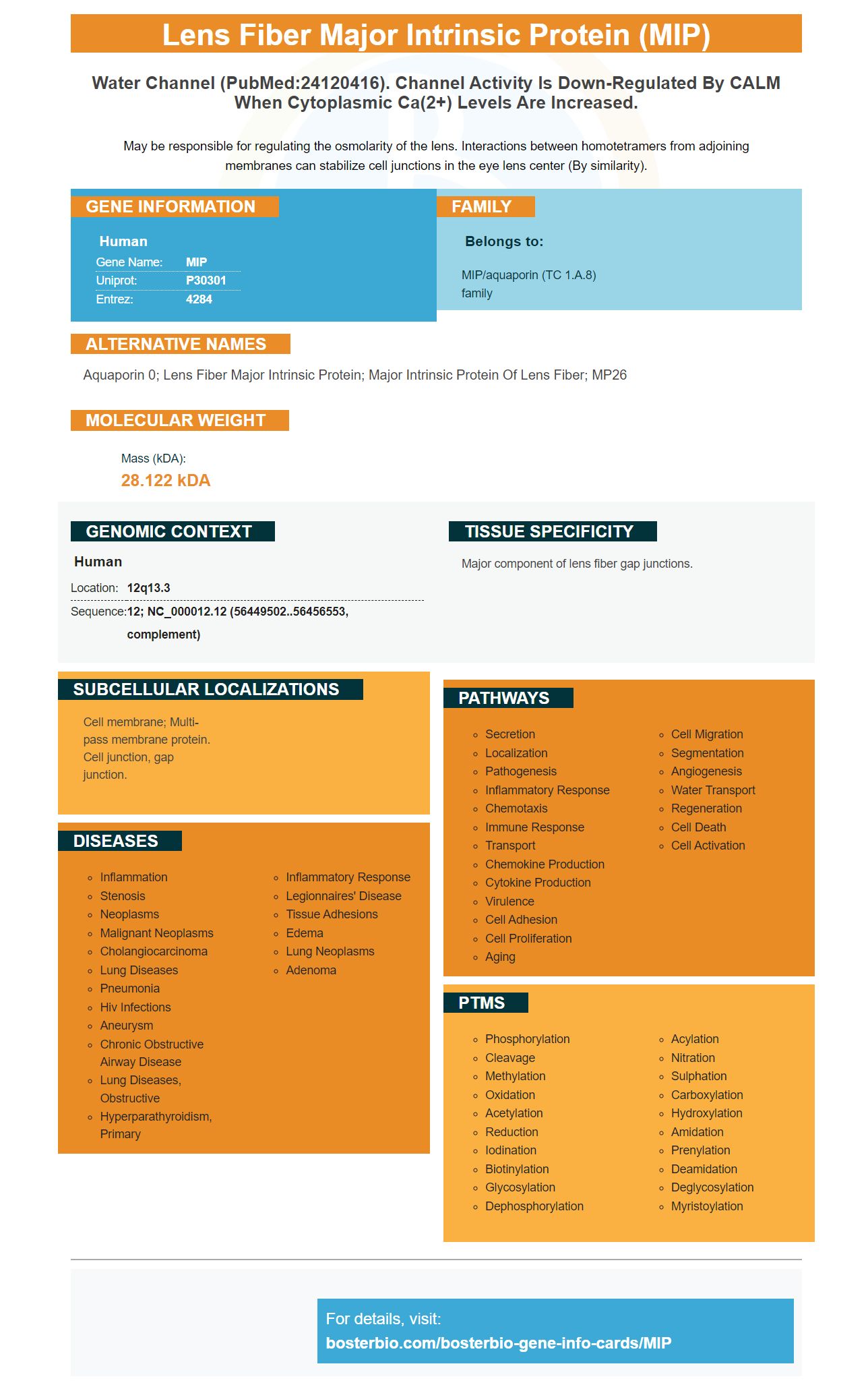
Water channel (PubMed:24120416). Channel activity is down-regulated by CALM when cytoplasmic Ca(2+) levels are increased.
May be responsible for regulating the osmolarity of the lens. Interactions between homotetramers from adjoining membranes can stabilize cell junctions in the eye lens center (By similarity).
Gene Information
Human
Gene Name:
MIP
Uniprot:
P30301
Entrez:
4284
Family
Belongs to:
MIP/aquaporin (TC 1.A.8) family
Alternative Names
aquaporin 0; lens fiber major intrinsic protein; major intrinsic protein of lens fiber; MP26
Molecular Weight
Mass (kDA): 28.122 kDA
Genomic Context
Human
Location:
12q13.3
Sequence:
12; NC_000012.12 (56449502..56456553, complement)
Tissue Specificity
Major component of lens fiber gap junctions.
Subcellular Localizations
Cell membrane; Multi-pass membrane protein. Cell junction, gap junction.
Diseases
Inflammation
Stenosis
Neoplasms
Malignant Neoplasms
Cholangiocarcinoma
Lung Diseases
Pneumonia
Hiv Infections
Aneurysm
Chronic Obstructive Airway Disease
Lung Diseases, Obstructive
Hyperparathyroidism, Primary
Inflammatory Response
Legionnaires' Disease
Tissue Adhesions
Edema
Lung Neoplasms
Adenoma
Pathways
Secretion
Localization
Pathogenesis
Inflammatory Response
Chemotaxis
Immune Response
Transport
Chemokine Production
Cytokine Production
Virulence
Cell Adhesion
Cell Proliferation
Aging
Cell Migration
Segmentation
Angiogenesis
Water Transport
Regeneration
Cell Death
Cell Activation
PTMs
Phosphorylation
Cleavage
Methylation
Oxidation
Acetylation
Reduction
Iodination
Biotinylation
Glycosylation
Dephosphorylation
Acylation
Nitration
Sulphation
Carboxylation
Hydroxylation
Amidation
Prenylation
Deamidation
Deglycosylation
Myristoylation
For details, visit: bosterbio.com/bosterbio-gene-info-cards/MIP
References
PMID: 1840563 by Pisano M.M., et al. Genomic cloning, complete nucleotide sequence, and structure of the human gene encoding the major intrinsic protein (MIP) of the lens.
PMID: 10634618 by Schey K.L., et al. Characterization of human lens major intrinsic protein structure.
56 Publications of Boster MIP Antibodies & ELISA Kits
PubMed ID: PMID:31966515, Identification of genes involved in enterovirus 71 infected SK-N-SH cells
PubMed ID: 10.4049/jimmunol.1602175, The Upregulation of Integrin αDβ2 (CD11d/CD18) on Inflammatory Macrophages Pro...