This website uses cookies to ensure you get the best experience on our website.


- Table of Contents
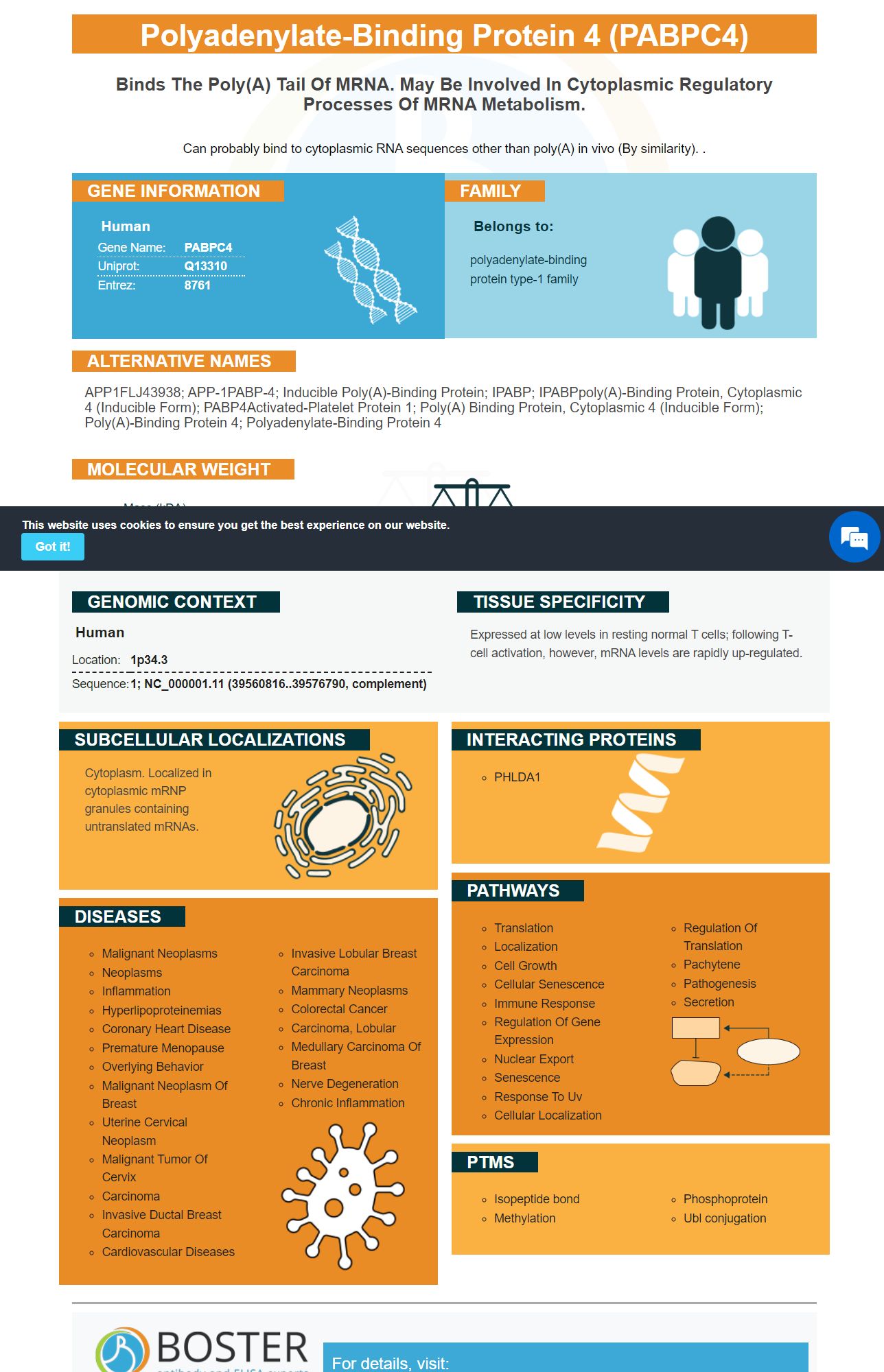
Facts about Polyadenylate-binding protein 4.
Can probably bind to cytoplasmic RNA sequences other than poly(A) in vivo (By similarity). .
| Human | |
|---|---|
| Gene Name: | PABPC4 |
| Uniprot: | Q13310 |
| Entrez: | 8761 |
| Belongs to: |
|---|
| polyadenylate-binding protein type-1 family |

APP1FLJ43938; APP-1PABP-4; Inducible poly(A)-binding protein; IPABP; iPABPpoly(A)-binding protein, cytoplasmic 4 (inducible form); PABP4Activated-platelet protein 1; poly(A) binding protein, cytoplasmic 4 (inducible form); Poly(A)-binding protein 4; polyadenylate-binding protein 4
Mass (kDA):
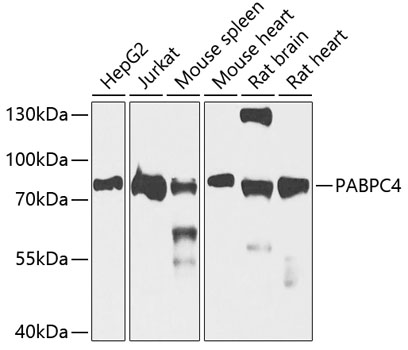
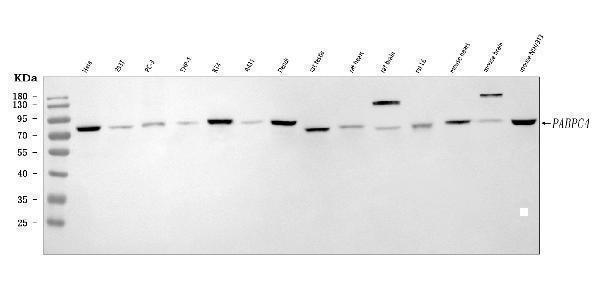
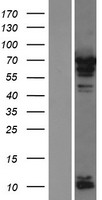
70.783 kDA

| Human | |
|---|---|
| Location: | 1p34.3 |
| Sequence: | 1; NC_000001.11 (39560816..39576790, complement) |
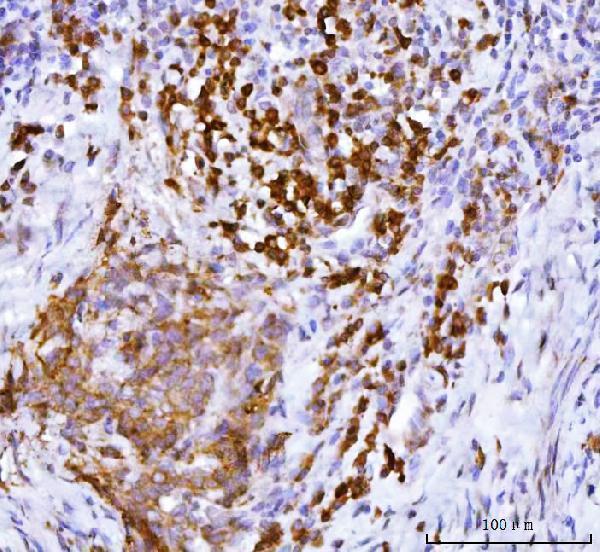
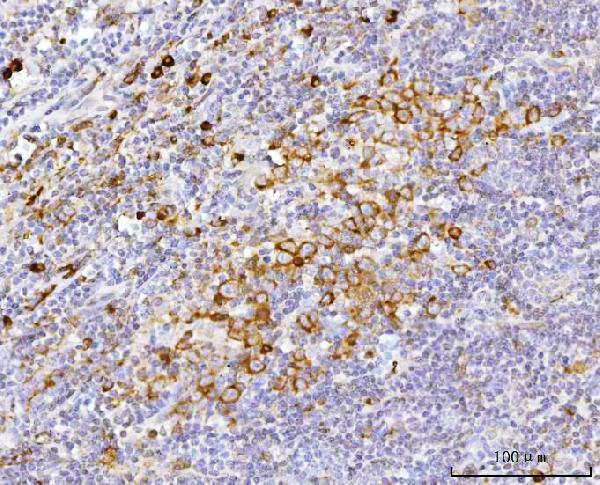
Expressed at low levels in resting normal T cells; following T-cell activation, however, mRNA levels are rapidly up-regulated.
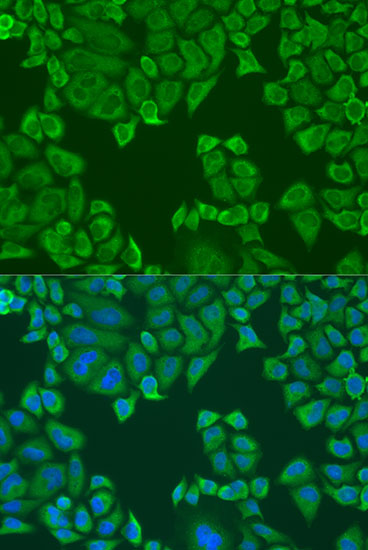
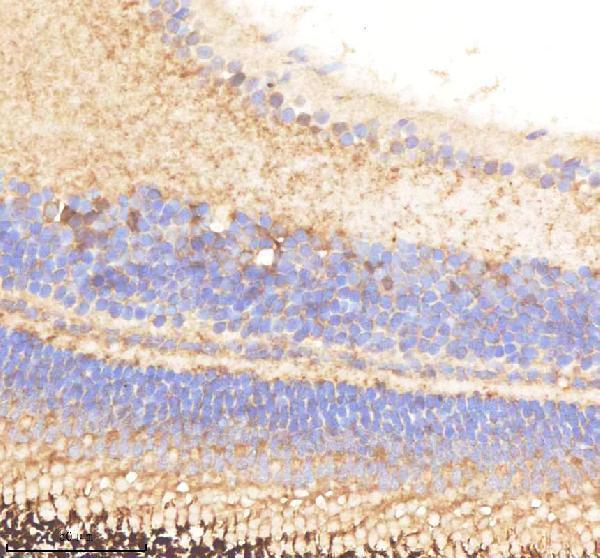
Cytoplasm. Localized in cytoplasmic mRNP granules containing untranslated mRNAs.




PMID: 8524242 by Yang H., et al. iPABP, an inducible poly(A)-binding protein detected in activated human T cells.
PMID: 9030741 by Houng A.K., et al. Identification and structure of activated-platelet protein-1, a protein with RNA-binding domain motifs that is expressed by activated platelets.