This website uses cookies to ensure you get the best experience on our website.


- Table of Contents
Designing a Western blot for Progesterone receptor? The guide has the expected band size, antibodies backed by real blot images, the controls to run alongside, and protocols taken from published papers.
Open the PGR Western Blot Guide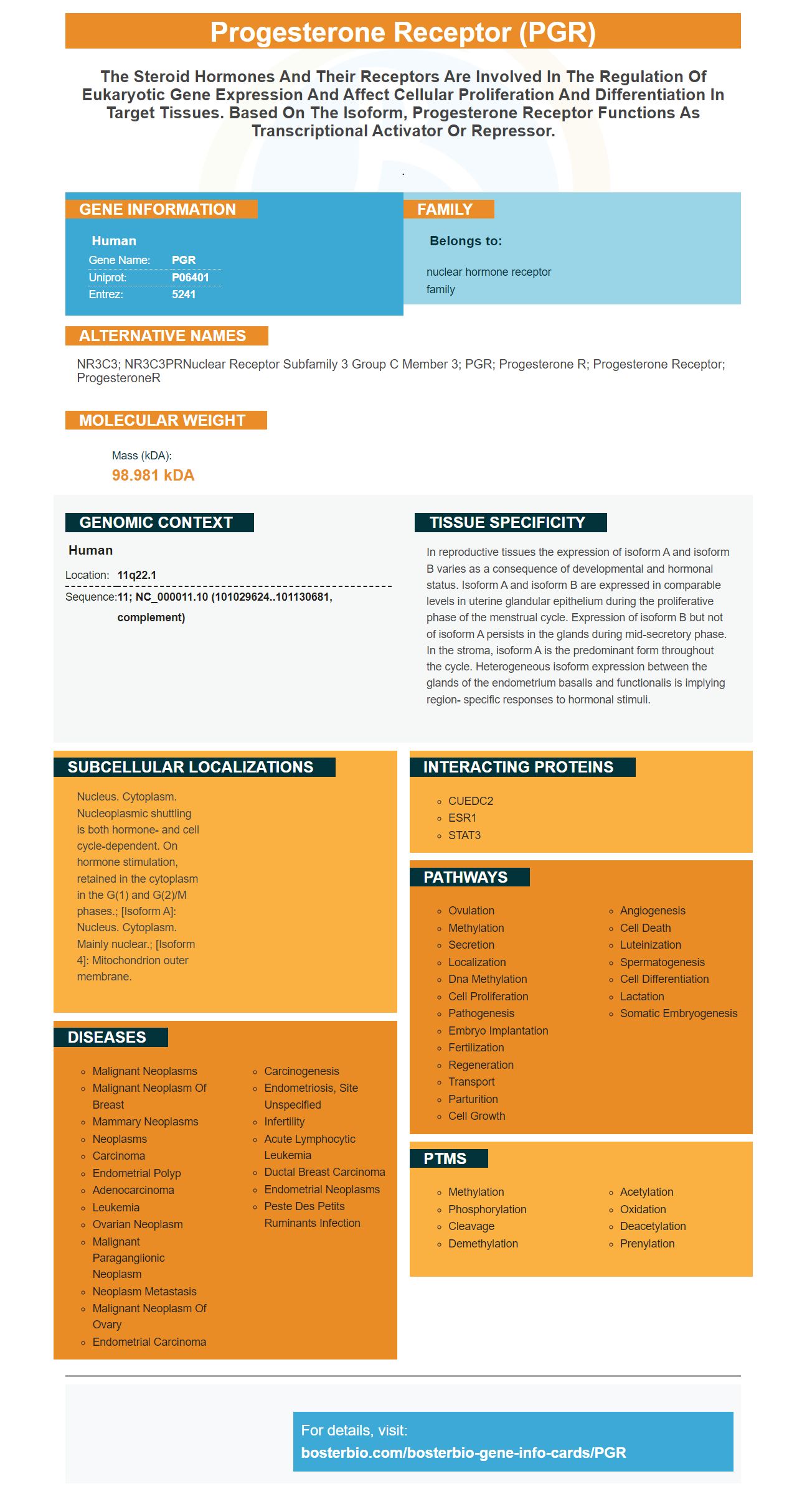
8 Citations
3 Citations
1 Citations


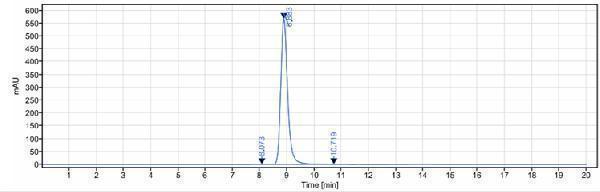
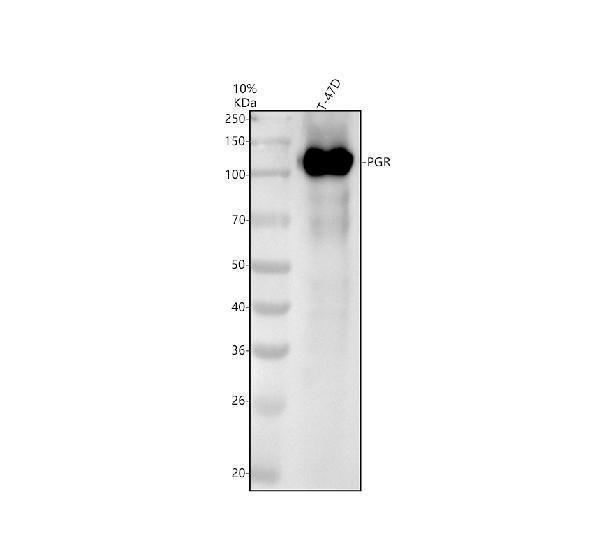
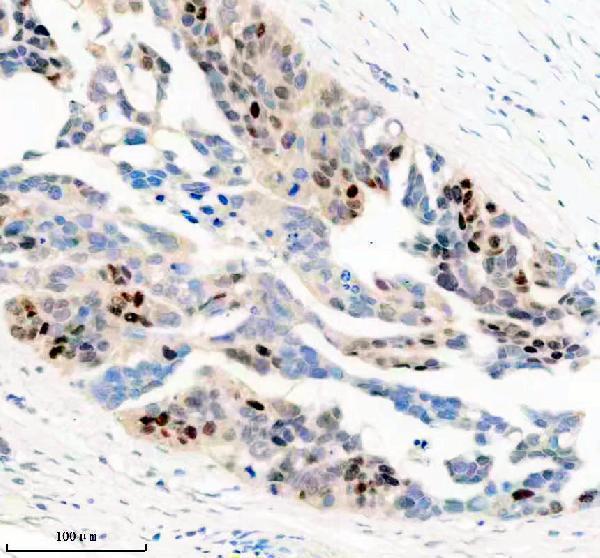
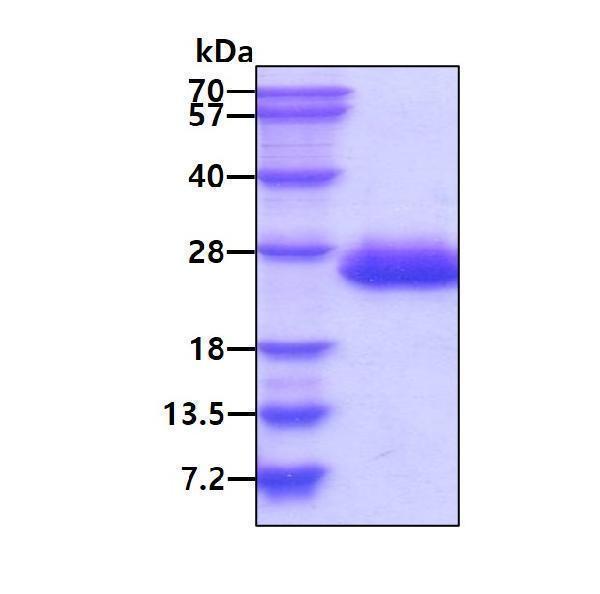


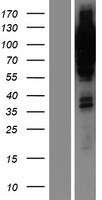
Facts about Progesterone receptor.
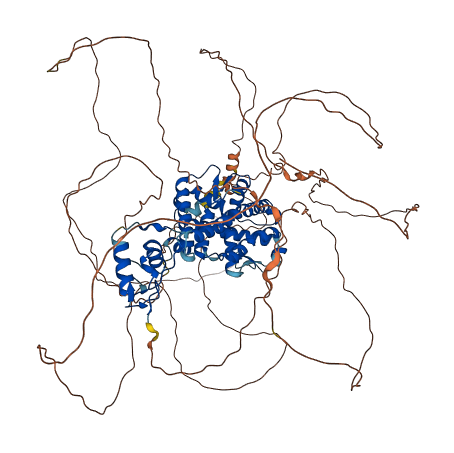
.
| Human | |
|---|---|
| Gene Name: | PGR |
| Uniprot: | P06401 |
| Entrez: | 5241 |
| Belongs to: |
|---|
| nuclear hormone receptor family |

NR3C3; NR3C3PRNuclear receptor subfamily 3 group C member 3; PGR; Progesterone R; progesterone receptor; ProgesteroneR
Mass (kDA):
98.981 kDA

| Human | |
|---|---|
| Location: | 11q22.1 |
| Sequence: | 11; NC_000011.10 (101029624..101130681, complement) |
In reproductive tissues the expression of isoform A and isoform B varies as a consequence of developmental and hormonal status. Isoform A and isoform B are expressed in comparable levels in uterine glandular epithelium during the proliferative phase of the menstrual cycle. Expression of isoform B but not of isoform A persists in the glands during mid-secretory phase. In the stroma, isoform A is the predominant form throughout the cycle. Heterogeneous isoform expression between the glands of the endometrium basalis and functionalis is implying region- specific responses to hormonal stimuli.
Nucleus. Cytoplasm. Nucleoplasmic shuttling is both hormone- and cell cycle-dependent. On hormone stimulation, retained in the cytoplasm in the G(1) and G(2)/M phases.; [Isoform A]: Nucleus. Cytoplasm. Mainly nuclear.; [Isoform 4]: Mitochondrion outer membrane.




PMID: 2328727 by Kastner P., et al. Two distinct estrogen-regulated promoters generate transcripts encoding the two functionally different human progesterone receptor forms A and B.
PMID: 3551956 by Misrahi M., et al. Complete amino acid sequence of the human progesterone receptor deduced from cloned cDNA.
*More publications can be found for each product on its corresponding product page