This website uses cookies to ensure you get the best experience on our website.


- Table of Contents
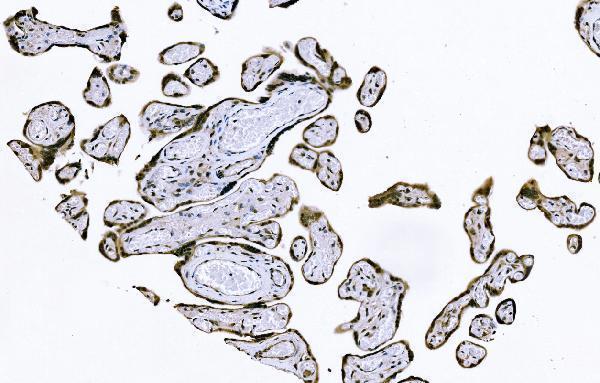
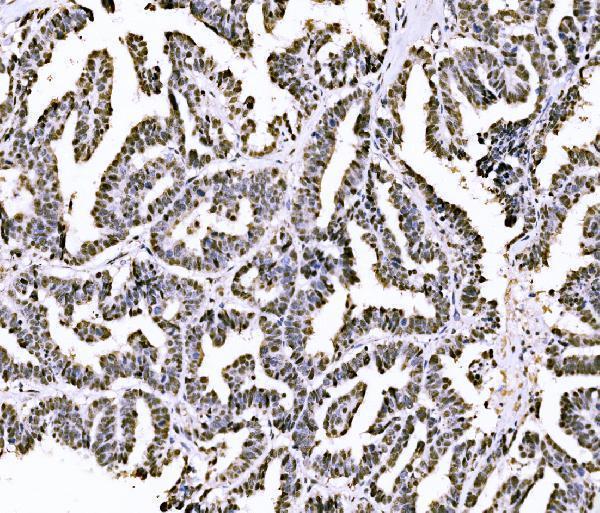
Designing an IHC experiment for Piwi-like protein 4? The guide has the expected staining pattern, antigen retrieval and fixation, antibodies backed by real IHC images, the tissue controls to run alongside, and protocols taken from published papers.
Open the PIWIL4 IHC Guide
Facts about Piwi-like protein 4.
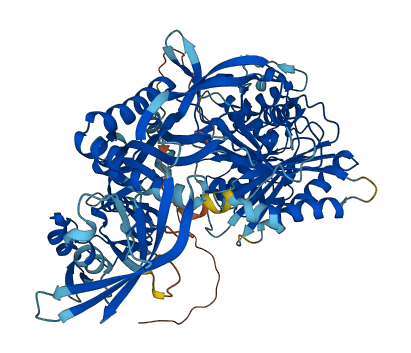
Directly binds piRNAs, a class of 24 to 30 nucleotide RNAs which are generated by a Dicer-independent mechanism and are primarily derived from transposons and other repeated sequence elements (By similarity). Associates with secondary piRNAs antisense and PIWIL2/MILI is required for such association (By similarity).
| Human | |
|---|---|
| Gene Name: | PIWIL4 |
| Uniprot: | Q7Z3Z4 |
| Entrez: | 143689 |
| Belongs to: |
|---|
| argonaute family |

DKFZp686P01248; FLJ36156; HIWI2; HIWI2MIWI2; MIWI2; PIWI; PIWIL4; piwi-like 4 (Drosophila); piwi-like protein 4
Mass (kDA):
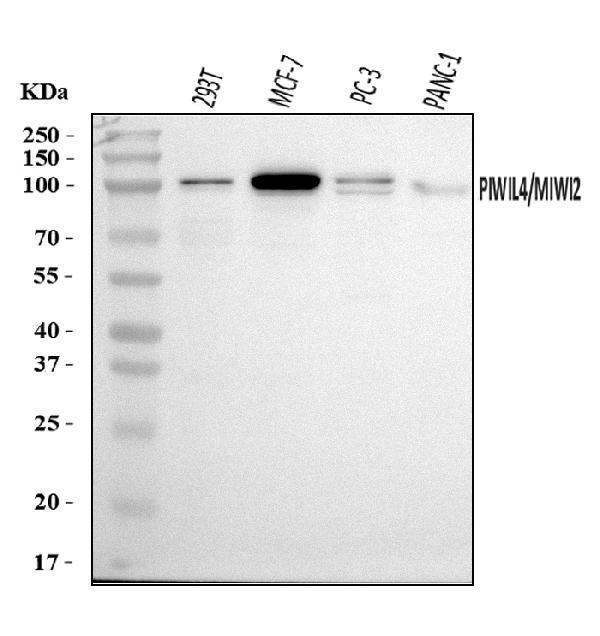
96.589 kDA

| Human | |
|---|---|
| Location: | 11q21 |
| Sequence: | 11; NC_000011.10 (94567368..94621421) |
Expressed in testis. According to PubMed:17544373, it is ubiquitously expressed.
Nucleus. Cytoplasm. Probable component of the meiotic nuage, also named P granule, a germ-cell-specific organelle required to repress transposon activity during meiosis. PIWIL2/MILI is required for nuclear localization (By similarity).


PMID: 12906857 by Sasaki T., et al. Identification of eight members of the Argonaute family in the human genome.
PMID: 17544373 by Sugimoto K., et al. The induction of H3K9 methylation by PIWIL4 at the p16Ink4a locus.