Customer Testimonials

Peer Reviews from Real Labs

Browse peer-submitted results linked to specific products—ratings, images, and practical notes included. Contribute your own result to strengthen the evidence base and claim rewards after verification.

Video Interviews

See real workflows and decision points—what researchers tried, what worked, and why. Share your story in a short interview and claim rewards!

Get Interview Rewards

Filter by category, reactivity, and host to find the most relevant peer results.

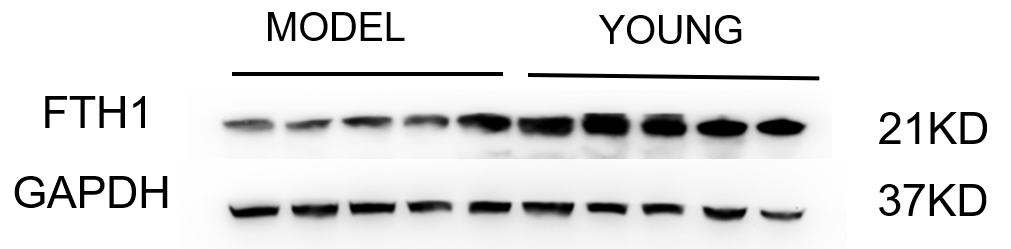
The FTH1 antibody was used to detect the expression of the target protein in human uterine tissue. The WB bands were single and clear, and compared with other domestic and international brands, this antibody offers excellent cost-performance.

Excellent, submitted by on
SKU M02401
Application Western Blot
Sample Mouse hippocampus tissue
Sample Processing Description The tissue was minced and sonicated, then lysed on ice for 1 hour using RIPA buffer. After centrifugation to collect the supernatant and protein quantification by BCA, samples were mixed with loading buffer at the appropriate ratio and denatured by boiling in a water bath. Fifteen microliters of each protein sample were loaded per lane onto SDS-PAGE gel.
Primary Antibody Anti-Ferritin FTH1 Rabbit Monoclonal Antibody
Primary Incubation overnight at 4 ℃
Secondary Antibody HRP-conjugated Anti-Rabbit IgG Secondary Antibody
Secondary Incubation 1 hour in room temperature
Detection Substrate: Ultra-sensitive ECL luminescent reagent (Cat# AR1191), Imaging system:Tanon
Results Summary The FTH1 antibody was used to detect the expression of the target protein in human uterine tissue. The WB bands were single and clear, and compared with other domestic and international brands, this antibody offers excellent cost-performance.

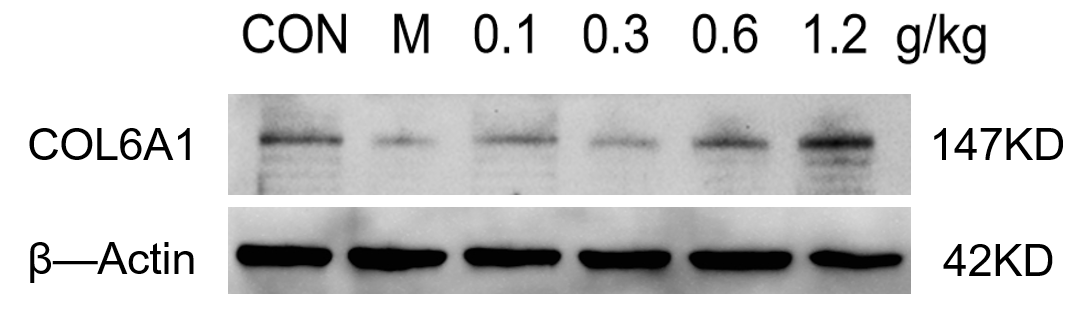
Western blot analysis was performed using the COL6A1 antibody to detect COL6A1 protein expression in the mouse hippocampus.

Excellent, submitted by on
SKU M02226
Application Western Blot
Sample Mouse hippocampus tissue
Sample Processing Description The mouse hippocampus was lysed in RIPA buffer supplemented with a protease inhibitor cocktail. After protein quantification, samples were mixed with 5× protein loading buffer and denatured by heating at 100°C for 10 minutes. Five microliters of each protein sample were loaded per lane onto SDS-PAGE.
Primary Antibody Anti-Collagen VI COL6A1 Rabbit Monoclonal Antibody
Primary Incubation overnight at 4 ℃
Secondary Antibody HRP-conjugated Anti-Rabbit IgG Secondary Antibody
Secondary Incubation 1 hour in room temperature
Detection Substrate: Ultra-sensitive ECL luminescent reagent (Cat# AR1191), Imaging system:ChemiDoc MP
Results Summary Western blot analysis was performed using the COL6A1 antibody to detect COL6A1 protein expression in the mouse hippocampus. Although minor non-specific bands were observed, they did not affect the trend analysis, indicating that the antibody is suitable for detecting the target protein in this tissue.

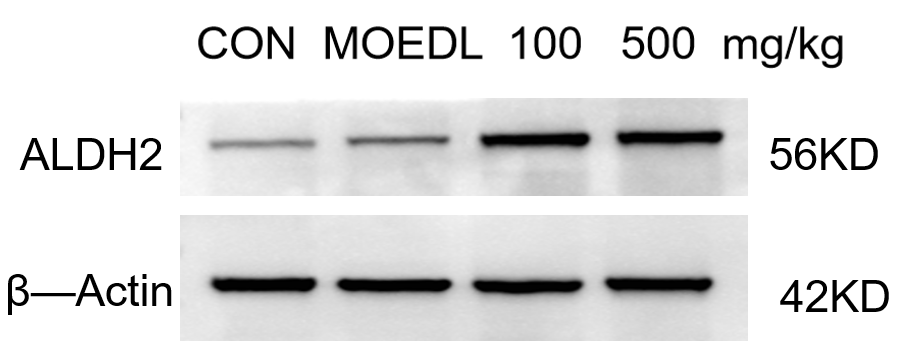
The antibody was used to perform WB quantitative detection of ALDH2 protein in mouse hippocampus. The experimental results showed clear and distinct bands, indicating that it is suitable for WB detection of ALDH2 protein in mouse tissues.

Excellent, submitted by on
SKU PB9472
Application Western Blot
Sample Mouse hippocampus tissue
Sample Processing Description The mouse hippocampus tissue was lysed using RIPA lysis buffer supplemented with a protease inhibitor cocktail. Protein concentration was determined, and samples were mixed with 5× protein loading buffer and denatured by heating at 100°C for 10 minutes. Five microliters of each protein sample were loaded per lane onto SDS-PAGE.
Primary Antibody Anti-ALDH2 Antibody Picoband®
Primary Incubation overnight at 4 ℃
Secondary Antibody HRP-conjugated Anti-Rabbit IgG Secondary Antibody
Secondary Incubation 1 hour in room temperature
Detection Substrate: Ultra-sensitive ECL luminescent reagent (Cat# AR1191), Imaging system: ChemiDoc MP (Bio-Rad)
Results Summary The antibody was used for quantitative WB detection of ALDH2 protein in mouse hippocampus. The results showed clear and distinct bands, indicating its suitability for WB detection of ALDH2 protein in mouse tissues.

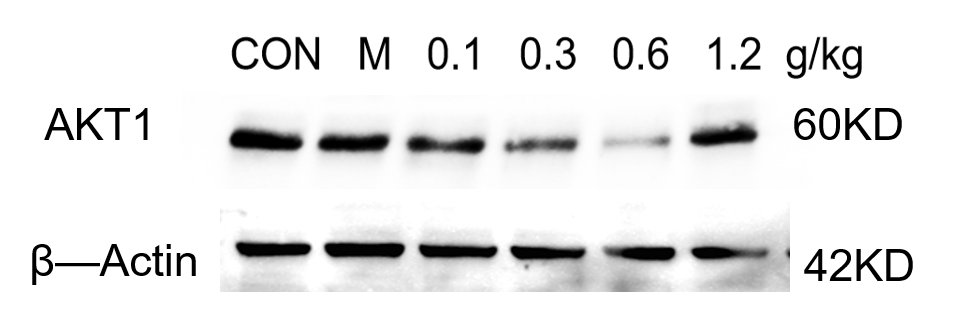
Western blot analysis of AKT1 protein in mouse hippocampus using the AKT1 antibody showed clear bands. The antibody is suitable for mouse hippocampal tissue samples.

Excellent, submitted by on
SKU M00024-1
Application Western Blot
Sample Mouse hippocampus tissue
Sample Processing Description The mouse hippocampus was lysed with RIPA buffer containing a protease inhibitor cocktail. After protein quantification, samples were mixed with 5× protein loading buffer and heated for 10 minutes to denature. Load 5 μL of protein per lane and apply to SDS-PAGE.
Primary Antibody Anti-AKT1 Monoclonal Antibody
Primary Incubation overnight at 4 ℃
Secondary Antibody HRP-conjugated Anti-Rabbit IgG Secondary Antibody
Secondary Incubation 1 hour in room temperature
Detection Substrate: Ultra-sensitive ECL luminescent reagent (Cat# AR1191), Imaging system: ChemiDoc MP (Bio-Rad)
Results Summary Western blot analysis of AKT1 protein in the mouse hippocampus using the AKT1 antibody showed clear bands. This antibody is suitable for mouse hippocampal tissue samples.

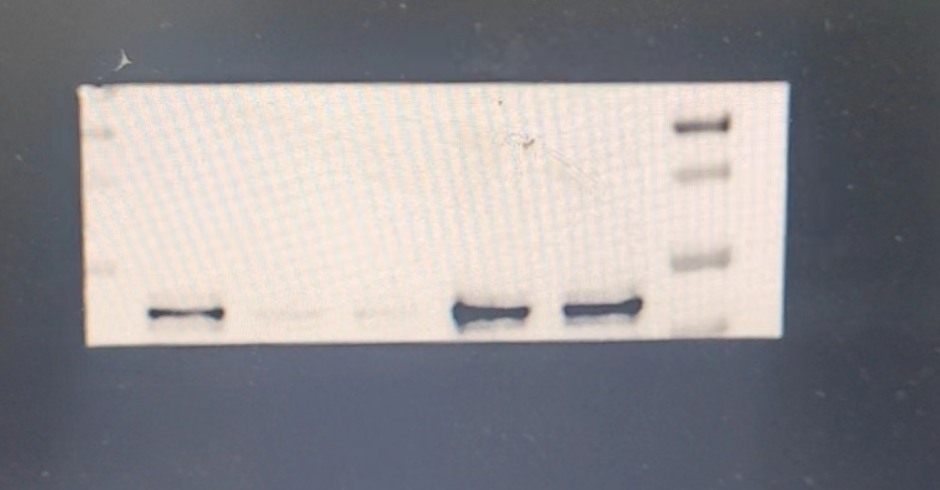
This antibody exhibits high specificity and clear bands, and the resulting experimental data are reliable, providing important support for elucidating the molecular mechanisms underlying the role of PTN in this study.

Excellent, submitted by on
SKU P30433
Application Western Blot
Sample Mouse Spinal
Sample Processing Description Tissue samples were directly lysed in RIPA lysis buffer, mixed with loading buffer at the appropriate ratio, and denatured by heating at 98°C. Then, 20 μl of each cell protein sample was loaded into each lane of the SDS-PAGE gel.
Primary Antibody Phospho GRF-1 (Tyr1105) Antibody
Primary Incubation 1:1000, overnight at 4 ℃
Blocking Agent 5% non-fat milk
Secondary Antibody HRP-conjugated anti-rabbit IgG
Secondary Incubation Incubate at room temperature for 1 hour
Detection Substrate: ECL substrate, Imaging system: Sangon Biotech
Results Summary I will purchase Boster products again and recommend them to my classmates and colleagues.

The staining is clear, highly specific, with almost no non-specific bands.

Excellent, submitted by on
SKU PA2290
Application Western Blot
Sample Protein extracts from LA795 and 16HBE cells.
Sample Processing Description After collecting the cells, lyse them with RIPA buffer containing protease inhibitors, quantify the protein using the BCA assay, and add loading buffer proportionally. Denature by heating at 98 °C. Load the samples onto SDS-PAGE, with 30 μg of total protein per lane.
Primary Antibody Anti-TMEM16A/ANO1 Antibody Picoband®
Primary Incubation 1:1000, overnight at 4 ℃
Blocking Agent 5% non-fat milk
Secondary Antibody HRP-conjugated goat anti-rabbit IgG
Secondary Incubation Incubate at room temperature for 1 hour
Detection Substrate: ECL substrate, Imaging system: Tanon
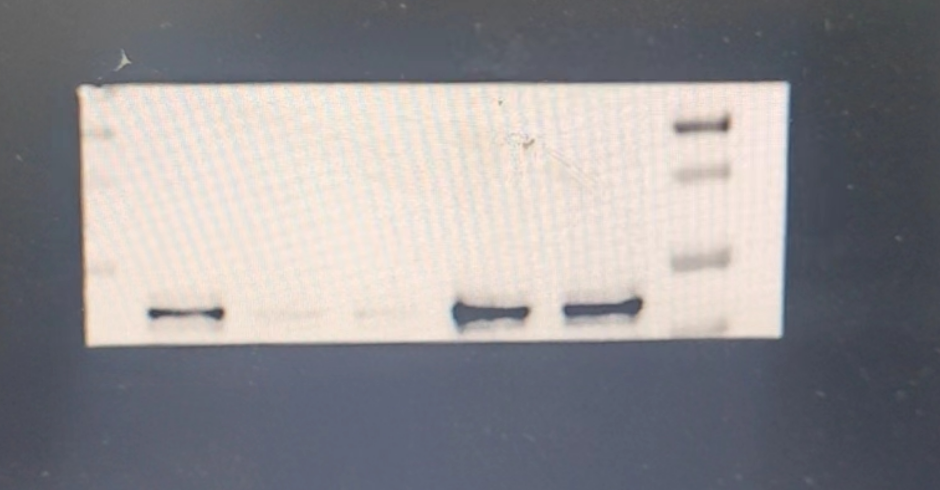
Results Summary The TMEM16A antibody we previously used was never ideal; despite long-term optimization, it was difficult to obtain clear bands. This time, by using BOSTER’s polyclonal antibody, we achieved much better experimental results. The bands were successfully exposed in essentially one attempt, with clear signals and no non-specific bands. We are very satisfied with Boster’s antibody.

I was so thrilled that I took the photo below — it felt like a true treasure.

Excellent, submitted by on
SKU PB9234
Application ICC/IF
Sample Endothelial cells
Sample Processing Description Endothelial cells were seeded in collagen gel-treated chips for 12 hours.
Primary Antibody Anti-ZO1 tight junction protein/TJP1 Antibody Picoband®
Primary Incubation 1:200, overnight at 4 ℃
Blocking Agent Ready-to-use Goat Serum
Secondary Antibody Goat Anti-Rabbit IgG (H+L) Secondary Antibody, DyLight®488 Conjugated(BA1127)
Secondary Incubation Incubate at room temperature for 1 hour
Other reagents DAPI (AR1176), Anti-fade mounting medium
Detection Fluorescence microscope
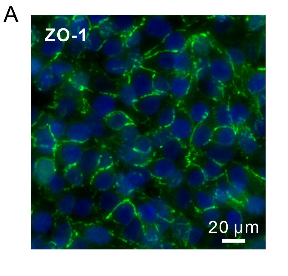
Results Summary At a critical stage of our manuscript preparation, we needed to stain tight junction proteins in endothelial cells. After trying primary antibodies from many companies without achieving satisfactory results, it was ultimately Boster’s product that solved the problem (Figure 5A). I was so excited that I took the photo below — treating it like a true treasure.

Highly prone to positive signals, with precise localization of expression

Excellent, submitted by on
MA1083 Immunofluorenscence
SKU MA1083
Application Immunofluorenscence
Sample Mouse MC-8 cells
Sample Processing Description 4% paraformaldehyde for 15 minutes
Primary Antibody Anti-PCNA Antibody (Monoclonal, PC 10)
Primary Incubation 1:1000, overnight at 4 ℃
Blocking Agent Goat serum
Secondary Antibody DyLight 550-conjugated goat anti-rabbit antibody.
Secondary Incubation Incubate at room temperature for 1 hour
Detection Laser confocal microscopy
Results Summary I will purchase Boster products again and recommend them to my classmates and colleagues.

This antibody is highly efficient and specific, with virtually no non-specific bands.

Excellent, submitted by on
A00284-1 Immunofluorenscence
SKU A00284-1
Application Immunofluorenscence
Sample Mouse cell climbing slides
Sample Processing Description Cells were directly lysed in NP40 lysis buffer, mixed with loading buffer at the appropriate ratio, and denatured by heating at 98°C. The samples were then loaded onto SDS-PAGE, with 20 μl of cell protein sample per lane.
Primary Antibody Anti-NF-kB p65/RELA Antibody Picoband®
Primary Incubation 1:2000, overnight at 4 ℃
Blocking Agent 5% Non-fat milk
Secondary Antibody HRP-conjugated Goat Anti-Rabbit IgG
Secondary Incubation Incubate at room temperature for 1 hour
Detection Imaging system: Tanon, ECL substrate
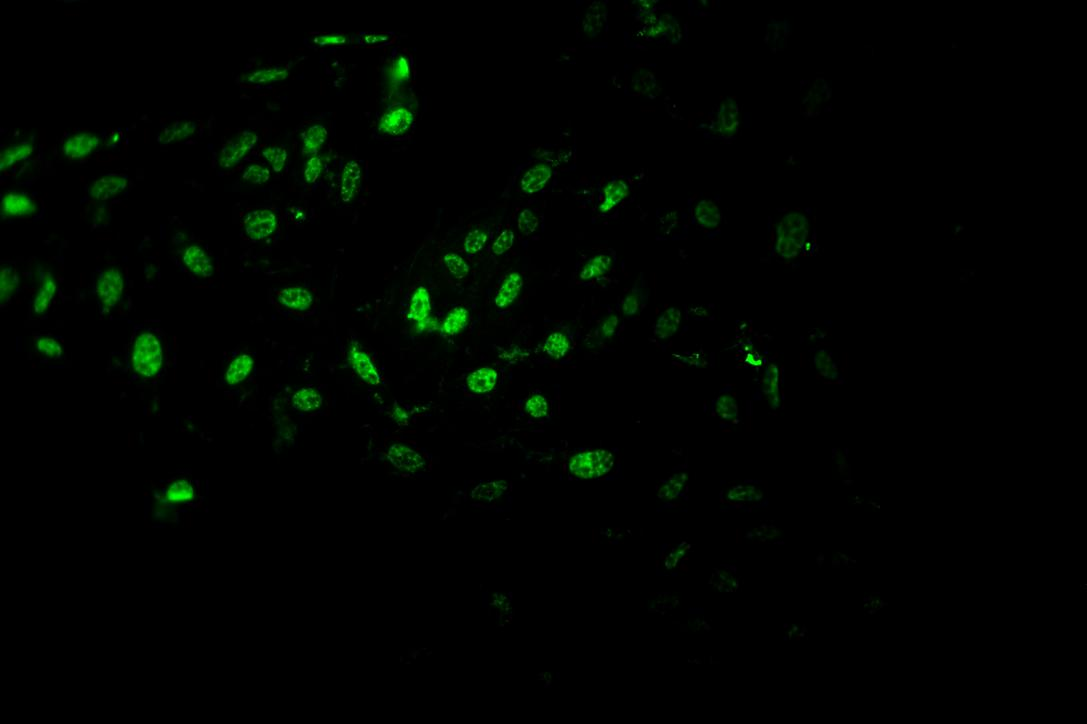
Results Summary I will purchase Boster products again and recommend them to my classmates and colleagues.

Highly prone to positive signals, with precise expression localization

Excellent, submitted by on
SKU M00656
Application Immunofluorenscence
Sample Mouse MC-8 cells
Sample Processing Description 4% paraformaldehyde for 15 minutes
Primary Antibody Anti-MMP14/Mt1 Mmp Rabbit Monoclonal Antibody
Primary Incubation 1:200, overnight at 4 ℃
Blocking Agent Goat serum
Secondary Antibody DyLight 488-conjugated Goat Anti-Rabbit IgG.
Secondary Incubation Incubate at room temperature for 1 hour
Detection Laser confocal microscopy
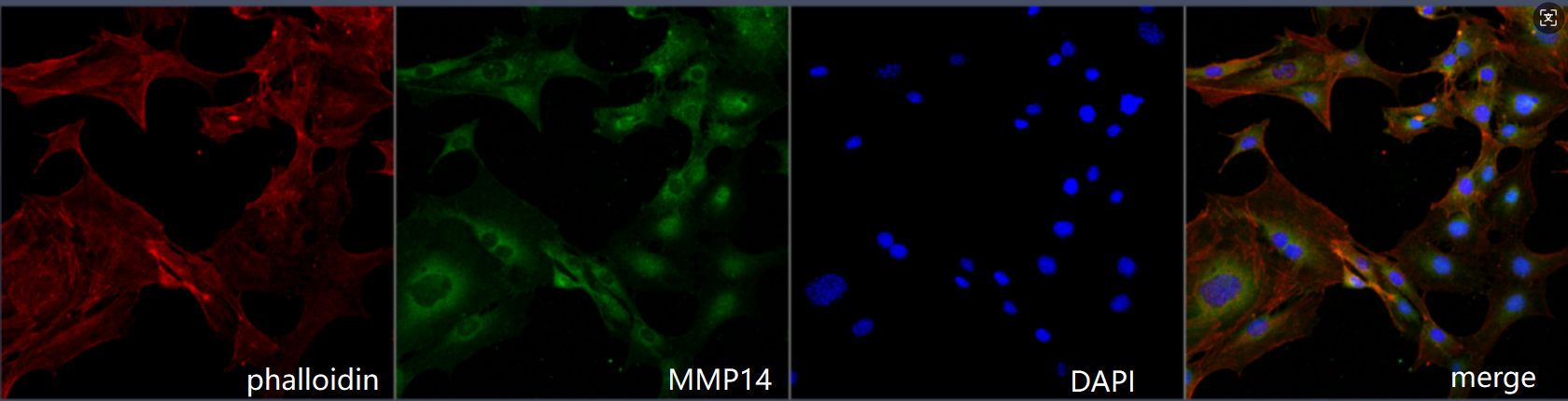
Results Summary I will purchase Boster products again and recommend them to my classmates and colleagues.