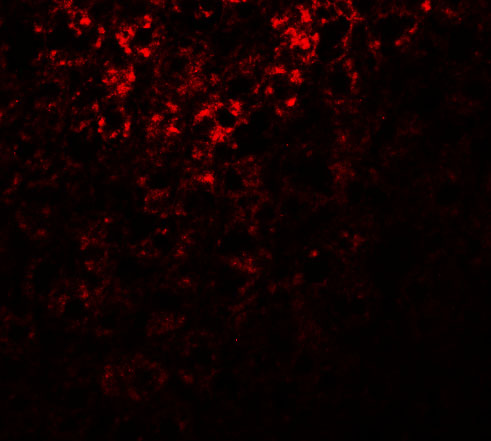
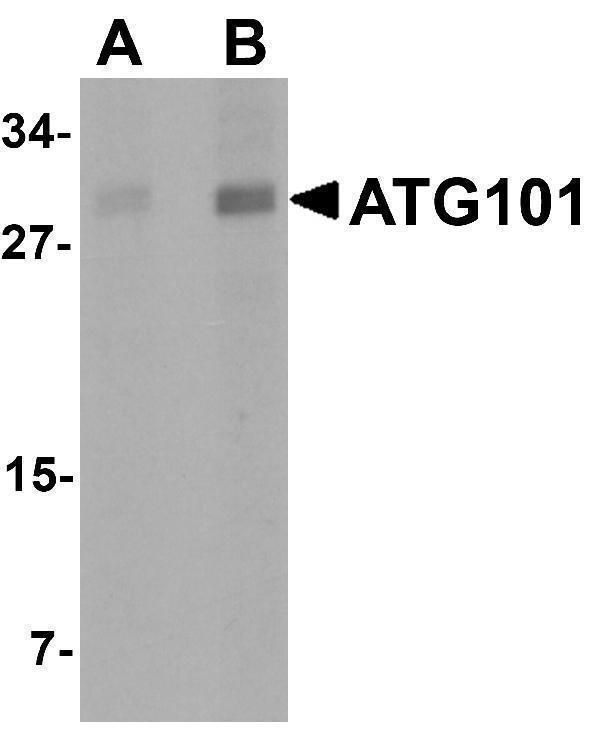
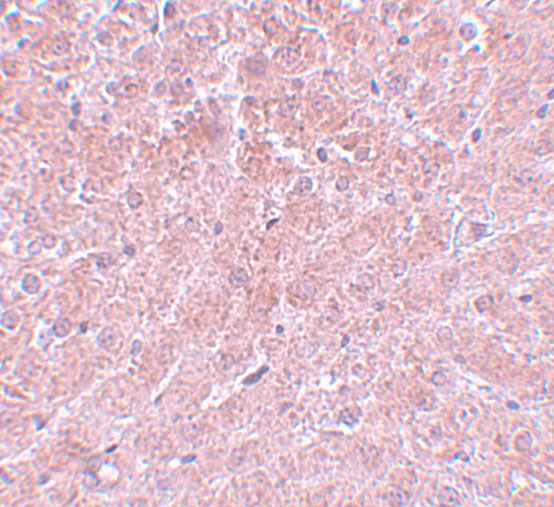
C12ORF44 antibody (A07713) performs well in ELISA, IF, IHC-P, WB and shows reactivity with Human, Mouse, Rat.
  • Validated for inter-lot consistency, specificity, and reproducibility
  • Committed to quality since 1993
Filter:
a07713 c12orf44 primary antibodies wb testing 1a07713 c12orf44 primary antibodies ihc testing 2a07713 c12orf44 primary antibodies if testing 3

Anti-Autophagy-related protein 101 ATG101 Antibody

C12ORF44 antibody

Reactive SpeciesHostApplication
Human, Mouse, RatRabbitELISA, IF, IHC-P, WB

SKU: A07713

Size: 0.1 mg

Bundle to save: I do not want free secondary ab
Price:
$481/0.1 mg

In stock. Ships Next Business Day.

Quantity: 1

1
Get A Quote
Guarantee / Product Promise

Recommend Dilution

Application
Dilution
Species
ATG101 antibody can be used for detection of ATG101 by Western blot at 1 - 2 μg/mL. Antibody can also be used for immunohistochemistry starting at 5 μg/mL. For immunofluorescence start at 20 μg/mL.
Antibody validated: Western Blot in human samples; Immunohistochemistry in mouse samples and Immunofluorescence in mouse samples. All other applications and species not yet tested. Optimal dilutions for each application should be determined by the researcher.

* It is recommended to optimize the amount of this reagent in each experimental system to achieve the best results.

Product Information

Product Name
Anti-Autophagy-related protein 101 ATG101 Antibody
View all C12ORF44 Antibodies
Form
Liquid
Uniprot
Gene ID
Storage & Handling
ATG101 antibody can be stored at 4°C, stable for up to one year. Avoid repeated freeze-thaw cycles. Antibodies should not be exposed to prolonged high temperatures.
Host
Rabbit
Contents
ATG101 Antibody is supplied in PBS containing ≤0.09% sodium azide.
Clonality
Polyclonal
Isotype
IgG
Immunogen
ATG101 antibody was raised against a 16 amino acid synthetic peptide near the center of human ATG101. The immunogen is located within amino acids 80 - 130 of ATG101.
Observed Molecular Weight
68 kDa
Calculated Molecular Weight

25.0 kDa

Background of C12ORF44
Autophagy, the process of bulk degradation of cellular proteins through an autophagosomic-lysosomal pathway is important for normal growth control and may be defective in tumor cells. It is involved in the preservation of cellular nutrients under starvation conditions as well as the normal turnover of cytosolic components. This process is negatively regulated by TOR (Target of rapamycin) through phosphorylation of autophagy protein ATG1. ATG101 is a recently discovered protein that stabilizes ATG13, another autophagy protein that forms a complex with the mammalian homologs of ATG1, ULK1 and ULK2, and with FIP200. This complex is a target of TOR phosphorylation under normal conditions; inhibition of TOR by rapamycin or leucine deprivation leads to dephosphorylation of ATG13, ULK1 and ULK2, which then leads to autophagy. ATG101 also interacts with ULK1 and is essential for autophagy.
Cite This Product
Anti-Autophagy-related protein 101 ATG101 Antibody (Boster Biological Technology, Pleasanton CA, USA, Catalog # A07713)

Review

Have you used Anti-Autophagy-related protein 101 ATG101 Antibody?

Submit a review and receive $370 in product credits, a $185 Amazon gift card, or our carefully curated gift bundles.

Product Promise

We promise Anti-Autophagy-related protein 101 ATG101 Antibody performs excellently in relevant applications for ELISA, IF, IHC-P, WB. If it doesn't perform as promised, we will refund the product. Learn more

In stock
Order Product
A07713
Buy one primary antibody get one 0.5ml HRP or Biotin secondary antibody for free.
*Sample sizes are prepared on demand and will take extra lead time. (cannot be conjugated)
$481.00

Troubleshooting

troubleshooting-box-image

Download troubleshooting handbooks for IHC, Western blot and ELISA for FREE.

Download Free PDFs Now

Boster Guarantee

Guaranteed product quality

Guaranteed product quality

We promise all of our products perform as described in datasheets.

This product is for Research Use Only. Not for use in diagnostic procedures.

Update date: Oct 5, 2026