This website uses cookies to ensure you get the best experience on our website.


- Table of Contents
Boster Bio antibodies and ELISA kits are validated across specificity, performance, and reproducibility to provide clear evidence of product quality and experimental reliability.
Antibody or assay development and candidate generation.
Identify candidates with suitable binding and performance.
Evaluate specificity, performance, reproducibility, and relevant biological or quantitative attributes.
Products meeting defined quality requirements are released.
Antibody validation is organized around four experimental questions: Does the antibody recognize the right target? Does detection change when the target is genetically removed or reduced? Does it perform consistently? Does the signal reflect biological changes? and Does the antibody perform across relevant experimental contexts?
Determine whether the observed signal corresponds to the intended target rather than nonspecific binding or unrelated proteins.
KO/KD validation assesses antibody specificity by comparing signal between wild-type and knockout or knockdown samples. Loss or reduction of the expected signal after target depletion provides genetic evidence for target-specific antibody recognition.
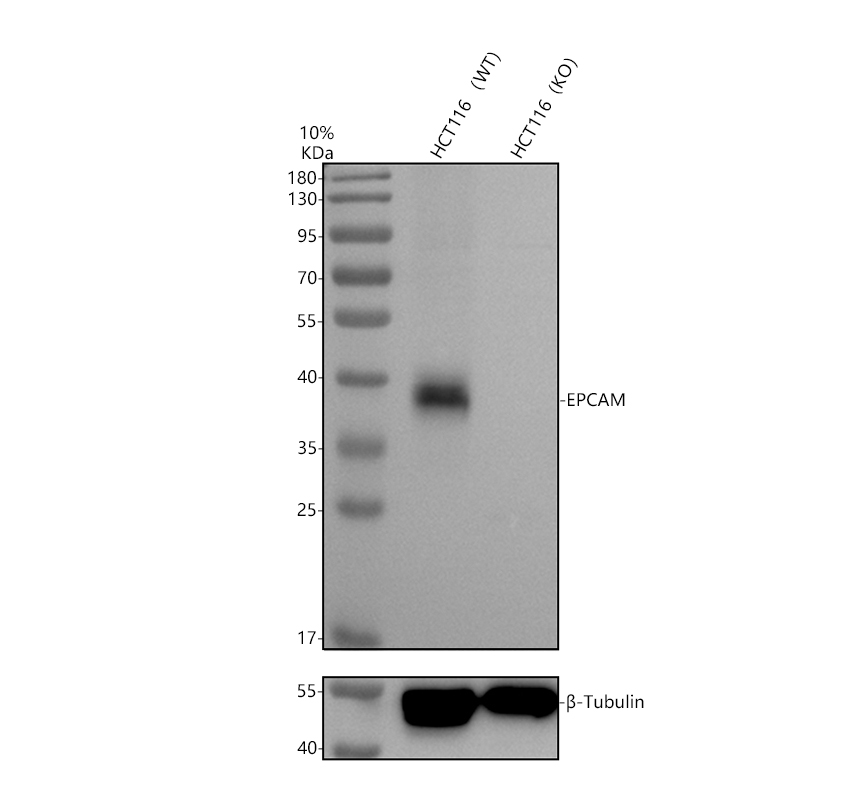
Target expression is used to assess whether the corresponding protein signal is lost or substantially reduced.
PB10059 · EpCAM · HCT116 WT / KO →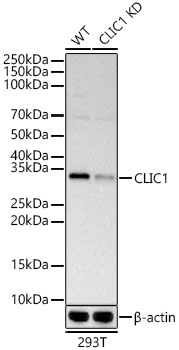
Target expression is reduced by knockdown to assess whether the antibody signal decreases accordingly.
A02397 · CLIC1 · HeLa WT / CLIC1 KD →A signal at the expected molecular weight alone does not fully confirm target specificity. KO/KD validation provides additional genetic evidence by evaluating whether antibody recognition changes when the intended target protein is genetically removed or reduced.
Comparing antibody signals between wild-type and KO/KD samples helps distinguish target-associated signals from potential non-specific recognition. Signal reduction after target depletion provides additional evidence that antibody detection is dependent on the intended target protein.
Compared with validation based only on signal observation, KO/KD validation introduces an independent genetic control by modifying target expression and evaluating the corresponding antibody response. This genetic evidence provides additional confidence in the specificity and performance of Boster validated antibodies.
Boster already offers a growing selection of antibodies supported by KO/KD validation. KO/KD validation is being expanded across our antibody portfolio, with additional validated targets and supporting data added on an ongoing basis.
Explore KO/KD-Validated Antibodies →Compare samples with known target expression or appropriate negative controls to assess whether signal detection is target-dependent.

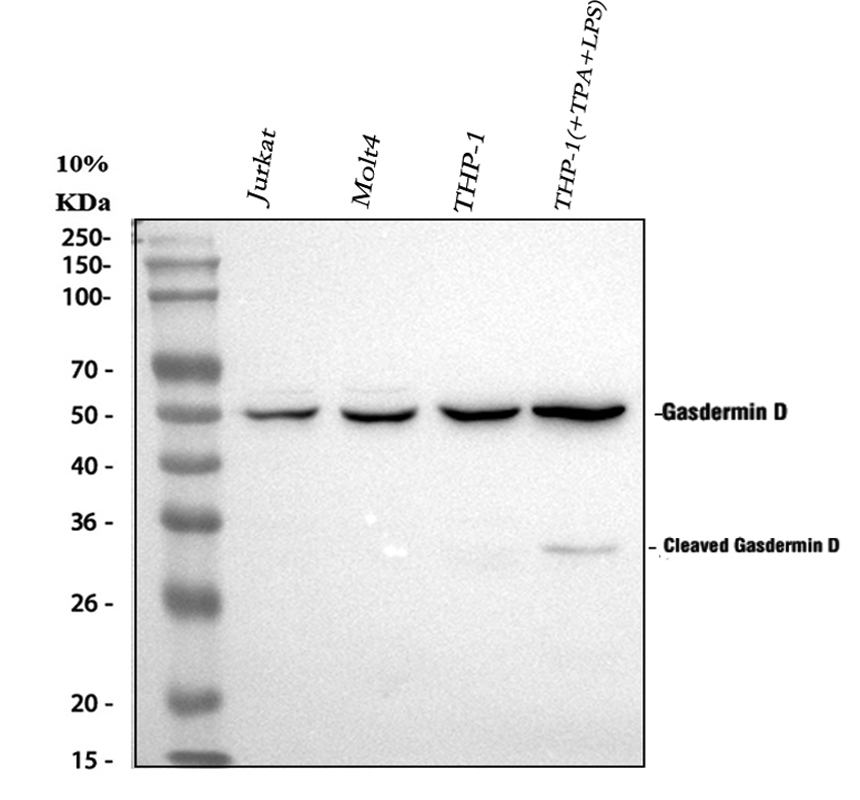
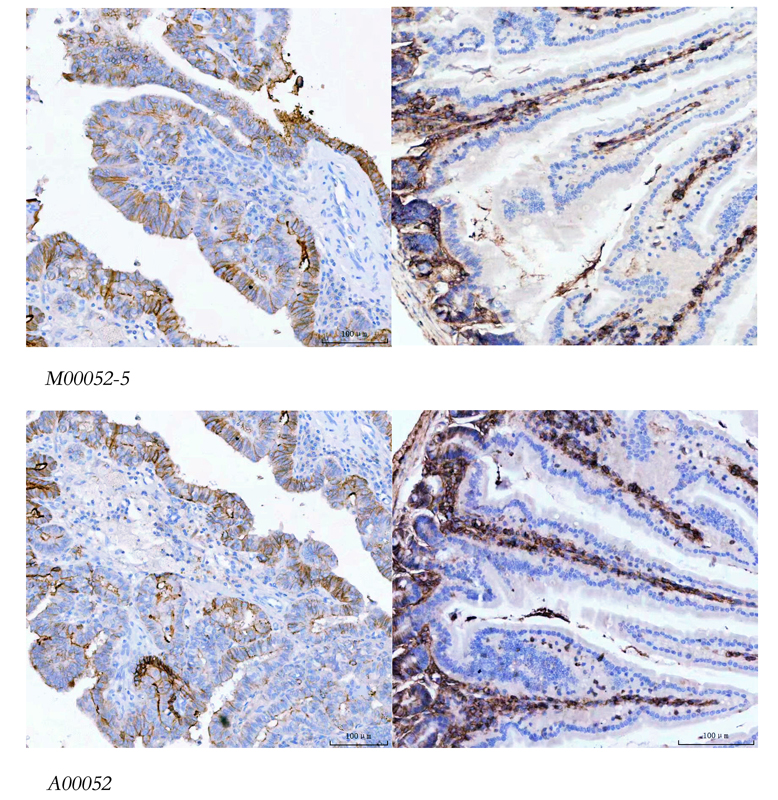
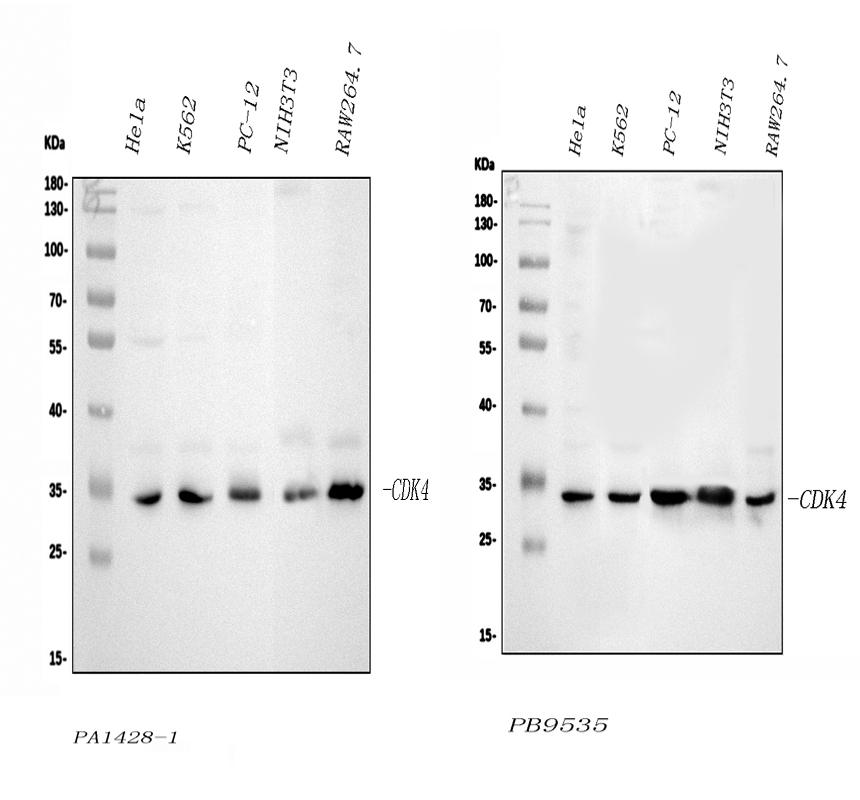
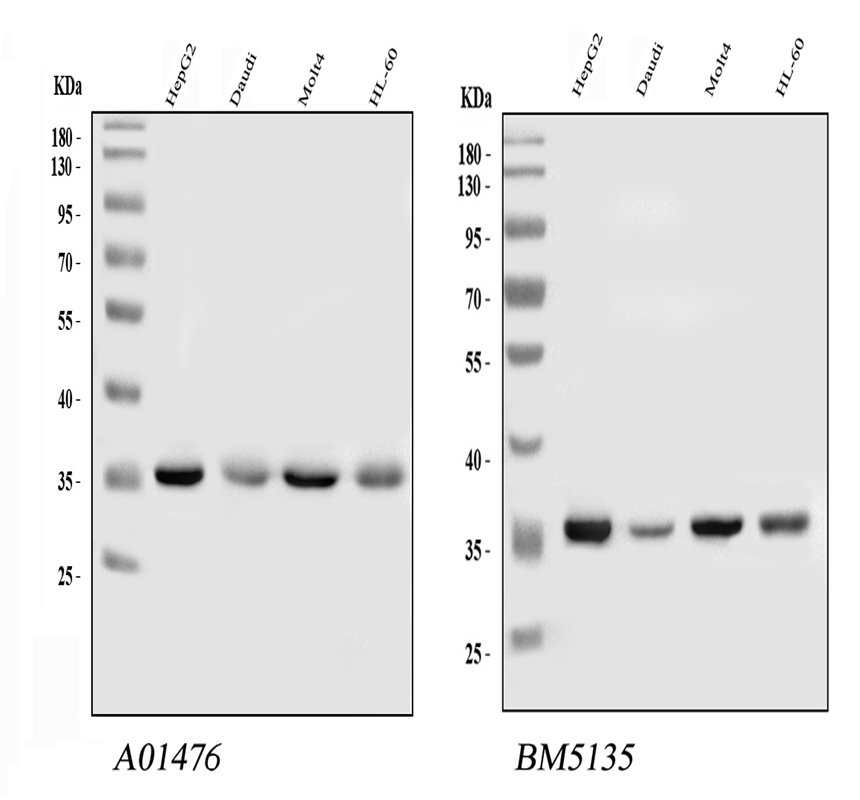
Different antibodies recognizing the same target provide complementary evidence for target-specific detection.
Antibody reproducibility is evaluated to determine whether expected target detection and signal patterns remain consistent across production lots and comparable experimental conditions. Consistent performance across lots helps support reliable experimental interpretation over time.
Independent production lots are evaluated using the same biological samples under comparable conditions to determine that expected target detection is maintained across batches.

Reproducibility does not require identical signal intensity in every experiment. Variation can occur due to experimental conditions, while reliable antibodies should maintain consistent target detection patterns that support comparable interpretation.
Comparing independent lots helps evaluate whether established target-detection behavior is maintained when a new batch is introduced. This additional quality control supports confidence that Boster Bio validated antibodies provide consistent performance beyond a single production lot.
Antibody signals are evaluated under defined biological perturbations to determine whether they reflect expected changes in target abundance or state.
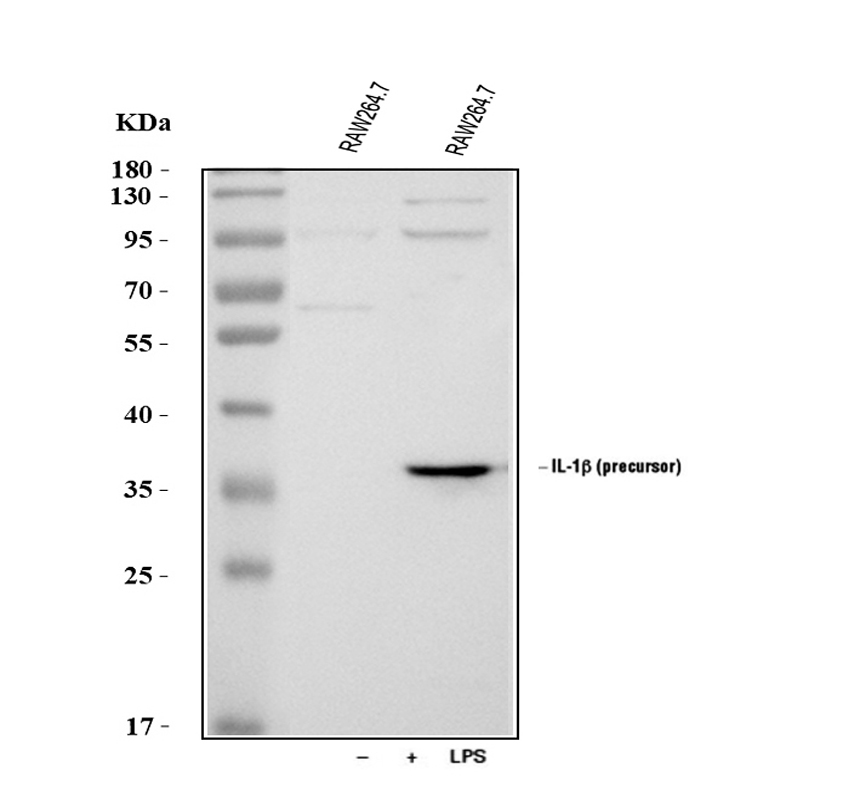
Cellular stimuli are applied to evaluate antibody detection of biologically regulated changes.
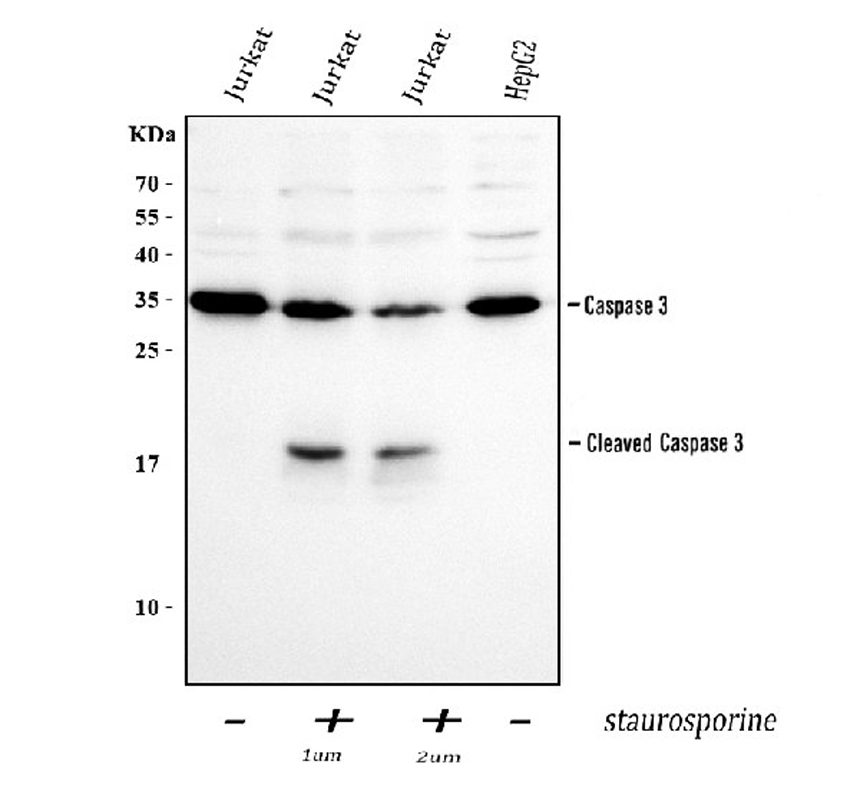
Drug or chemical treatment is used to induce a known biological change in target expression or protein state.
Antibody signals are evaluated to determine whether they change as expected following stimulation or drug / chemical treatment.
Antibody performance is examined across representative experimental materials and biological contexts to provide broader evidence of practical applicability.
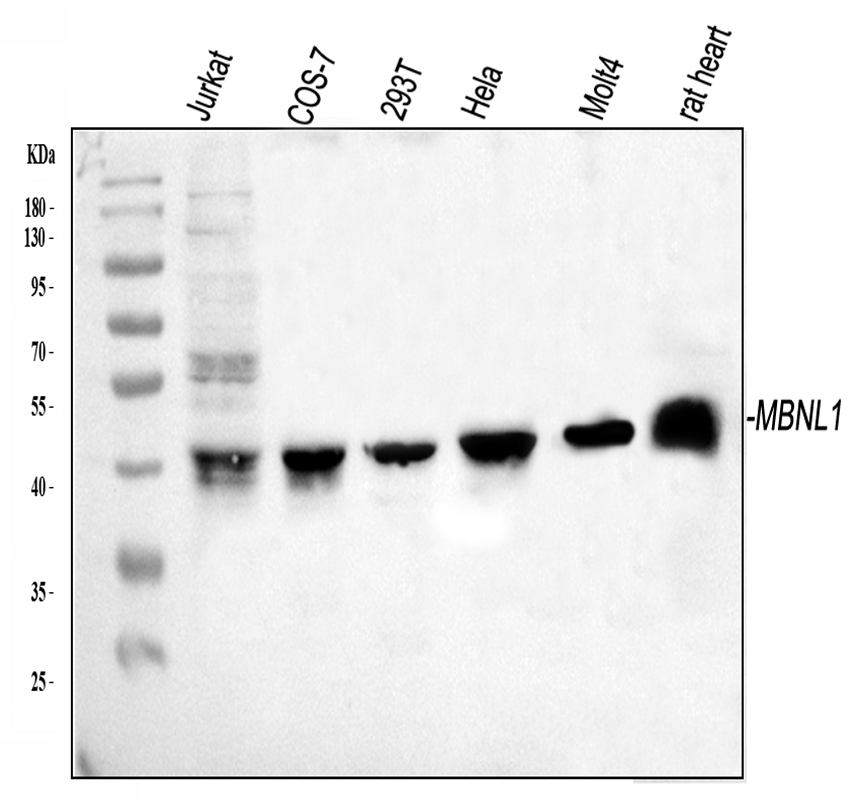
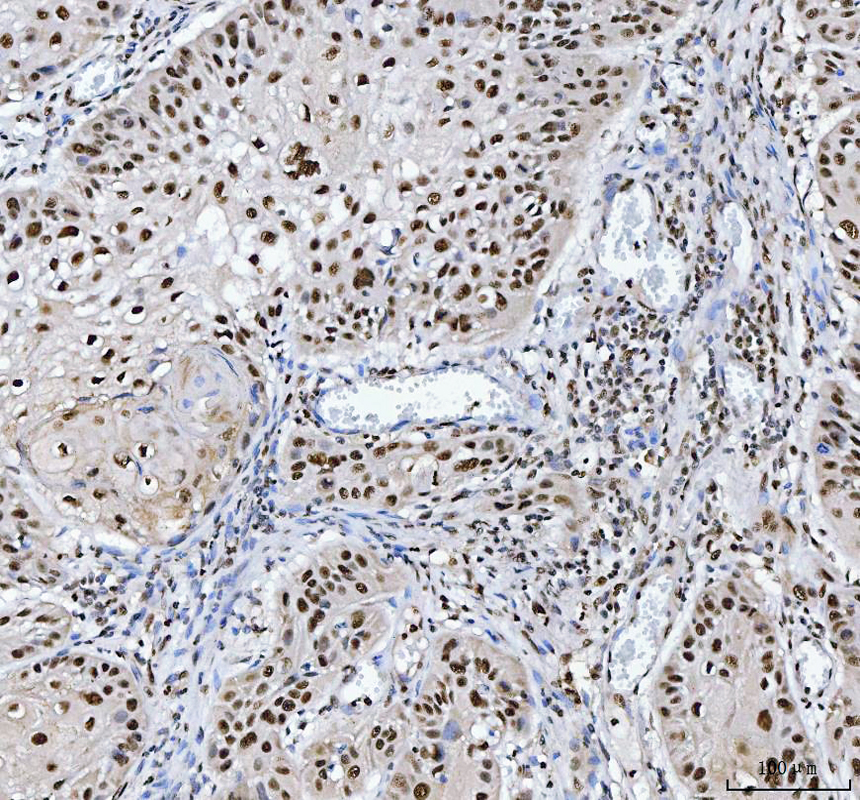
Representative cell lines, recombinant proteins, and tissues provide different biological contexts for evaluating antibody performance.
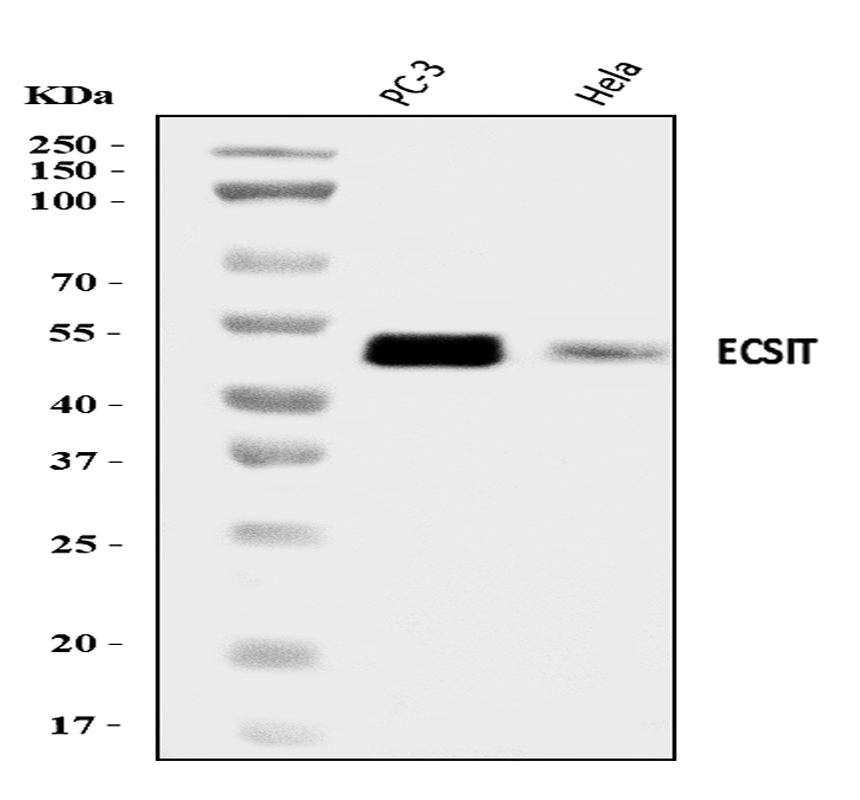
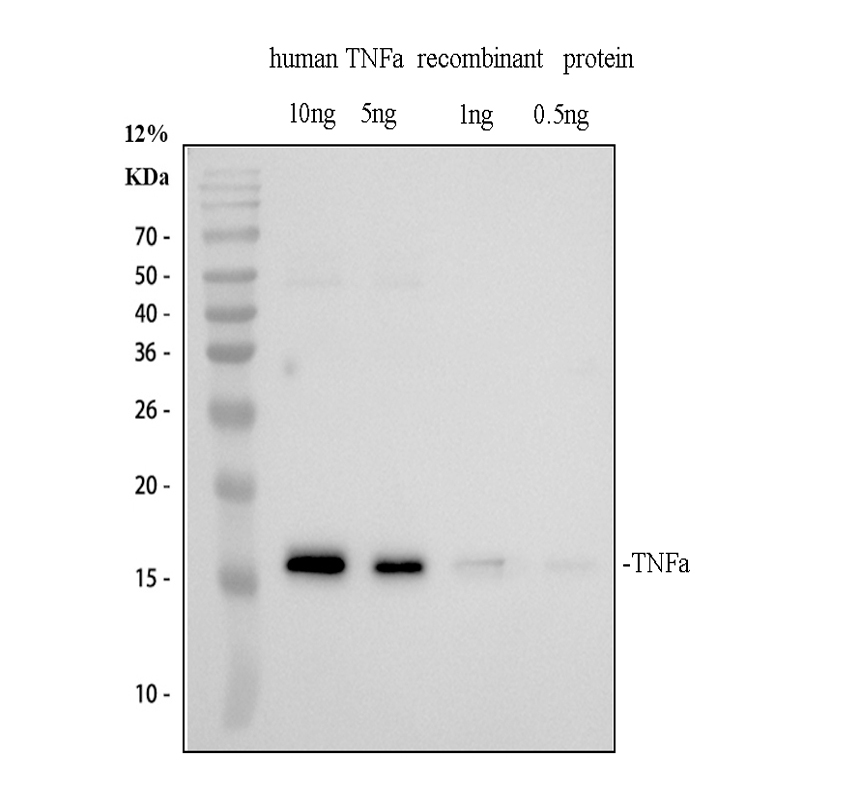
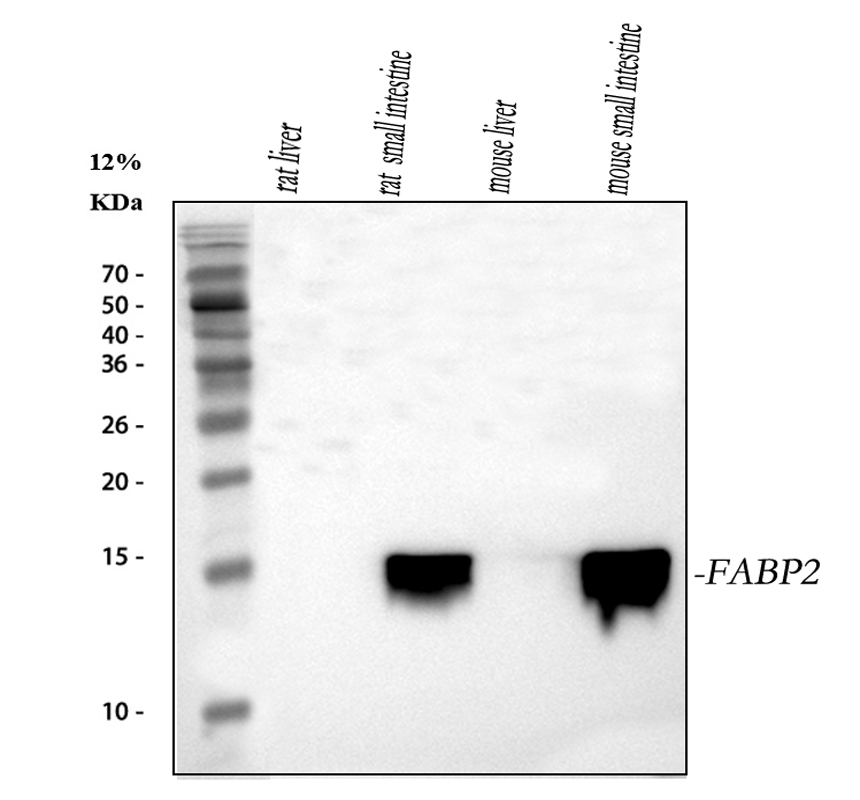
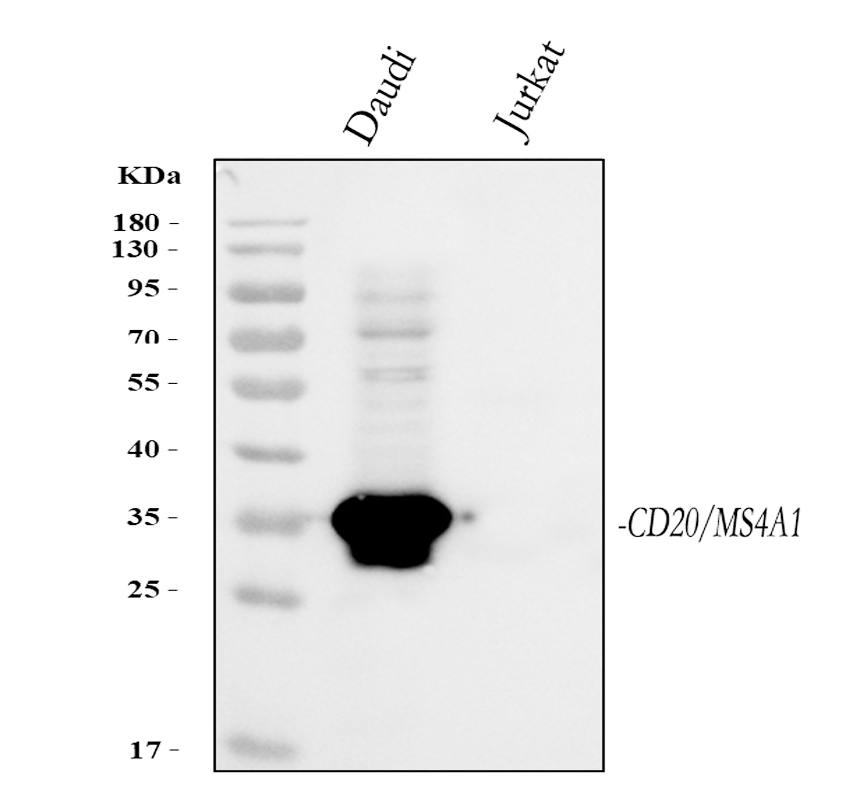
Positive & Negative Controls — Target-Specific Detection
Western blot evidence used to evaluate whether the observed signal corresponds to the intended target under appropriate positive and negative control conditions.
Lot-to-Lot Reproducibility of Mouse Anti-TCP1 Monoclonal Antibody
Western blot analysis of TCP1 using anti-TCP1 antibody (M02389). Independent production lots were evaluated using human A549 and PANC-1 whole-cell lysates under comparable experimental conditions.
Electrophoresis was performed on an 8% SDS-PAGE gel at 70 V for the stacking gel and 90 V for the resolving gel for 2–3 hours. Each lane was loaded with 50 µg of sample under reducing conditions.
After electrophoresis, proteins were transferred to a nitrocellulose membrane at 150 mA for 70 minutes. The membrane was blocked with 5% non-fat milk in TBS for 1.5 hours at room temperature and incubated overnight with mouse anti-TCP1 monoclonal antibody (M02389) at 0.2 µg/mL.
After washing with TBS containing 0.1% Tween-20 three times for 5 minutes each, the membrane was incubated with goat anti-mouse IgG-HRP secondary antibody at a dilution of 1:5000 for 1.5 hours at room temperature.
Signals were developed using an enhanced chemiluminescence detection kit (Catalog # EK1002) with the Tanon 5200 system.
TCP1 was detected at approximately 60 kDa, consistent with its expected molecular weight.
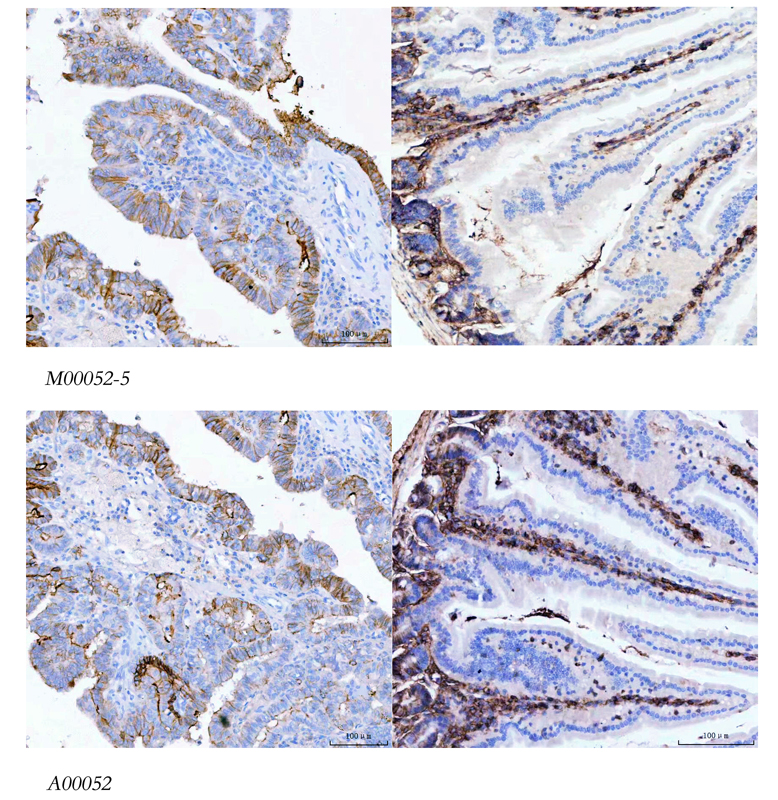
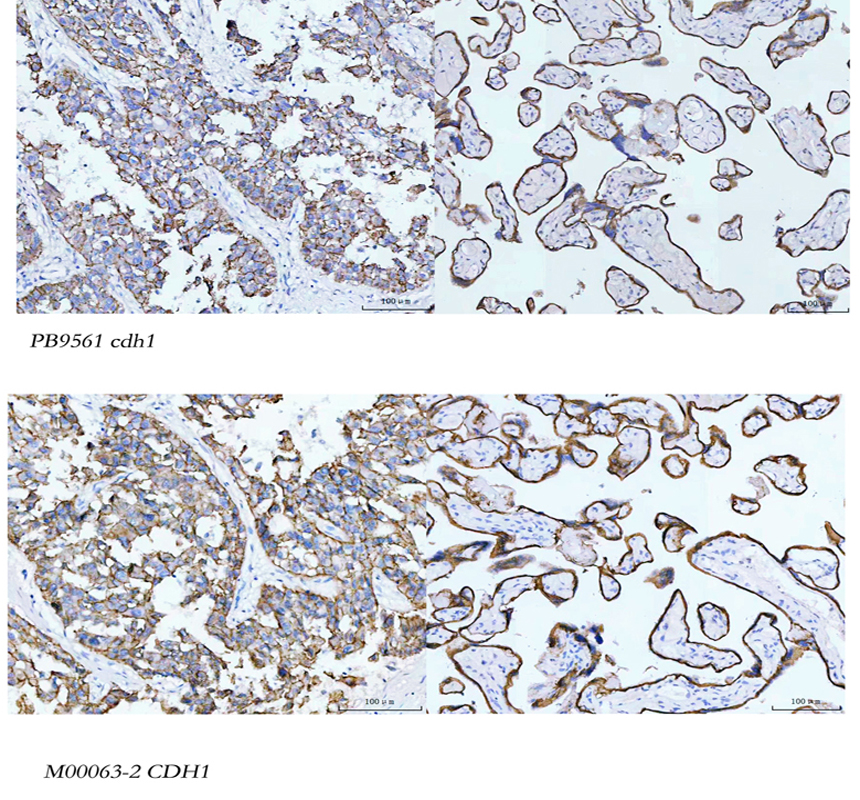
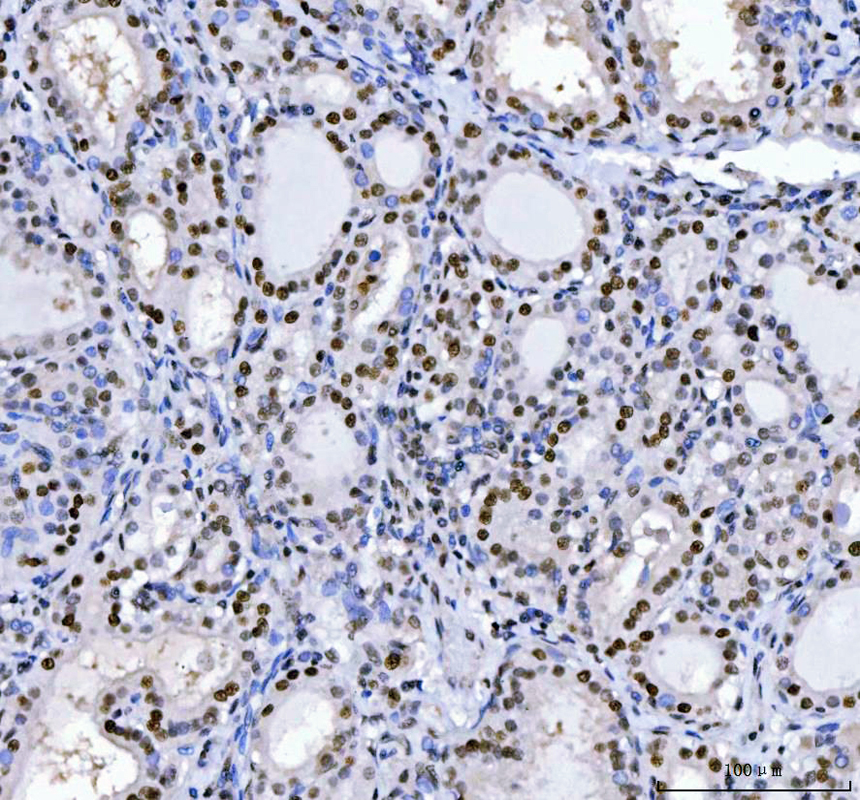





PB10059 · EpCAM
HCT116 WT / KO · Knockout Western blot validation
A02397 · CLIC1
HeLa WT / CLIC1 KD · Knockdown Western blot validation
ELISA kit validation evaluates assay specificity, sensitivity, precision, quantitative accuracy, lot-to-lot reproducibility, and stability to support reliable quantitative measurements across different experimental conditions.
Assay specificity is evaluated by examining whether the kit detects the intended analyte without meaningful cross-reactivity with related proteins.
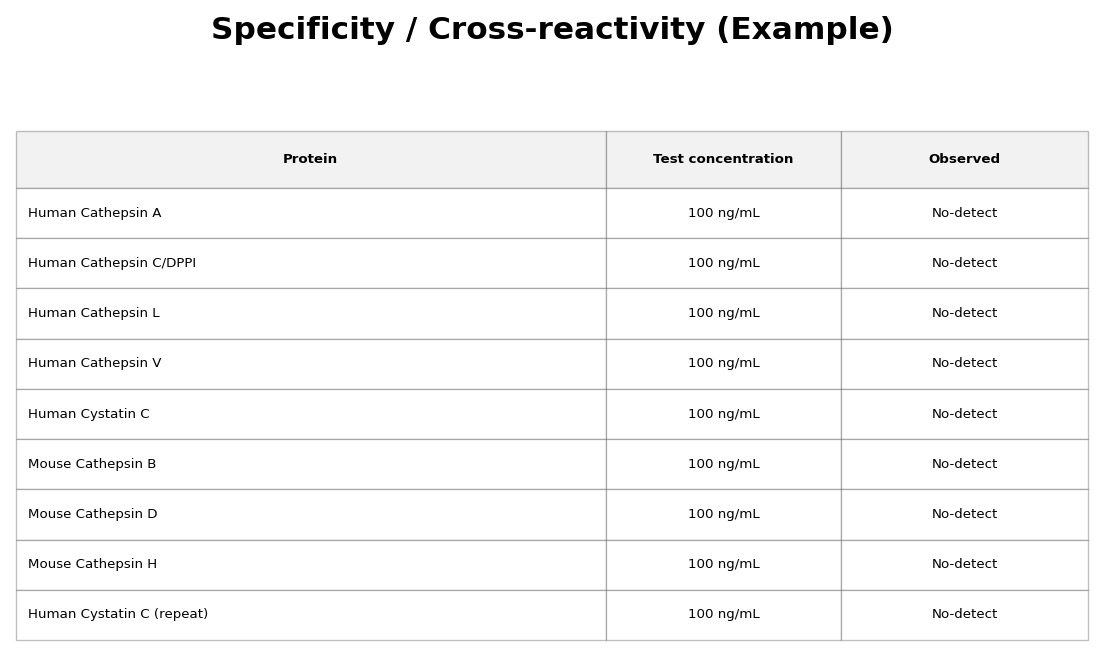
Related proteins are evaluated to assess potential cross-reactivity and determine whether assay signal remains selective for the intended analyte.
Assay sensitivity is evaluated by determining the minimum detectable dose under defined assay conditions.
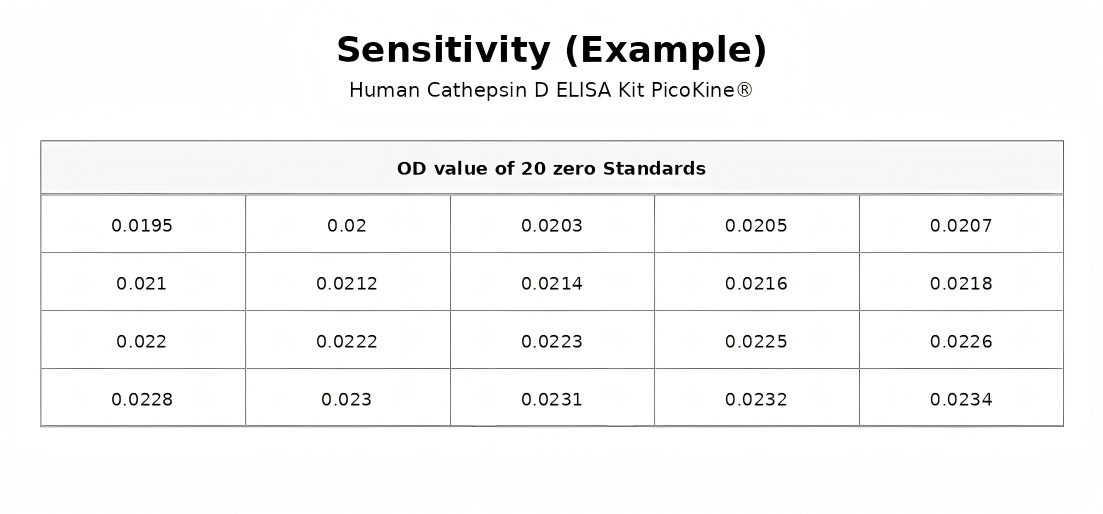
Low-concentration analyte measurements are evaluated to determine the lowest analyte level that can be reliably distinguished from assay background under defined conditions.
Precision is evaluated by measuring variation within the same assay and across independent assay runs.
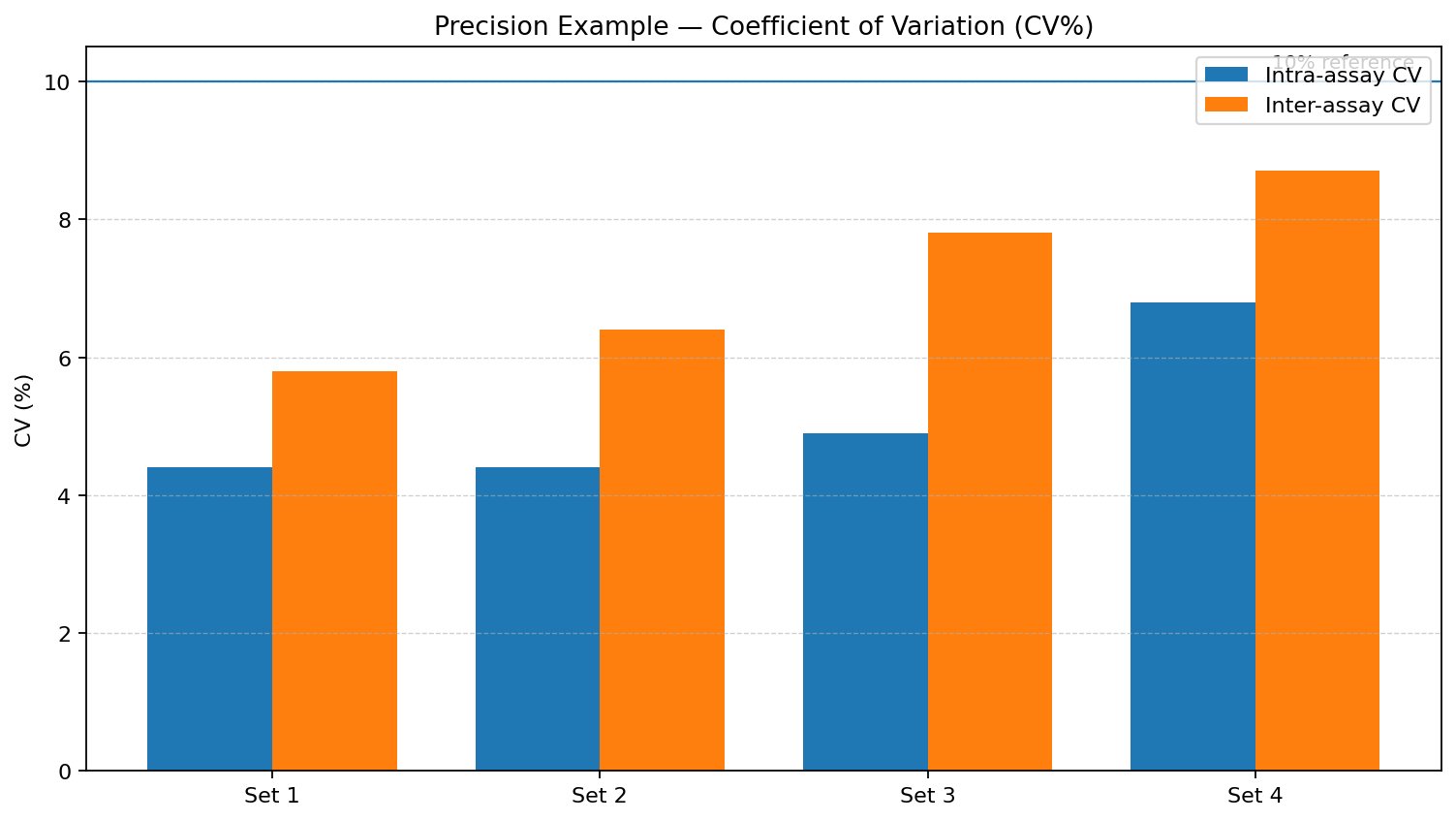
Replicate samples are evaluated within the same assay and across separate runs to assess measurement variability and overall assay consistency.
Good agreement between replicate wells demonstrates intra-assay precision, but it does not necessarily guarantee that the same sample will produce comparable results on a different plate or assay day.
Inter-assay precision evaluates this additional source of variability by comparing results across independent runs. Together, intra-assay and inter-assay precision help determine whether observed differences are more likely to reflect real sample variation rather than assay variability.
Quantitative performance is evaluated by examining measured results across sample dilutions and after analyte recovery from relevant sample matrices.
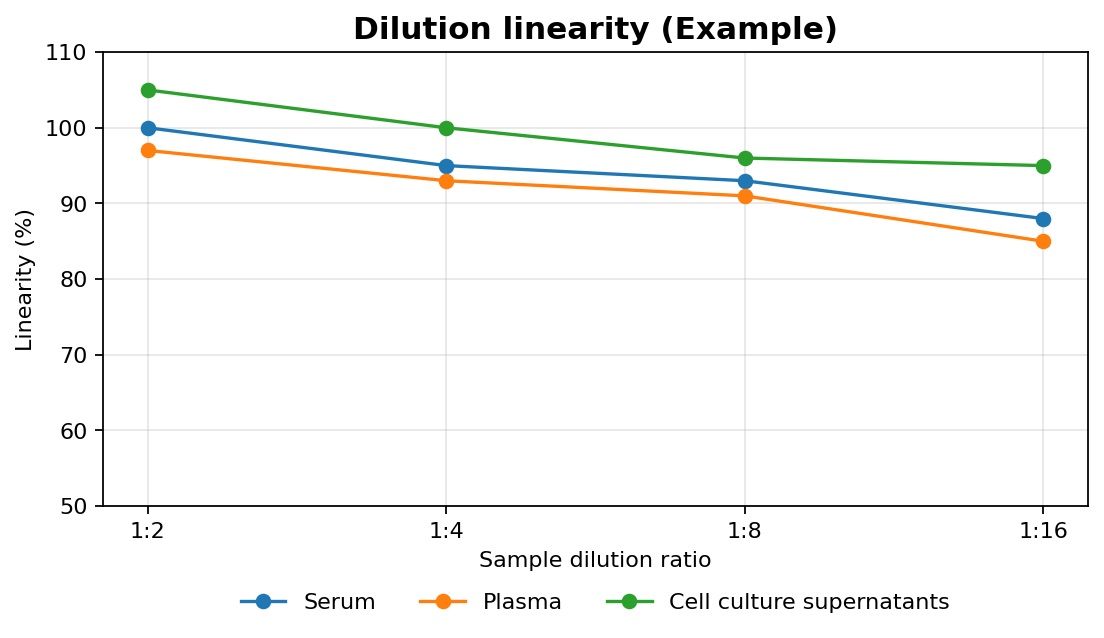
Samples are tested across serial dilutions to determine whether measured concentrations change proportionally with dilution.
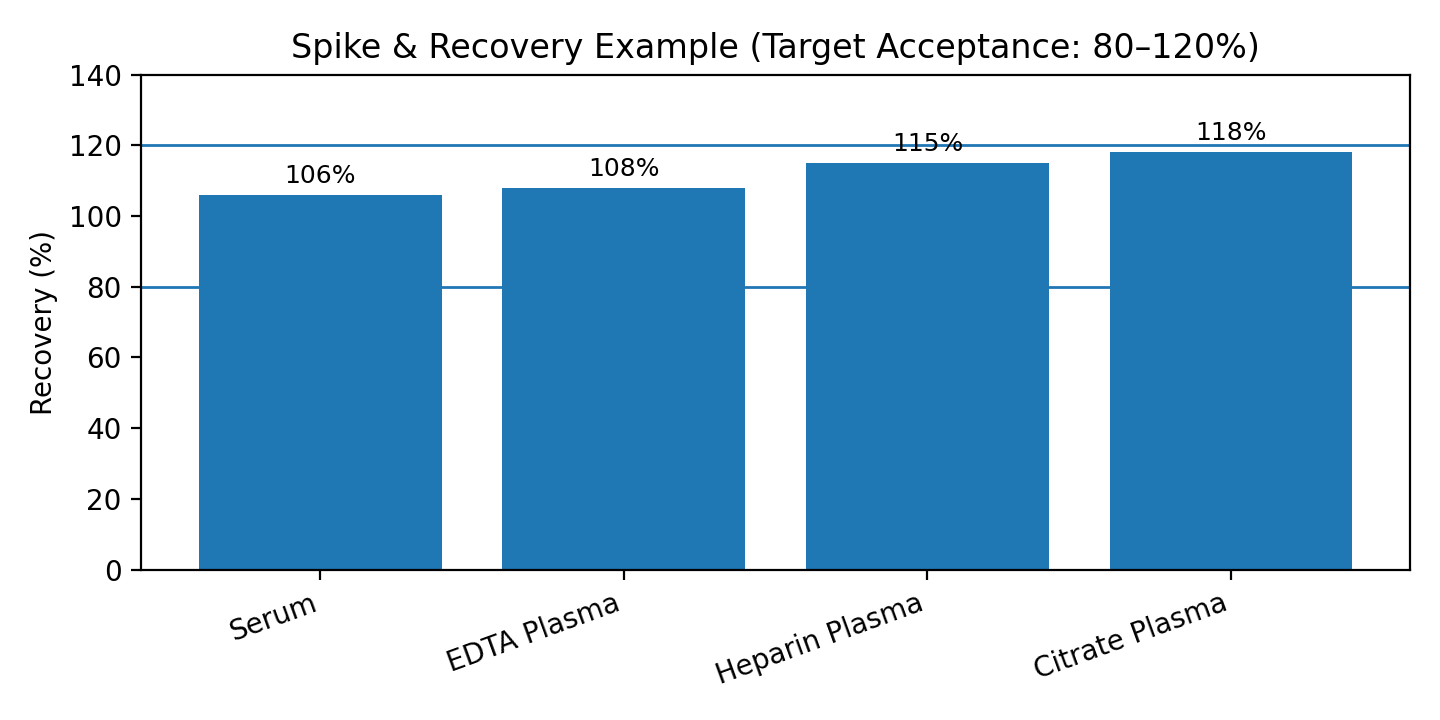
Known amounts of analyte are added to sample matrices to evaluate whether the expected concentration can be accurately recovered.
Lot-to-lot reproducibility is evaluated by comparing assay performance across independent production lots to determine whether quantitative measurements remain consistent and comparable. Consistent lot performance helps support reliable interpretation of ELISA results across experiments.
Independent kit lots are evaluated using the same samples and assay conditions to demonstrate consistent standard curve performance and comparable quantitative results across batches.
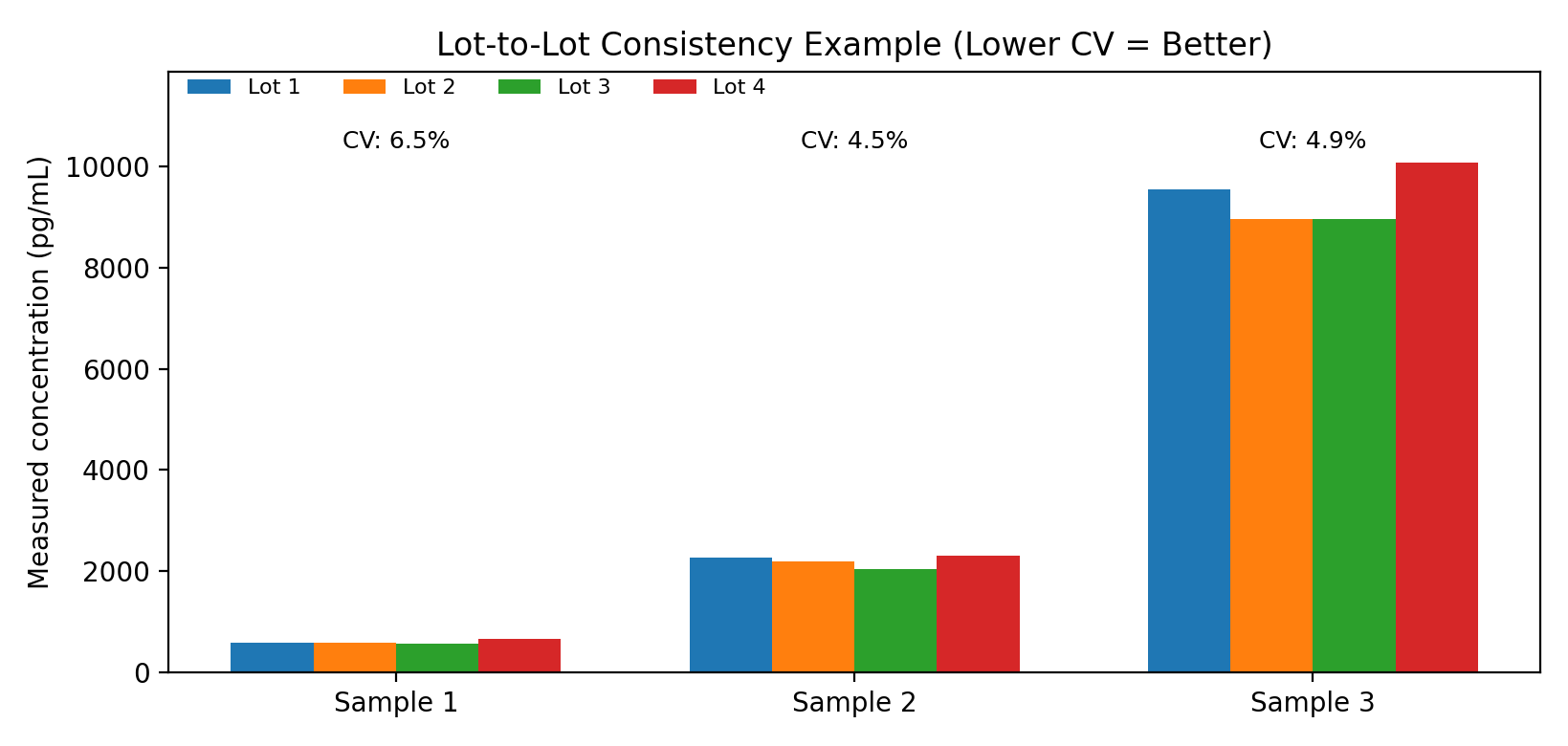
A reliable ELISA kit should provide consistent quantitative measurements when different production lots are used. Lot-to-lot comparison evaluates whether assay characteristics, including standard curve behavior and sample measurements, remain consistent across batches.
By demonstrating consistent performance across independent lots, BosterBio ELISA kits provide researchers with greater confidence that quantitative results remain reliable when transitioning from one lot to another.
Stability validation tracks assay performance over time to evaluate whether expected performance is maintained.
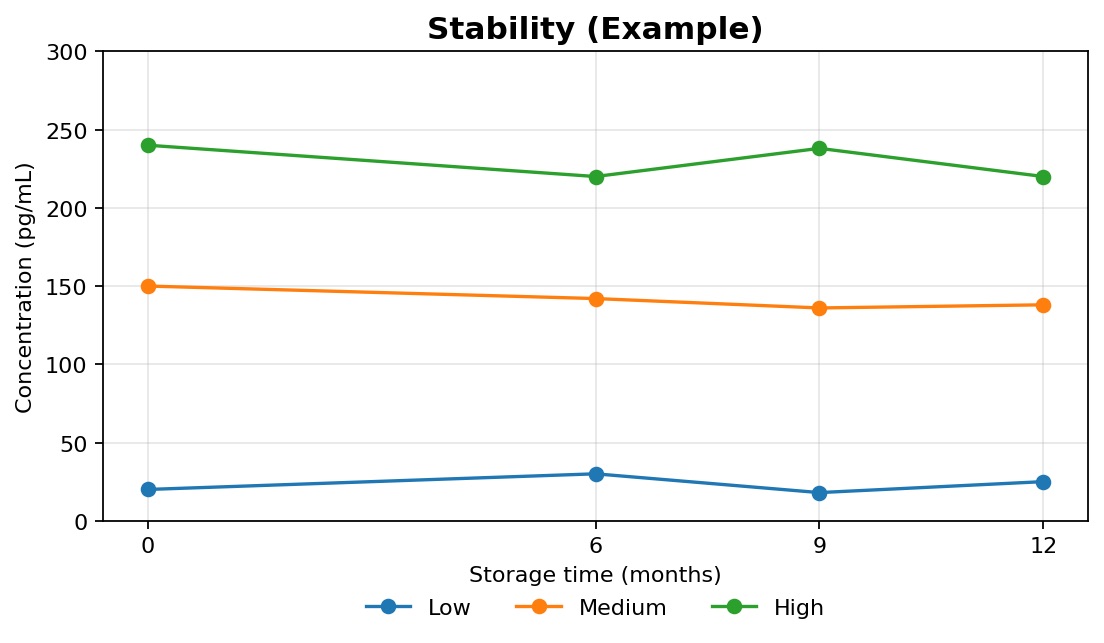
Assay performance is monitored at defined time points to determine whether key performance characteristics remain within established quality criteria.
Sensitivity / MDD
Minimum detectable dose evaluation
Precision
Intra-assay & inter-assay CV
Dilution Linearity
Observed vs. expected performance
Spike Recovery
Accuracy across sample matrices
Lot-to-Lot Reproducibility
Between-lot consistency
Stability
Performance over time
Representative examples of quantitative criteria used to assess ELISA performance. Actual specifications may vary according to target, matrix, and assay characteristics.
Variation among replicates within the same assay run.
Agreement between observed and expected values across sample dilutions.
Recovery of known analyte added to relevant sample matrices.
Variation in assay performance across independent production lots.
Different validation approaches answer different scientific questions. Together, they provide a stronger assessment of product quality.
From antibody specificity and biological responsiveness to quantitative ELISA performance and lot-to-lot consistency, our validation strategy is designed to provide meaningful evidence before products reach your experiments.
Boster Quality Guarantee