This website uses cookies to ensure you get the best experience on our website.


- Table of Contents
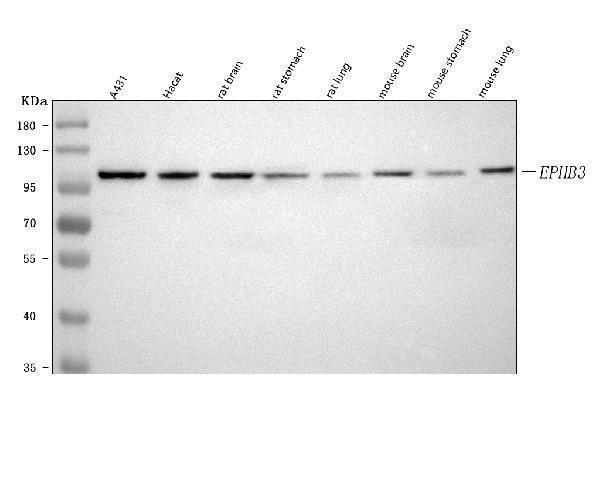
Designing a Western blot for Ephrin type-B receptor 3? The guide has the expected band size, antibodies backed by real blot images, the controls to run alongside, and protocols taken from published papers.
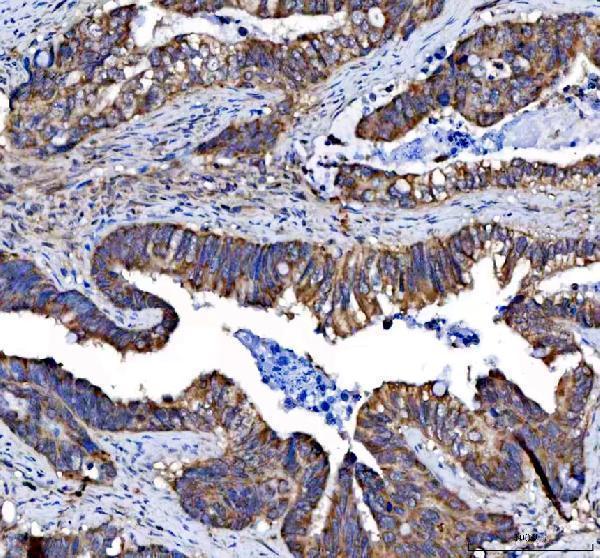
Open the EPHB3 Western Blot GuideDesigning an IHC experiment for Ephrin type-B receptor 3? The guide has the expected staining pattern, antigen retrieval and fixation, antibodies backed by real IHC images, the tissue controls to run alongside, and protocols taken from published papers.
Open the EPHB3 IHC Guide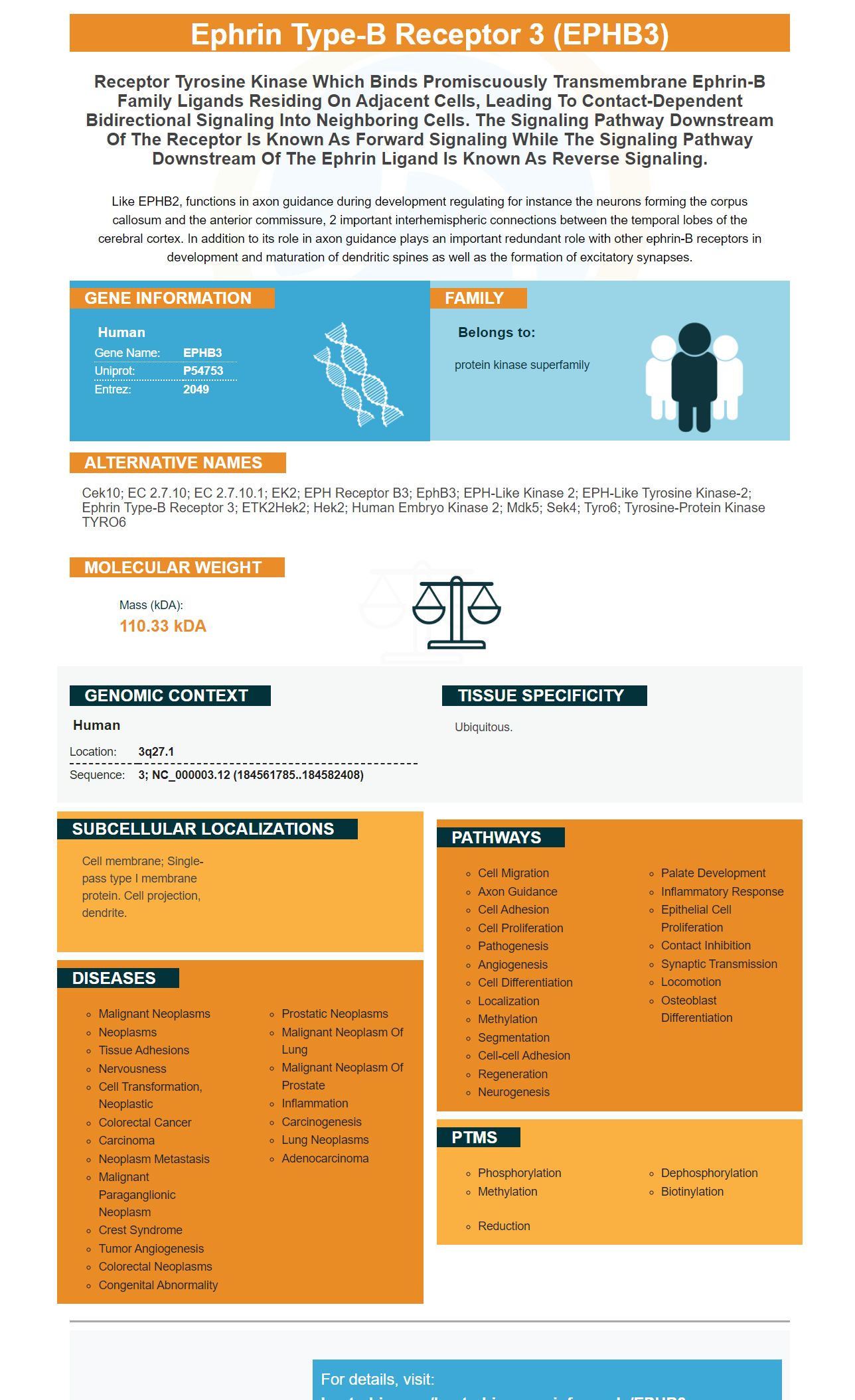
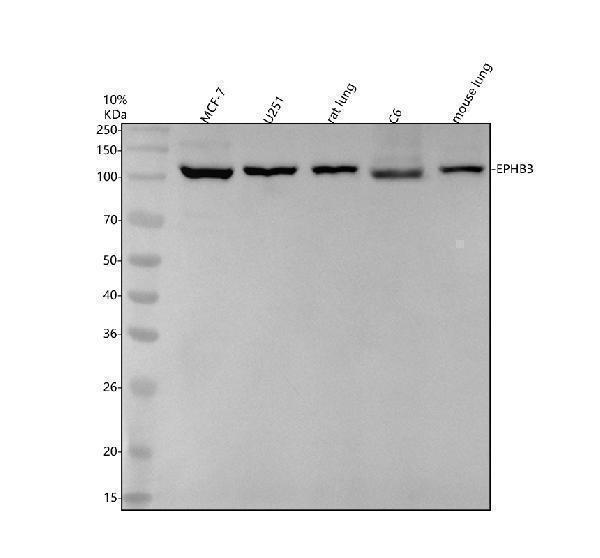
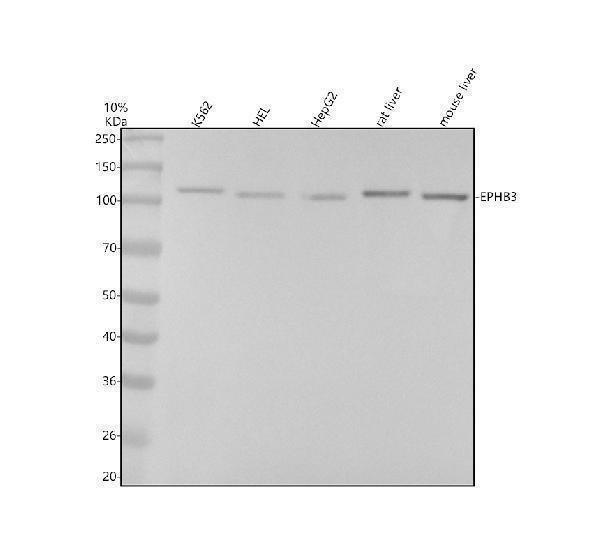
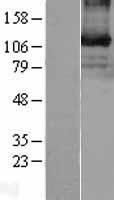
Facts about Ephrin type-B receptor 3.
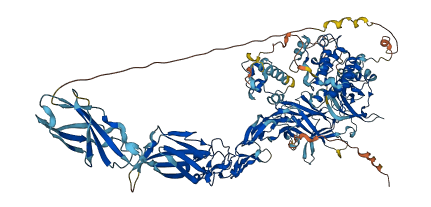
Like EPHB2, functions in axon guidance during development regulating for instance the neurons forming the corpus callosum and the anterior commissure, 2 important interhemispheric connections between the temporal lobes of the cerebral cortex. In addition to its role in axon guidance plays an important redundant role with other ephrin-B receptors in development and maturation of dendritic spines as well as the formation of excitatory synapses.
| Human | |
|---|---|
| Gene Name: | EPHB3 |
| Uniprot: | P54753 |
| Entrez: | 2049 |
| Belongs to: |
|---|
| protein kinase superfamily |

Cek10; EC 2.7.10; EC 2.7.10.1; EK2; EPH receptor B3; EphB3; EPH-like kinase 2; EPH-like tyrosine kinase-2; ephrin type-B receptor 3; ETK2Hek2; Hek2; human embryo kinase 2; Mdk5; Sek4; Tyro6; Tyrosine-protein kinase TYRO6
Mass (kDA):
110.33 kDA

| Human | |
|---|---|
| Location: | 3q27.1 |
| Sequence: | 3; NC_000003.12 (184561785..184582408) |
Ubiquitous.
Cell membrane; Single-pass type I membrane protein. Cell projection, dendrite.



PMID: 8397371 by Boehme B., et al. PCR mediated detection of a new human receptor-tyrosine-kinase, HEK 2.
PMID: 9674711 by Hock B., et al. Tyrosine-614, the major autophosphorylation site of the receptor tyrosine kinase HEK2, functions as multi-docking site for SH2-domain mediated interactions.