This website uses cookies to ensure you get the best experience on our website.


- Table of Contents
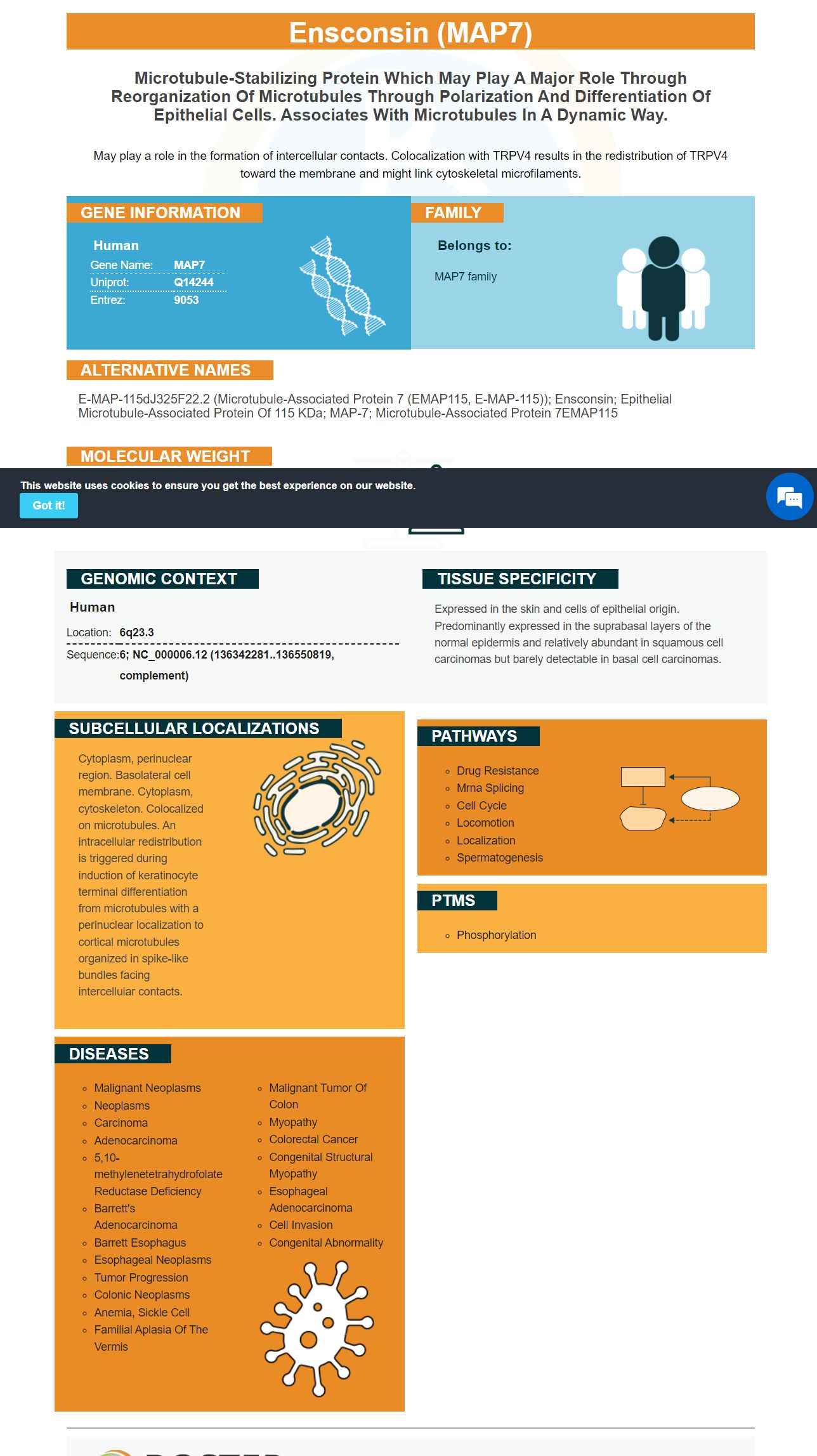
Facts about Ensconsin.
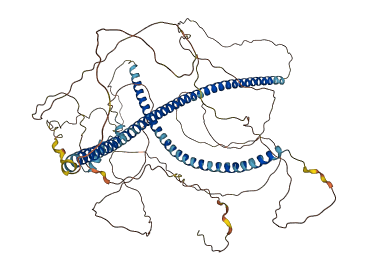
May play a role in the formation of intercellular contacts. Colocalization with TRPV4 results in the redistribution of TRPV4 toward the membrane and might link cytoskeletal microfilaments.
| Human | |
|---|---|
| Gene Name: | MAP7 |
| Uniprot: | Q14244 |
| Entrez: | 9053 |
| Belongs to: |
|---|
| MAP7 family |

E-MAP-115dJ325F22.2 (microtubule-associated protein 7 (EMAP115, E-MAP-115)); ensconsin; Epithelial microtubule-associated protein of 115 kDa; MAP-7; microtubule-associated protein 7EMAP115
Mass (kDA):
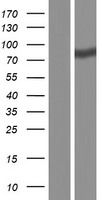
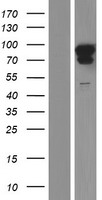
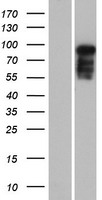
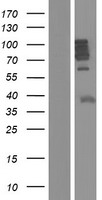
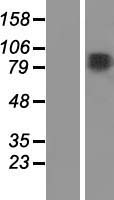
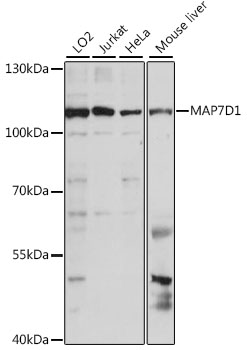
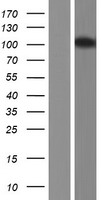
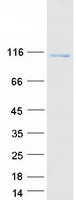
84.052 kDA

| Human | |
|---|---|
| Location: | 6q23.3 |
| Sequence: | 6; NC_000006.12 (136342281..136550819, complement) |
Expressed in the skin and cells of epithelial origin. Predominantly expressed in the suprabasal layers of the normal epidermis and relatively abundant in squamous cell carcinomas but barely detectable in basal cell carcinomas.
Cytoplasm, perinuclear region. Basolateral cell membrane. Cytoplasm, cytoskeleton. Colocalized on microtubules. An intracellular redistribution is triggered during induction of keratinocyte terminal differentiation from microtubules with a perinuclear localization to cortical microtubules organized in spike-like bundles facing intercellular contacts.



PMID: 8408219 by Masson D., et al. Identification and molecular characterization of E-MAP-115, a novel microtubule-associated protein predominantly expressed in epithelial cells.
PMID: 7490279 by Masson D., et al. Binding of E-MAP-115 to microtubules is regulated by cell cycle- dependent phosphorylation.