This website uses cookies to ensure you get the best experience on our website.


- Table of Contents
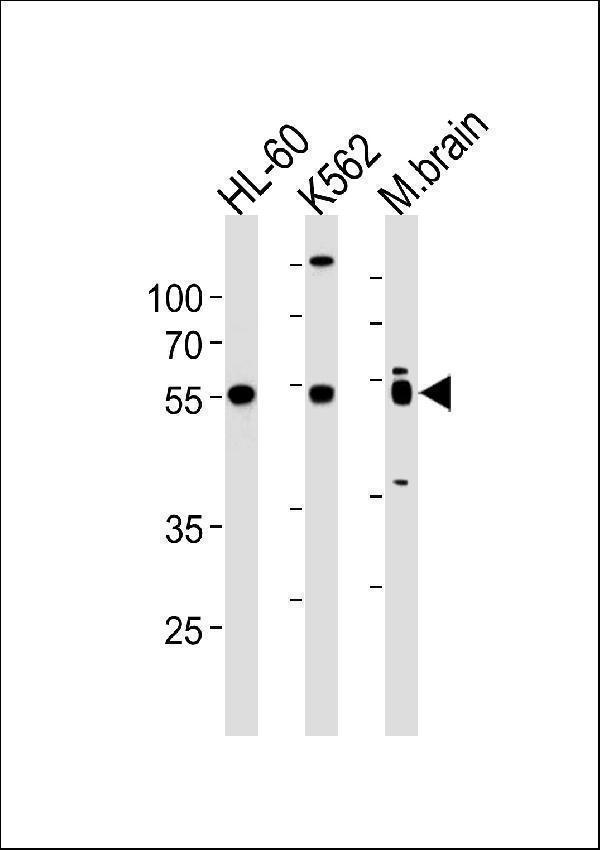
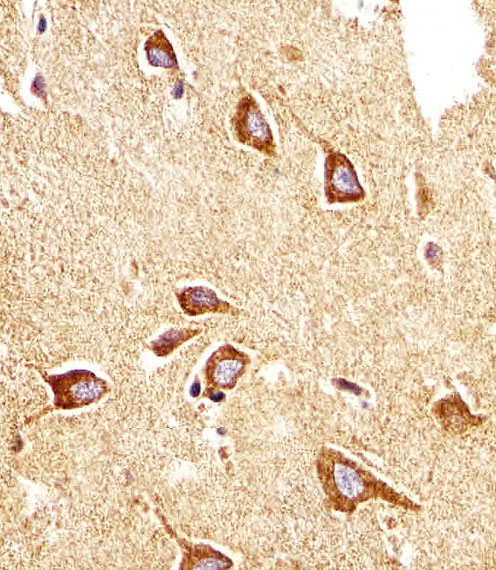
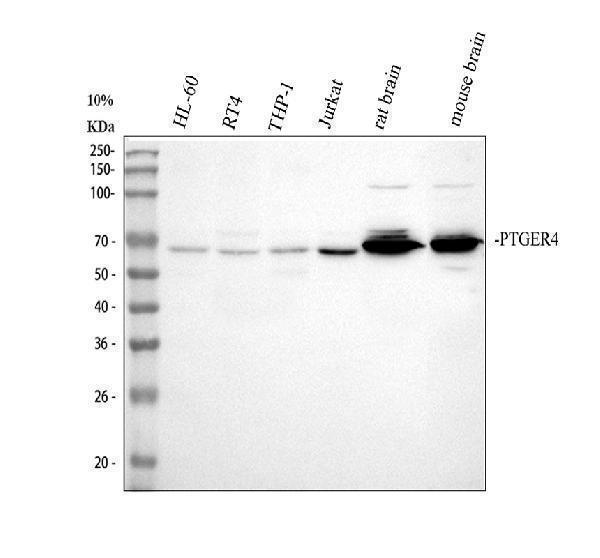
Designing an IHC experiment for PTGER4? The guide has the expected staining pattern, antigen retrieval and fixation, antibodies backed by real IHC images, the tissue controls to run alongside, and protocols taken from published papers.
Open the PTGER4 IHC Guide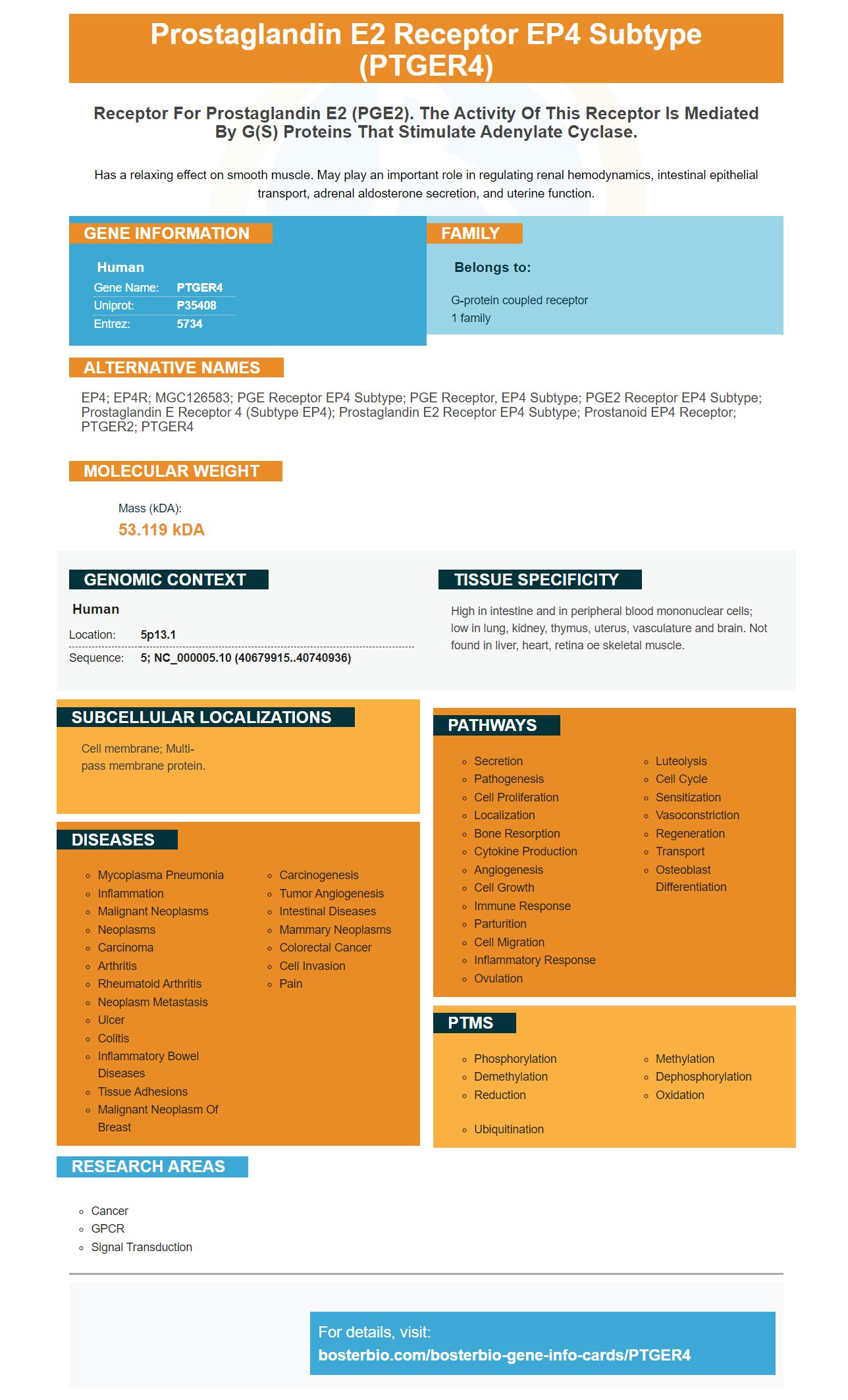
Facts about Prostaglandin E2 receptor EP4 subtype.
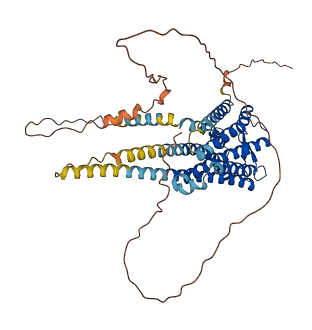
Has a relaxing effect on smooth muscle. May play an important role in regulating renal hemodynamics, intestinal epithelial transport, adrenal aldosterone secretion, and uterine function.
| Human | |
|---|---|
| Gene Name: | PTGER4 |
| Uniprot: | P35408 |
| Entrez: | 5734 |
| Belongs to: |
|---|
| G-protein coupled receptor 1 family |

EP4; EP4R; MGC126583; PGE receptor EP4 subtype; PGE receptor, EP4 subtype; PGE2 receptor EP4 subtype; prostaglandin E receptor 4 (subtype EP4); prostaglandin E2 receptor EP4 subtype; Prostanoid EP4 receptor; PTGER2; PTGER4
Mass (kDA):
53.119 kDA

| Human | |
|---|---|
| Location: | 5p13.1 |
| Sequence: | 5; NC_000005.10 (40679915..40740936) |
High in intestine and in peripheral blood mononuclear cells; low in lung, kidney, thymus, uterus, vasculature and brain. Not found in liver, heart, retina oe skeletal muscle.
Cell membrane; Multi-pass membrane protein.




PMID: 8163486 by Bastien L., et al. Cloning, functional expression, and characterization of the human prostaglandin E2 receptor EP2 subtype.
PMID: 8250933 by An S., et al. Cloning and expression of the EP2 subtype of human receptors for prostaglandin E2.