This website uses cookies to ensure you get the best experience on our website.


- Table of Contents
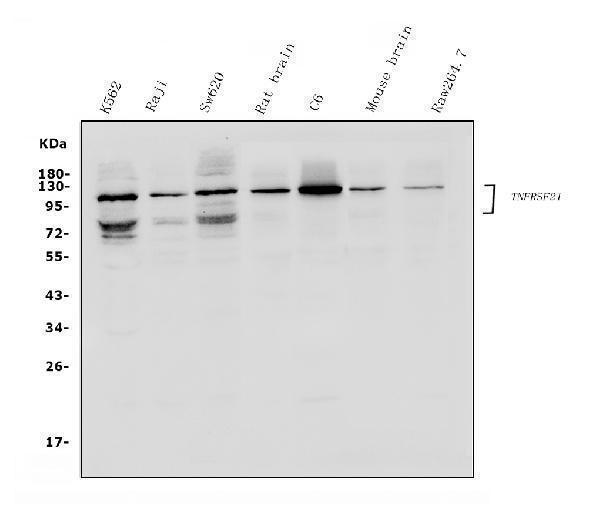
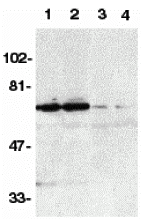
Designing a Western blot for TNFRSF21? The guide has the expected band size, antibodies backed by real blot images, the controls to run alongside, and protocols taken from published papers.
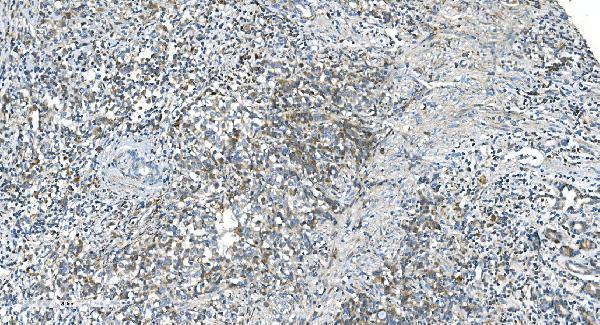
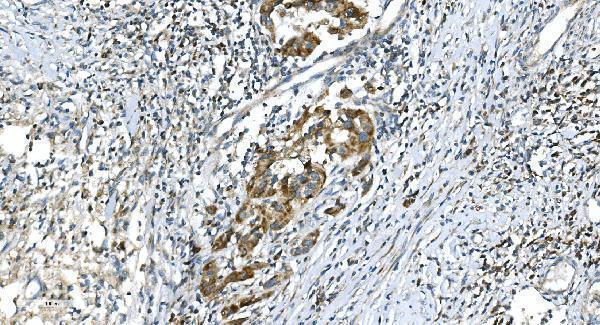
Open the TNFRSF21 Western Blot GuideDesigning an IHC experiment for TNFRSF21? The guide has the expected staining pattern, antigen retrieval and fixation, antibodies backed by real IHC images, the tissue controls to run alongside, and protocols taken from published papers.
Open the TNFRSF21 IHC Guide
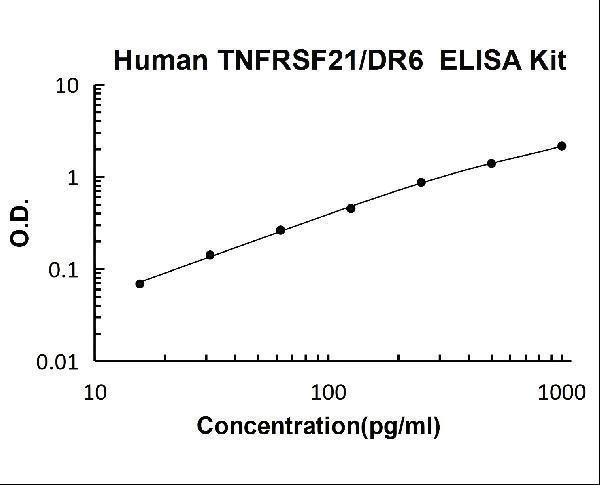
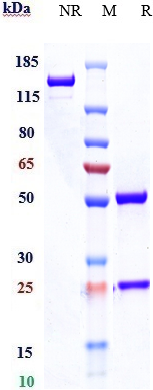
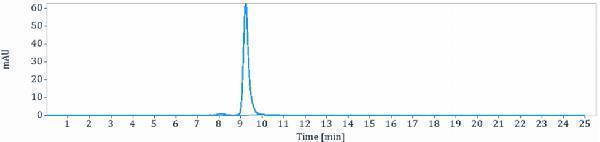
Facts about Tumor necrosis factor receptor superfamily member 21.
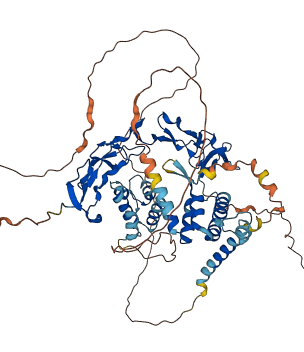
Plays a role in neuronal apoptosis, including apoptosis in response to amyloid peptides derived from APP, and is required for both normal cell body death and axonal pruning. Trophic-factor deprivation activates the cleavage of surface APP by beta-secretase to release sAPP-beta which is further cleaved to release an N-terminal fragment of APP (N-APP).
| Human | |
|---|---|
| Gene Name: | TNFRSF21 |
| Uniprot: | O75509 |
| Entrez: | 27242 |
| Belongs to: |
|---|
| No superfamily |

BM-018; CD358 antigen; CD358; Death receptor 6; DR6; DR6TNFR-related death receptor 6; MGC31965; TNFRSF21; tumor necrosis factor receptor superfamily member 21; tumor necrosis factor receptor superfamily, member 21
Mass (kDA):
71.845 kDA

| Human | |
|---|---|
| Location: | 6p12.3 |
| Sequence: | 6; NC_000006.12 (47231532..47309910, complement) |
Detected in fetal spinal cord and in brain neurons, with higher levels in brain from Alzheimer disease patients (at protein level). Highly expressed in heart, brain, placenta, pancreas, lymph node, thymus and prostate. Detected at lower levels in lung, skeletal muscle, kidney, testis, uterus, small intestine, colon, spleen, bone marrow and fetal liver. Very low levels were found in adult liver and peripheral blood leukocytes.
Cell membrane; Single-pass type I membrane protein.



PMID: 9714541 by Pan G., et al. Identification and functional characterization of DR6, a novel death domain-containing TNF receptor.
PMID: 19654028 by Klima M., et al. Functional analysis of the posttranslational modifications of the death receptor 6.
*More publications can be found for each product on its corresponding product page