This website uses cookies to ensure you get the best experience on our website.


- Table of Contents
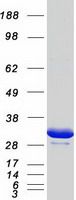
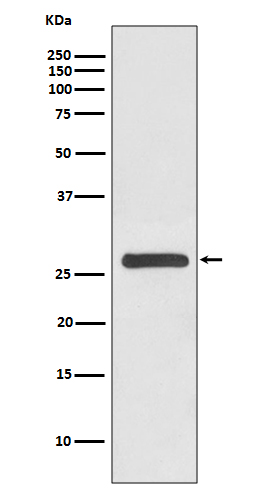
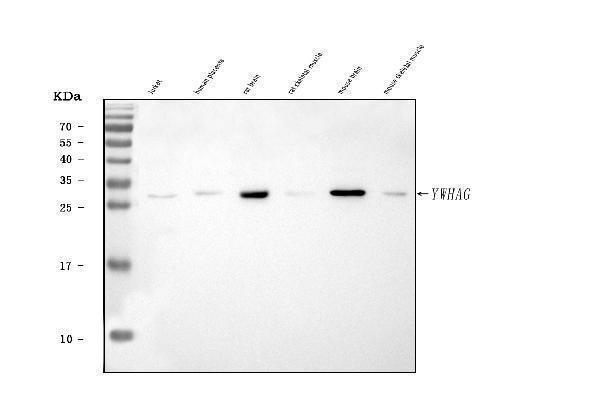
Designing a Western blot for 14-3-3 protein gamma? The guide has the expected band size, antibodies backed by real blot images, the controls to run alongside, and protocols taken from published papers.
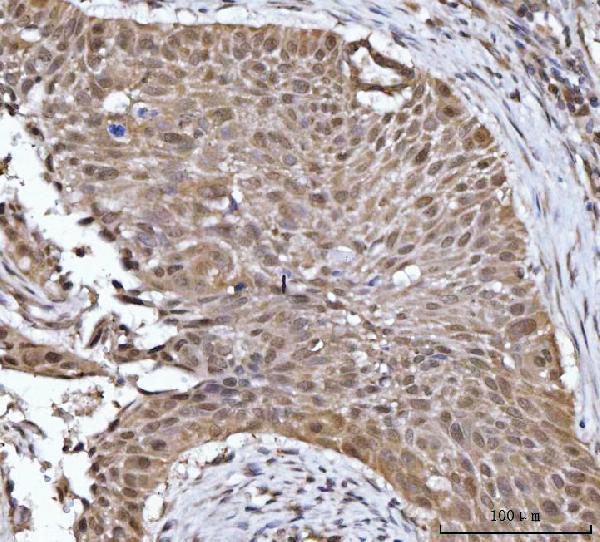
Open the YWHAG Western Blot GuideDesigning an IHC experiment for 14-3-3 protein gamma? The guide has the expected staining pattern, antigen retrieval and fixation, antibodies backed by real IHC images, the tissue controls to run alongside, and protocols taken from published papers.
Open the YWHAG IHC Guide
1 Citations
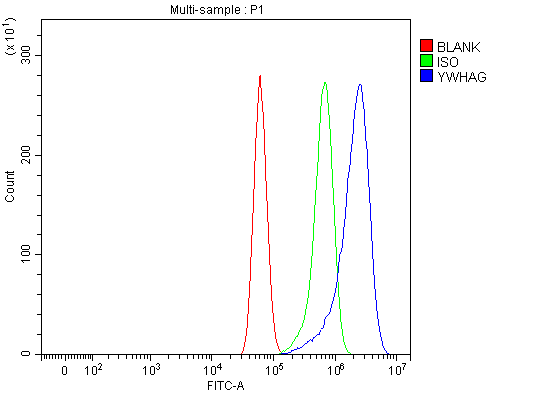
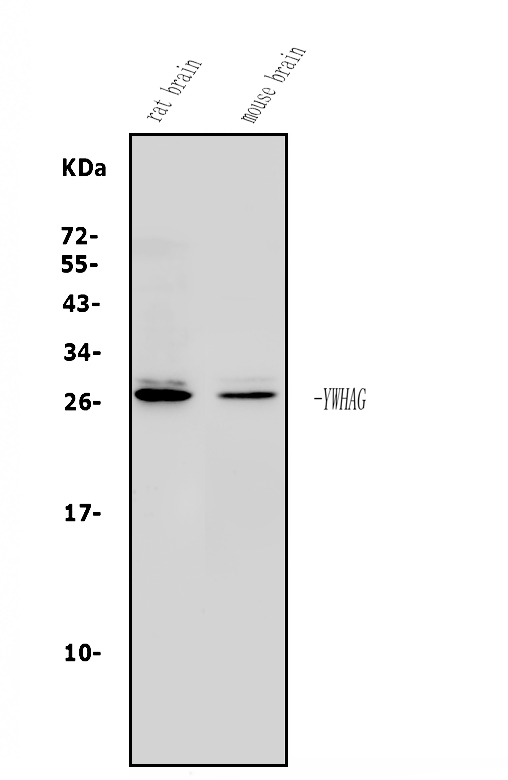
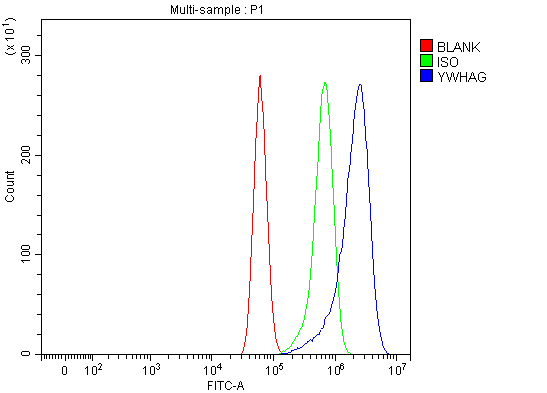
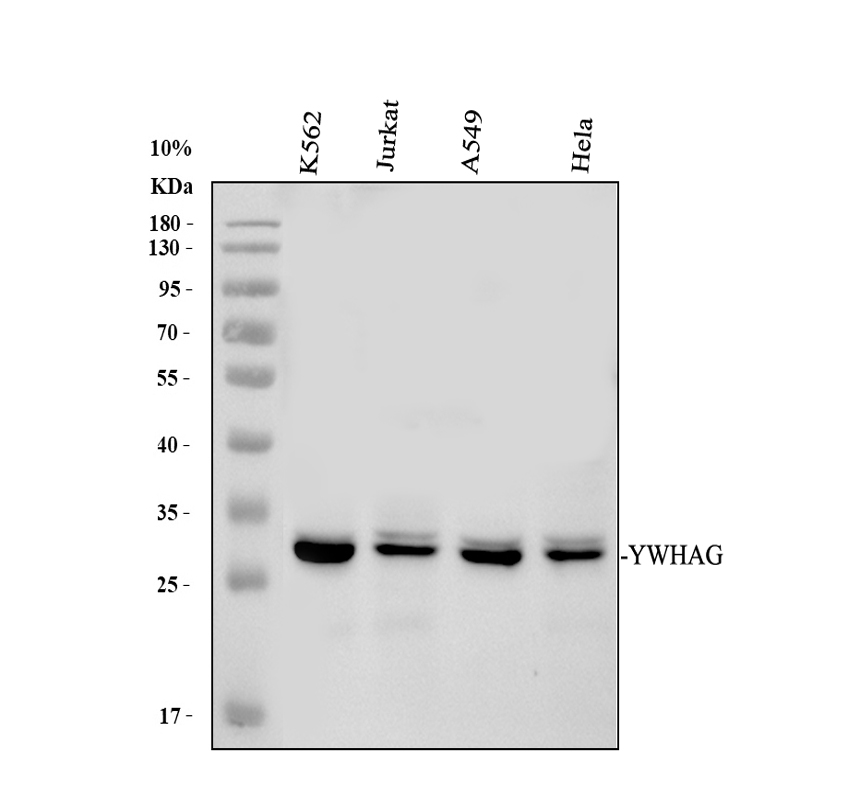
Facts about 14-3-3 protein gamma.
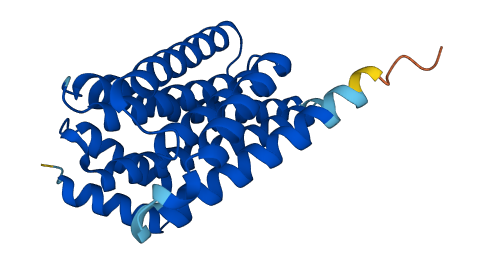
Binding generally results in the modulation of the activity of the binding partner. .
| Human | |
|---|---|
| Gene Name: | YWHAG |
| Uniprot: | P61981 |
| Entrez: | 7532 |

| Belongs to: |
|---|
| 14-3-3 family |

1433 gamma; 14-3-3 gamma; 14-3-3 protein gamma; 14-3-3GAMMA; KCIP-1; Protein kinase C inhibitor protein 1; tyrosine 3-monooxygenase/tryptophan 5-monooxygenase activation protein, gammapolypeptide; YWHAG
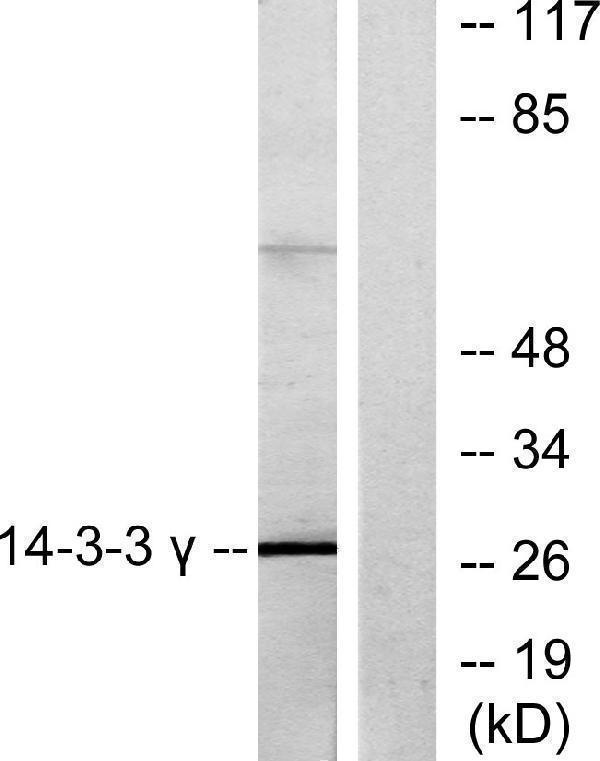
Mass (kDA):
28.303 kDA

| Human | |
|---|---|
| Location: | 7q11.23 |
| Sequence: | 7; NC_000007.14 (76326799..76358991, complement) |
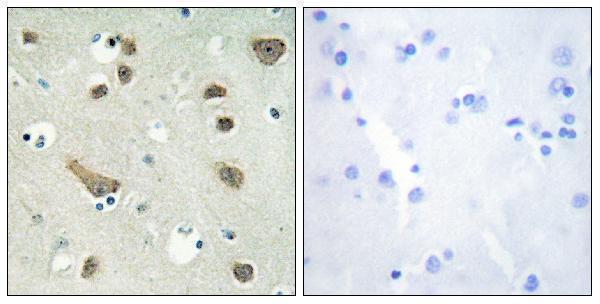
Highly expressed in brain, skeletal muscle, and heart.
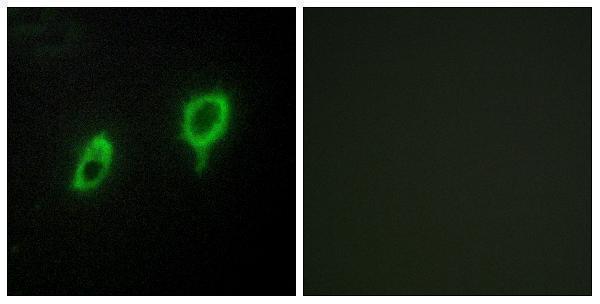
Cytoplasm.






PMID: 10433554 by Autieri M.V., et al. 14-3-3gamma interacts with and is phosphorylated by multiple protein kinase C isoforms in PDGF-stimulated human vascular smooth muscle cells.
PMID: 10486217 by Horie M., et al. Cloning, expression, and chromosomal mapping of the human 14-3-3gamma gene (YWHAG) to 7q11.23.