This website uses cookies to ensure you get the best experience on our website.


- Table of Contents
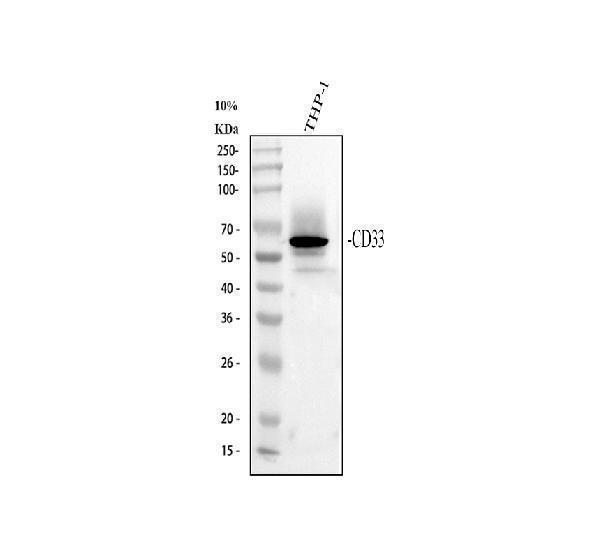
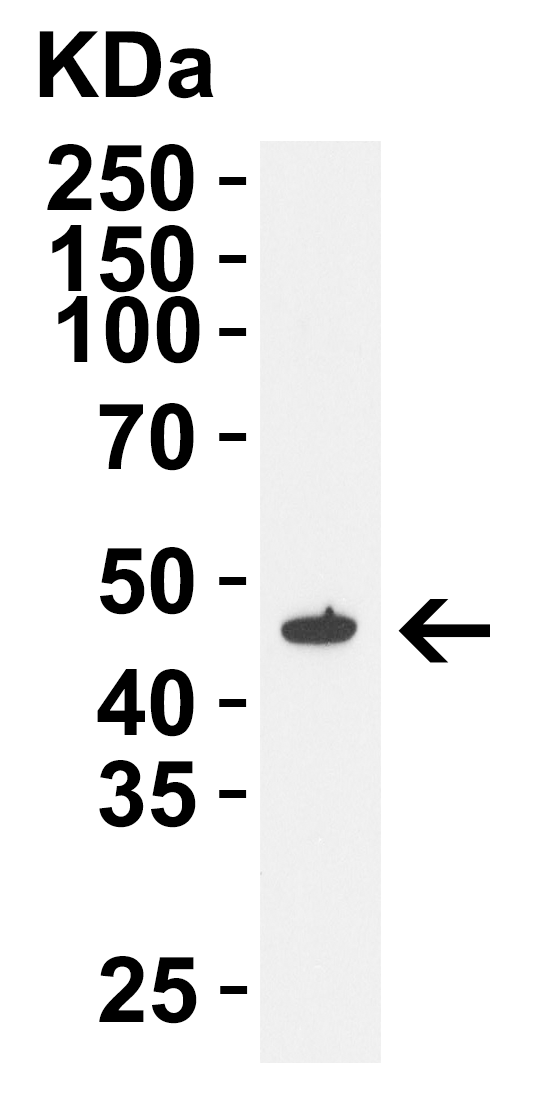
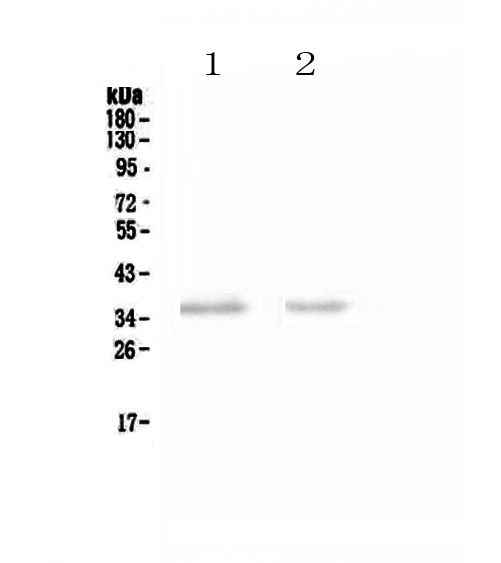
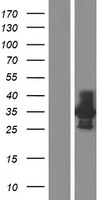
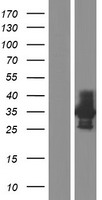
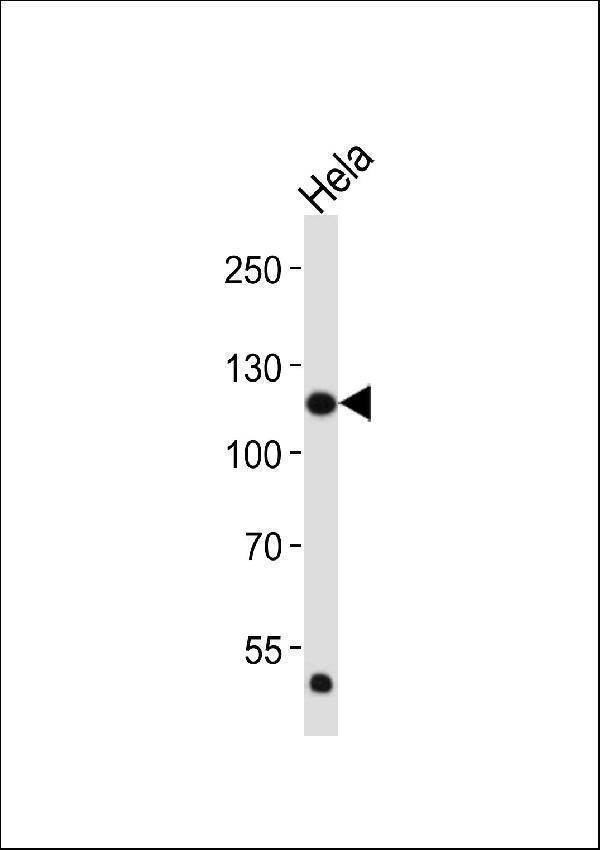
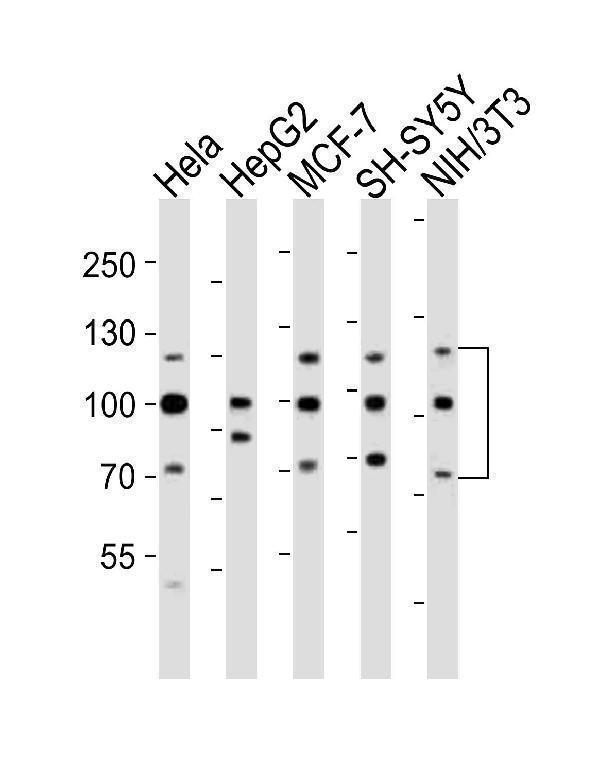
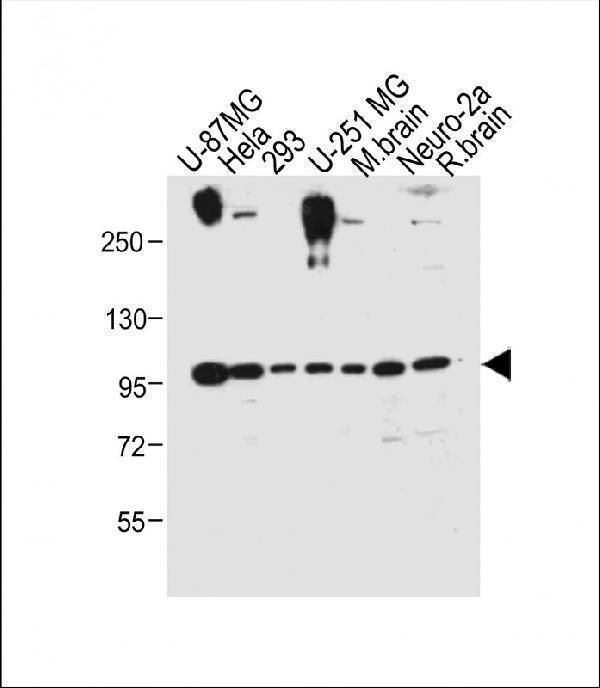
Designing a Western blot for CD33? The guide has the expected band size, antibodies backed by real blot images, the controls to run alongside, and protocols taken from published papers.
Open the CD33 Western Blot Guide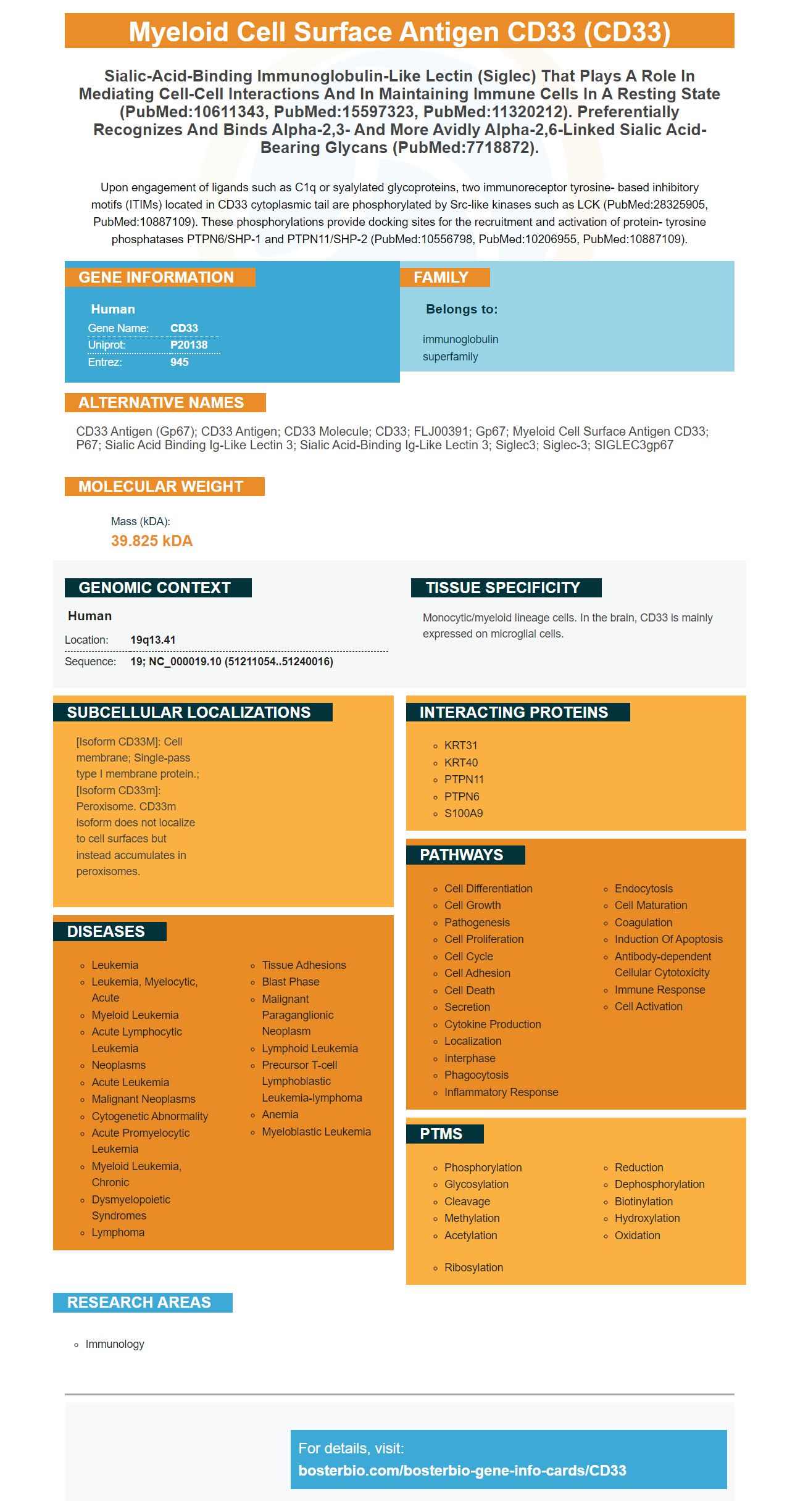
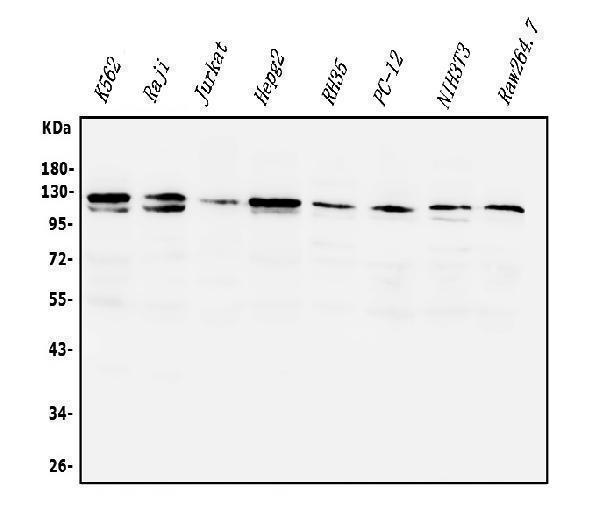
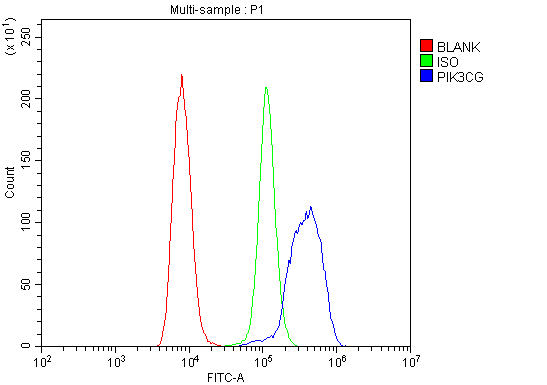
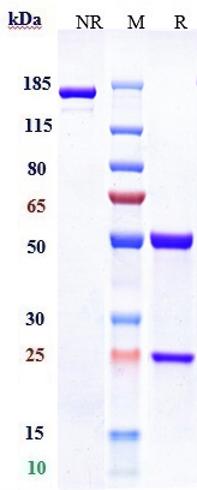
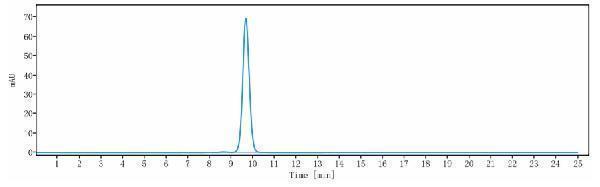
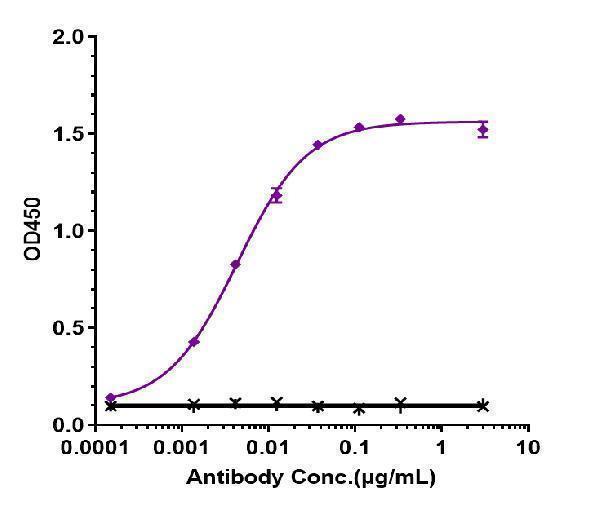
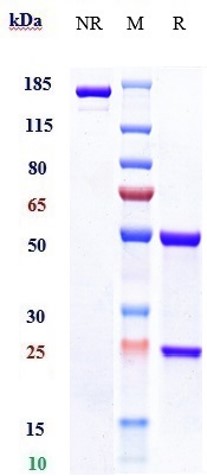
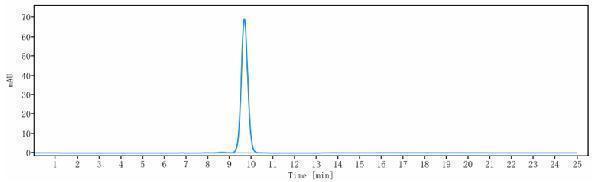
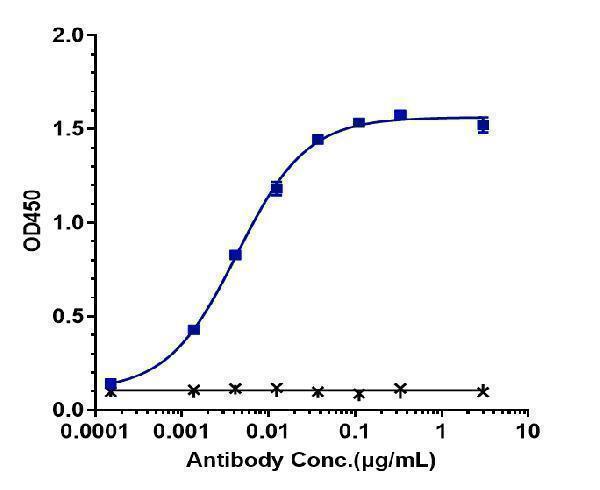
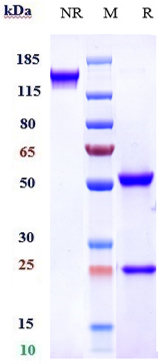
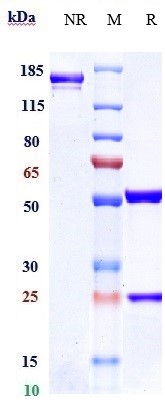
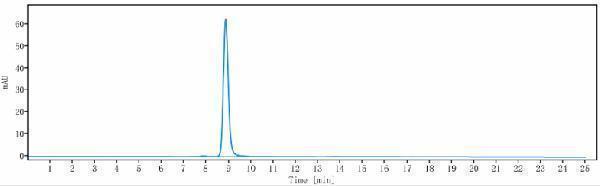
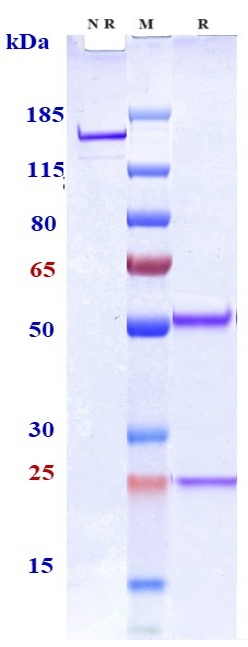
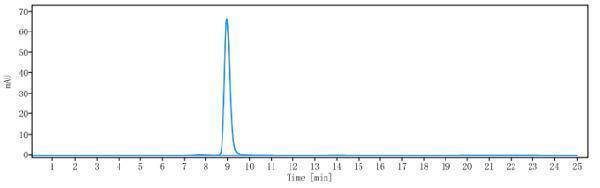
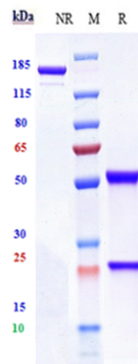
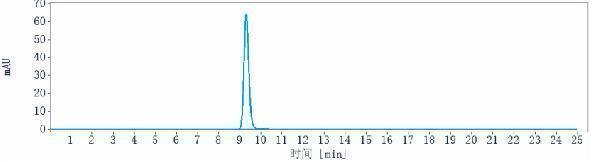
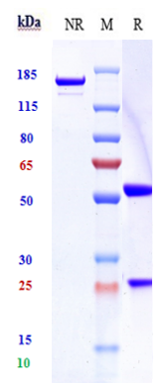
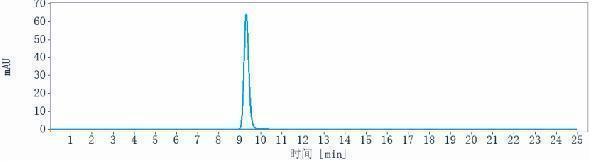
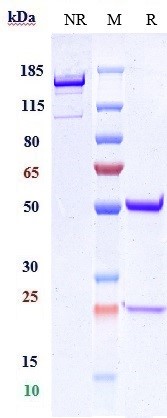
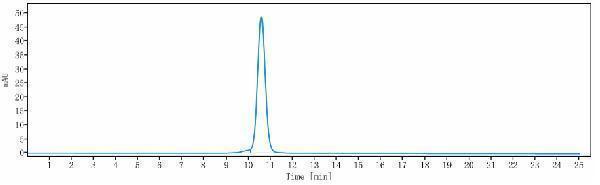
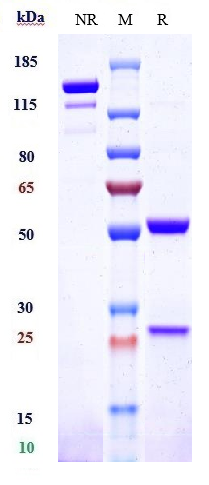
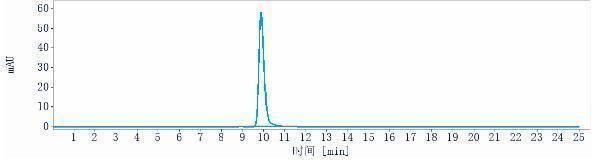


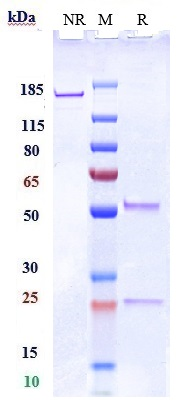
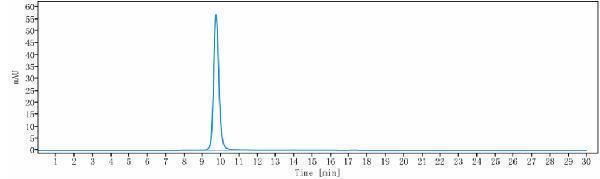
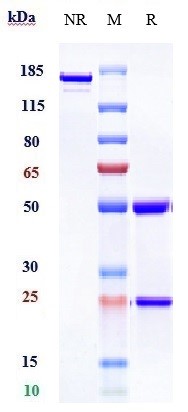
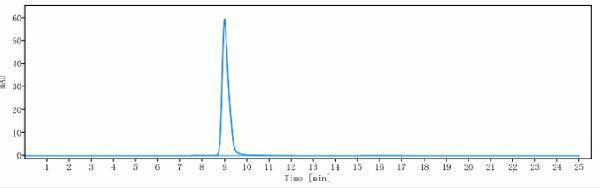
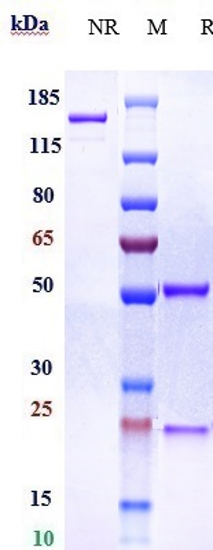
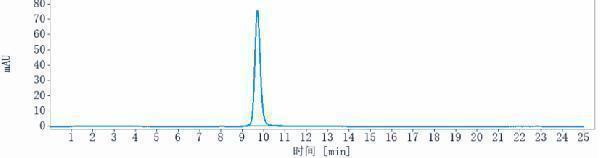
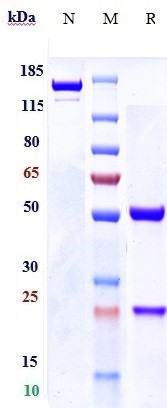
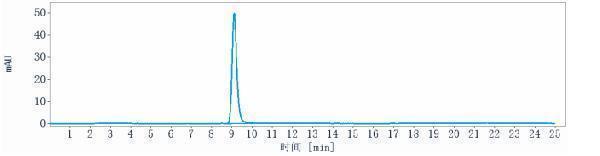
Facts about Myeloid cell surface antigen CD33.
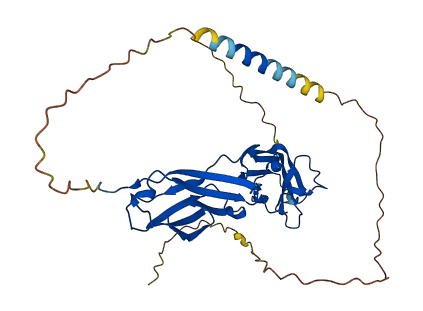
Upon engagement of ligands such as C1q or syalylated glycoproteins, two immunoreceptor tyrosine- based inhibitory motifs (ITIMs) located in CD33 cytoplasmic tail are phosphorylated by Src-like kinases such as LCK (PubMed:28325905, PubMed:10887109). These phosphorylations provide docking sites for the recruitment and activation of protein- tyrosine phosphatases PTPN6/SHP-1 and PTPN11/SHP-2 (PubMed:10556798, PubMed:10206955, PubMed:10887109).
| Human | |
|---|---|
| Gene Name: | CD33 |
| Uniprot: | P20138 |
| Entrez: | 945 |
| Belongs to: |
|---|
| immunoglobulin superfamily |

CD33 antigen (gp67); CD33 antigen; CD33 molecule; CD33; FLJ00391; gp67; myeloid cell surface antigen CD33; p67; sialic acid binding Ig-like lectin 3; Sialic acid-binding Ig-like lectin 3; Siglec3; Siglec-3; SIGLEC3gp67
Mass (kDA):
39.825 kDA

| Human | |
|---|---|
| Location: | 19q13.41 |
| Sequence: | 19; NC_000019.10 (51211054..51240016) |
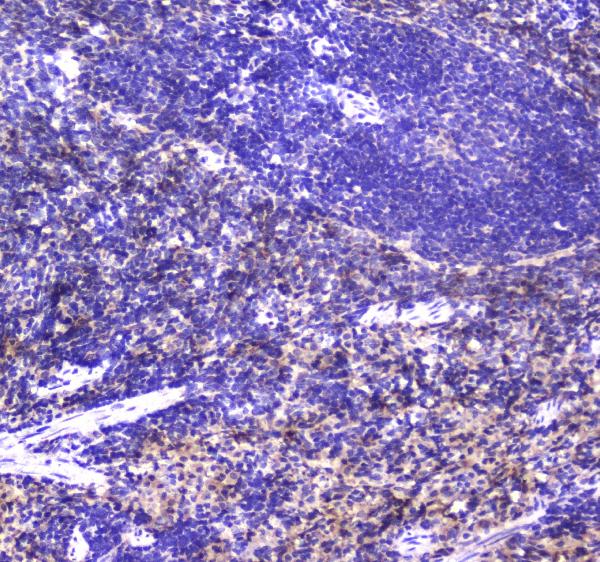
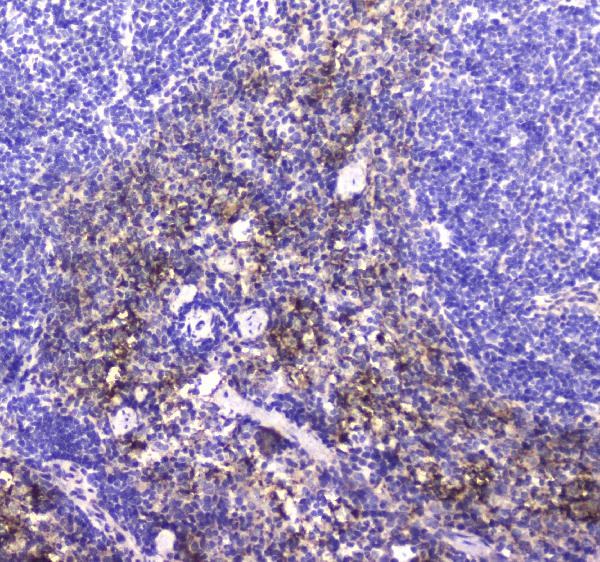
Monocytic/myeloid lineage cells. In the brain, CD33 is mainly expressed on microglial cells.
[Isoform CD33M]: Cell membrane; Single-pass type I membrane protein.; [Isoform CD33m]: Peroxisome. CD33m isoform does not localize to cell surfaces but instead accumulates in peroxisomes.





PMID: 3139766 by Simmons D., et al. Isolation of a cDNA encoding CD33, a differentiation antigen of myeloid progenitor cells.
PMID: 11943481 by Yousef G.M., et al. Genomic organization of the siglec gene locus on chromosome 19q13.4 and cloning of two new siglec pseudogenes.
*More publications can be found for each product on its corresponding product page