This website uses cookies to ensure you get the best experience on our website.


- Table of Contents
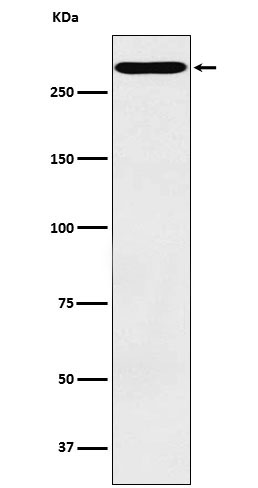
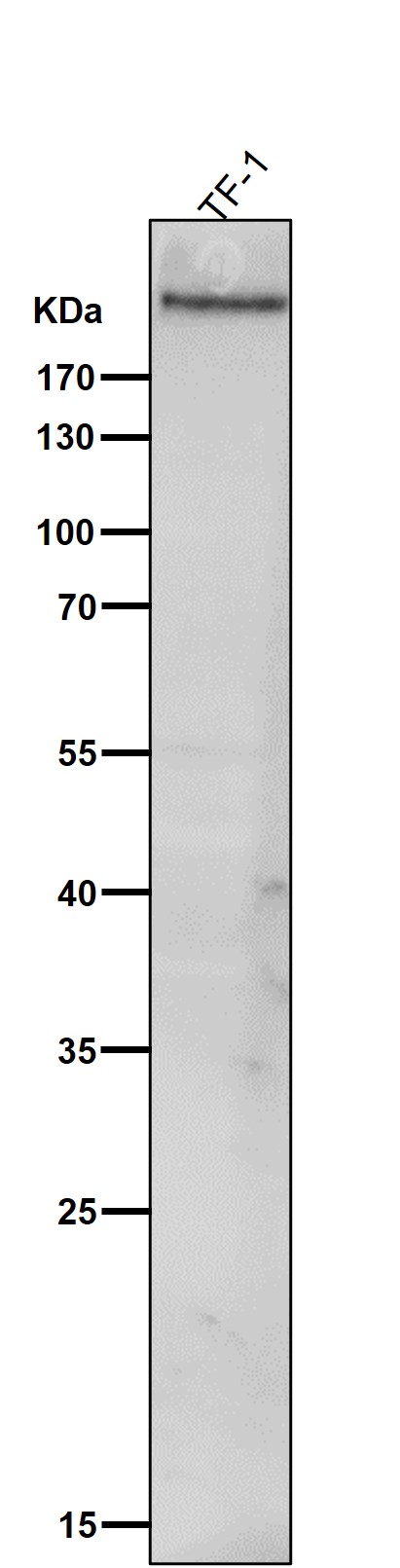
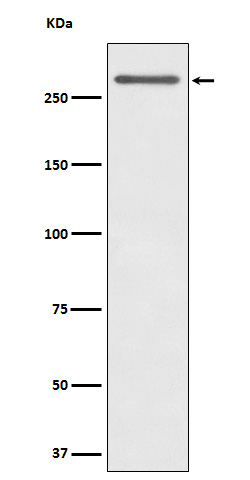
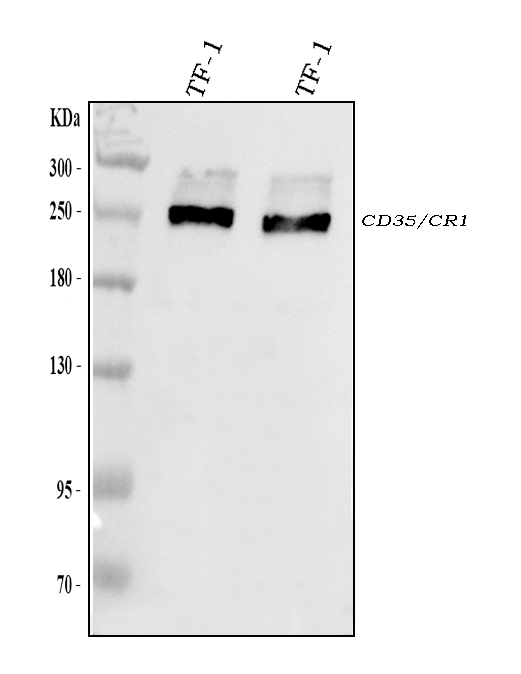
Designing a Western blot for CR1? The guide has the expected band size, antibodies backed by real blot images, the controls to run alongside, and protocols taken from published papers.
Open the CR1 Western Blot GuideDesigning an IHC experiment for CR1? The guide has the expected staining pattern, antigen retrieval and fixation, antibodies backed by real IHC images, the tissue controls to run alongside, and protocols taken from published papers.
Open the CR1 IHC Guide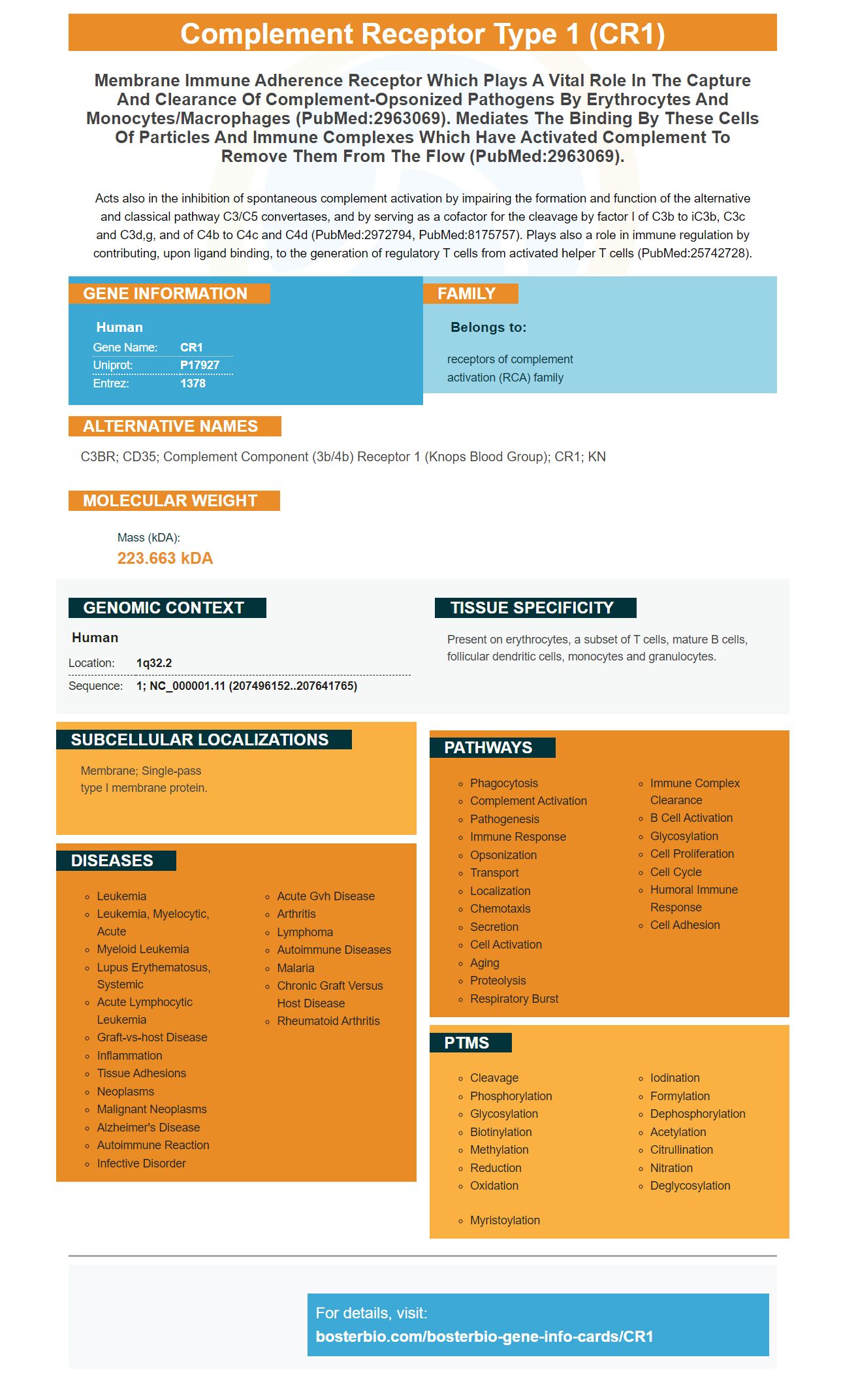
2 Citations
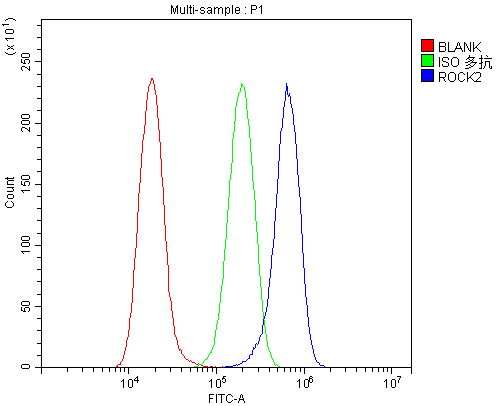

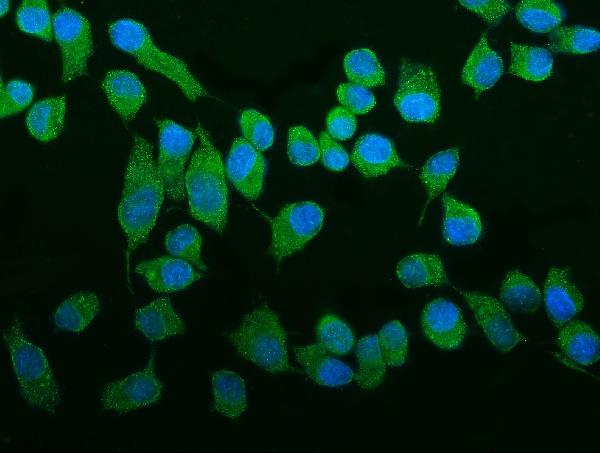

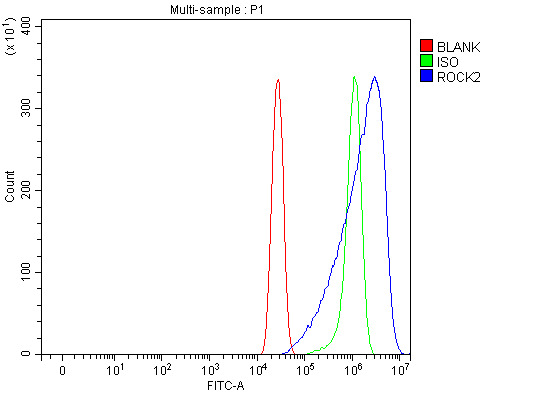
Facts about Complement receptor type 1.
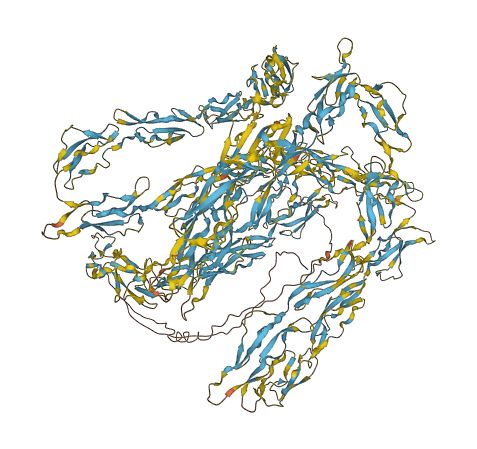
Acts also in the inhibition of spontaneous complement activation by impairing the formation and function of the alternative and classical pathway C3/C5 convertases, and by serving as a cofactor for the cleavage by factor I of C3b to iC3b, C3c and C3d,g, and of C4b to C4c and C4d (PubMed:2972794, PubMed:8175757). Plays also a role in immune regulation by contributing, upon ligand binding, to the generation of regulatory T cells from activated helper T cells (PubMed:25742728).
| Human | |
|---|---|
| Gene Name: | CR1 |
| Uniprot: | P17927 |
| Entrez: | 1378 |
| Belongs to: |
|---|
| receptors of complement activation (RCA) family |

C3BR; CD35; complement component (3b/4b) receptor 1 (Knops blood group); CR1; KN
Mass (kDA):
223.663 kDA

| Human | |
|---|---|
| Location: | 1q32.2 |
| Sequence: | 1; NC_000001.11 (207496152..207641765) |
Present on erythrocytes, a subset of T cells, mature B cells, follicular dendritic cells, monocytes and granulocytes.
Membrane; Single-pass type I membrane protein.



PMID: 2972794 by Klickstein L.B., et al. Identification of distinct C3b and C4b recognition sites in the human C3b/C4b receptor (CR1, CD35) by deletion mutagenesis.
PMID: 8245463 by Vik D.P., et al. Structure of the gene for the F allele of complement receptor type 1 and sequence of the coding region unique to the S allele.
*More publications can be found for each product on its corresponding product page