This website uses cookies to ensure you get the best experience on our website.


- Table of Contents
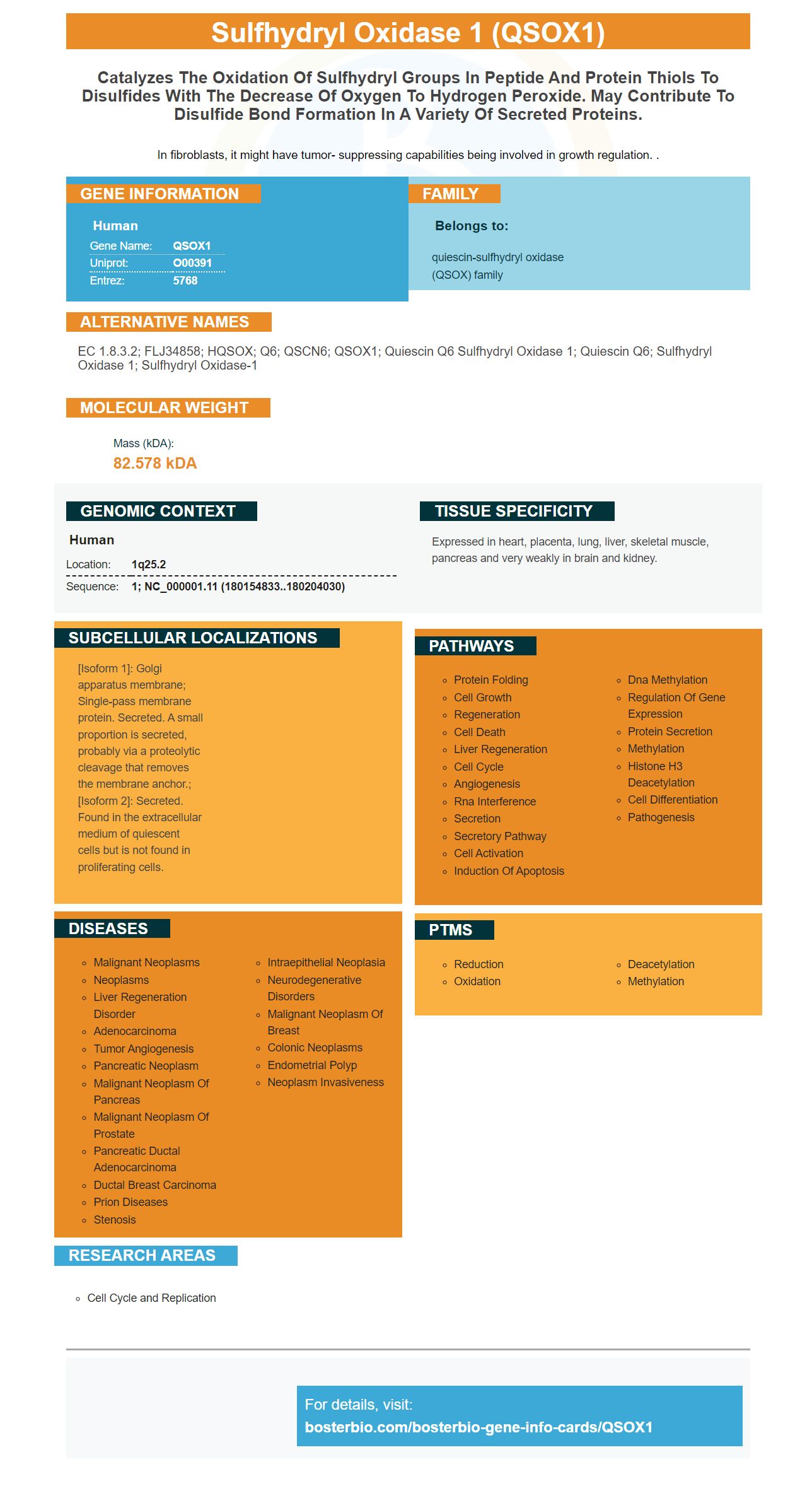
Facts about Sulfhydryl oxidase 1.
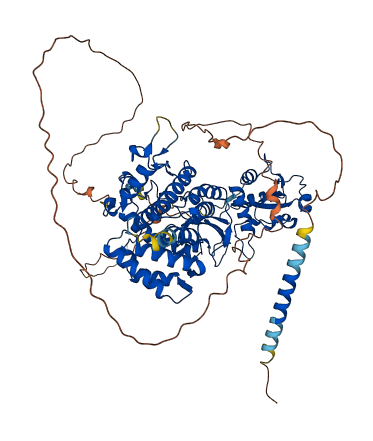
In fibroblasts, it might have tumor- suppressing capabilities being involved in growth regulation. .
| Human | |
|---|---|
| Gene Name: | QSOX1 |
| Uniprot: | O00391 |
| Entrez: | 5768 |
| Belongs to: |
|---|
| quiescin-sulfhydryl oxidase (QSOX) family |

EC 1.8.3.2; FLJ34858; HQSOX; Q6; QSCN6; QSOX1; quiescin Q6 sulfhydryl oxidase 1; Quiescin Q6; sulfhydryl oxidase 1; Sulfhydryl Oxidase-1
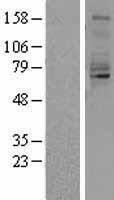
Mass (kDA):
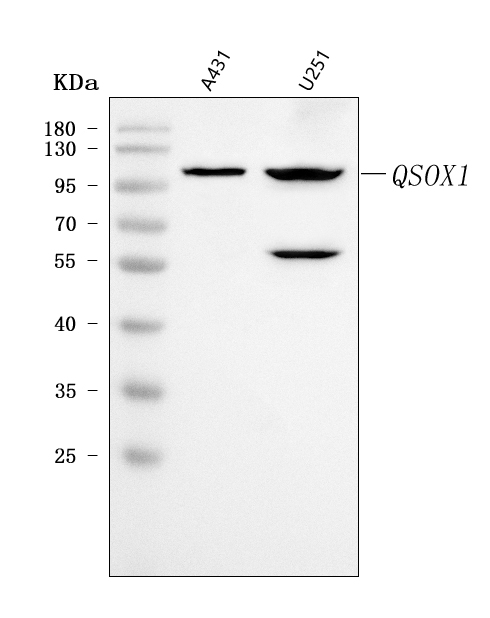
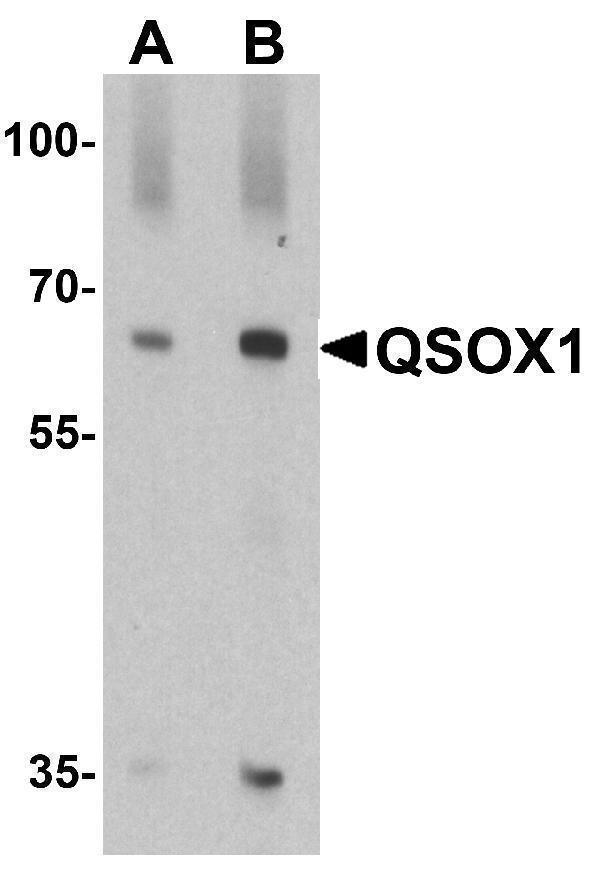
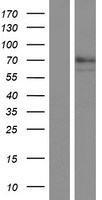
82.578 kDA

| Human | |
|---|---|
| Location: | 1q25.2 |
| Sequence: | 1; NC_000001.11 (180154833..180204030) |
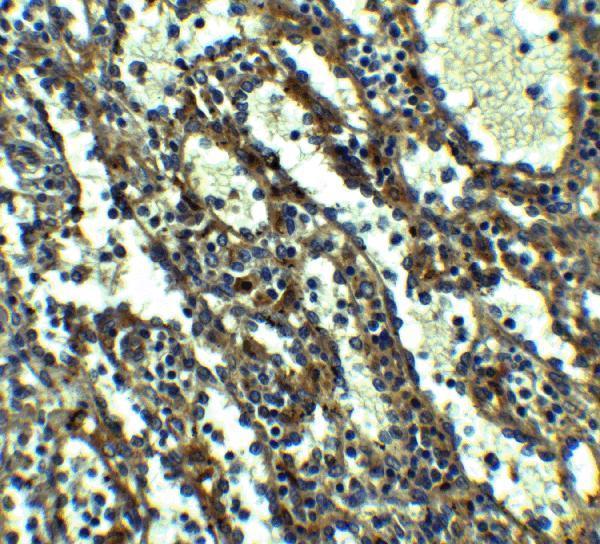
Expressed in heart, placenta, lung, liver, skeletal muscle, pancreas and very weakly in brain and kidney.
[Isoform 1]: Golgi apparatus membrane; Single-pass membrane protein. Secreted. A small proportion is secreted, probably via a proteolytic cleavage that removes the membrane anchor.; [Isoform 2]: Secreted. Found in the extracellular medium of quiescent cells but is not found in proliferating cells.



PMID: 9878249 by Coppock D.L., et al. The quiescin Q6 gene (QSCN6) is a fusion of two ancient gene families: thioredoxin and ERV1.
PMID: 16806532 by Radom J., et al. Identification and expression of a new splicing variant of FAD- sulfhydryl oxidase in adult rat brain.