This website uses cookies to ensure you get the best experience on our website.


- Table of Contents
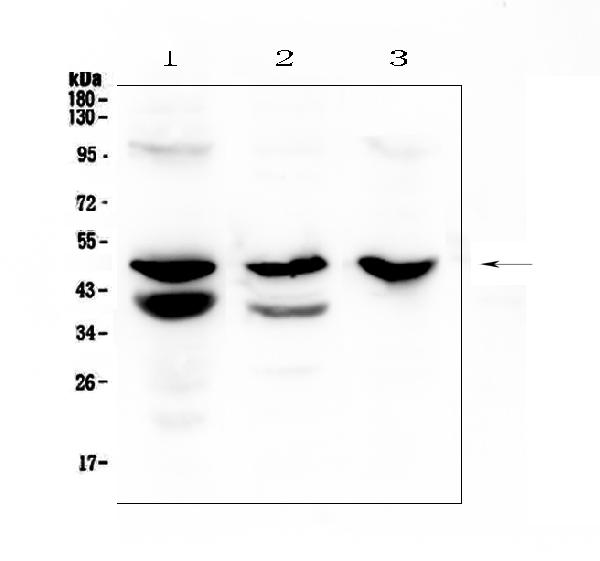
Designing a Western blot for Cathepsin E? The guide has the expected band size, antibodies backed by real blot images, the controls to run alongside, and protocols taken from published papers.
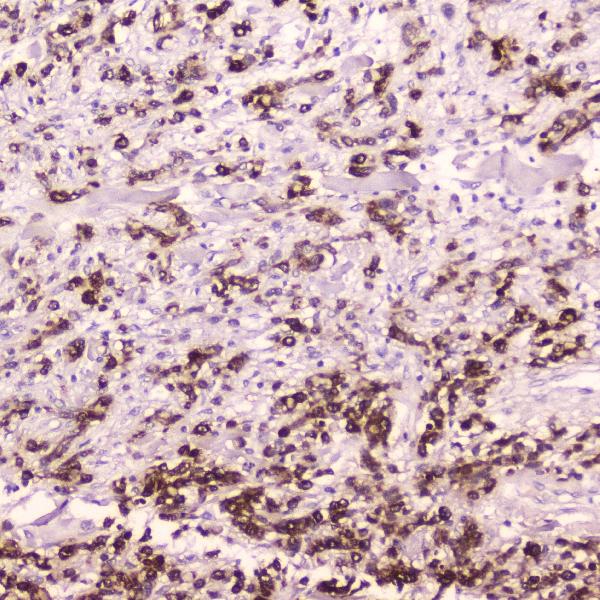
Open the CTSE Western Blot GuideDesigning an IHC experiment for Cathepsin E? The guide has the expected staining pattern, antigen retrieval and fixation, antibodies backed by real IHC images, the tissue controls to run alongside, and protocols taken from published papers.
Open the CTSE IHC Guide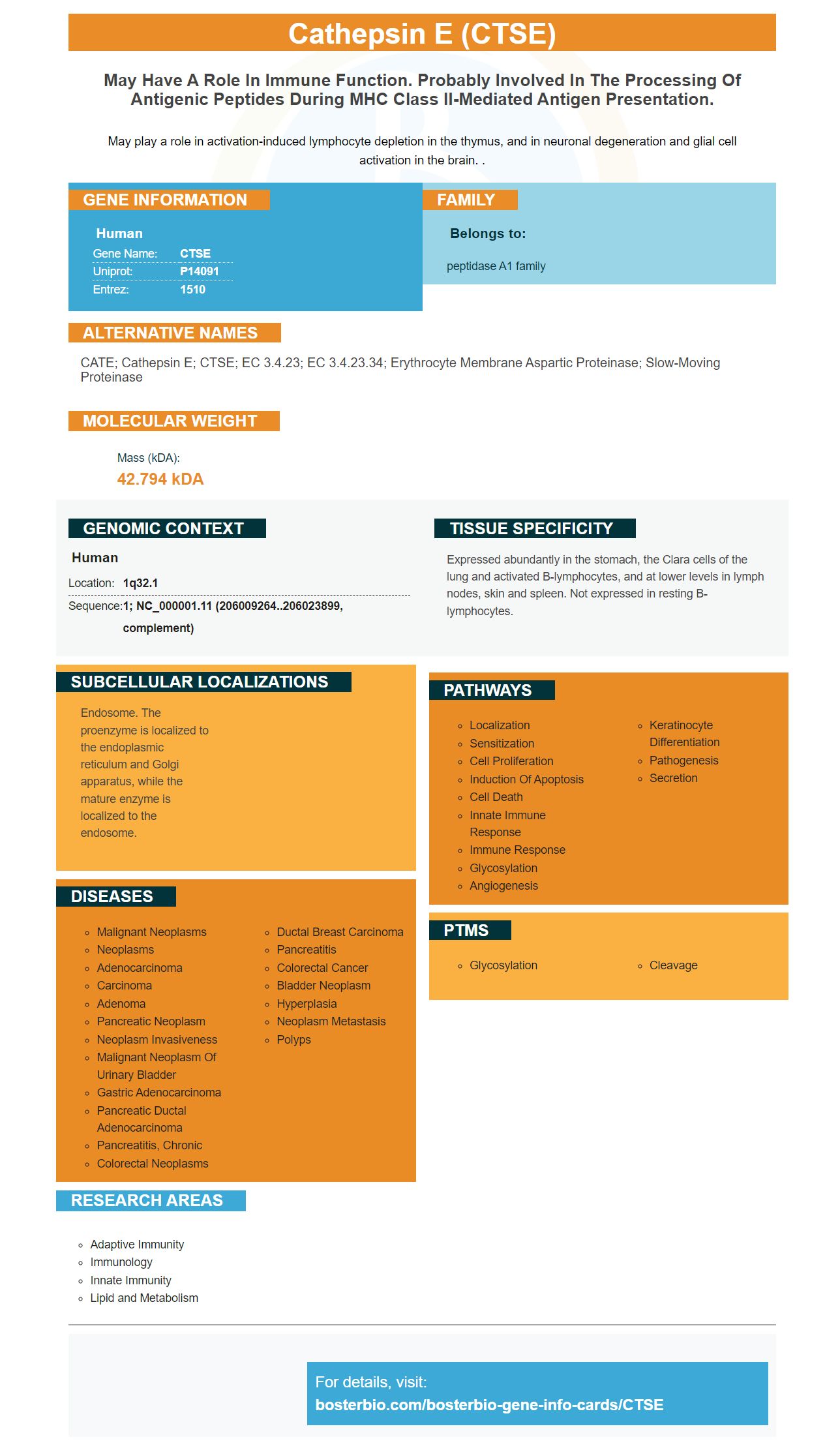


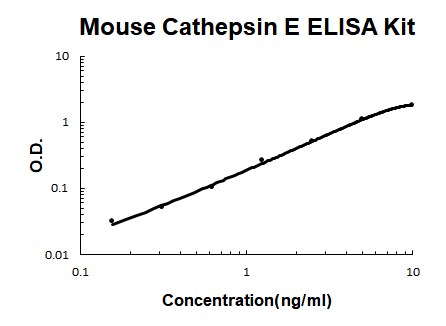
Facts about Cathepsin E.
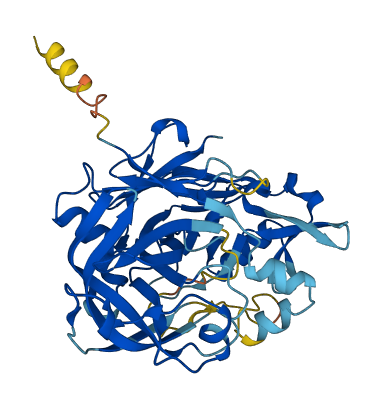
May play a role in activation-induced lymphocyte depletion in the thymus, and in neuronal degeneration and glial cell activation in the brain. .
| Human | |
|---|---|
| Gene Name: | CTSE |
| Uniprot: | P14091 |
| Entrez: | 1510 |
| Belongs to: |
|---|
| peptidase A1 family |

CATE; Cathepsin E; CTSE; EC 3.4.23; EC 3.4.23.34; erythrocyte membrane aspartic proteinase; slow-moving proteinase
Mass (kDA):
42.794 kDA

| Human | |
|---|---|
| Location: | 1q32.1 |
| Sequence: | 1; NC_000001.11 (206009264..206023899, complement) |
Expressed abundantly in the stomach, the Clara cells of the lung and activated B-lymphocytes, and at lower levels in lymph nodes, skin and spleen. Not expressed in resting B- lymphocytes.
Endosome. The proenzyme is localized to the endoplasmic reticulum and Golgi apparatus, while the mature enzyme is localized to the endosome.


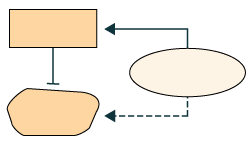


PMID: 2674141 by Azuma T., et al. Human gastric cathepsin E. Predicted sequence, localization to chromosome 1, and sequence homology with other aspartic proteinases.
PMID: 1370478 by Azuma T., et al. Human gastric cathepsin E gene. Multiple transcripts result from alternative polyadenylation of the primary transcripts of a single gene locus at 1q31-q32.