This website uses cookies to ensure you get the best experience on our website.


- Table of Contents
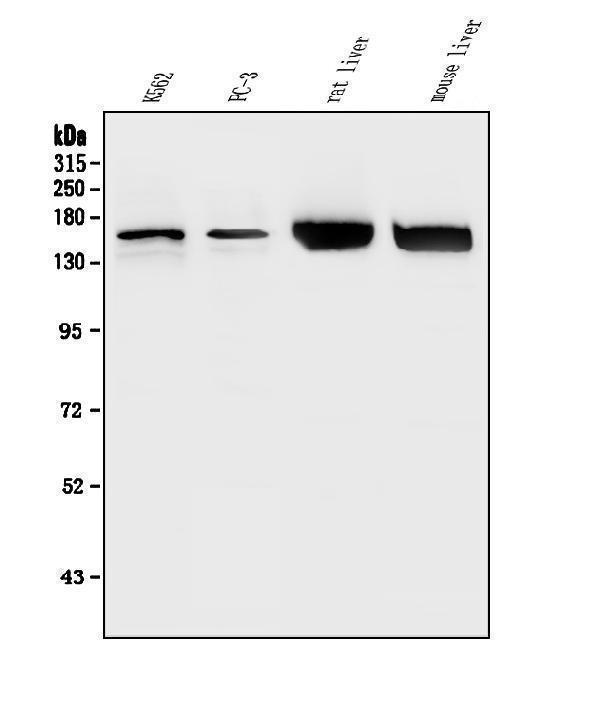
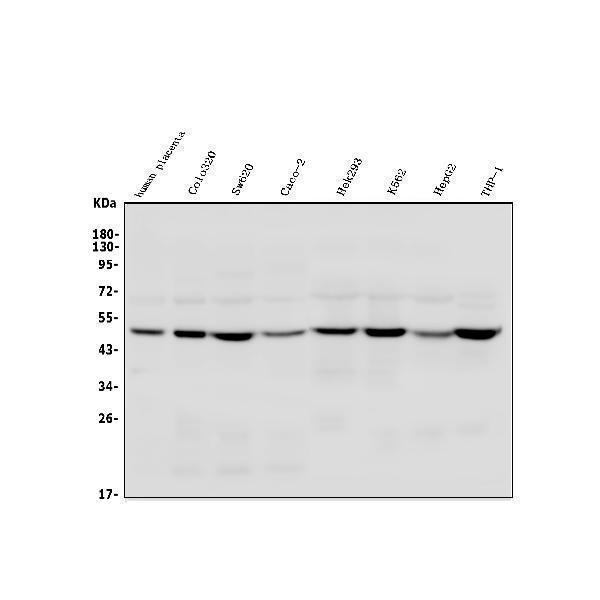
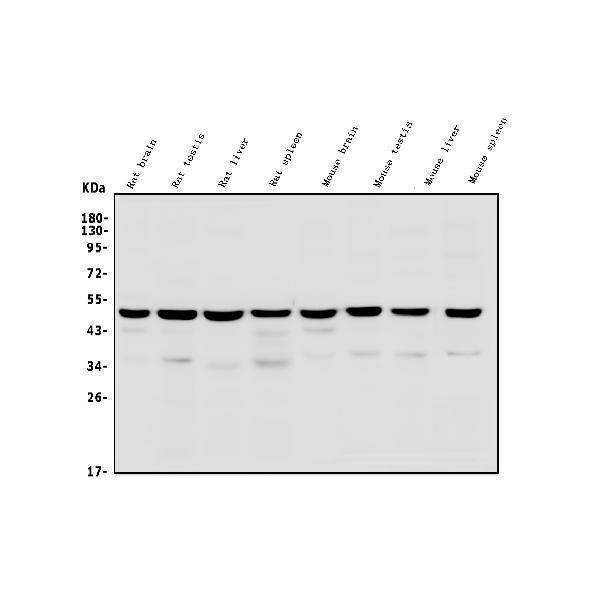
Designing a Western blot for Histone deacetylase 5? The guide has the expected band size, antibodies backed by real blot images, the controls to run alongside, and protocols taken from published papers.
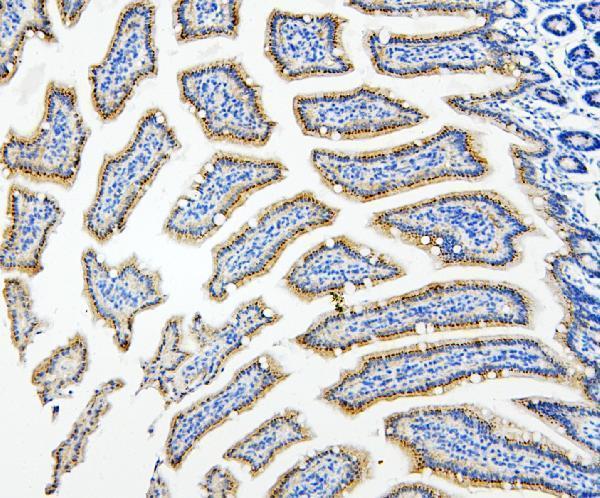
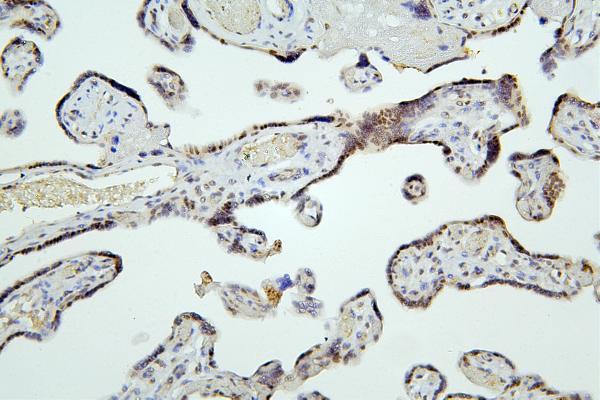
Open the HDAC5 Western Blot GuideDesigning an IHC experiment for Histone deacetylase 5? The guide has the expected staining pattern, antigen retrieval and fixation, antibodies backed by real IHC images, the tissue controls to run alongside, and protocols taken from published papers.
Open the HDAC5 IHC Guide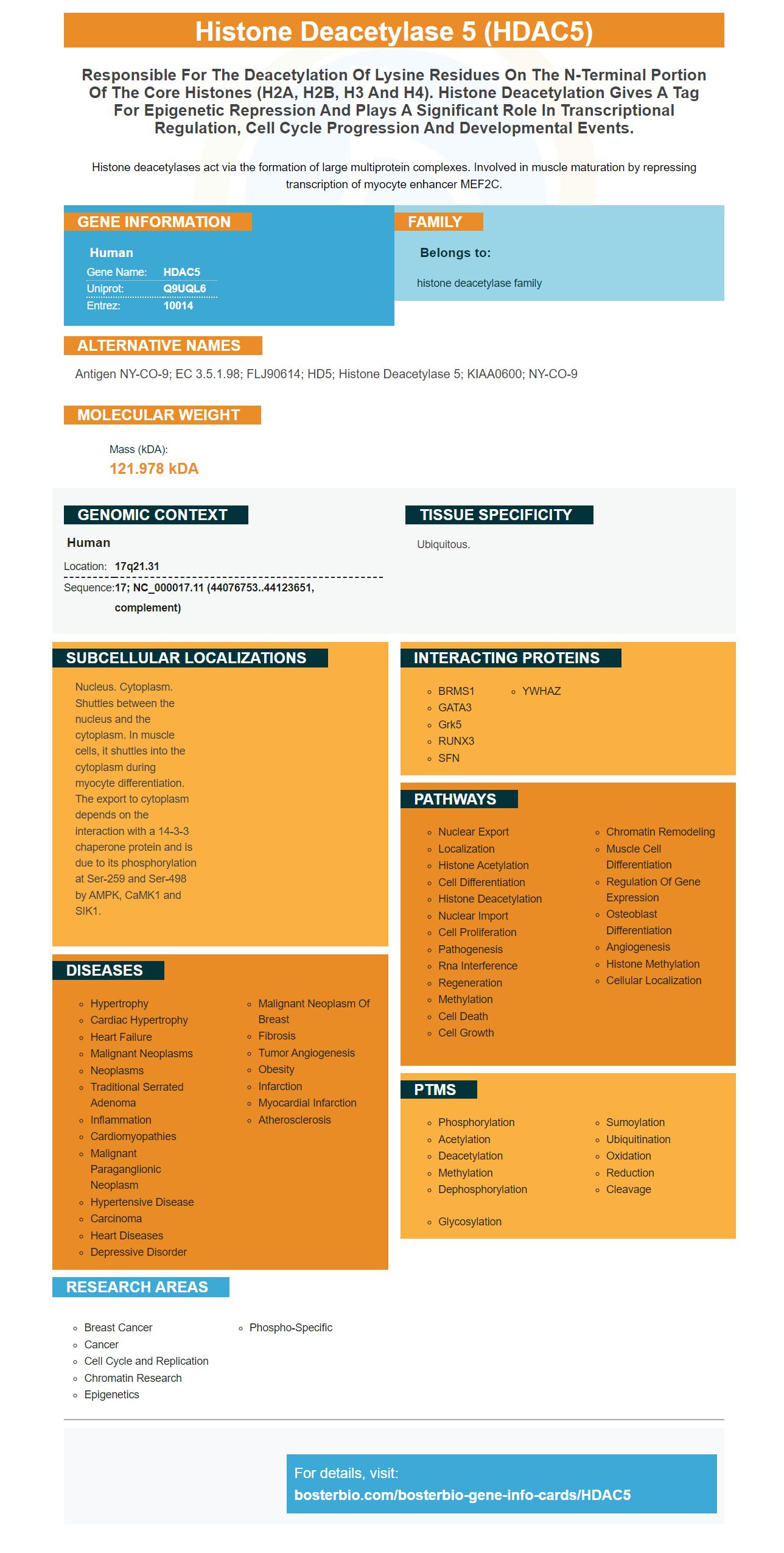
1 Citations
6 Citations
1 Citations




Facts about Histone deacetylase 5.
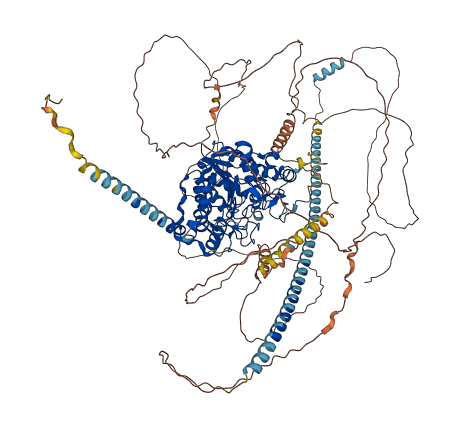
Histone deacetylases act via the formation of large multiprotein complexes. Involved in muscle maturation by repressing transcription of myocyte enhancer MEF2C.
| Human | |
|---|---|
| Gene Name: | HDAC5 |
| Uniprot: | Q9UQL6 |
| Entrez: | 10014 |
| Belongs to: |
|---|
| histone deacetylase family |

Antigen NY-CO-9; EC 3.5.1.98; FLJ90614; HD5; histone deacetylase 5; KIAA0600; NY-CO-9
Mass (kDA):
121.978 kDA

| Human | |
|---|---|
| Location: | 17q21.31 |
| Sequence: | 17; NC_000017.11 (44076753..44123651, complement) |
Ubiquitous.
Nucleus. Cytoplasm. Shuttles between the nucleus and the cytoplasm. In muscle cells, it shuttles into the cytoplasm during myocyte differentiation. The export to cytoplasm depends on the interaction with a 14-3-3 chaperone protein and is due to its phosphorylation at Ser-259 and Ser-498 by AMPK, CaMK1 and SIK1.





PMID: 10220385 by Grozinger C.M., et al. Three proteins define a class of human histone deacetylases related to yeast Hda1p.
PMID: 9610721 by Scanlan M.J., et al. Characterization of human colon cancer antigens recognized by autologous antibodies.
*More publications can be found for each product on its corresponding product page