This website uses cookies to ensure you get the best experience on our website.


- Table of Contents
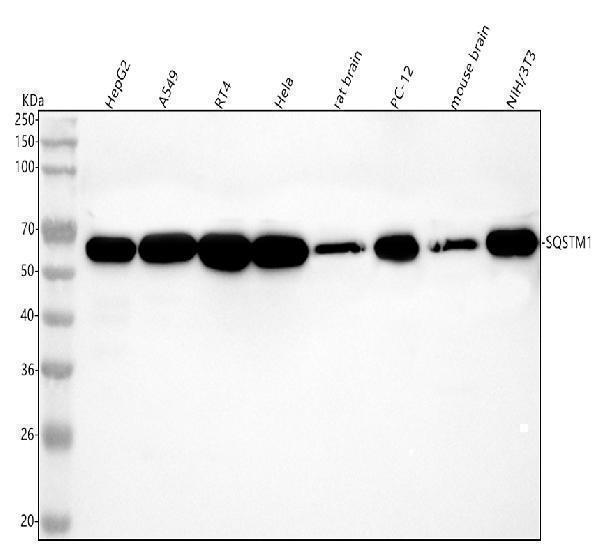
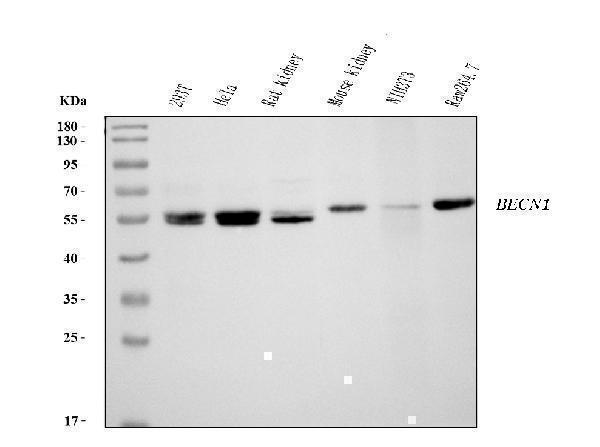
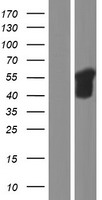
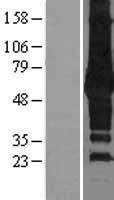
Designing a Western blot for Sequestosome-1? The guide has the expected band size, antibodies backed by real blot images, the controls to run alongside, and protocols taken from published papers.
Open the SQSTM1 Western Blot Guide
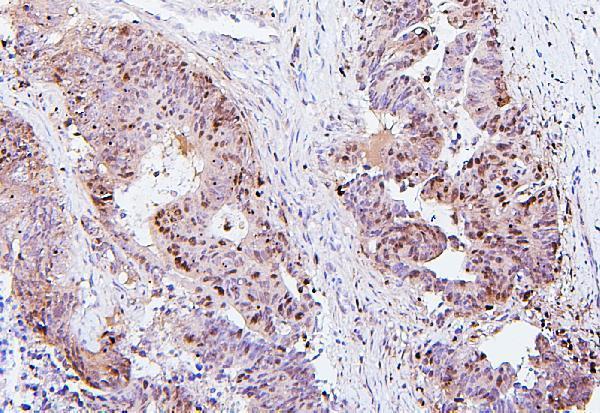
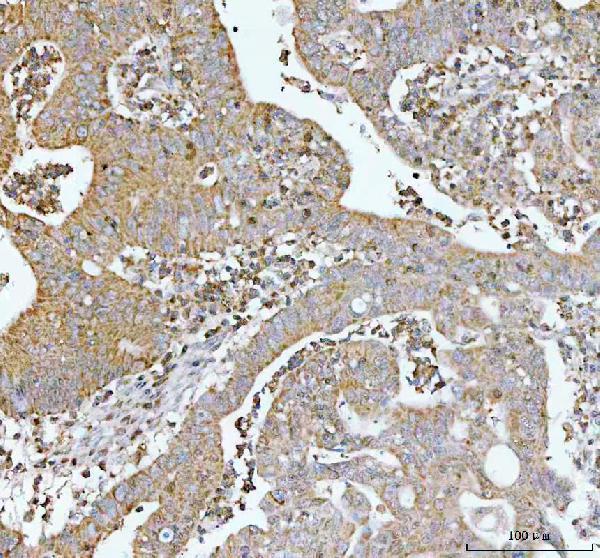
37 Citations
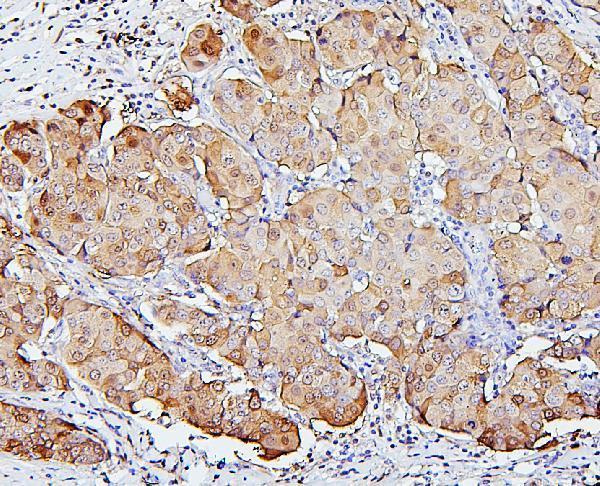
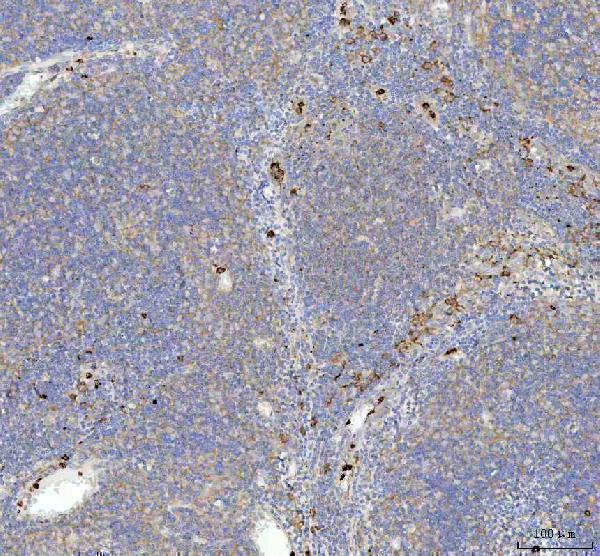
12 Citations
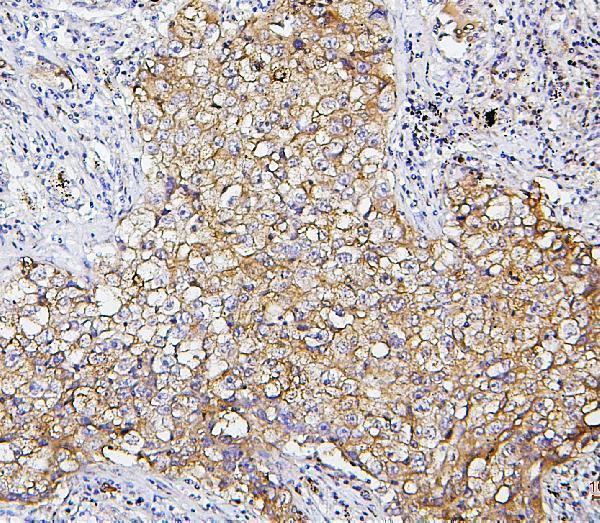
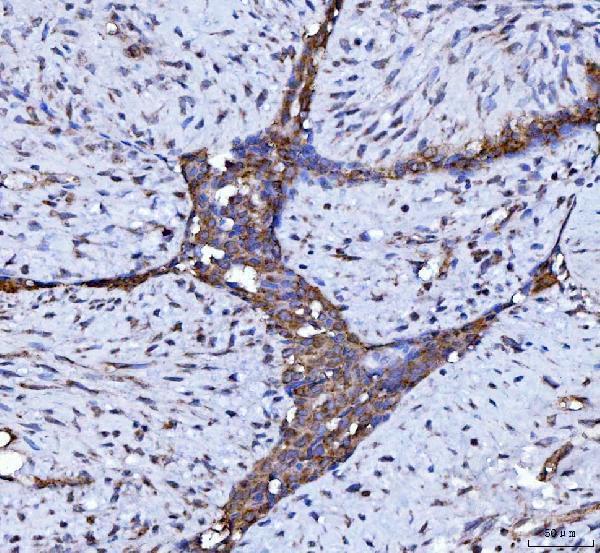
4 Citations
Facts about Sequestosome-1.
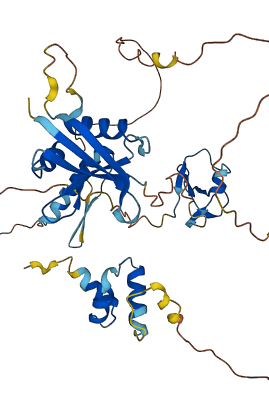
Interacts directly with both the freight to become degraded and an autophagy modifier of the MAP1 LC3 family (PubMed:16286508, PubMed:20168092, PubMed:24128730, PubMed:28404643, PubMed:22622177). Together with WDFY3, involved with the formation and autophagic degradation of cytoplasmic ubiquitin- containing inclusions (p62 bodies, ALIS/aggresome-like induced structures).
| Human | |
|---|---|
| Gene Name: | SQSTM1 |
| Uniprot: | Q13501 |
| Entrez: | 8878 |
| Belongs to: |
|---|
| No superfamily |

A170; Autophagy Receptor P62; DMRV; EBI3-associated protein of 60 kDa; EBI3-associated protein p60; EBIAP; FTDALS3; NADGP; ORCA; OSIL; oxidative stress induced like; p60PDB3; p62; p62B; Paget disease of bone 3; PDB3; phosphotyrosine independent ligand for the Lck SH2 domain p62; Phosphotyrosine-independent ligand for the Lck SH2 domain of 62 kDa; Sequestosome 1; sequestosome-1; SQSTM1; Ubiquitin-binding protein p62; ZIP3
Mass (kDA):
47.687 kDA

| Human | |
|---|---|
| Location: | 5q35.3 |
| Sequence: | 5; NC_000005.10 (179806393..179838078) |
Ubiquitously expressed.
Cytoplasm, cytosol. Late endosome. Lysosome. Cytoplasmic vesicle, autophagosome. Nucleus. Endoplasmic reticulum. Nucleus, PML body. Cytoplasm, myofibril, sarcomere. In cardiac muscle, localizes to the sarcomeric band (By similarity). Commonly found in inclusion bodies containing polyubiquitinated protein aggregates. In neurodegenerative diseases, detected in Lewy bodies in Parkinson disease, neurofibrillary tangles in Alzheimer disease, and HTT aggregates in Huntington disease. In protein aggregate diseases of the liver, found in large amounts in Mallory bodies of alcoholic and nonalcoholic st




PMID: 8551575 by Devergne O., et al. A novel interleukin-12 p40-related protein induced by latent Epstein- Barr virus infection in B lymphocytes.
PMID: 8650207 by Joung I., et al. Molecular cloning of a phosphotyrosine-independent ligand of the p56lck SH2 domain.
*More publications can be found for each product on its corresponding product page