Customer Testimonials

Peer Reviews from Real Labs

Browse peer-submitted results linked to specific products—ratings, images, and practical notes included. Contribute your own result to strengthen the evidence base and claim rewards after verification.

Video Interviews

See real workflows and decision points—what researchers tried, what worked, and why. Share your story in a short interview and claim rewards!

Get Interview Rewards

Filter by category, reactivity, and host to find the most relevant peer results.

Anti-phospho Lyn (Y396) Rabbit Monoclonal Antibody

Excellent, submitted by on

Source: Biocompare.com

SKU P01424-1
Application Flow Cytometry
Sample B cells
Primary Incubation 0.25 µl/10^6 cells 50min RT
Blocking Agent FBS 5%
Secondary Incubation F(ab')2-Donkey anti-Rabbit IgG (H+L), PE 0.1 µl/10^6
Detection Flow Cytometry
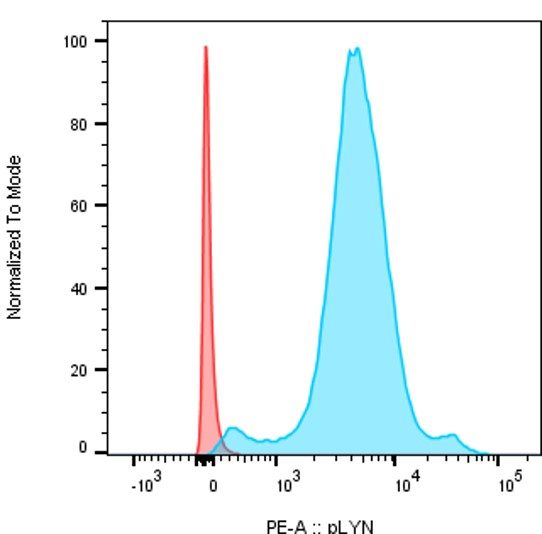
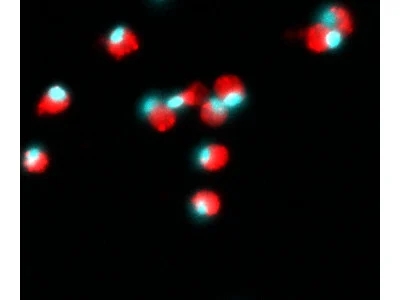
Results Summary Staining of B cells from mice bone marrow after cytoplasmic permezbiliation. The cells were first fixed and permeabilized with intracellular fix and perm set from ebioscience and then stained with 0,25 µl/ million cells with pLYN antibody (P01424-1) during 50min After, a seconde staining was performed with 0,1µl/million cells of F(ab')2-Donkey anti-Rabbit IgG (H+L), PE, Secondary Antibody from invitrogen. In red secondary antibody only and in blue primary anti-phospho lyn + secondary antibody.

Mettl23 Detection in Cell Lines

Excellent, submitted by on

Source: Biocompare.com

SKU DZ41142
Application Western Blot
Sample Human cell lines
Primary Incubation 1:500 with 1% BSA in TBS, incubated overnight, at 4oC, with shaking
Blocking Agent 5% BSA in TBS
Secondary Incubation Licor IRDye 800 Goat anti Rabbit diluted 1:10000 with 1% BSA in TBS, incubated for 1 hour at RT , with shaking
Detection Licor Odyssey IR Scanner
Additional Notes The antibody has very good stability at room temperature (transit took over 2 weeks and the ice packs had long melted before delivery).
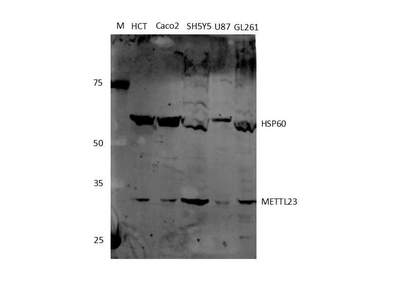
Results Summary The antibody gave a detectable band at the expected size for all cell lines tested with no non-specific bands.

"This antibody was used to determine the level of protein expression in various cell lines in order to set up two groups (high vs low expression). This antibody was custom made because numerous suppliers have either stopped their production for this antibody or quality/specificity was low."

Very Clean Anti-Lactoferrin/LTF Antibody Picoband

Excellent, submitted by on

Source: Biocompare.com

SKU A00633-1
Application Western Blot
Sample Mouse Neutrophils
Primary Incubation 1:2000 1 hr
Blocking Agent 5% BSA
Secondary Incubation 1:3000
Detection HRP
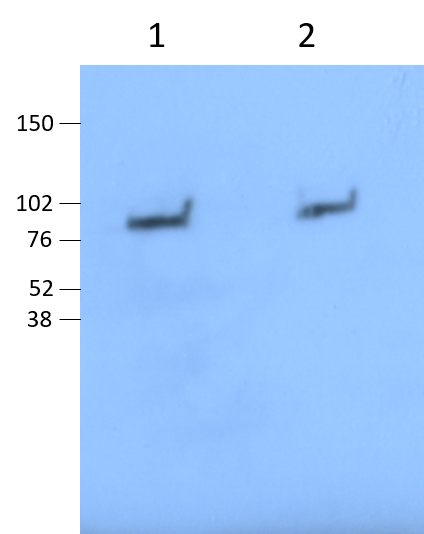
Results Summary Nicely compared total LTF in neutrophils to degranulated LTF. In the image below, Lane 1: Total LTF from mouse neutrophil cell lysates. Lane 2: degranulated LTF. Ratio 1:20.

"Nicely detects degranulated LTF in supernatant mouse neutrophils stimulated with bacteria. Used at 1:2000 in 5% BSA."

Anti-ULK2 Antibody Works Great for Western Blotting

Excellent, submitted by on

Source: Biocompare.com

SKU A05219
Application Western Blot
Sample HEK293T
Primary Incubation 1:5000 for 24hours at 4degrees celsius.
Blocking Agent Skim milk
Secondary Incubation 1 hour room temperature 1:3000
Detection ECL
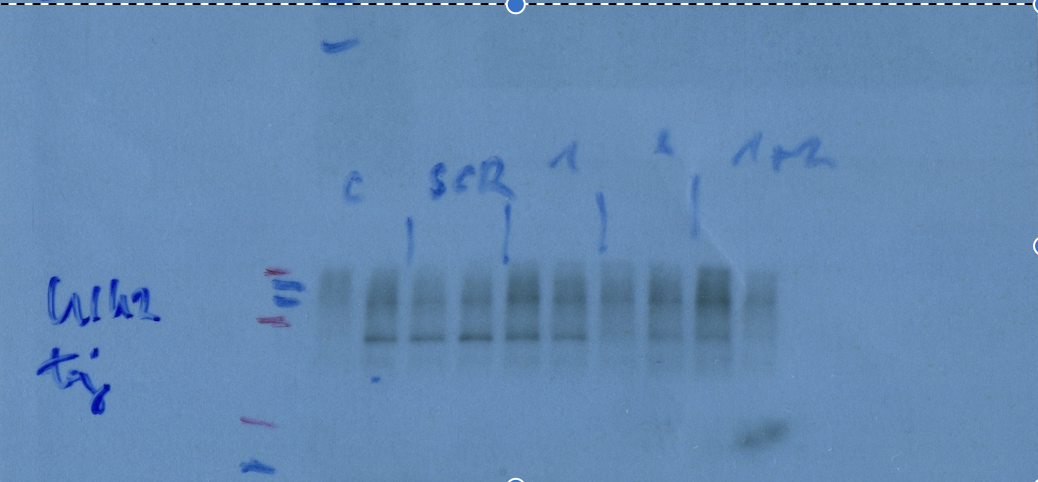
Results Summary We silenced ULK1 and ULK2 genes in HEK293T cells, the antibody could differentiate the two proteins.

"Used for western blotting. The antibody worked good, used skim milk for blocking. It was used for investigating silenced HEK293T cells."

Beautiful Imaging of Zebrafish Eosinophils

Excellent, submitted by on

Source: Biocompare.com

SKU DZ41383
Application Immunofluorescence
Sample Zebrafish WKM, IPEX and FFPE tissue sections
Primary Incubation Overnight
Blocking Agent 3% goat serum in PBS
Secondary Incubation 1 hour
Tertiary Incubation None
Detection Fluorescence microscopy
DOI or PMID # https://doi.org/10.1101/2024.04.29.591640
Results Summary Antibody detects eosinophils and stains eosinophil granula. It is highly specific and can be used in dilutions such as 1:1000 for IF.

"We ordered this antibody as a custom antibody from Boster Bio to stain for zebrafish eosinophils in FFPE tissue sections and fixed cells. It works wonderfully: very bright, with no relevant background or off-target staining, and highly reproducible."

The antibody worked well even though we used fresh frozen brain sections cut at 20 micron thickness thaw-mounted onto microscope slide that were then post-fixed with 4% paraformaldehyde. The antibody worked equally well when used on fixed brains sectioned

Excellent, submitted by on

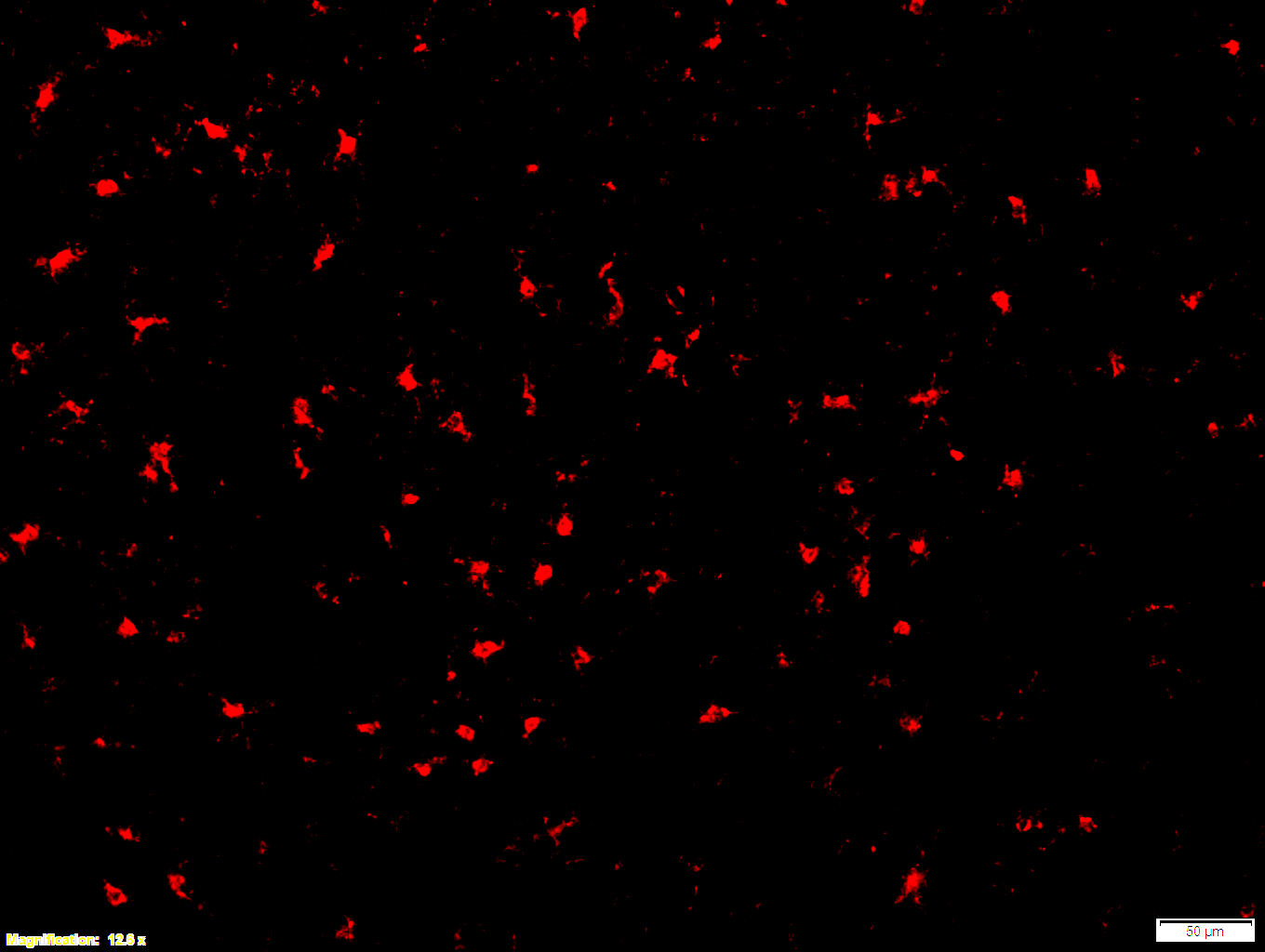
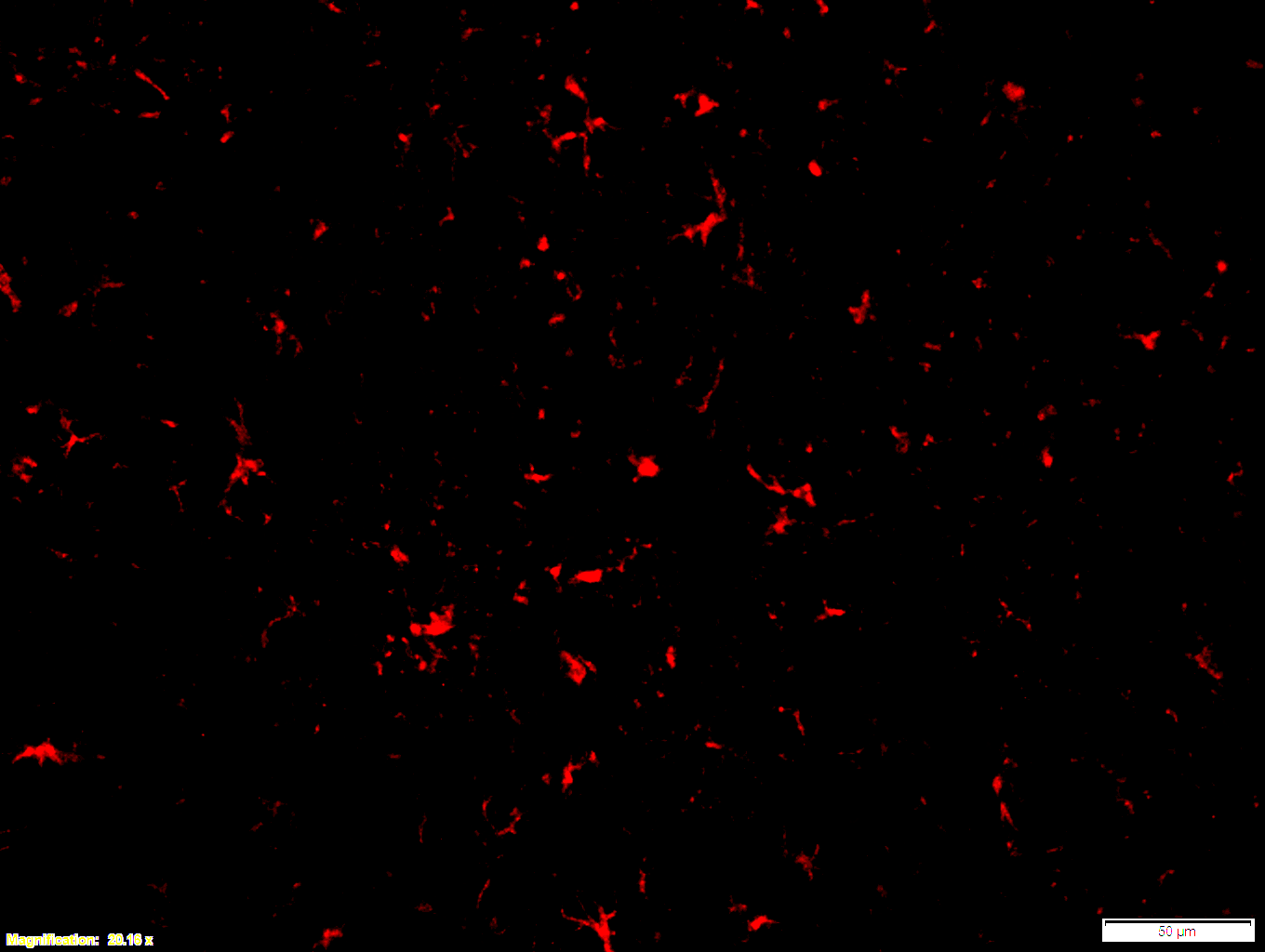
Boster bio Iba1 1:100 PFA (3-4) - cortex 12x - with scale bar

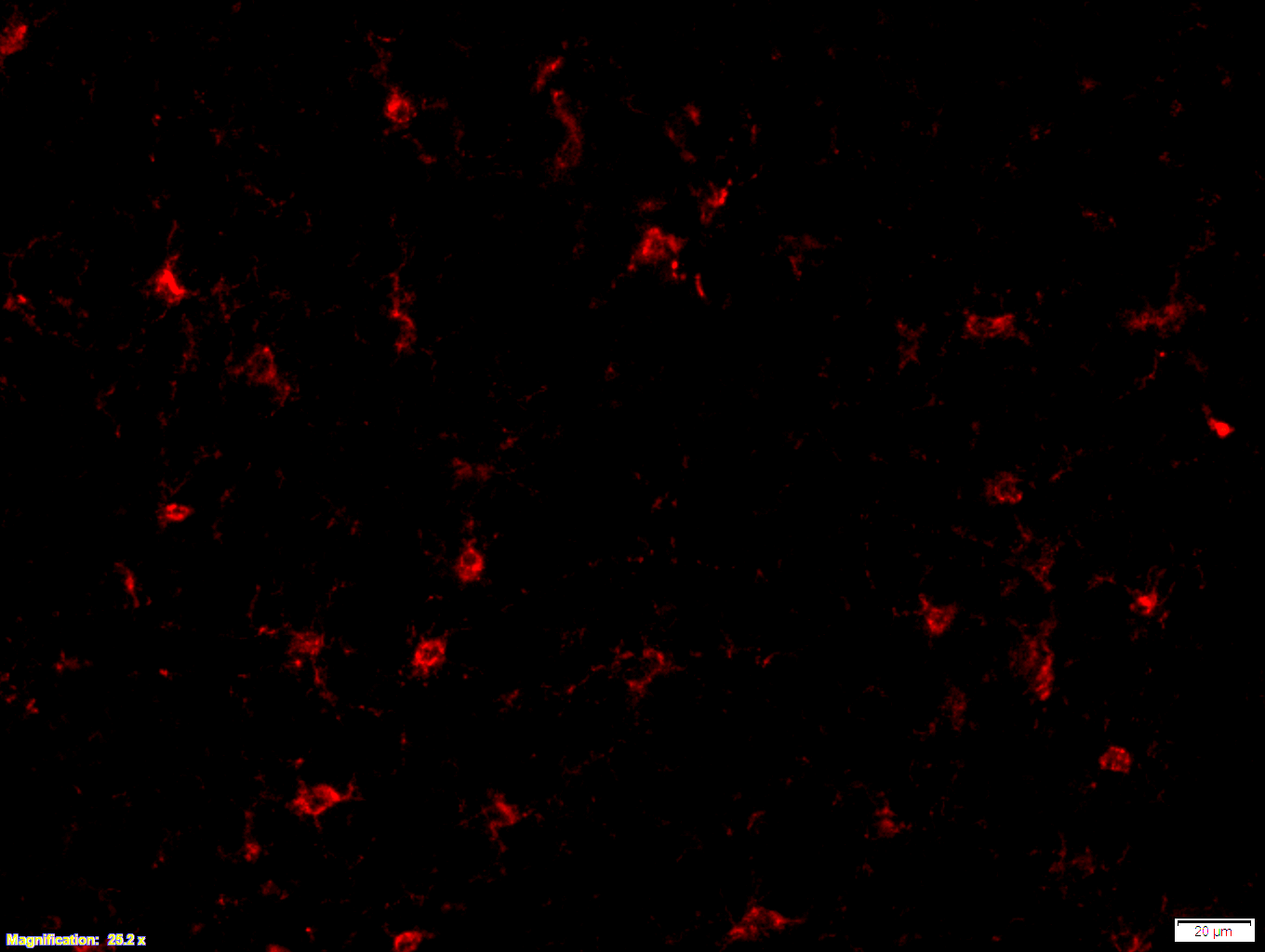
Boster bio Iba1 1:100 PFA (3-4) - cortex 25x - with scale bar

SKU A01394
Application Immunofluorescence
Sample Mouse brain
Primary Antibody Dilution 1:100

Images that were made from fresh frozen cryostat sections, were thaw-mounted onto microscope slides. Mounted sections were later post-fixed with 300 µL of 4% paraformaldehyde (PFA) in PBS at room temperature for 10 minutes. After fixation and prior to incubation with antibodies, slides were washed 3 times with 300 µL of 1X PBS with 0.01% sodium azide for 3 minutes per rinse, followed by permeabilization with 300 µL of 0.3% Triton X-100 in 1X PBS with 0.01% sodium azide for 30 minutes at room temperature, then blocking with 700 µL of 4% donkey serum diluted in 1X PBS with 0.01% sodium azide + Triton X-100 (blocking buffer) for 30 minutes at room temperature. Slides were incubated with 325 µL of Iba1 (1:100). Concentrations of 1:100 were achieved by diluting 10 µL of antibody in 1,000 µL of blocking buffer; concentrations of 1:250 were achieved by diluting 4 µL of antibody in 1,000 µL of blocking buffer. Sections were incubated overnight at 4 ˚C. On the next day, slides were washed 3 times with 300 µL of 1X PBS with 0.01% sodium azide for 3 minutes per rinse, then incubated with the secondary antibodies at room temperature, in the dark, for 1 hour. Washing step was repeated then slides were left in the dark to dry. Mounting media was added to cover slip the sections. Slides were kept in the dark at 4 ˚C prior to imaging.

The antibody worked well even though we used fresh frozen brain sections cut at 20 micron thickness thaw-mounted onto microscope slide that were then post-fixed with 4% paraformaldehyde. The antibody worked equally well when used on fixed brains sectioned

Excellent, submitted by on

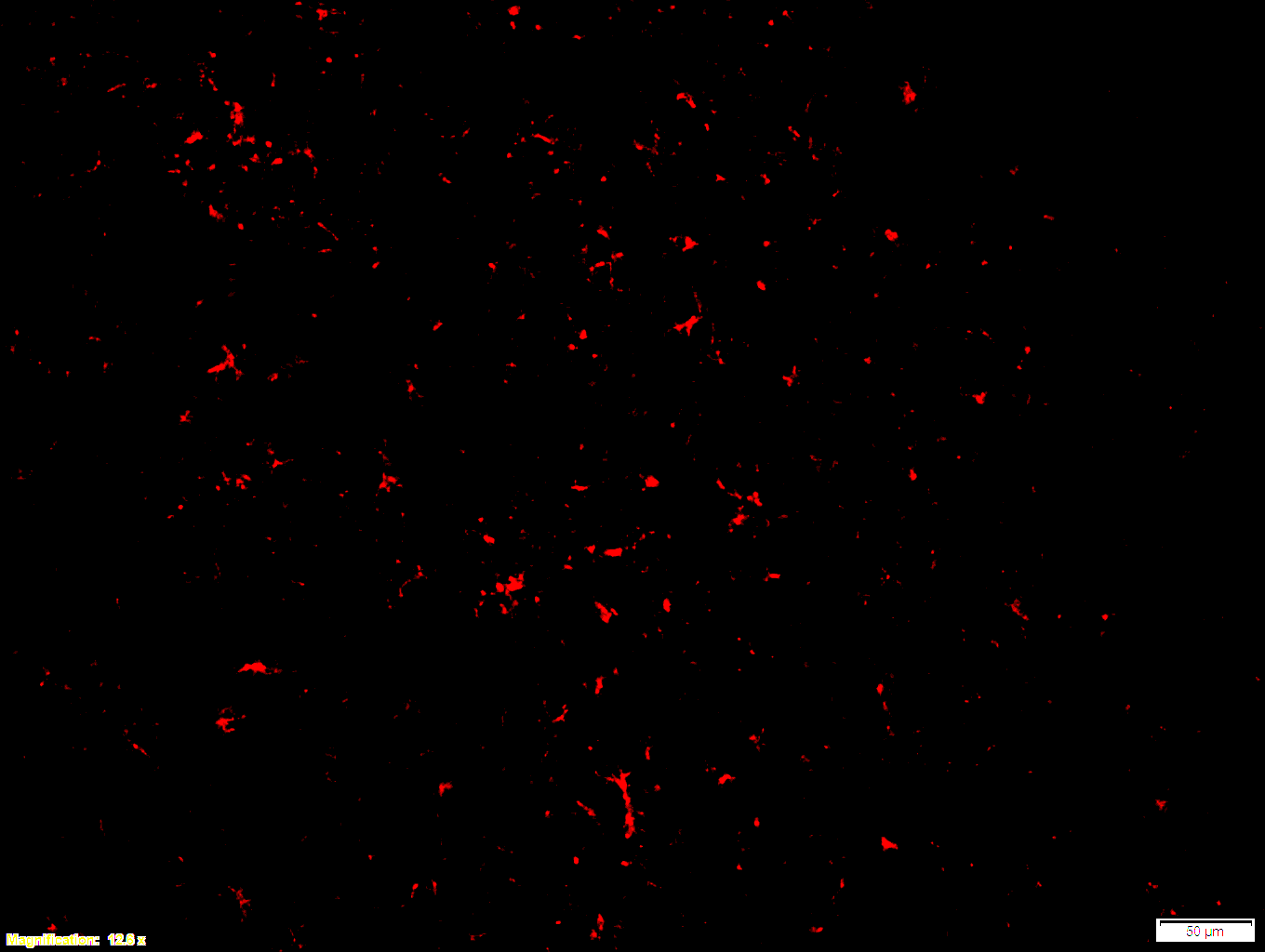
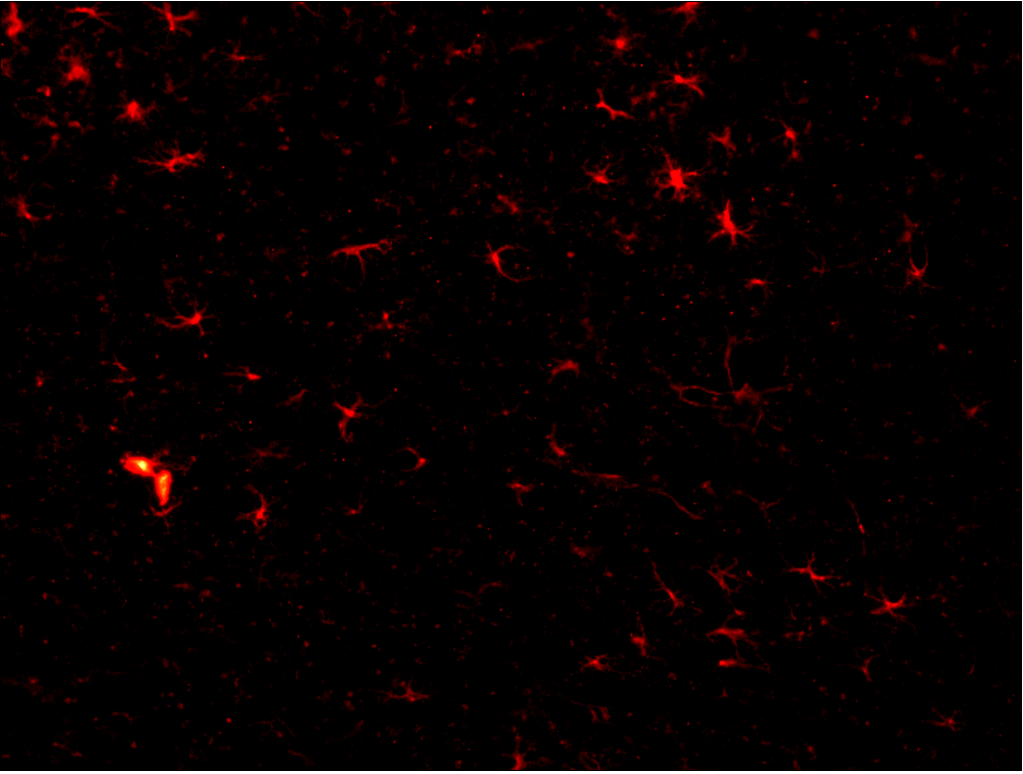
Boster bio GFAP 1:100 PFA (7-2) - cortex 12x - with scale bar


Boster bio GFAP 1:100 PFA (7-2) - cortex 20x - with scale bar


Boster bio GFAP 1:250 12x (free-floating)

SKU PB9082
Application Immunofluorescence
Sample Mouse brain
Primary Antibody Dilution 1:100

Images that were made from fresh frozen cryostat sections, were thaw-mounted onto microscope slides. Mounted sections were later post-fixed with 300 µL of 4% paraformaldehyde (PFA) in PBS at room temperature for 10 minutes. After fixation and prior to incubation with antibodies, slides were washed 3 times with 300 µL of 1X PBS with 0.01% sodium azide for 3 minutes per rinse, followed by permeabilization with 300 µL of 0.3% Triton X-100 in 1X PBS with 0.01% sodium azide for 30 minutes at room temperature, then blocking with 700 µL of 4% donkey serum diluted in 1X PBS with 0.01% sodium azide + Triton X-100 (blocking buffer) for 30 minutes at room temperature. Slides were incubated with 325 µL of GFAP (1:100). Concentrations of 1:100 were achieved by diluting 10 µL of antibody in 1,000 µL of blocking buffer; concentrations of 1:250 were achieved by diluting 4 µL of antibody in 1,000 µL of blocking buffer. Sections were incubated overnight at 4 ˚C. On the next day, slides were washed 3 times with 300 µL of 1X PBS with 0.01% sodium azide for 3 minutes per rinse, then incubated with the secondary antibodies at room temperature, in the dark, for 1 hour. Washing step was repeated then slides were left in the dark to dry. Mounting media was added to cover slip the sections. Slides were kept in the dark at 4 ˚C prior to imaging.

Immunohistochemistry was also performed with free-floating sections, which were exposed to the same primary antibodies diluted (1:250) in blocking buffer overnight and, subsequently, exposed to secondary antibodies diluted in blocking buffer for 1 hour, following the same procedure as the mounted sections. After incubation, sections were washed 3 times with 300 µL of 1X PBS with 0.01% sodium azide for 3 minutes per rinse and transferred with a painting brush to a container filled with 1X PBS with 0.01% sodium azide, from which they were mounted onto slides. Slides were left to dry in the dark, after which mounting media was added to cover slip the sections. As with slide-mounted sections, these slides were kept in the dark at 4 ˚C prior to imaging.


"Very happy with this product"

Excellent, submitted by on

Source: Customer Feedback Submission

"Very happy with this product"

--Ailin Lepletier de Oliveira

SKU A00421-3
Application IHC
Sample Mouse spleen and lung

"Very happy with this product. We were using an IL-17A from Abcam but found very high endogenous non-specific staining. This product was a much better stain in comparison. We used this antibody (1:200) on the Leica BOND Rxm autostainer, blocked with Sniper/1% BSA and it worked beautifully."

"Works well for immunofluorescence"

Excellent, submitted by on

Source: Customer Feedback Submission

"Works well for immunofluorescence"

--Jason Tennessen

SKU DZ41223
Application IF
Sample Drosophila larval fat body

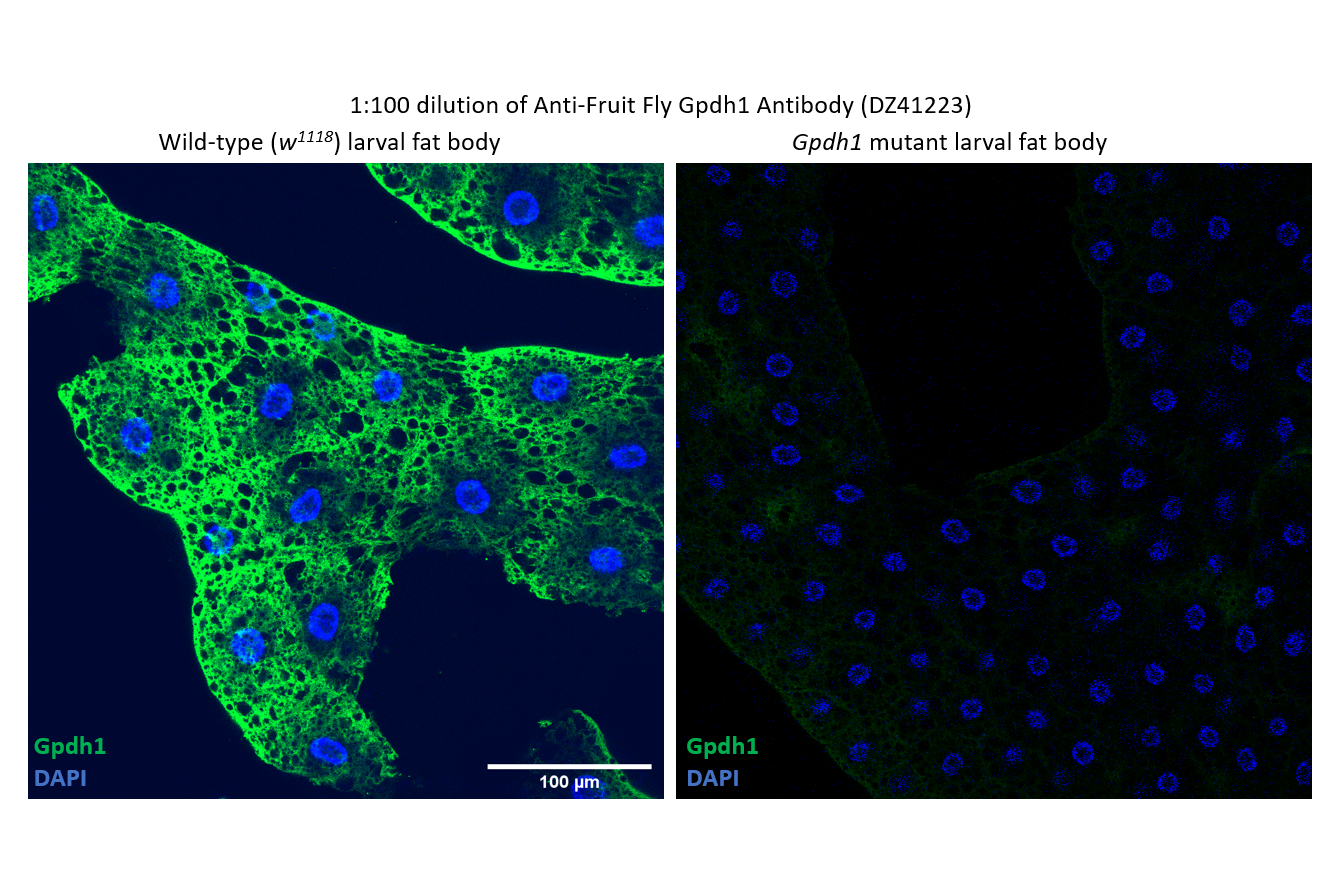
"We’ve verified the specificity of this custom antibody that Boster generated for us. The antibody "Anti-Fruit Fly Gpdh1 Antibody (DZ41223)” works well for immunofluorescence. A 1:100 dilution of this antibody stains fat body tissues of wild-type larvae but not Gpdh1 mutant. I’m happy to advertise this antibody to the fly community."

Immunofluorescence for Anti-CG6353 Antibody

--Amin Ghabrial  Pathology and Cell Biology  Columbia University  Principal Investigator

Excellent, submitted by on

Source: Biocompare.com

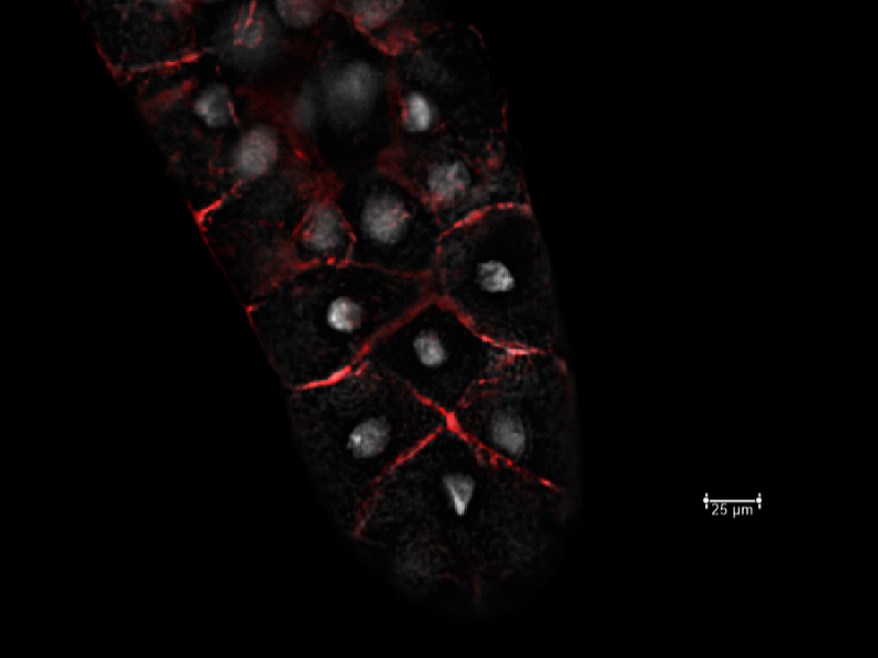
"My lab is characterizing a mutant we named disjointed. The disjointed gene is also known as CG6353 or Archease. We have used this antibody for IF, and it appears to work well. It gives us a staining pattern for the endogenous protein that matches the pattern we see with an HA-tagged fusion protein detected by anti-HA staining."

SKU DZ33921-1
Application Immunofluorescence
Sample Drosophila larvae
Primary Incubation   1:100 at 4 degrees overnight
Blocking Agent 4% horse serum
Secondary Incubation   1:1000 anti-Rb-A488
Tertiary Incubation   N/A
Detection IF
Results Summary Antibody staining reveals subcellular localization of the protein. In salivary gland and trachea, localization was primarily nuclear.