This website uses cookies to ensure you get the best experience on our website.


- Table of Contents
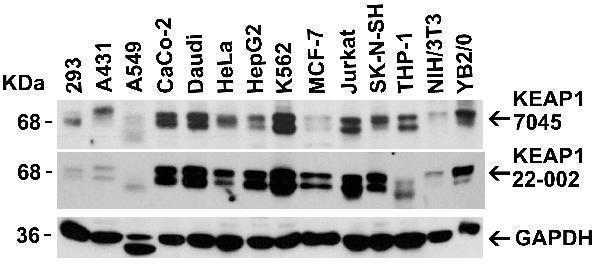
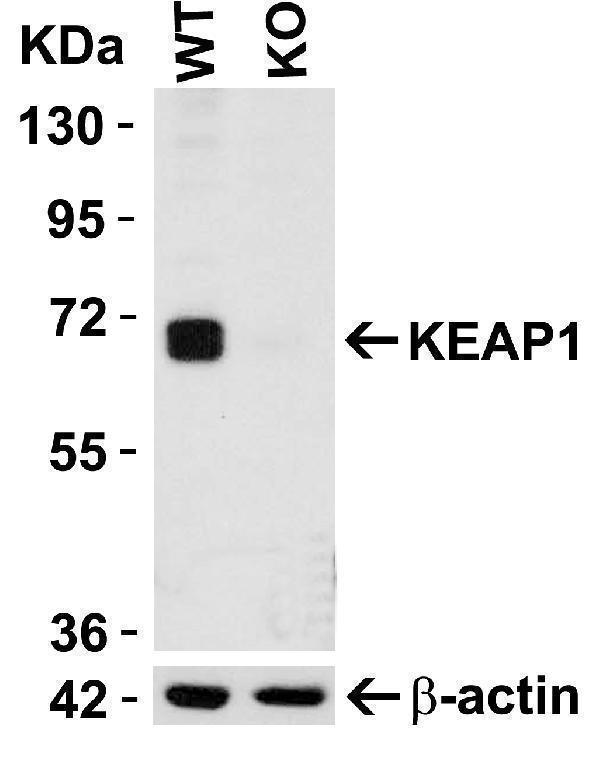
Designing a Western blot for KEAP1? The guide has the expected band size, antibodies backed by real blot images, the controls to run alongside, and protocols taken from published papers.
Open the KEAP1 Western Blot Guide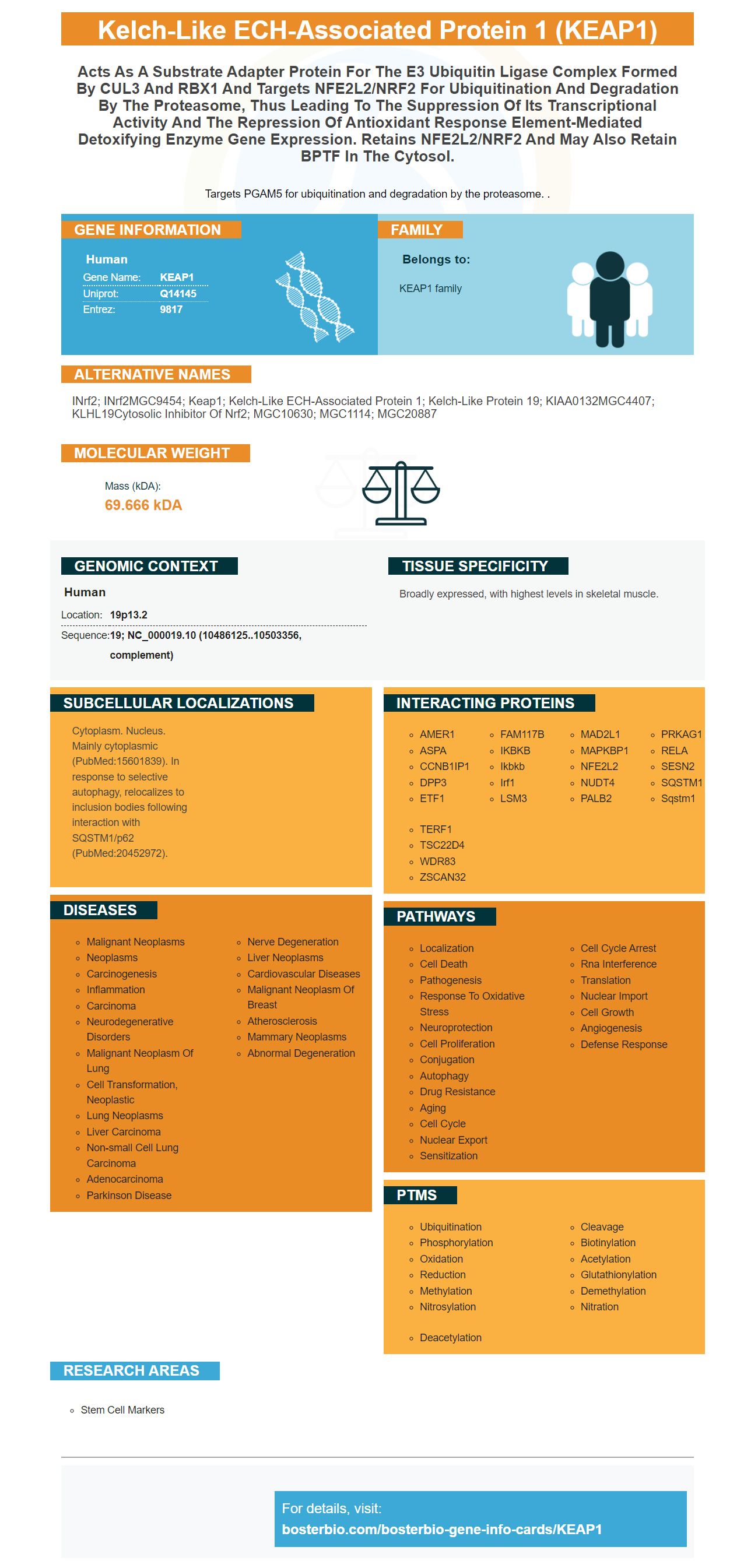
15 Citations
Facts about Kelch-like ECH-associated protein 1.
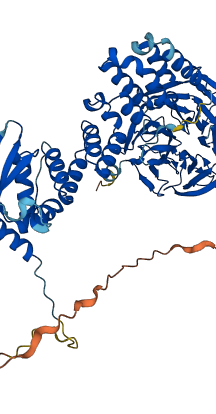
Targets PGAM5 for ubiquitination and degradation by the proteasome. .
| Human | |
|---|---|
| Gene Name: | KEAP1 |
| Uniprot: | Q14145 |
| Entrez: | 9817 |
| Belongs to: |
|---|
| KEAP1 family |

INrf2; INrf2MGC9454; Keap1; kelch-like ECH-associated protein 1; Kelch-like protein 19; KIAA0132MGC4407; KLHL19Cytosolic inhibitor of Nrf2; MGC10630; MGC1114; MGC20887
Mass (kDA):
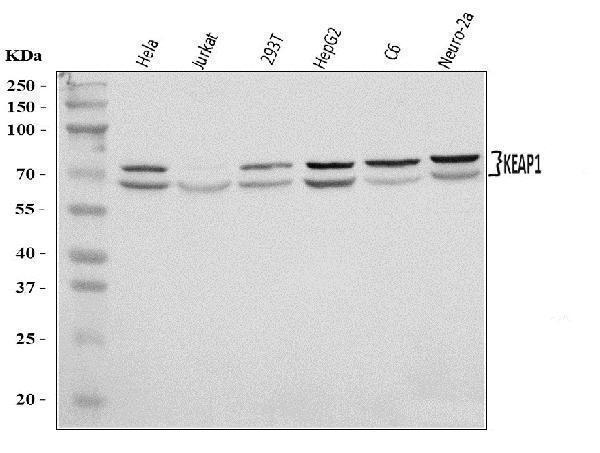
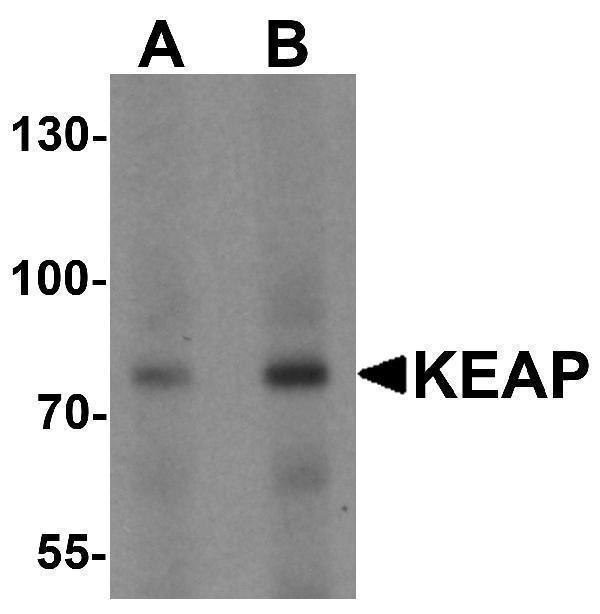
69.666 kDA

| Human | |
|---|---|
| Location: | 19p13.2 |
| Sequence: | 19; NC_000019.10 (10486125..10503356, complement) |
Broadly expressed, with highest levels in skeletal muscle.
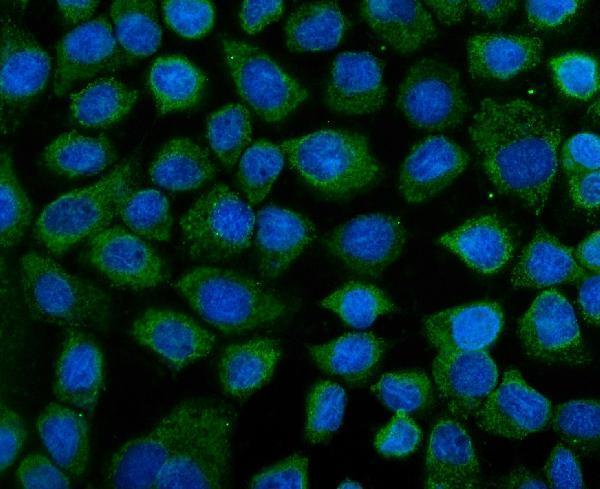
Cytoplasm. Nucleus. Mainly cytoplasmic (PubMed:15601839). In response to selective autophagy, relocalizes to inclusion bodies following interaction with SQSTM1/p62 (PubMed:20452972).



PMID: 14585973 by Zhang D.D., et al. Distinct cysteine residues in Keap1 are required for Keap1-dependent ubiquitination of Nrf2 and for stabilization of Nrf2 by chemopreventive agents and oxidative stress.
PMID: 15379550 by Strachan G.D., et al. Fetal Alz-50 clone 1 interacts with the human orthologue of the Kelch-like Ech-associated protein.
*More publications can be found for each product on its corresponding product page