This website uses cookies to ensure you get the best experience on our website.


- Table of Contents
and ELISA kits, proteins related to Celiac Disease.
Celiac Disease is a chronic autoimmune disorder that primarily affects the digestive system, triggered by the ingestion of gluten, a protein found in wheat, barley, and rye. When individuals with Celiac Disease consume gluten, their immune system responds by damaging the small intestine's lining, impairing nutrient absorption and leading to a variety of symptoms such as abdominal pain, bloating, diarrhea, and unexplained weight loss. Beyond gastrointestinal distress, Celiac Disease can also cause anemia, joint pain, and skin rashes, among other symptoms. Research and diagnosis have become increasingly important as Celiac Disease can lead to serious complications if left untreated, including osteoporosis, neurological disorders, and an increased risk of some cancers. The only current effective treatment is a strict, lifelong gluten-free diet. The development of various antibodies has been crucial for advancing diagnostic techniques, allowing for more precise detection of the disease and better understanding of its pathogenesis. These antibodies are essential tools not only in research environments but also in clinical settings to ensure accurate diagnosis and monitoring of patients.
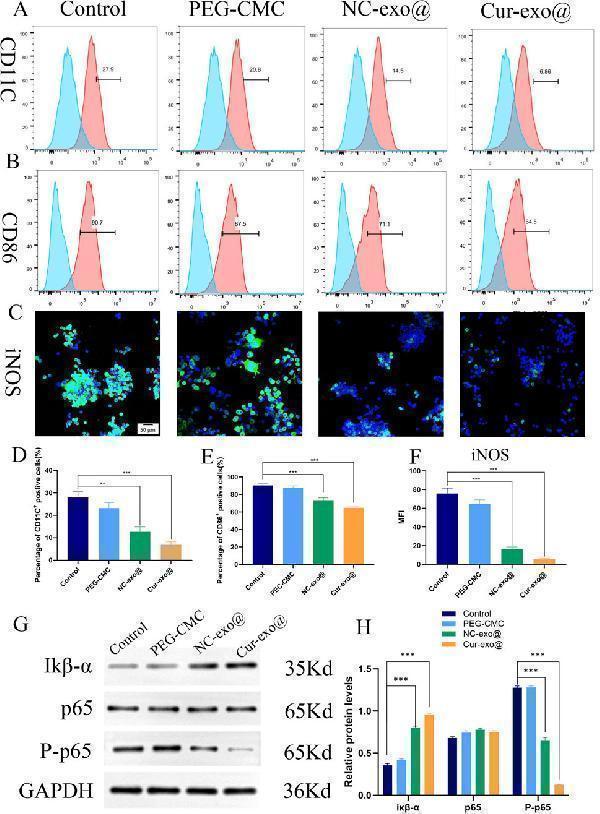
Anti-TNF alpha Antibody Picoband®, Immunomodulatory properties pathway of the hydrogel. (A, B) Flow cytometry analysis of the macrophage surface markers CD11C and CD86. (C) Representative ...
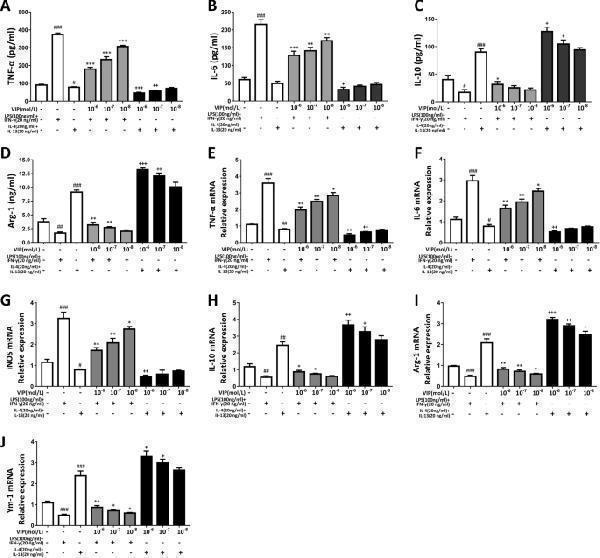
Anti-IL10 Antibody, Effects of VIP on levels of inflammatory and anti-inflammatory cytokines in LPS + IFN-γ or IL-4 + IL-13 induced AMs cells. Macrophages were pre-treated...

Anti-Interferon gamma/IFNG Antibody Picoband®, IHC analysis of IFNG using anti-IFNG antibody (A00393-3).
IFNG was detected in a paraffin-embedded section of mouse colon tis...
| Protein Name | Gene Name | Function |
|---|---|---|
| Tissue Transglutaminase (tTG) | TGM2 | Enzyme that modifies gluten peptides making them immunogenic; autoantibody target in Celiac Disease. |
| Transglutaminase 3 (TG3) | TGM3 | Transglutaminase enzyme potentially involved in dermatitis herpetiformis, a skin manifestation of Celiac Disease. |
| Transglutaminase 6 (TG6) | TGM6 | Transglutaminase enzyme hypothesized to play a role in neurological manifestations of Celiac Disease. |
| Villin | VIL1 | Structural protein of the brush border; damage measured by antibody levels may correlate with villous atrophy. |
| Intestinal Fatty Acid Binding Protein (I-FABP) | FABP2 | Marker for intestinal epithelial damage; potential biomarker in Celiac Disease. |
| Glutamate Dehydrogenase | GLUD1 | Enzyme that may have increased expression in intestinal damage. |
| Tumor Necrosis Factor Alpha (TNF-α) | TNF | Pro-inflammatory cytokine, higher levels associated with inflammation in Celiac Disease. |
| Interleukin 10 (IL-10) | IL10 | Anti-inflammatory cytokine, role in counteracting inflammatory response in Celiac Disease. |
| Interleukin 15 (IL-15) | IL15 | Promotes immune response and intestinal epithelial cell destruction in Celiac Disease. |
| Interferon Gamma (IFN-γ) | IFNG | Key cytokine in the inflammatory response to gluten in Celiac Disease. |
| Peptidyl-Prolyl Cis-Trans Isomerase | PPIA | Enzyme that may be involved in protein folding and potentially implicated in immune reactions in Celiac Disease. |
Celiac disease, a complex autoimmune disorder, is significantly influenced by genetic factors, primarily involving the human leukocyte antigen (HLA) system. The presence of specific HLA genotypes, such as HLA-DQ2 and HLA-DQ8, is considered crucial for the development of the disease, found in nearly 95% of patients. Research within this sub-area focuses on understanding how these genes influence the immune response to dietary gluten, a key trigger for celiac disease. This necessarily involves delving into the interactions between these genetic markers and other non-HLA genes that might contribute to disease susceptibility. By investigating these genetic pathways, researchers hope to better predict disease risk, understand the variability in clinical manifestations among patients, and potentially pave the way for genetic therapies that could mitigate or even prevent disease onset.
An emerging and compelling area of research within celiac disease revolves around the intestinal microbiome— the vast community of microorganisms residing in the human gut. Studies have suggested that the composition and behavior of the gut microbiota play a significant role in the modulation of the immune system and, subsequently, in the pathogenesis of celiac disease. Alterations in the gut microbiome could influence the severity of the disease, and certain bacterial strains might promote or protect against inflammatory responses to gluten. Research in this sub-area seeks to uncover specific microbial profiles associated with celiac disease, explore how dietary elements affect these microbial populations, and understand how microbial-derived compounds can influence intestinal and immune functions. Ultimately, this could lead to probiotic or dietary interventions that might help manage or prevent celiac disease.