Anti-PPAR gamma/PPARG Antibody Picoband®

PPARG antibody

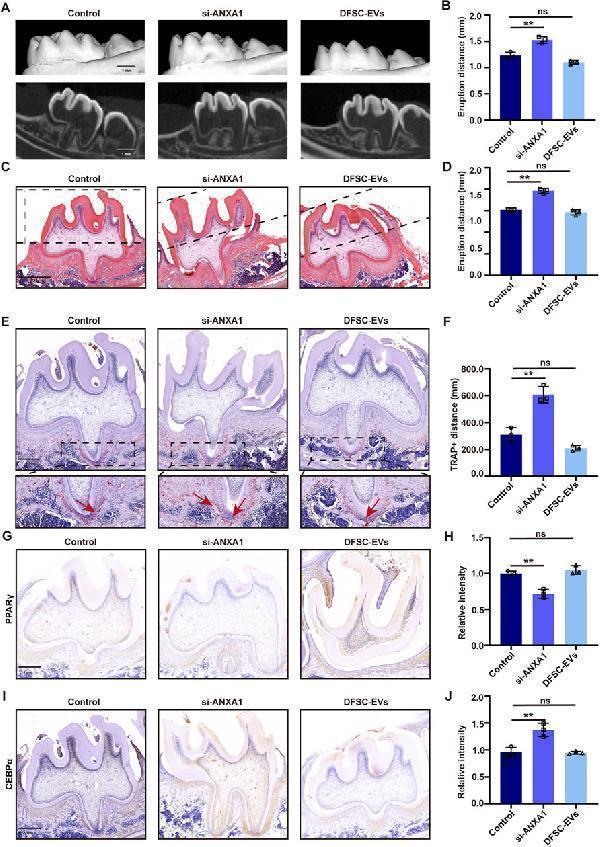
Boster Bio Anti-PPAR gamma/PPARG Antibody Picoband® catalog # A00449-3. Tested in ELISA, IF, ICC, Flow Cytometry, WB applications. This antibody reacts with Human. The brand Picoband indicates this is a premium antibody that guarantees superior quality, high affinity, and strong signals with minimal background in Western blot applications. Only our best-performing antibodies are designated as Picoband, ensuring unmatched performance. Cited in 7 publication(s).

Product Info Summary

SKU: A00449-3
Size: 100 μg/vial
Reactive Species: Human
Host: Rabbit
Application: ELISA, Flow Cytometry, IF, ICC, WB

Customers Who Bought This Also Bought

Product Name

Anti-PPAR gamma/PPARG Antibody Picoband®

View all PPARG Antibodies

SKU/Catalog Number

A00449-3

Size

100 μg/vial

Form

Lyophilized

Description

Boster Bio Anti-PPAR gamma/PPARG Antibody Picoband® catalog # A00449-3. Tested in ELISA, IF, ICC, Flow Cytometry, WB applications. This antibody reacts with Human. The brand Picoband indicates this is a premium antibody that guarantees superior quality, high affinity, and strong signals with minimal background in Western blot applications. Only our best-performing antibodies are designated as Picoband, ensuring unmatched performance.

Storage & Handling

At -20°C for one year from date of receipt. After reconstitution, at 4°C for one month. It can also be aliquotted and stored frozen at -20°C for six months. Avoid repeated freezing and thawing.

Cite This Product

Anti-PPAR gamma/PPARG Antibody Picoband® (Boster Biological Technology, Pleasanton CA, USA, Catalog # A00449-3)

Host

Rabbit

Contents

Each vial contains 4 mg Trehalose, 0.9 mg NaCl, 0.2 mg Na2HPO4.

Clonality

Polyclonal

Isotype

Rabbit IgG

Immunogen

E.coli-derived human PPAR gamma/PPARG recombinant protein (Position: H58-K329).

Cross-reactivity

No cross-reactivity with other proteins.

Reactive Species

A00449-3 is reactive to PPARG in Human

Observed Molecular Weight

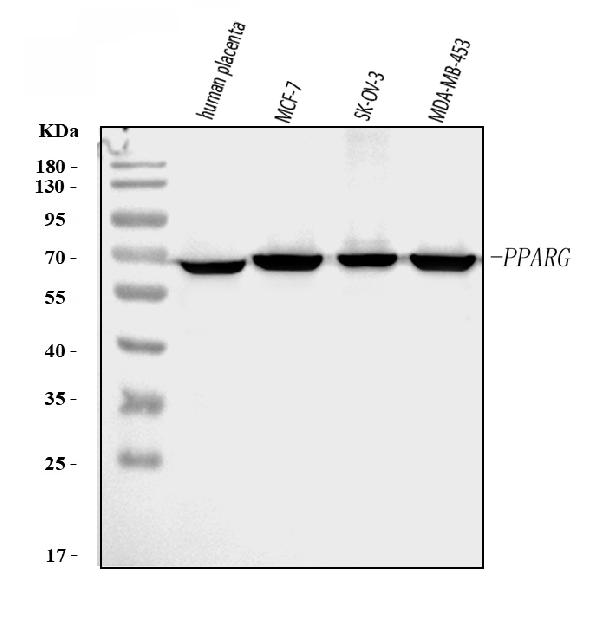
65 kDa

Calculated molecular weight

57.6 kDa

Background of PPARG

Peroxisome proliferator- activated receptor gamma (PPAR-γ or PPARG), also known as the glitazone reverse insulin resistance receptor, or NR1C3 (nuclear receptor subfamily 1, group C, member 3) is a type II nuclear receptor (protein regulating genes) that in humans is encoded by the PPARG gene. This gene encodes a member of the peroxisome proliferator-activated receptor (PPAR) subfamily of nuclear receptors. PPARs form heterodimers with retinoid X receptors (RXRs) and these heterodimers regulate transcription of various genes. Three subtypes of PPARs are known: PPAR-alpha, PPAR-delta, and PPAR-gamma. The protein encoded by this gene is PPAR-gamma and is a regulator of adipocyte differentiation. Additionally, PPAR-gamma has been implicated in the pathology of numerous diseases including obesity, diabetes, atherosclerosis and cancer. Alternatively spliced transcript variants that encode different isoforms have been described.

Antibody Validation

Boster validates all antibodies on WB, IHC, ICC, Immunofluorescence, and ELISA with known positive control and negative samples to ensure specificity and high affinity, including thorough antibody incubations.

View more details

Applications

A00449-3 is guaranteed for ELISA, Flow Cytometry, IF, ICC, WB Boster Guarantee

Assay Dilutions Recommendation

The recommendations below provide a starting point for assay optimization. The actual working concentration varies and should be decided by the user.

Western blot, 0.25-0.5 μg/ml, Human
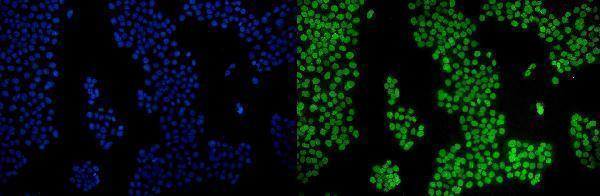
Immunocytochemistry/Immunofluorescence, 5 μg/ml, Human
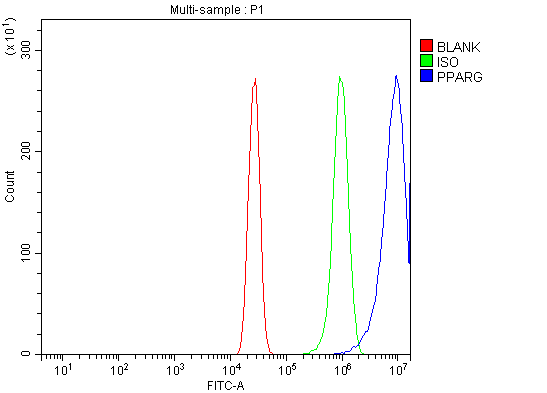
Flow Cytometry (Fixed), 1-3 μg/1x106 cells, Human
ELISA, 0.1-0.5 μg/ml, -

Positive Control

WB: human placenta tissue, human MCF-7 whole cell, human SK-OV-3 whole cell, human MDA-MB-453 whole cell
ICC/IF: A431 cell
FCM: A431 cell

Validation Images & Assay Conditions

Loading publications

No publications found

Do you have publications using this product? Share with us and receive a reward. Contact us for more information.

Publications not available. Please try again later.

Product has been cited in publications

No results found matching your query

  • Published: --- Journal: --- Application: --- Impact Factor: --- Species: --- PMID: --- View Article

Have you used Anti-PPAR gamma/PPARG Antibody Picoband®?

Share your experimental results or join a short interview to earn up to $1,000 in product credits or other rewards.

0 Reviews For Anti-PPAR gamma/PPARG Antibody Picoband®

Have a question?

Find answers in Q&As, reviews.

Can't find your answer?

Submit your question

0 Customer Q&As for Anti-PPAR gamma/PPARG Antibody Picoband®

Order DetailsPrice
A00449-3

100μg

$370
A00449-3-Fluoro488

100 μg Fluoro488 conjugated (liquid)

$570
A00449-3-Fluoro550

100 μg Fluoro550 conjugated (liquid)

$570
A00449-3-Fluoro594

100 μg Fluoro594 conjugated (liquid)

$570
A00449-3-Fluoro647

100 μg Fluoro647 conjugated (liquid)

$670
A00449-3-APC

100 μg APC conjugated (liquid)

$820
A00449-3-FITC

100 μg FITC conjugated (liquid)

$570
A00449-3-Cy3

100 μg Cy3 conjugated (liquid)

$570
A00449-3-Biotin

100 μg Biotin conjugated (liquid)

$570
A00449-3-HRP

100 μg HRP conjugated (liquid)

$570
A00449-3-PE

100 μg PE conjugated (liquid)

$820
A00449-3-carrier-free

Carrier Free

$370
Rainbow Button View conjugates

Free Secondary Antibody

FREE  $95.00
FREE  $95.00
$40.00  $80.00
$65.00  $130.00
$67.50  $135.00
$75.00  $150.00
$30.00  $60.00
$75.00  $150.00
$55.00  $110.00
Choose an option to show lead time.
Get A Quote
In stock
Order Product
A00449-3
Buy one primary antibody get one 0.5ml HRP or Biotin secondary antibody for free.
*Sample sizes are prepared on demand and will take extra lead time. (cannot be conjugated)
$370.00

Troubleshooting

troubleshooting-box-image

Download troubleshooting handbooks for IHC, Western blot and ELISA for FREE.

Download Free PDFs Now

Boster Guarantee

Guaranteed product quality

Guaranteed product quality

We promise all of our products perform as described in datasheets.

This product is for Research Use Only. Not for use in diagnostic procedures.

Update date: Apr 16, 2026