This website uses cookies to ensure you get the best experience on our website.


- Table of Contents
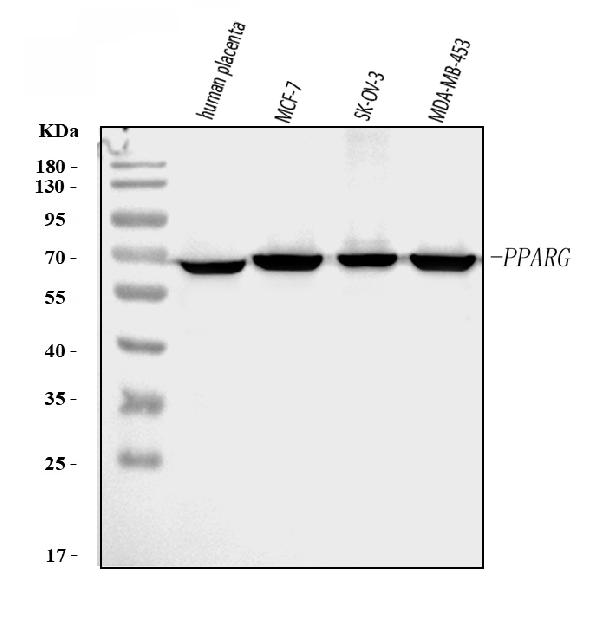
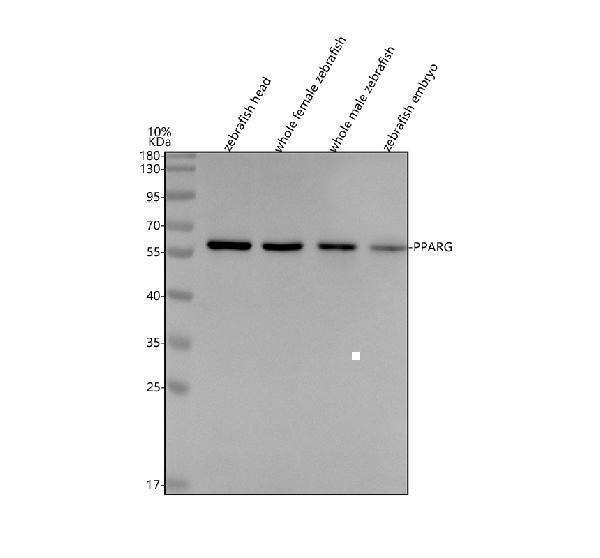
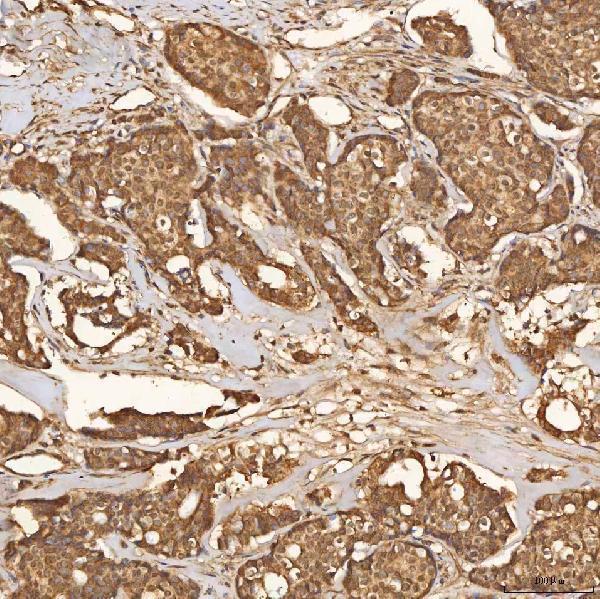
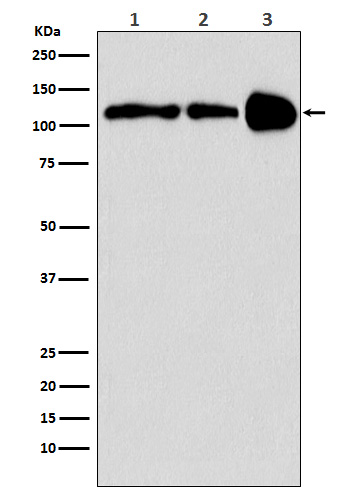
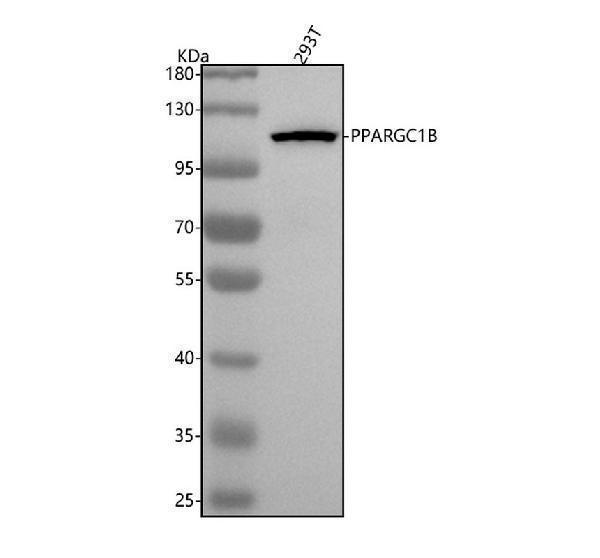
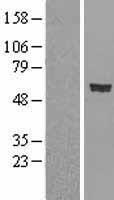
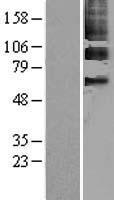
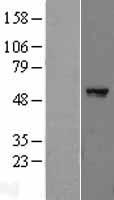
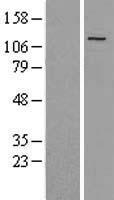
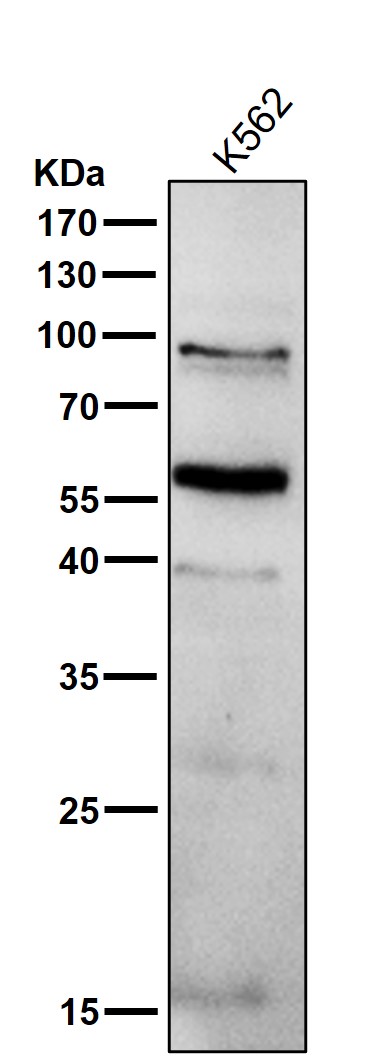
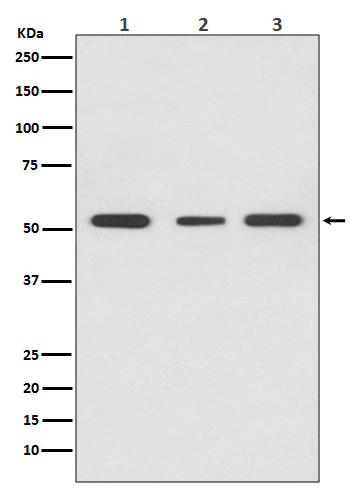
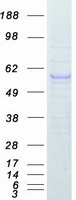
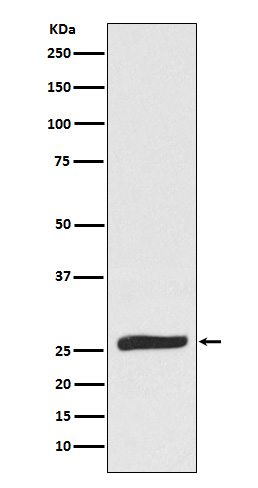
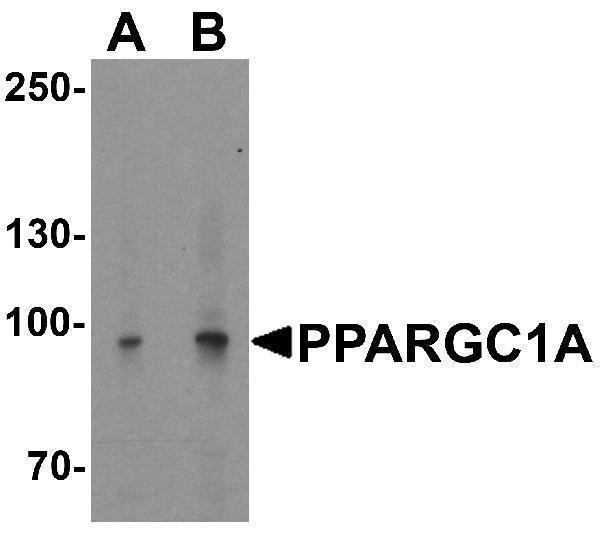
Designing a Western blot for PPARG? The guide has the expected band size, antibodies backed by real blot images, the controls to run alongside, and protocols taken from published papers.
Open the PPARG Western Blot Guide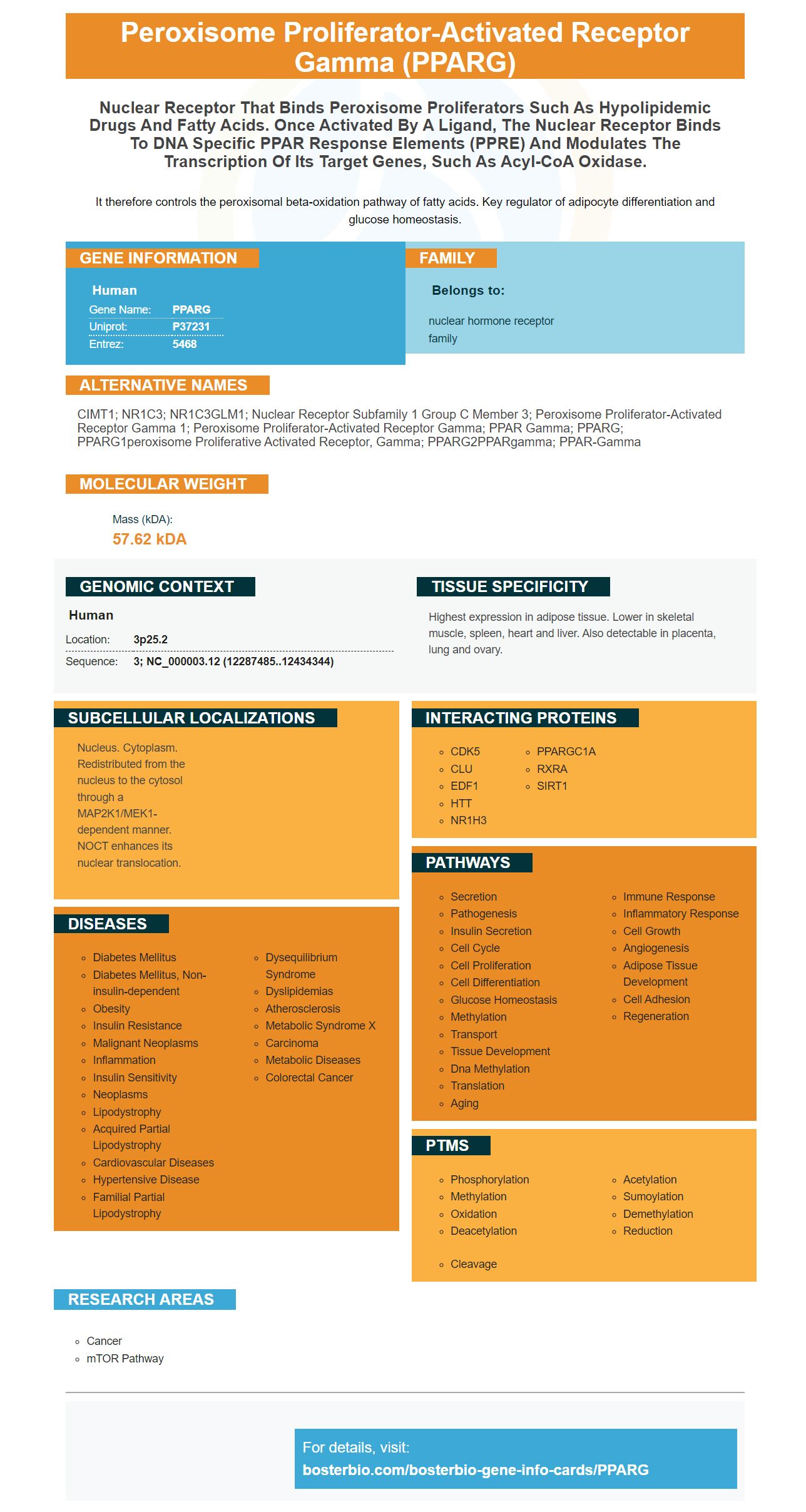
3 Citations
26 Citations
7 Citations
3 Citations



Facts about Peroxisome proliferator-activated receptor gamma.
It therefore controls the peroxisomal beta-oxidation pathway of fatty acids. Key regulator of adipocyte differentiation and glucose homeostasis.
| Human | |
|---|---|
| Gene Name: | PPARG |
| Uniprot: | P37231 |
| Entrez: | 5468 |
| Belongs to: |
|---|
| nuclear hormone receptor family |

CIMT1; NR1C3; NR1C3GLM1; Nuclear receptor subfamily 1 group C member 3; peroxisome proliferator-activated receptor gamma 1; peroxisome proliferator-activated receptor gamma; PPAR gamma; PPARG; PPARG1peroxisome proliferative activated receptor, gamma; PPARG2PPARgamma; PPAR-gamma
Mass (kDA):
57.62 kDA

| Human | |
|---|---|
| Location: | 3p25.2 |
| Sequence: | 3; NC_000003.12 (12287485..12434344) |
Highest expression in adipose tissue. Lower in skeletal muscle, spleen, heart and liver. Also detectable in placenta, lung and ovary.
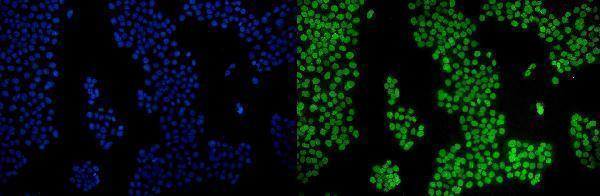
Nucleus. Cytoplasm. Redistributed from the nucleus to the cytosol through a MAP2K1/MEK1-dependent manner. NOCT enhances its nuclear translocation.



PMID: 9065481 by Mukherjee R., et al. Identification, characterization, and tissue distribution of human peroxisome proliferator-activated receptor (PPAR) isoforms PPARgamma2 versus PPARgamma1 and activation with retinoid X receptor agonists and antagonists.
PMID: 8702406 by Elbrecht A., et al. Molecular cloning, expression and characterization of human peroxisome proliferator activated receptors gamma 1 and gamma 2.
*Showing only the more recent 20. More publications can be found for each product on its corresponding product page