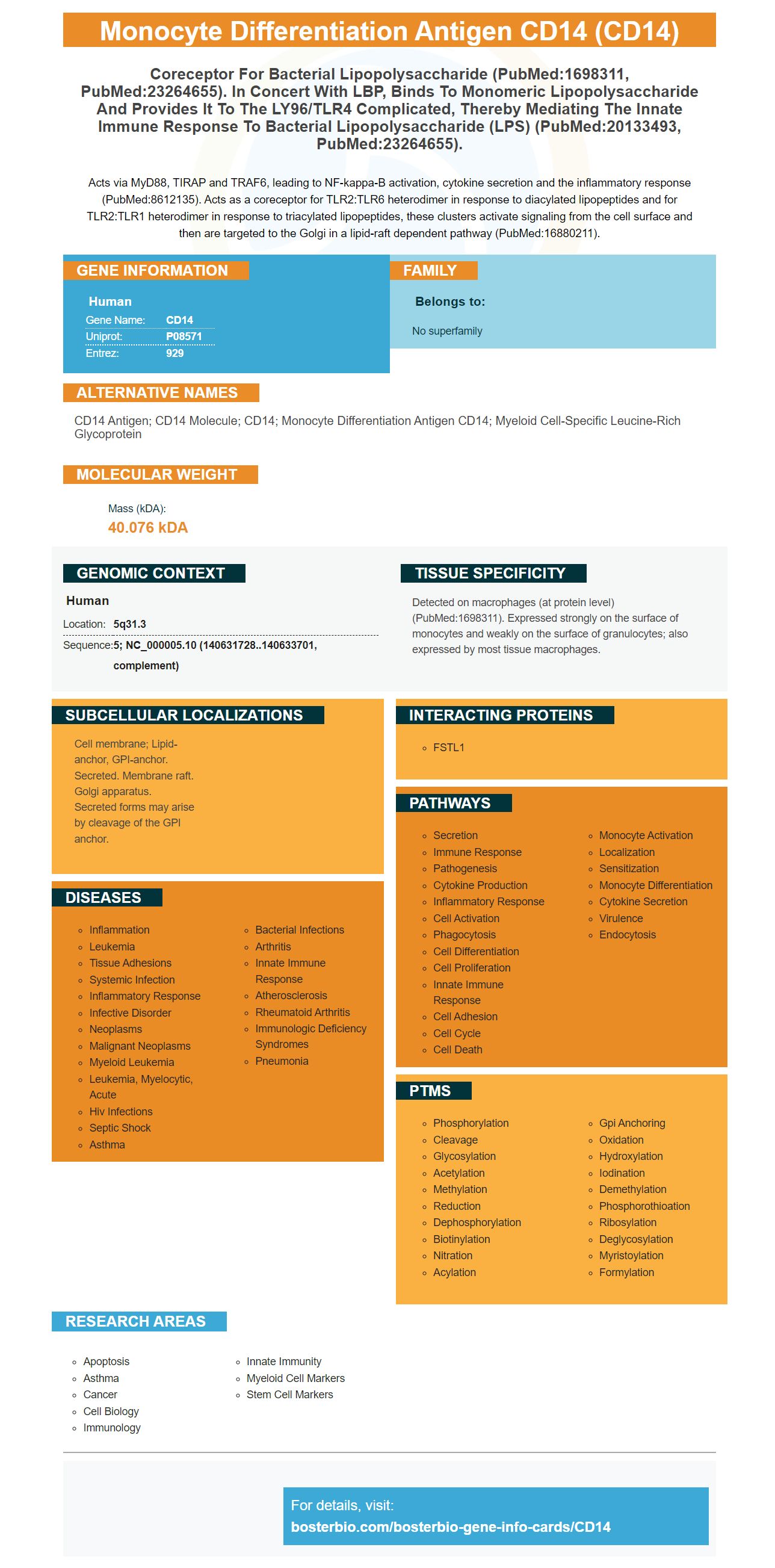
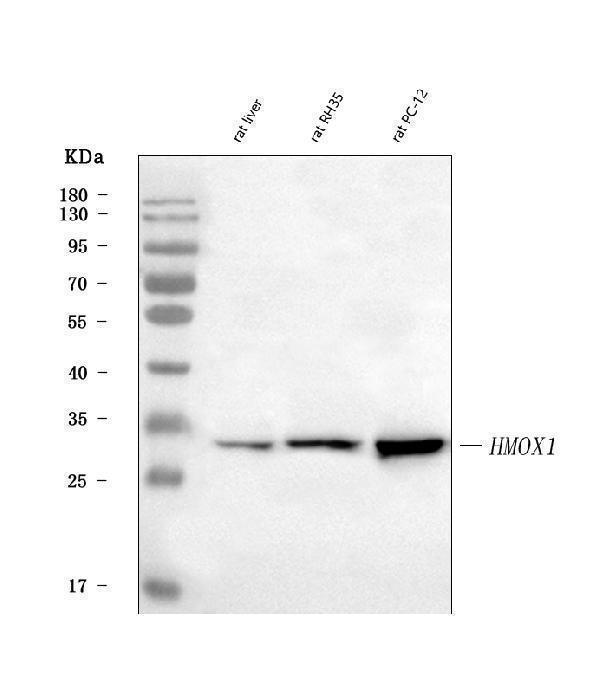
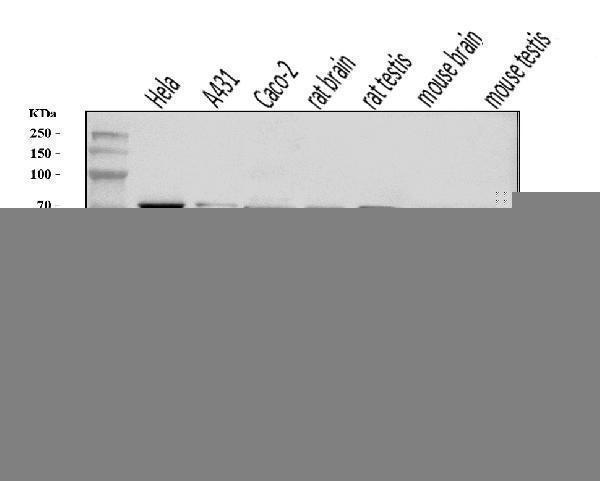
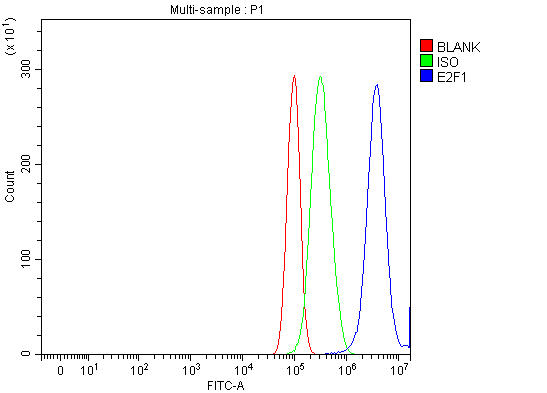
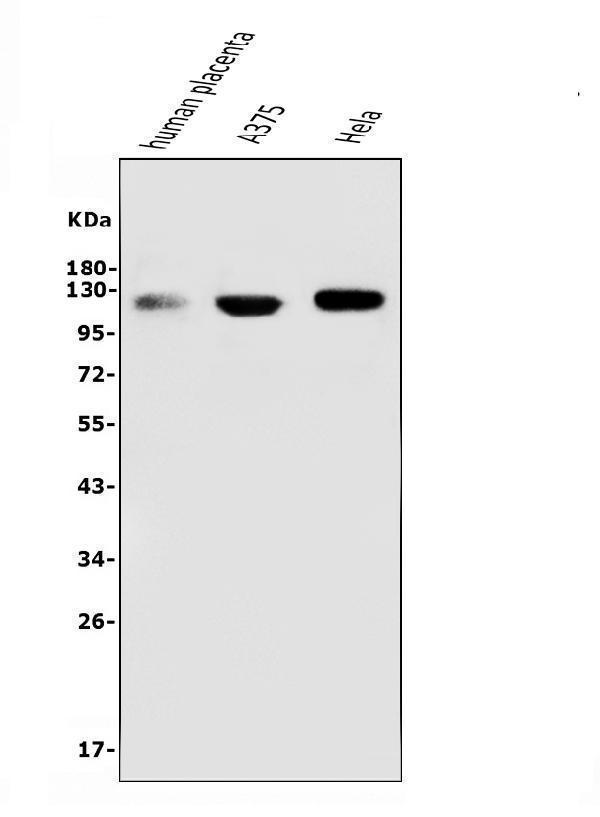
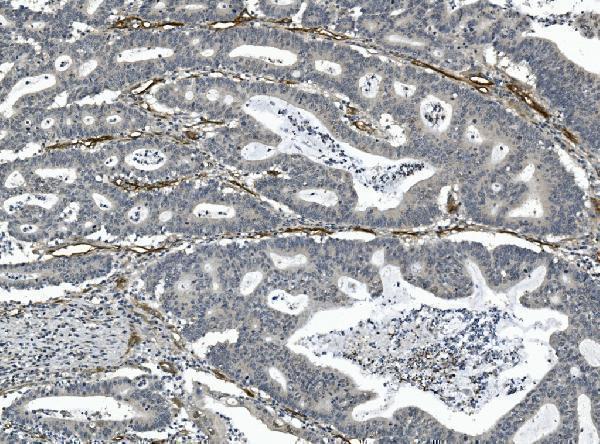
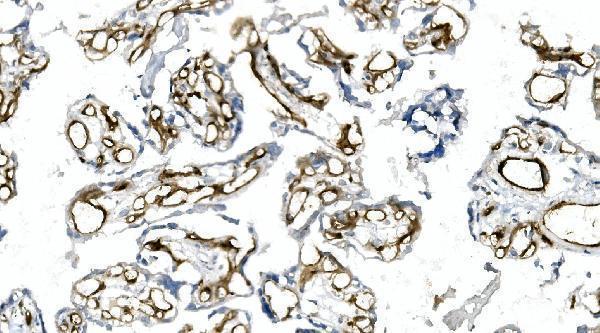
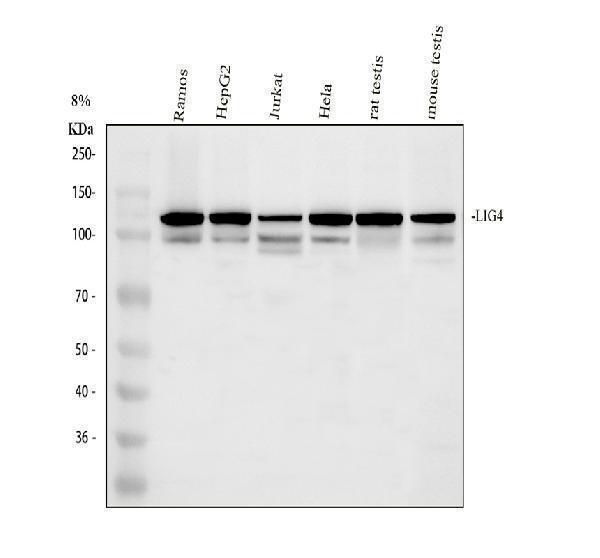
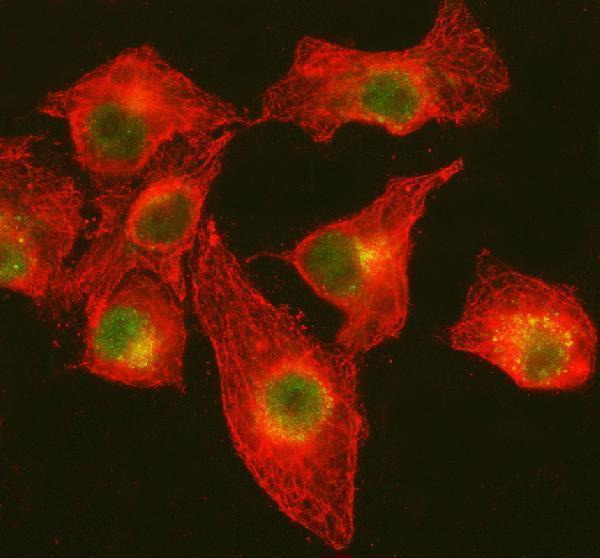
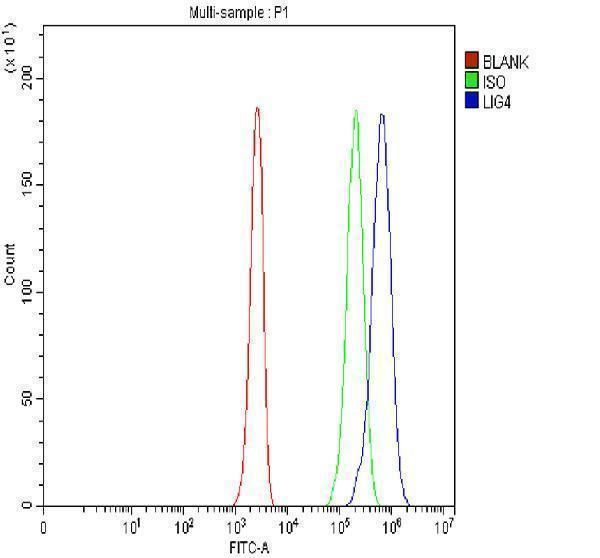
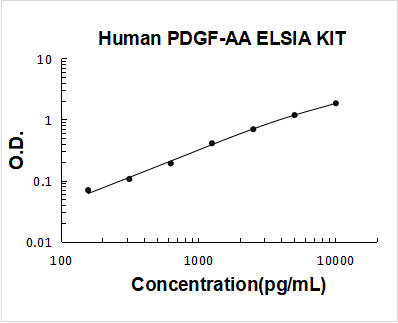
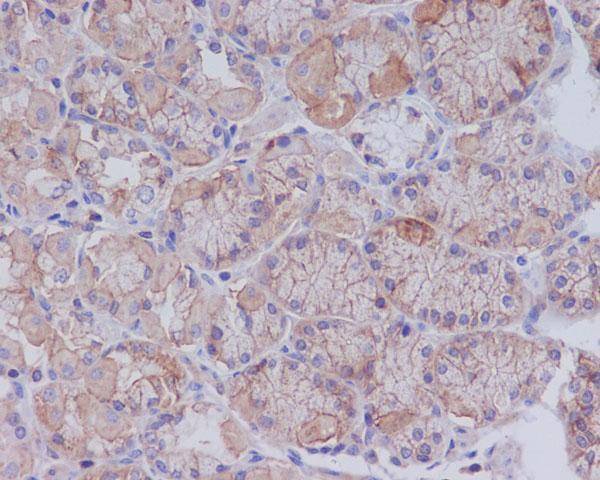
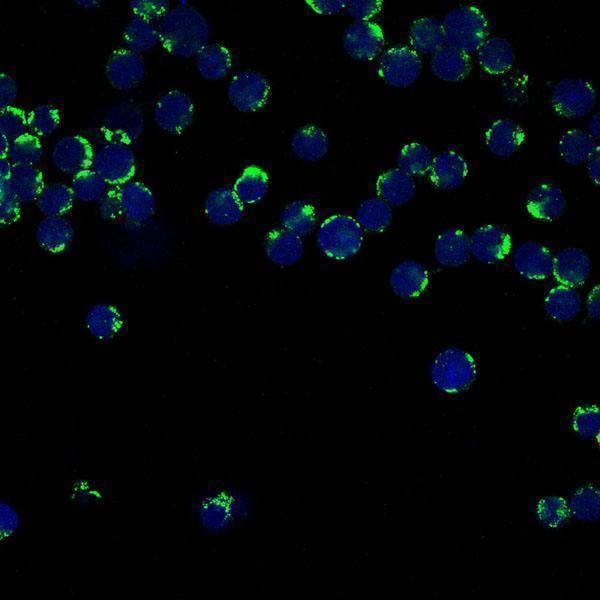
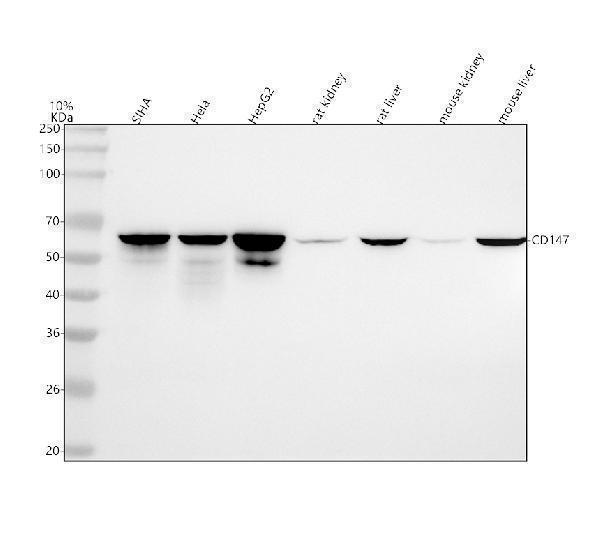
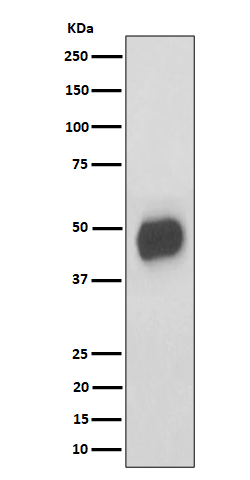
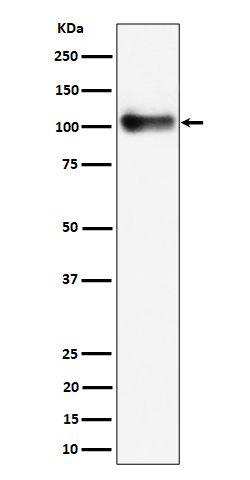
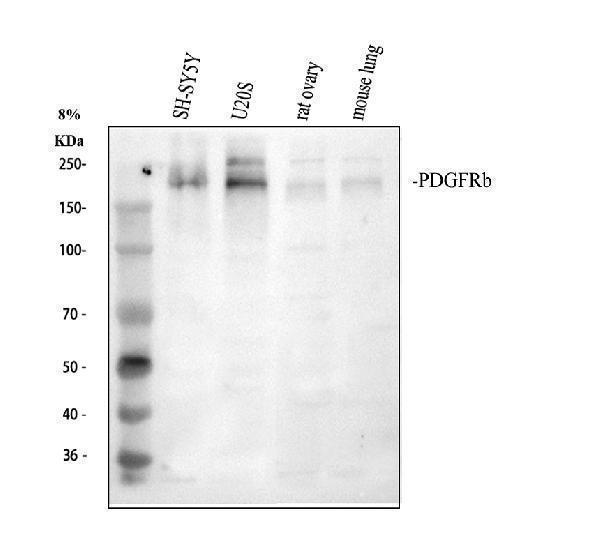
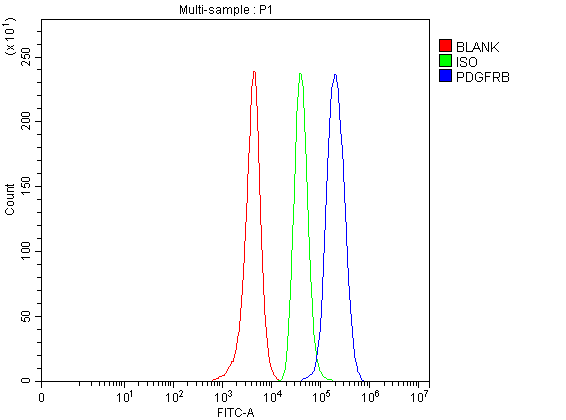
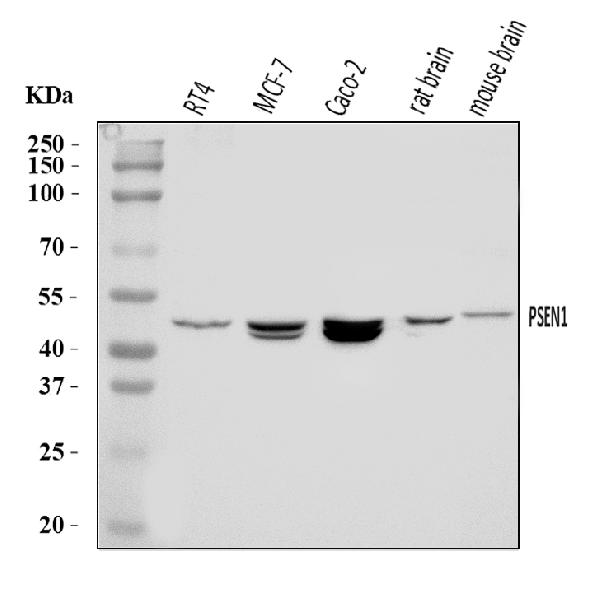
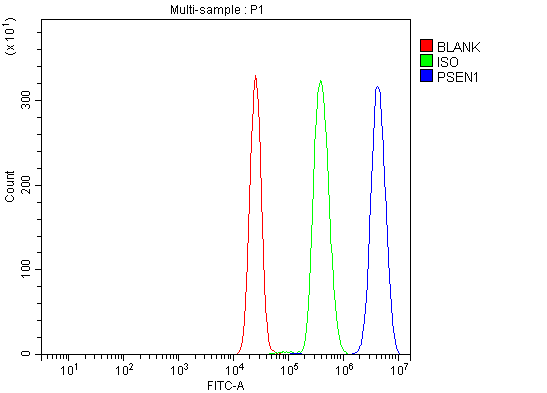
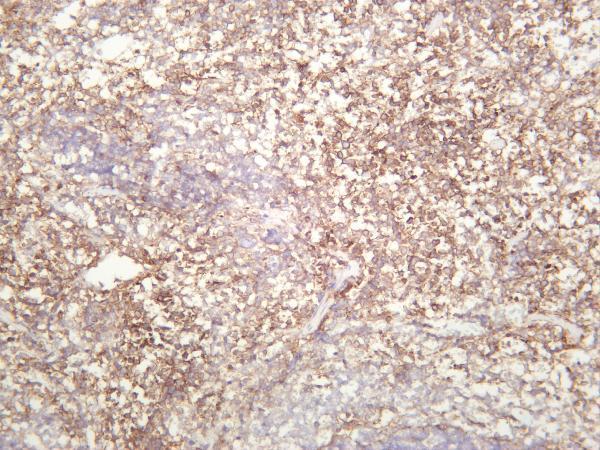
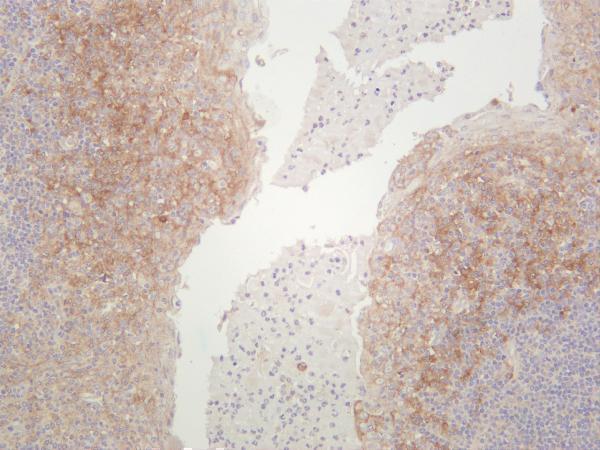
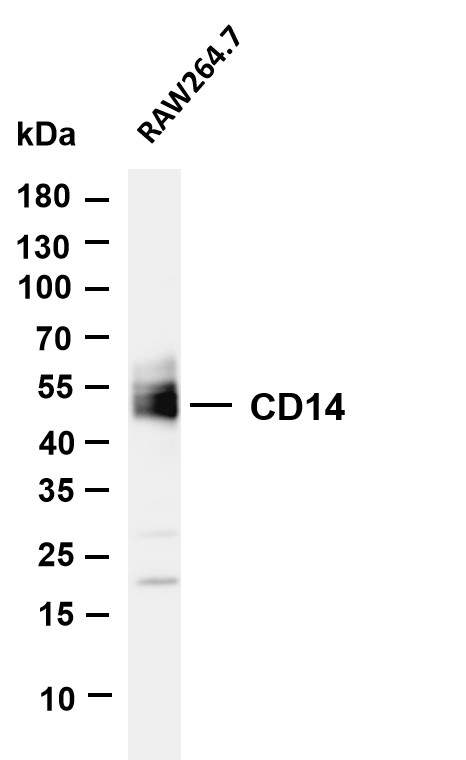
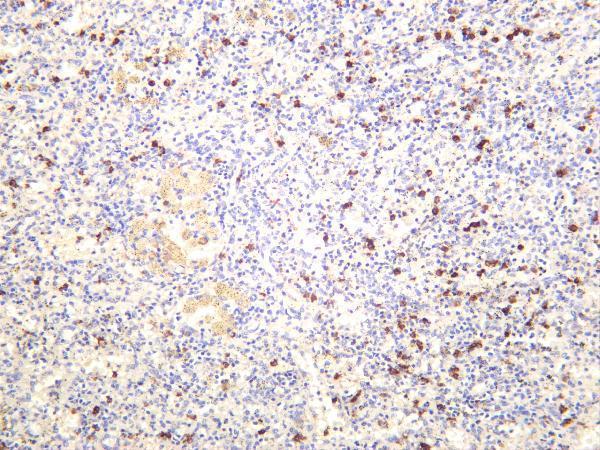
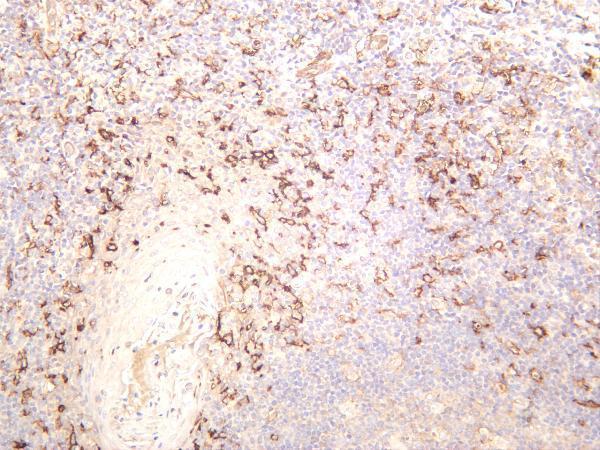
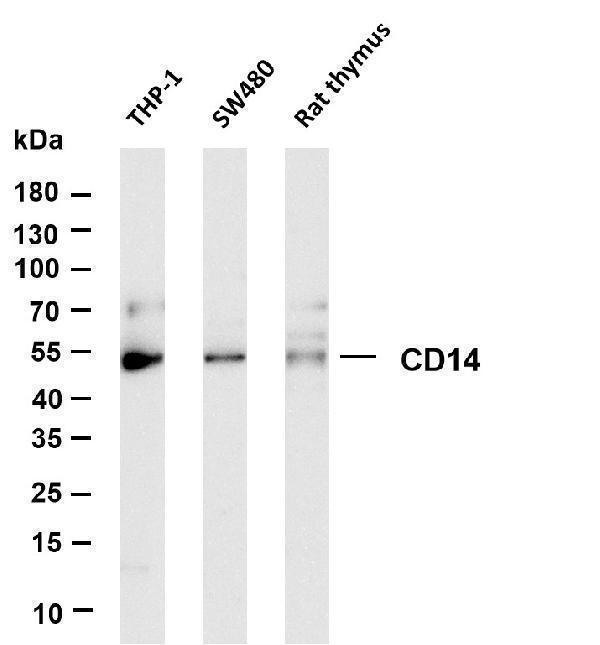
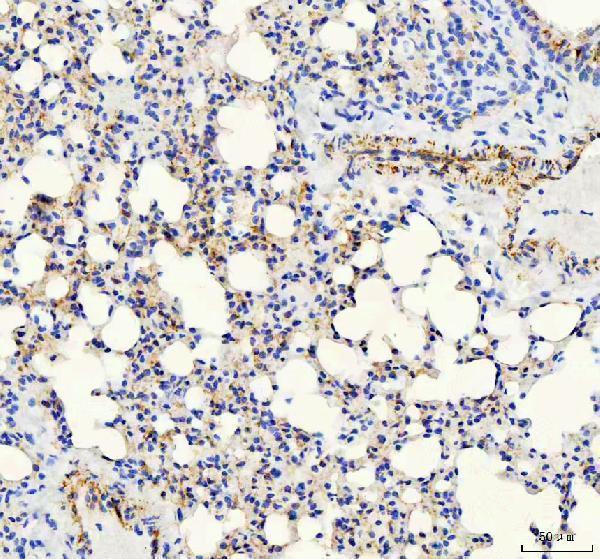
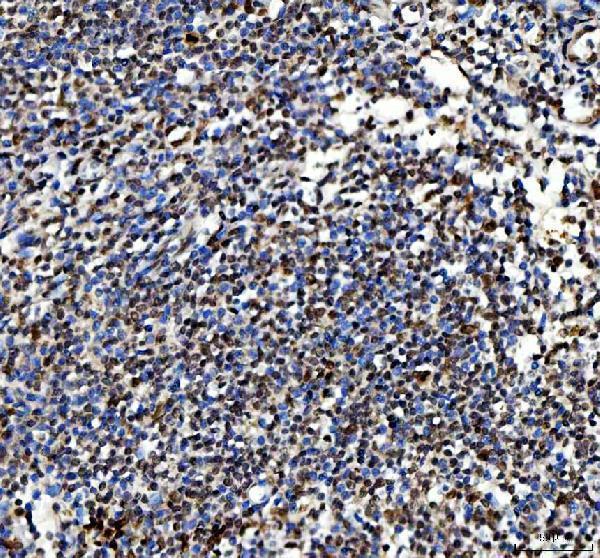
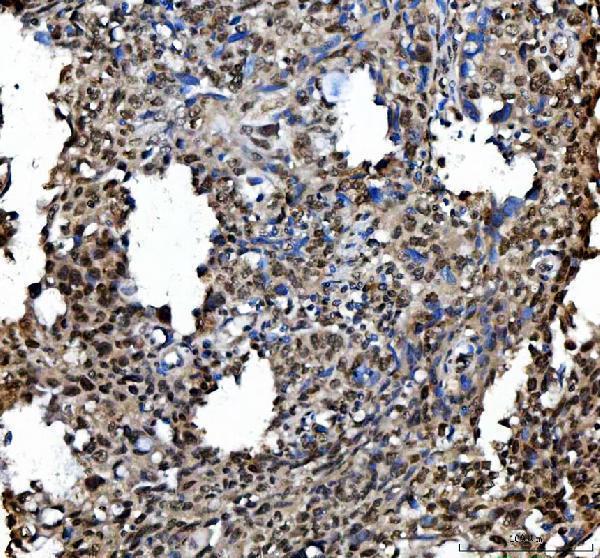
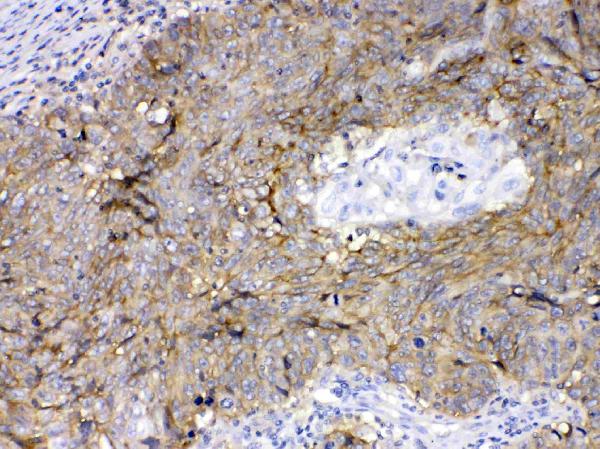
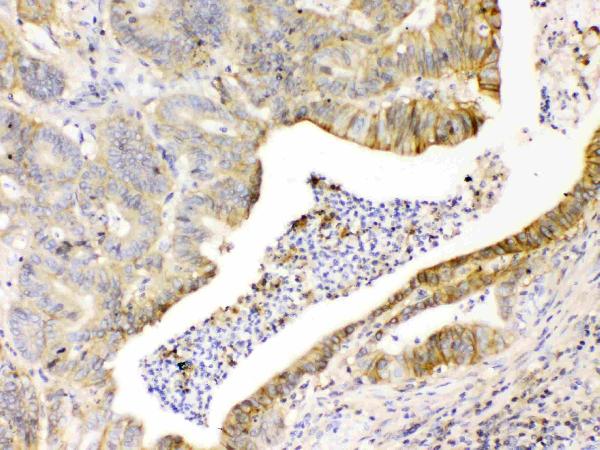
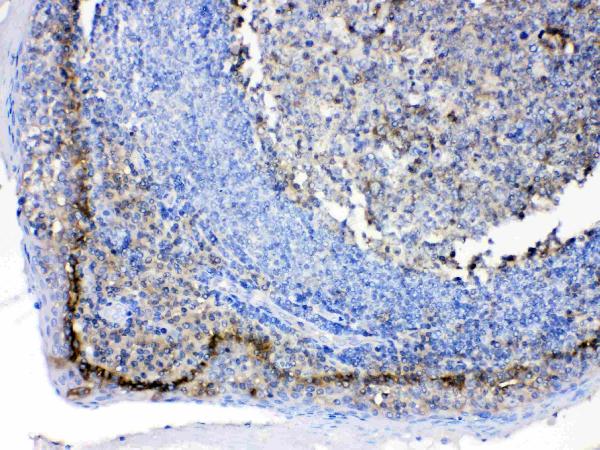
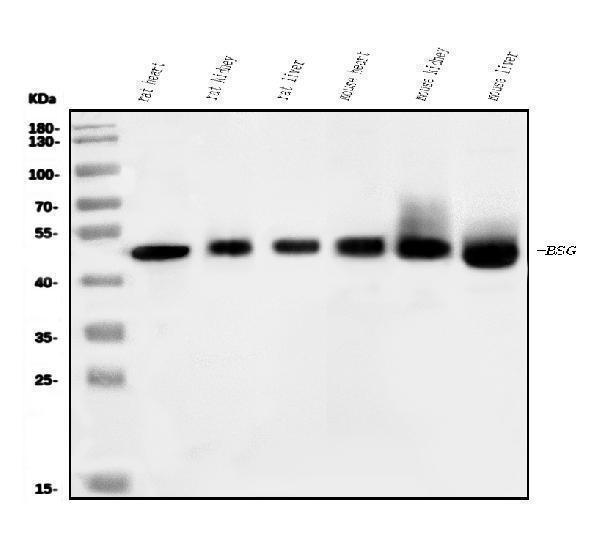
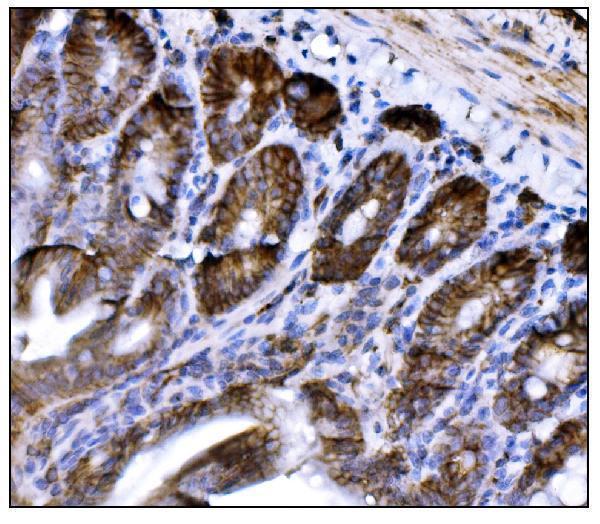
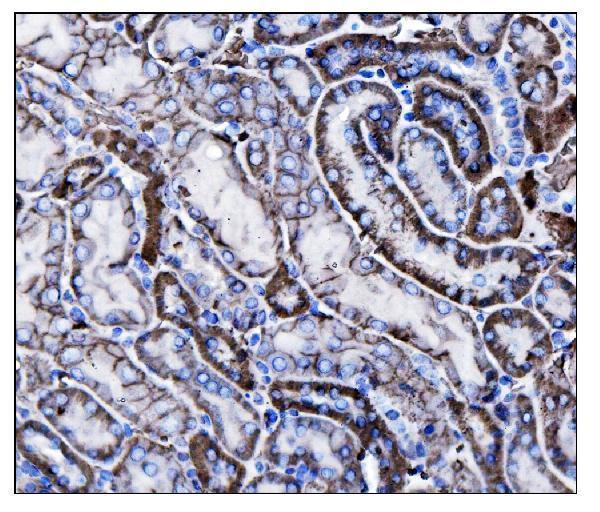
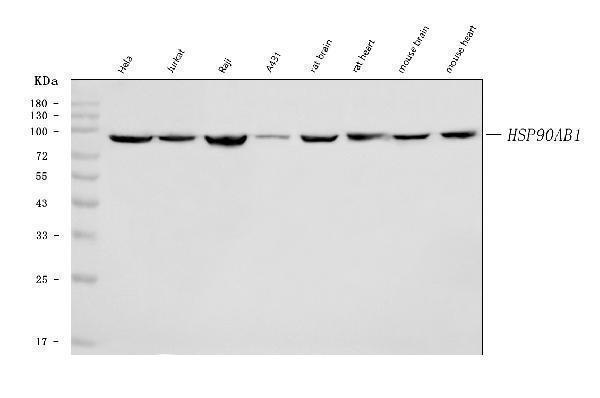
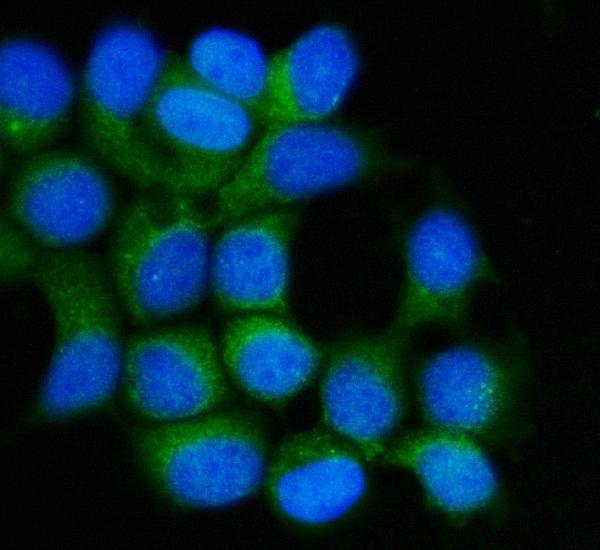
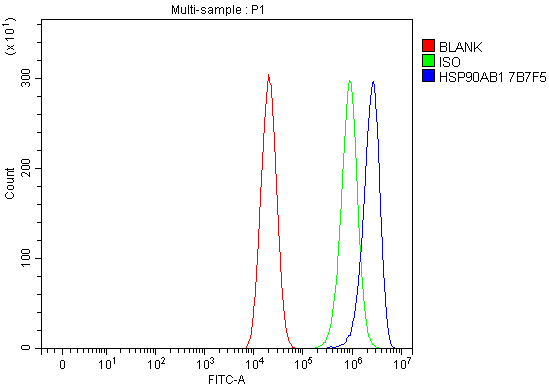
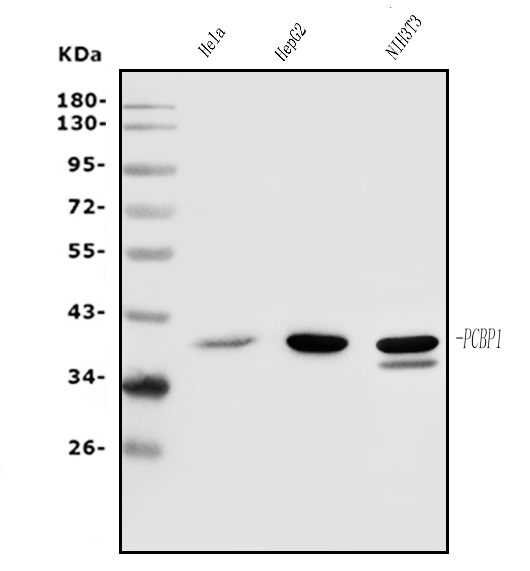
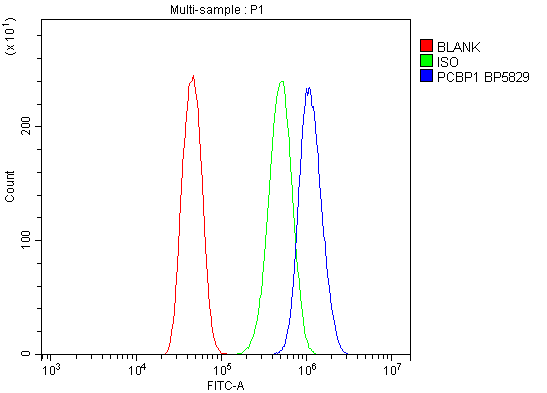
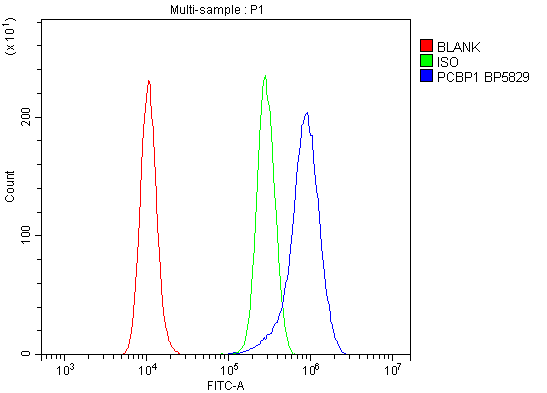
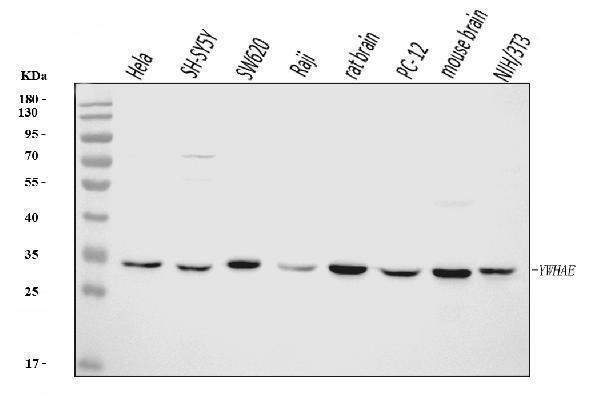
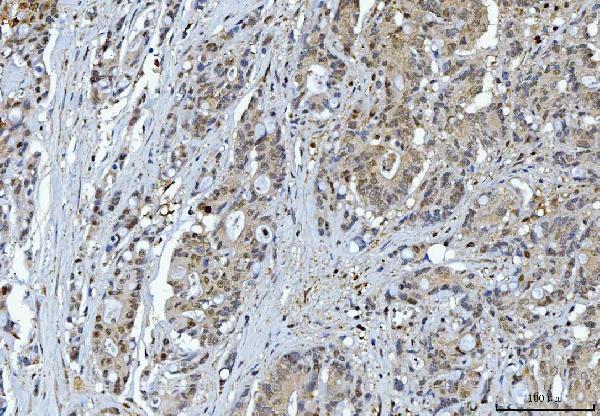
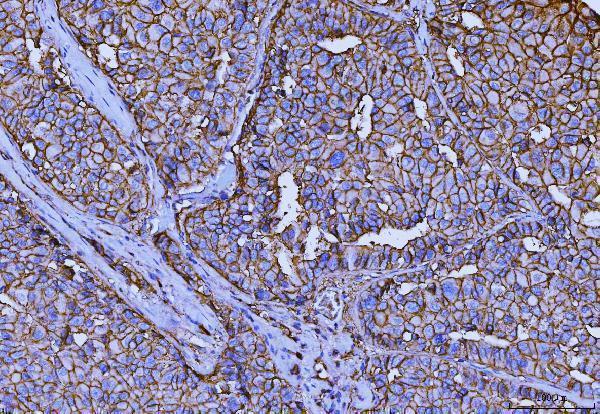
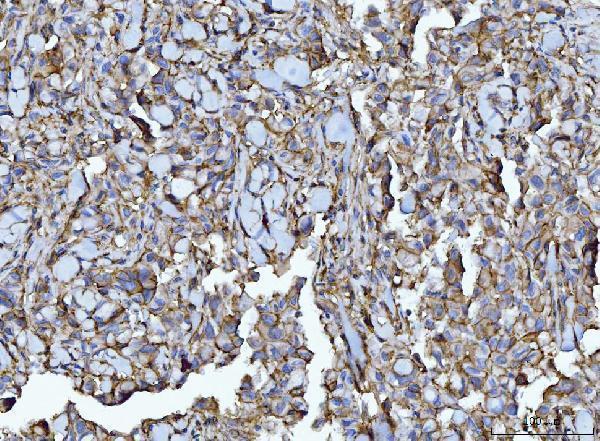
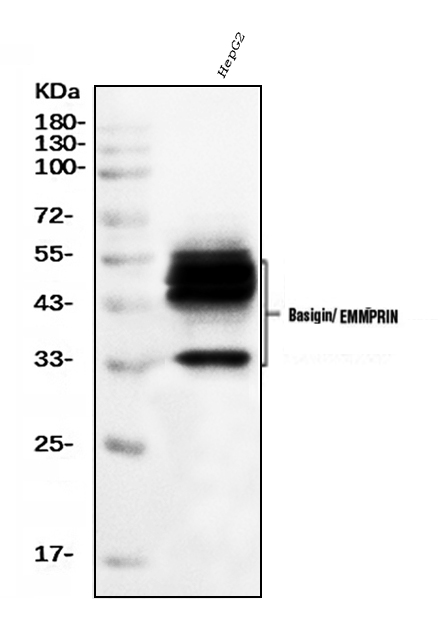
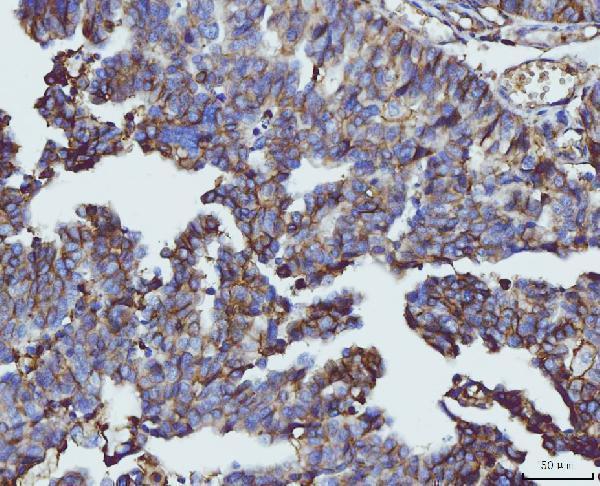
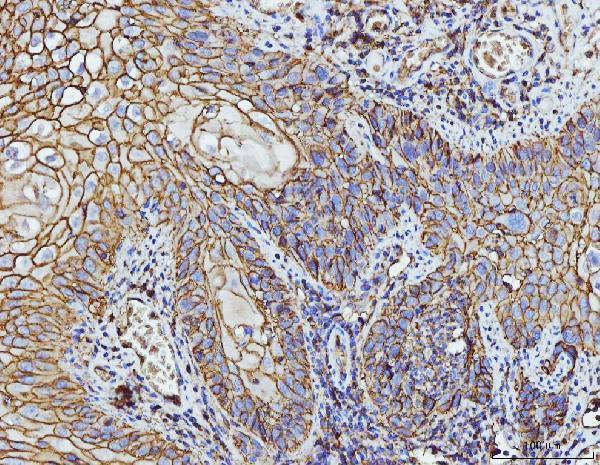
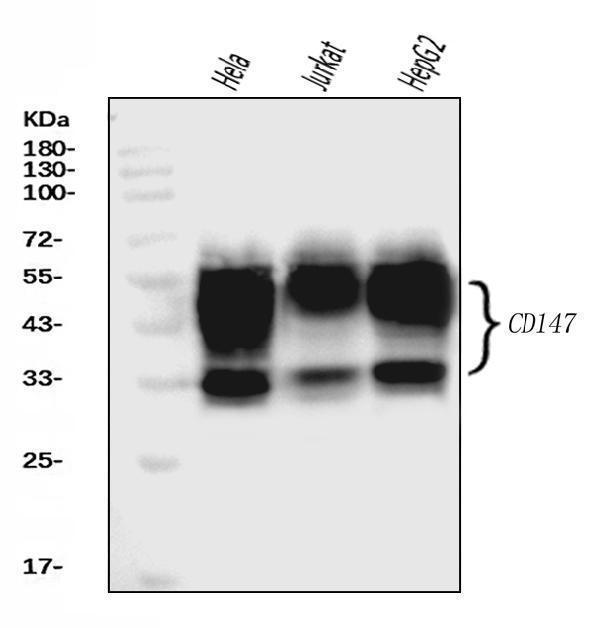
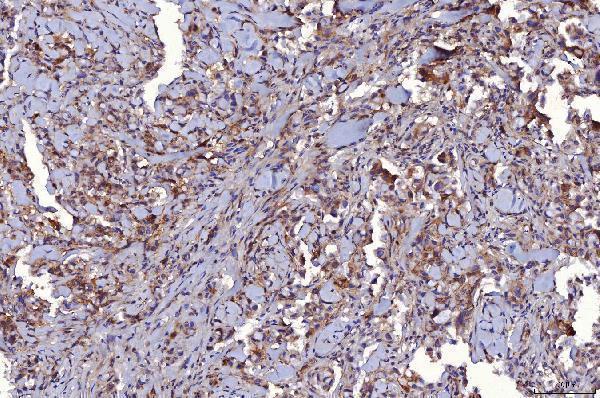
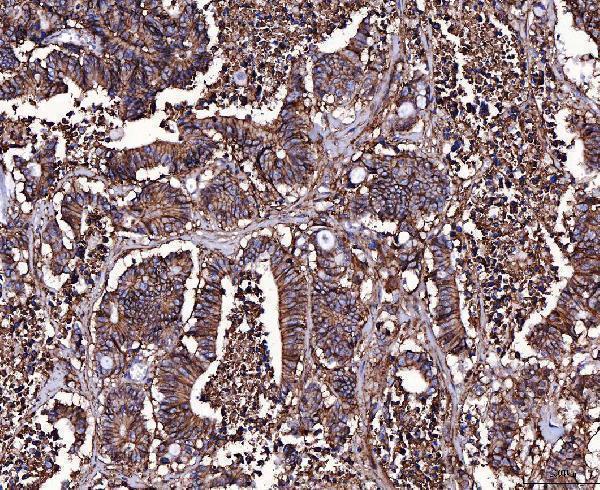
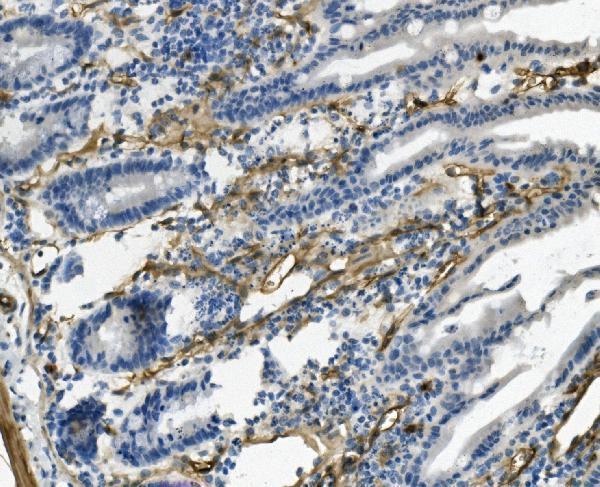
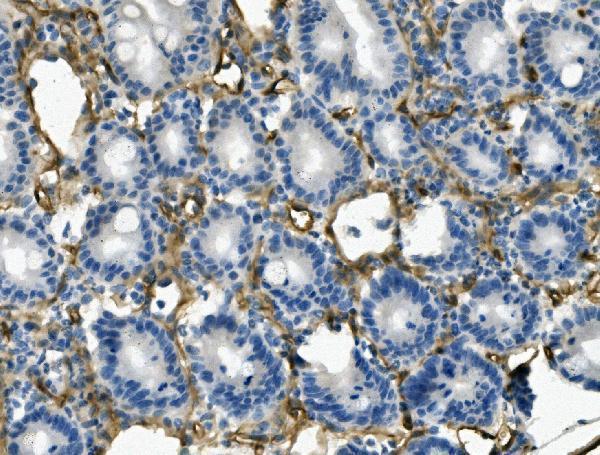
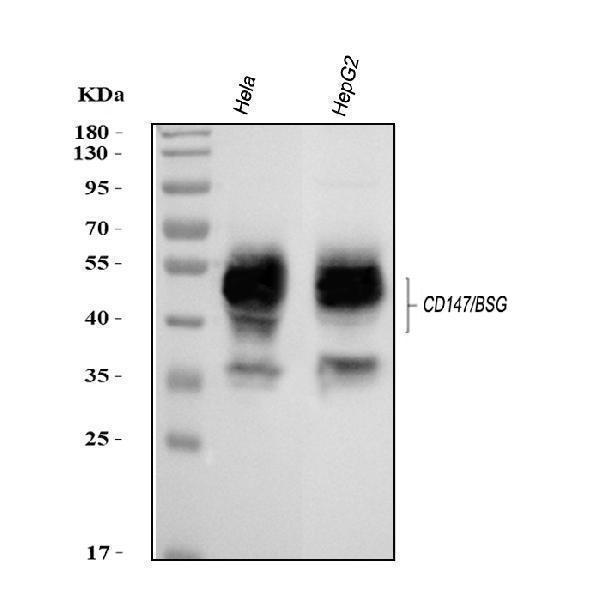
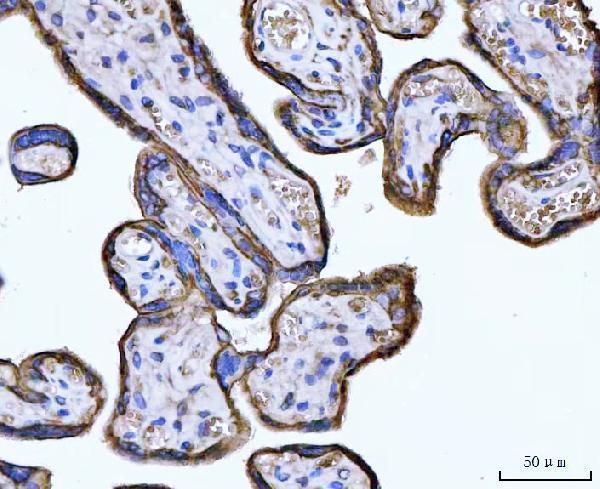
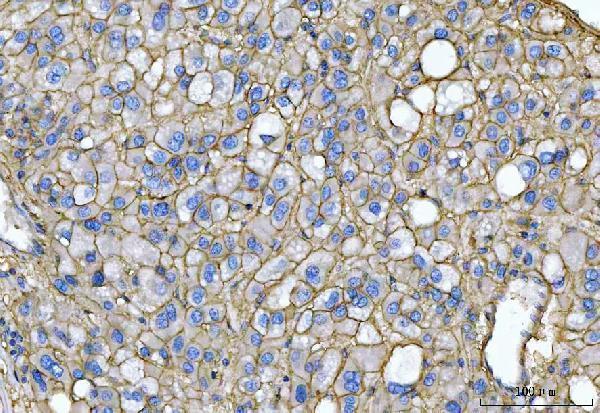
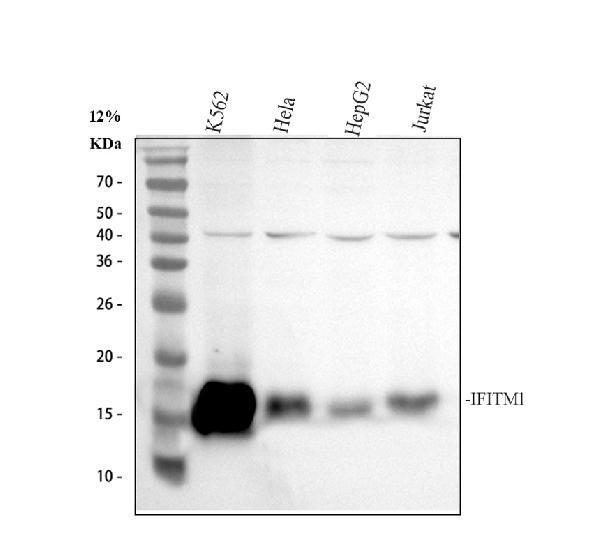
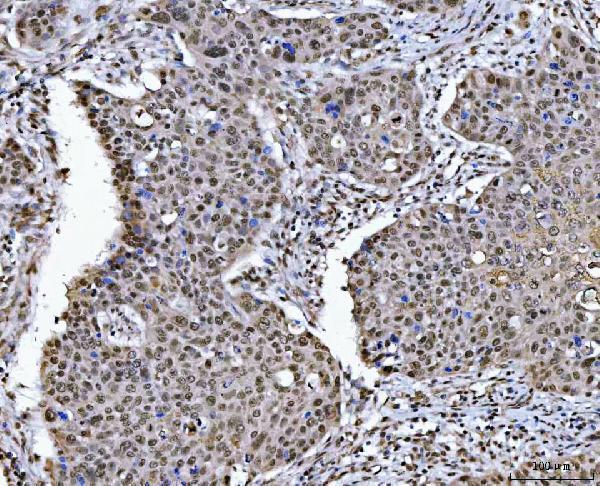
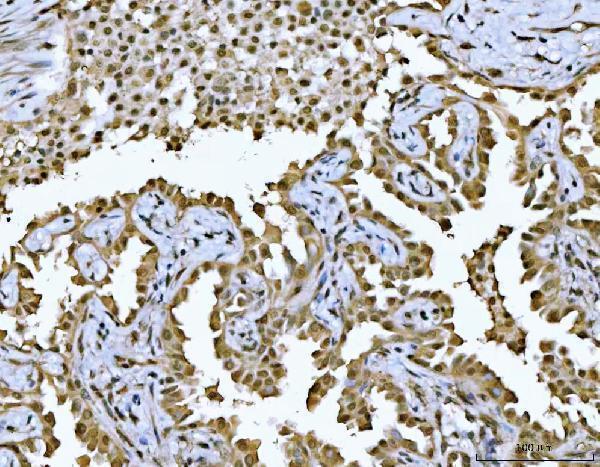
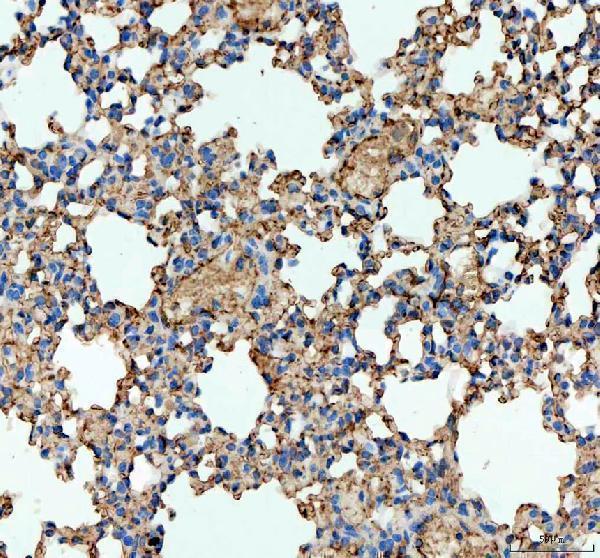
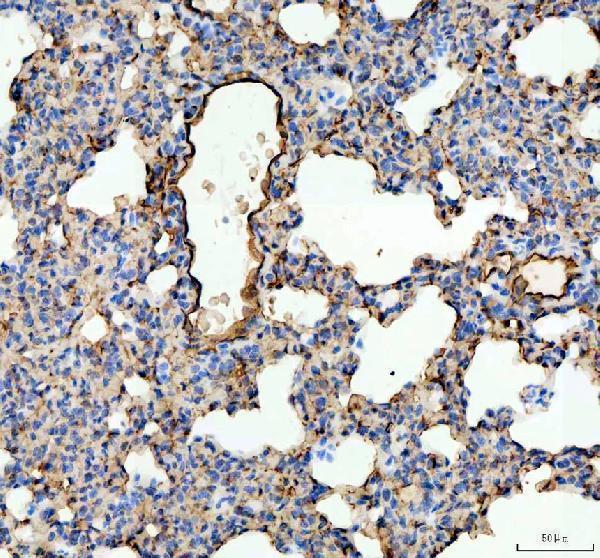
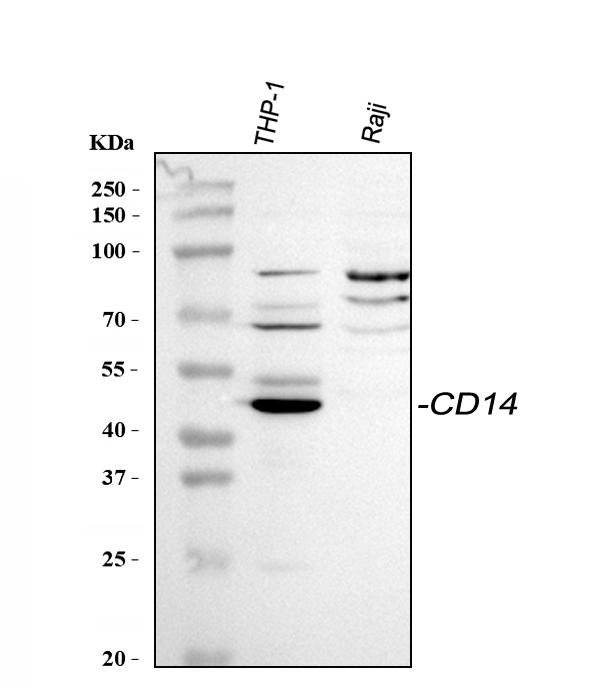
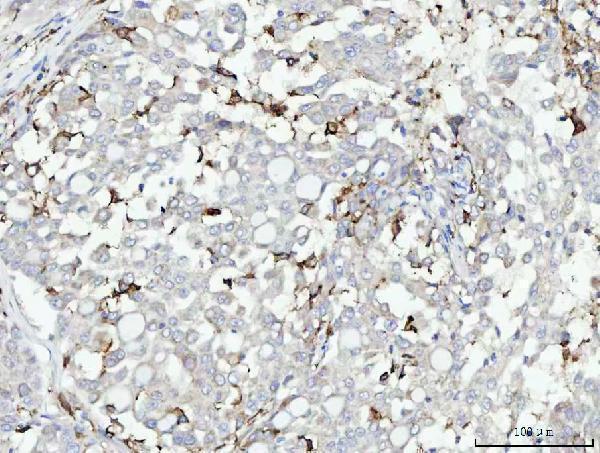
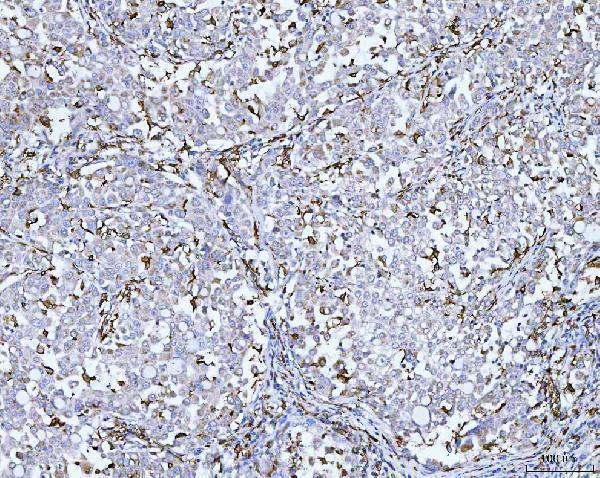
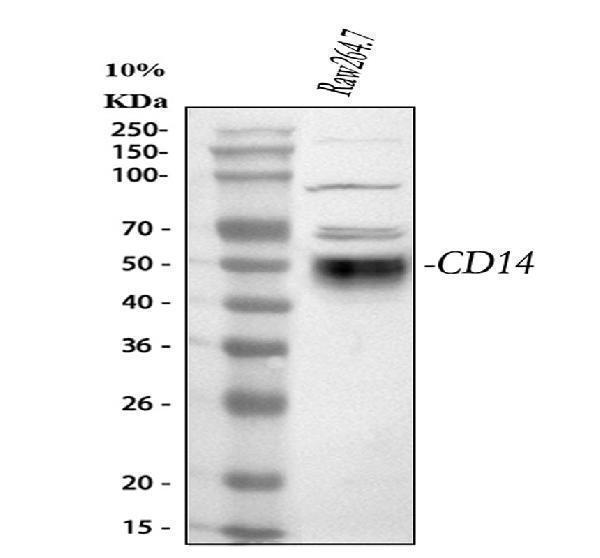
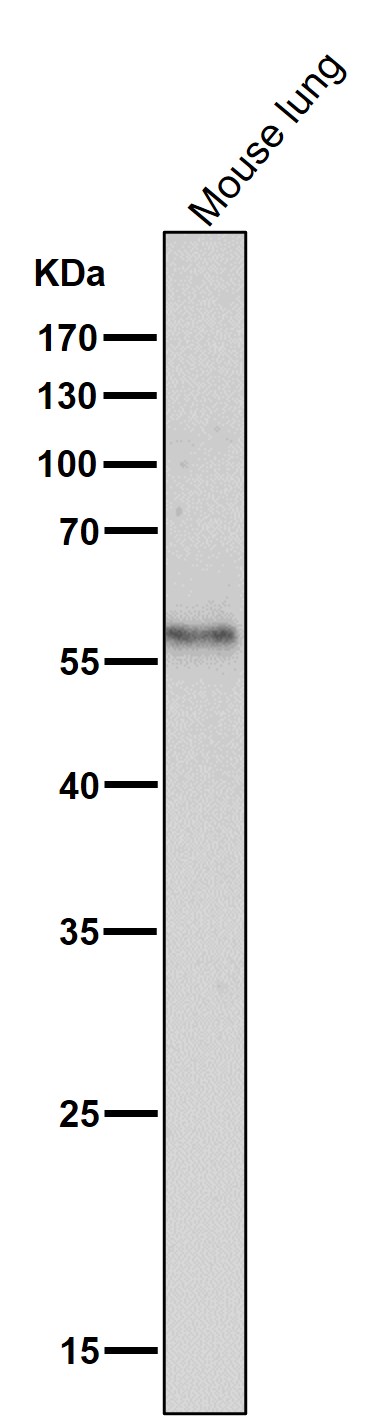
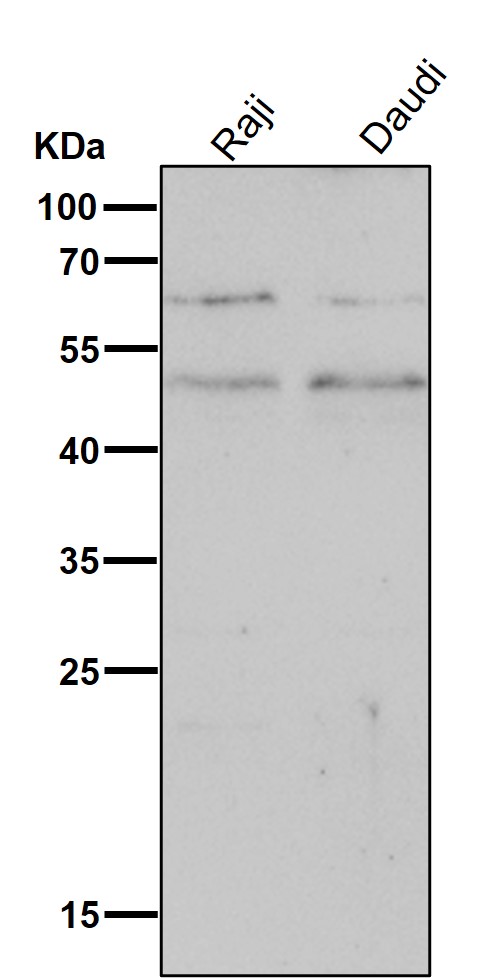
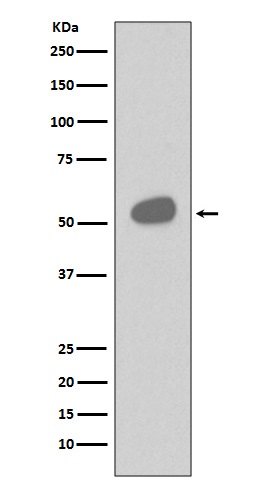
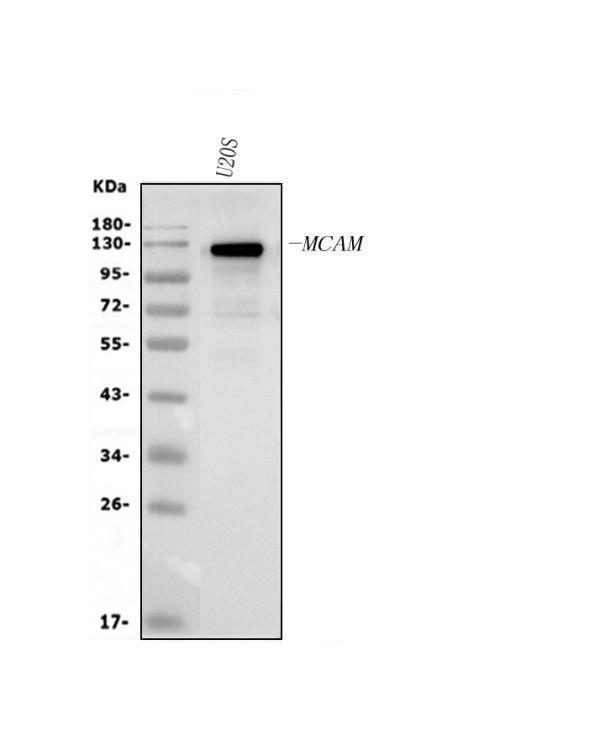
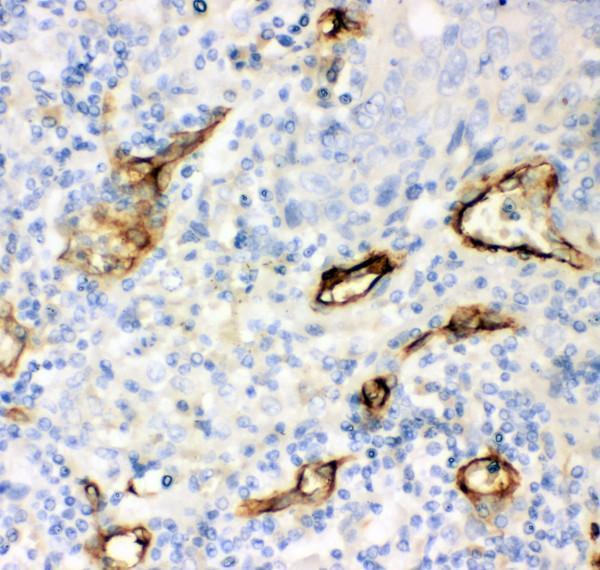
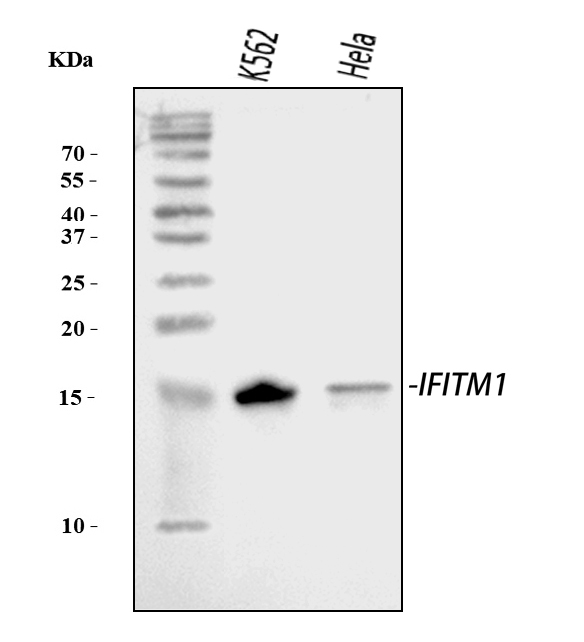
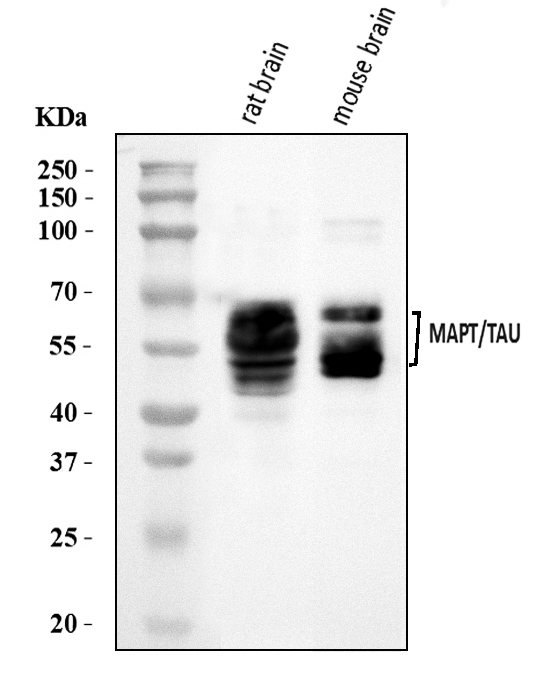
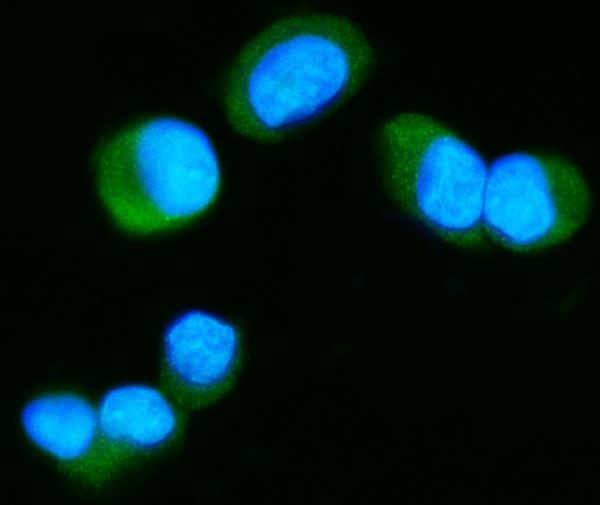
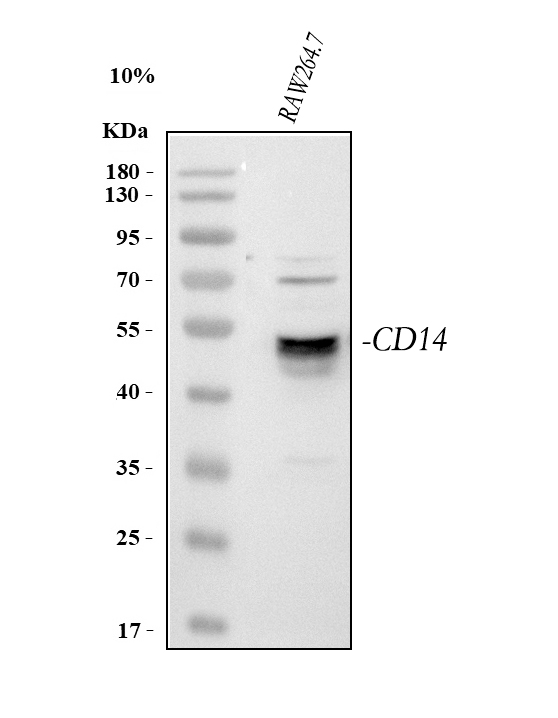
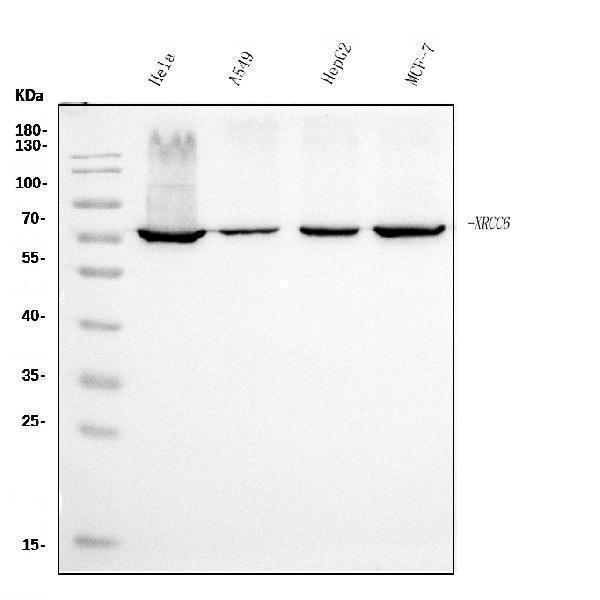
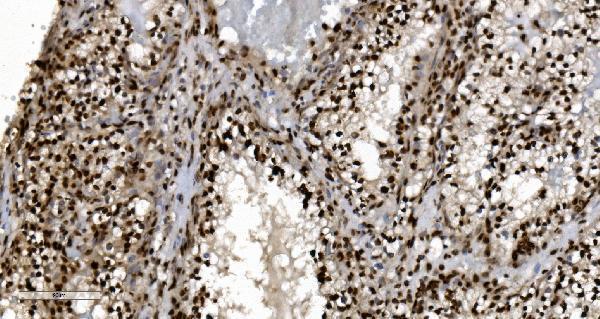
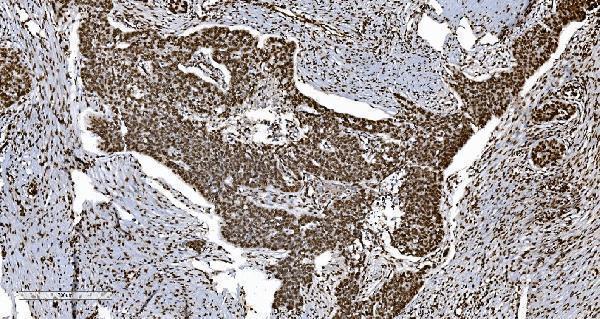
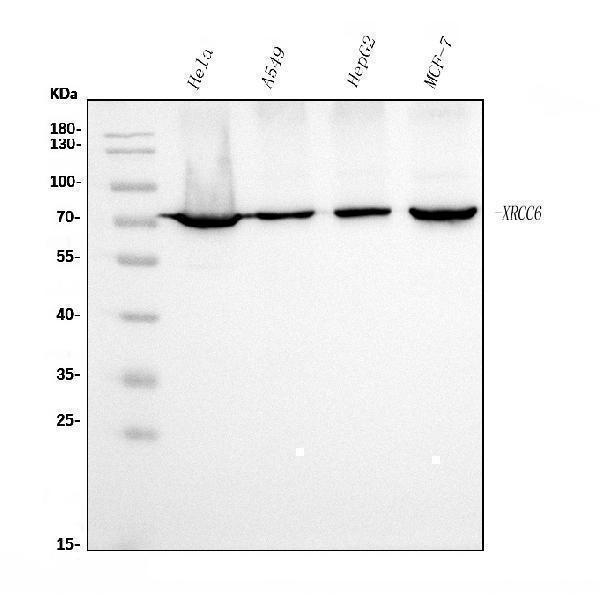
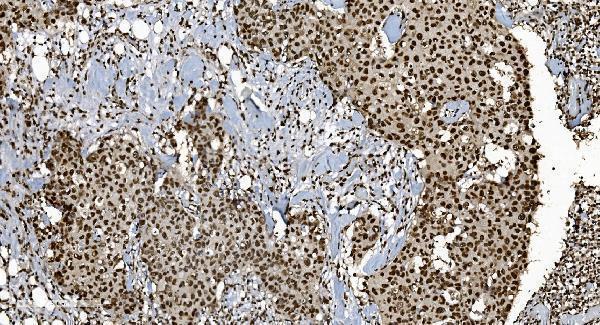
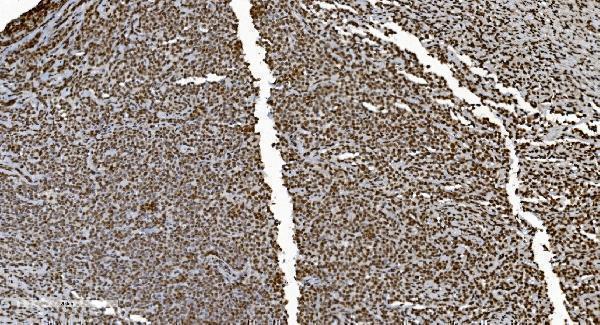
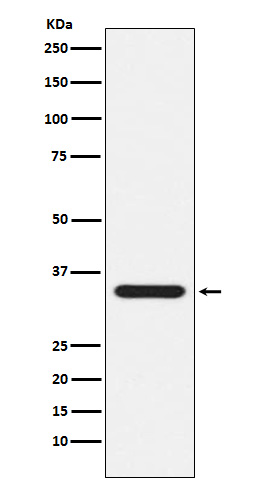
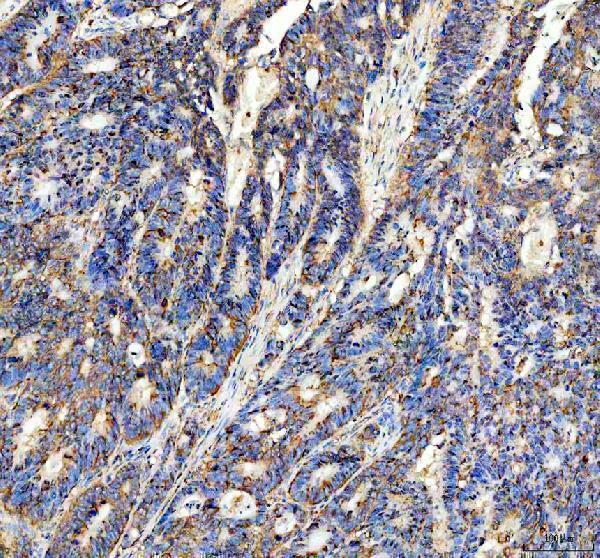
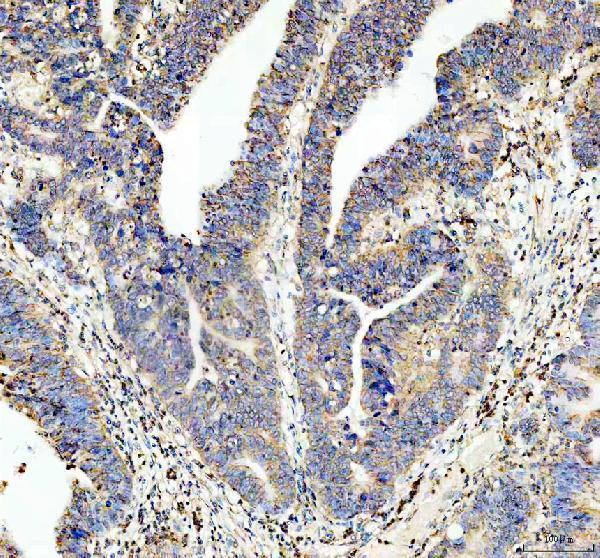
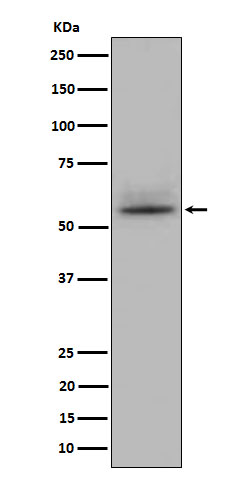
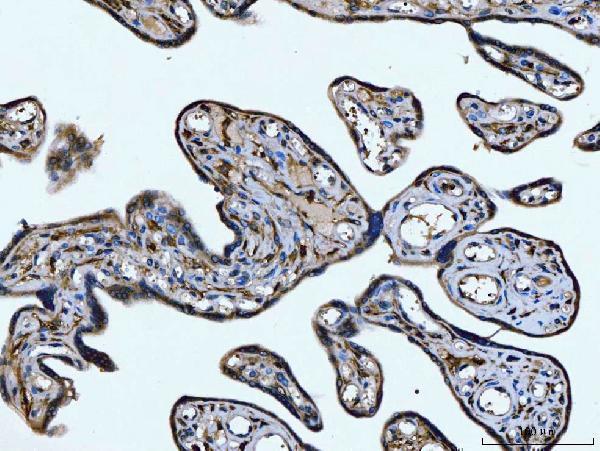
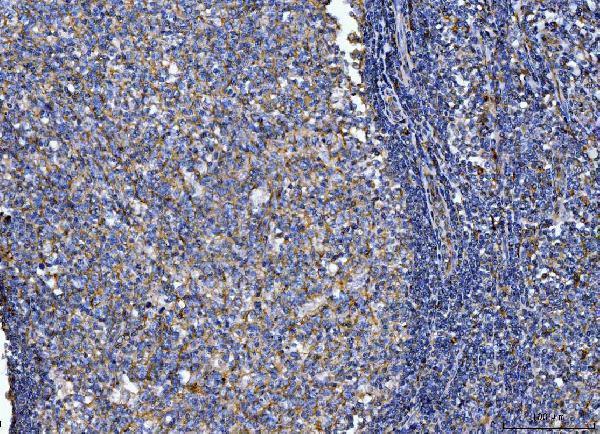
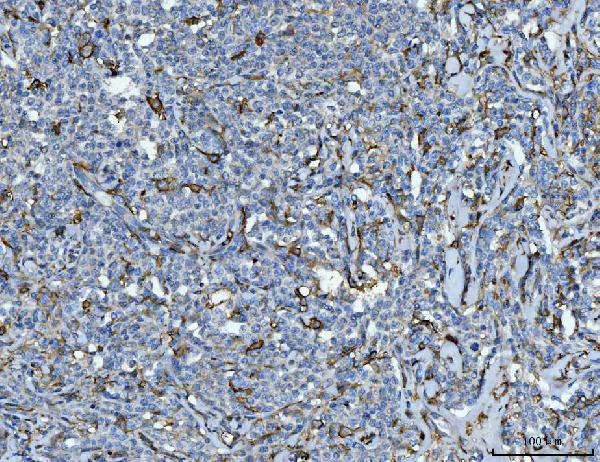
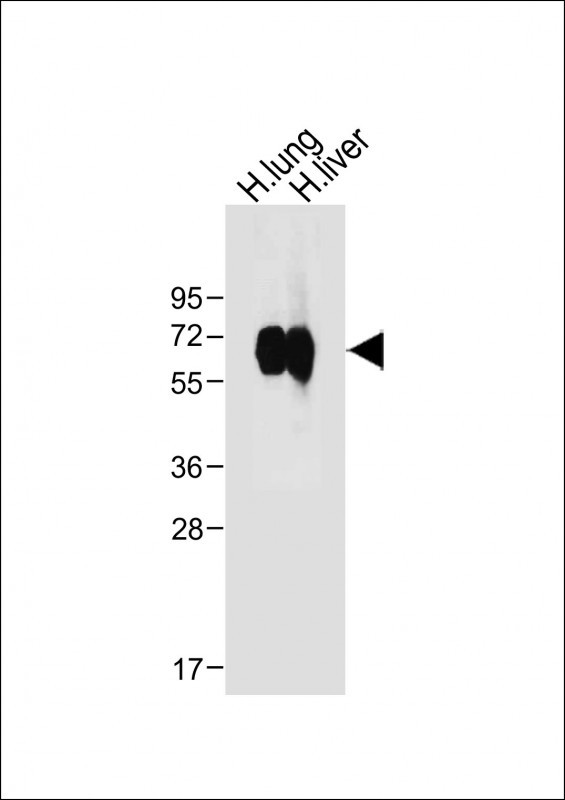
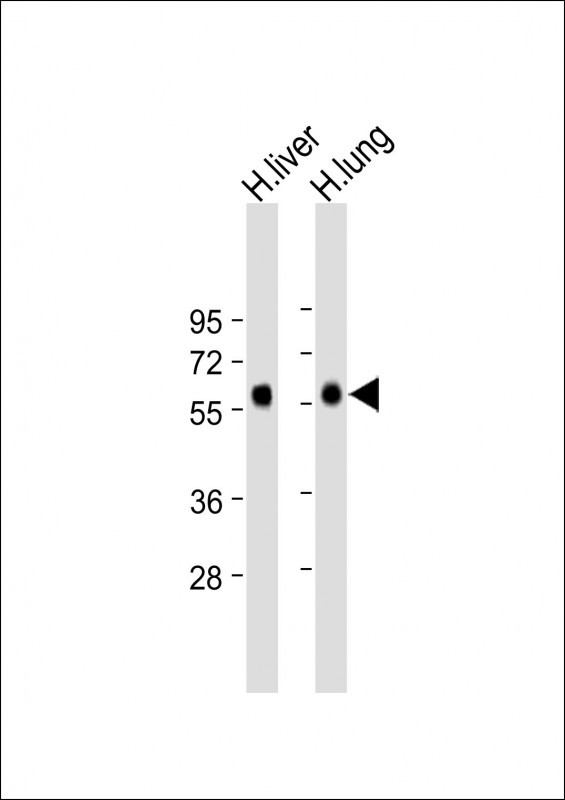
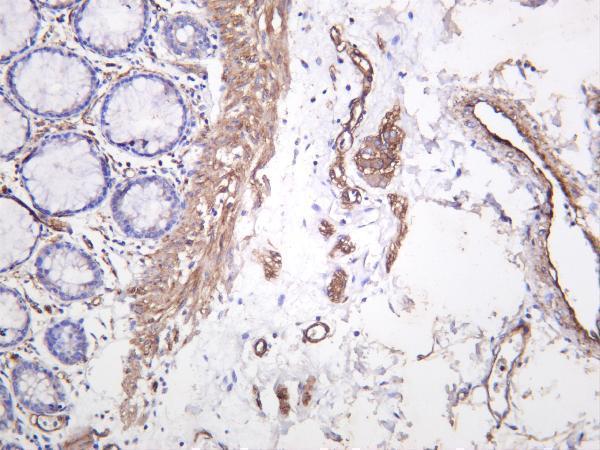
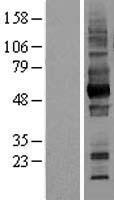
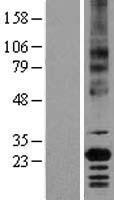
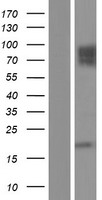
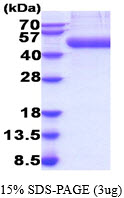
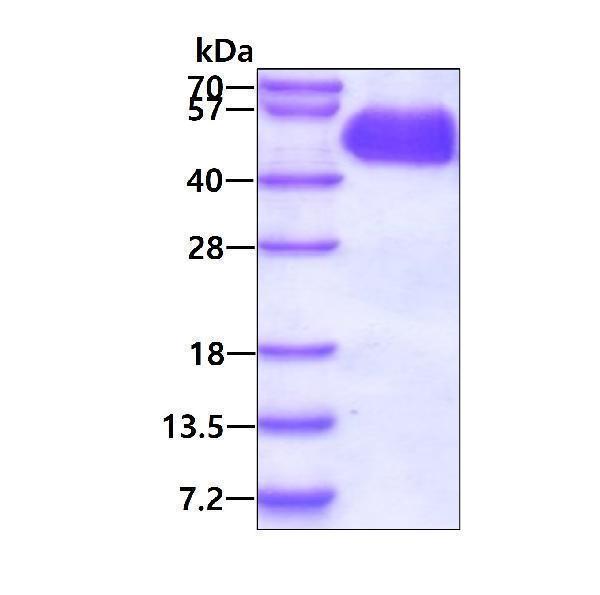
Many biological assays use antibodies to detect CD14, such as Western Blot (WB), ELISA, Flow Cytometry, Immunocytochemistry (IHC). These antibodies can be polyclonal or monoclonal, and react with CD14 in Human, Mouse, Rat, and many other animal samples. Boster Bio use mainly mouse and rabbit to develop CD14 antibodies...
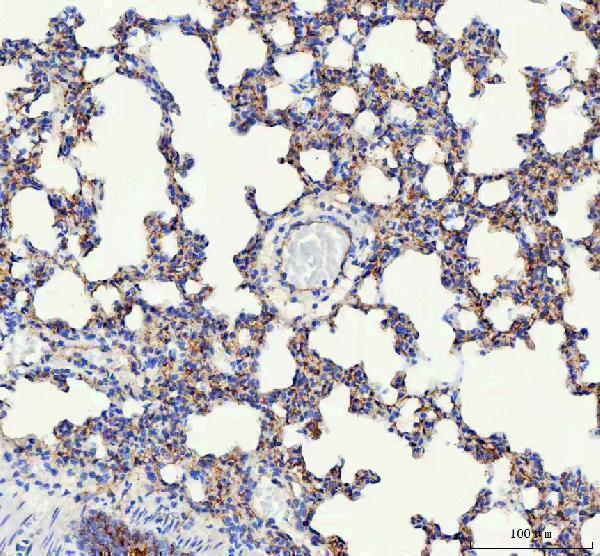
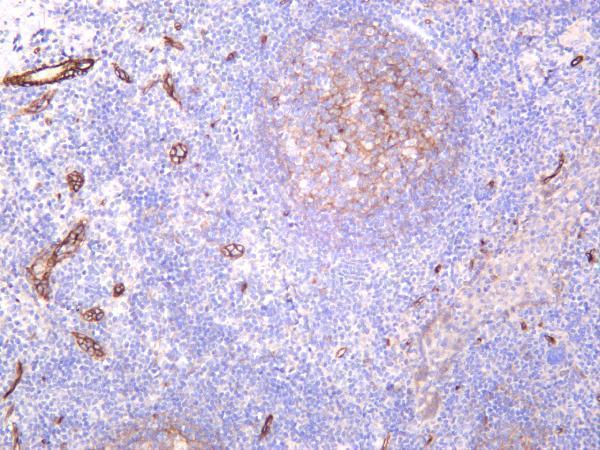
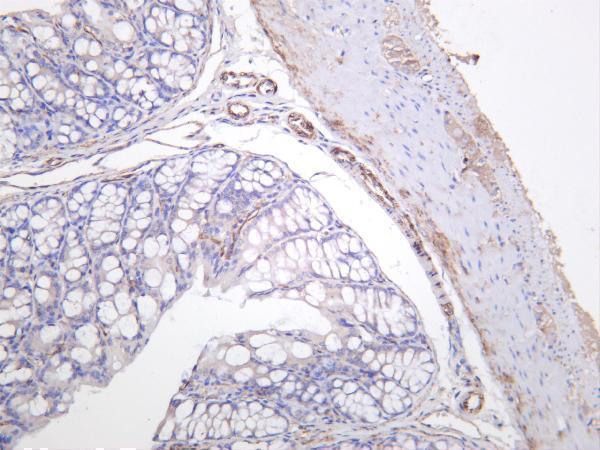
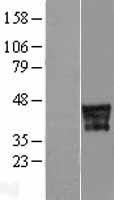
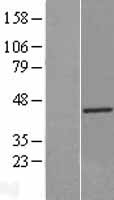
We validate the specificity of these antibodies to CD14 by testing them on tissues known to express CD14 positively and negatively. Browse below to find the CD14 antibody that suites your experiment. We have 87 of these antibodies and many publications and validation images.
If you cannot find antibodies that fit your needs, contact us for making custom antibodies. We have a full suite of custom antibody services covering from research to diagnostic and therapeutic applications.
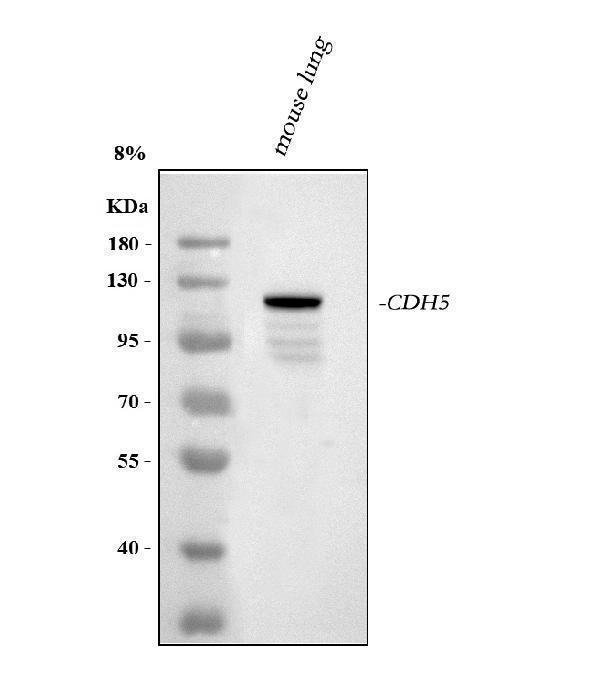
Designing a Western blot for CD14?
The guide has the expected band size, antibodies backed by real blot images, the controls to run alongside, and protocols taken from published papers.
Facts about Monocyte differentiation antigen CD14.
Monocyte differentiation antigen CD14 (CD14)
Coreceptor for bacterial lipopolysaccharide (PubMed:1698311, PubMed:23264655). In concert with LBP, binds to monomeric lipopolysaccharide and provides it to the LY96/TLR4 complicated, thereby mediating the innate immune response to bacterial lipopolysaccharide (LPS) (PubMed:20133493, PubMed:23264655).
Acts via MyD88, TIRAP and TRAF6, leading to NF-kappa-B activation, cytokine secretion and the inflammatory response (PubMed:8612135). Acts as a coreceptor for TLR2:TLR6 heterodimer in response to diacylated lipopeptides and for TLR2:TLR1 heterodimer in response to triacylated lipopeptides, these clusters activate signaling from the cell surface and then are targeted to the Golgi in a lipid-raft dependent pathway (PubMed:16880211).
Detected on macrophages (at protein level) (PubMed:1698311). Expressed strongly on the surface of monocytes and weakly on the surface of granulocytes; also expressed by most tissue macrophages.
Subcellular Localizations
Cell membrane; Lipid-anchor, GPI-anchor. Secreted. Membrane raft. Golgi apparatus. Secreted forms may arise by cleavage of the GPI anchor.
Diseases
Inflammation
Leukemia
Tissue Adhesions
Systemic Infection
Inflammatory Response
Infective Disorder
Neoplasms
Malignant Neoplasms
Myeloid Leukemia
Leukemia, Myelocytic, Acute
Hiv Infections
Septic Shock
Asthma
Bacterial Infections
Arthritis
Innate Immune Response
Atherosclerosis
Rheumatoid Arthritis
Immunologic Deficiency Syndromes
Pneumonia
Interacting Proteins
FSTL1
Pathways
Secretion
Immune Response
Pathogenesis
Cytokine Production
Inflammatory Response
Cell Activation
Phagocytosis
Cell Differentiation
Cell Proliferation
Innate Immune Response
Cell Adhesion
Cell Cycle
Cell Death
Monocyte Activation
Localization
Sensitization
Monocyte Differentiation
Cytokine Secretion
Virulence
Endocytosis
PTMs
Phosphorylation
Cleavage
Glycosylation
Acetylation
Methylation
Reduction
Dephosphorylation
Biotinylation
Nitration
Acylation
Gpi Anchoring
Oxidation
Hydroxylation
Iodination
Demethylation
Phosphorothioation
Ribosylation
Deglycosylation
Myristoylation
Formylation
Research Areas
Apoptosis
Asthma
Cancer
Cell Biology
Immunology
Innate Immunity
Myeloid Cell Markers
Stem Cell Markers
For details, visit: bosterbio.com/bosterbio-gene-info-cards/CD14
References
PMID: 3385210 by Haziot A., et al. The monocyte differentiation antigen, CD14, is anchored to the cell membrane by a phosphatidylinositol linkage.
PMID: 2453848 by Ferrero E., et al. Nucleotide sequence of the gene encoding the monocyte differentiation antigen, CD14.
76 Publications of Boster CD14 Antibodies & ELISA Kits
PubMed ID: PMID:30210698, Identification and differentiation therapy strategy of pterygium in vitro
PubMed ID: PMID:28975979, GLI2 induces PDGFRB expression and modulates cancer stem cell properties of gast...
PubMed ID: 10.7150/ijbs.29009, Metformin Promotes the Survival of Random-Pattern Skin Flaps by Inducing Autopha...