This website uses cookies to ensure you get the best experience on our website.


- Table of Contents
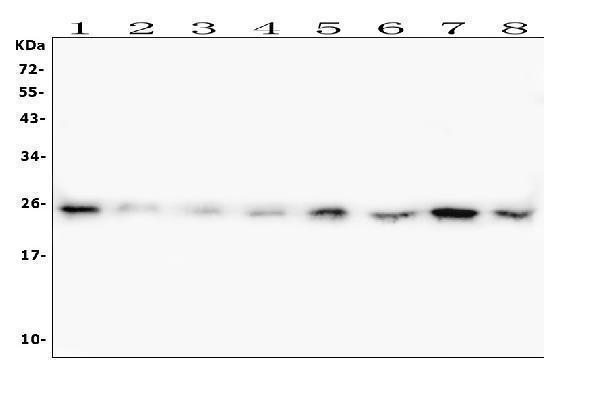
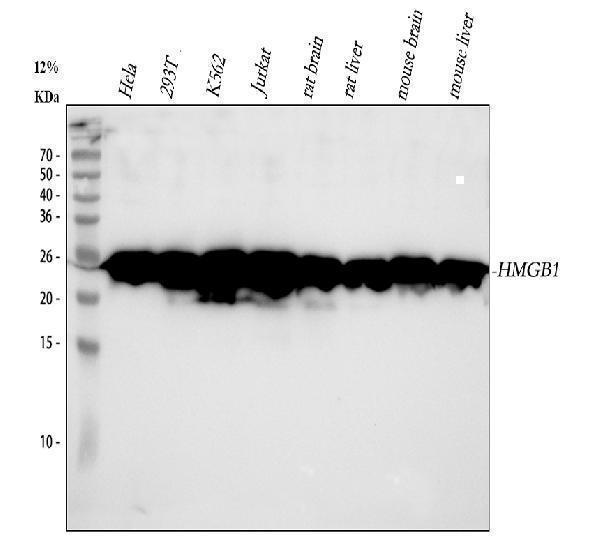
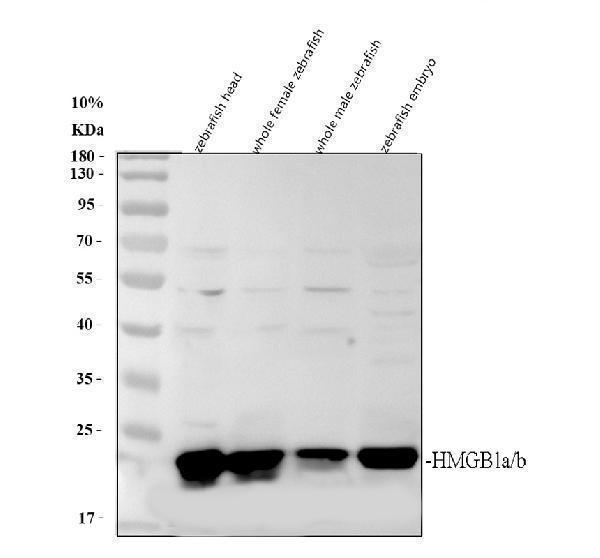
Designing a Western blot for HMGB1? The guide has the expected band size, antibodies backed by real blot images, the controls to run alongside, and protocols taken from published papers.
Open the HMGB1 Western Blot Guide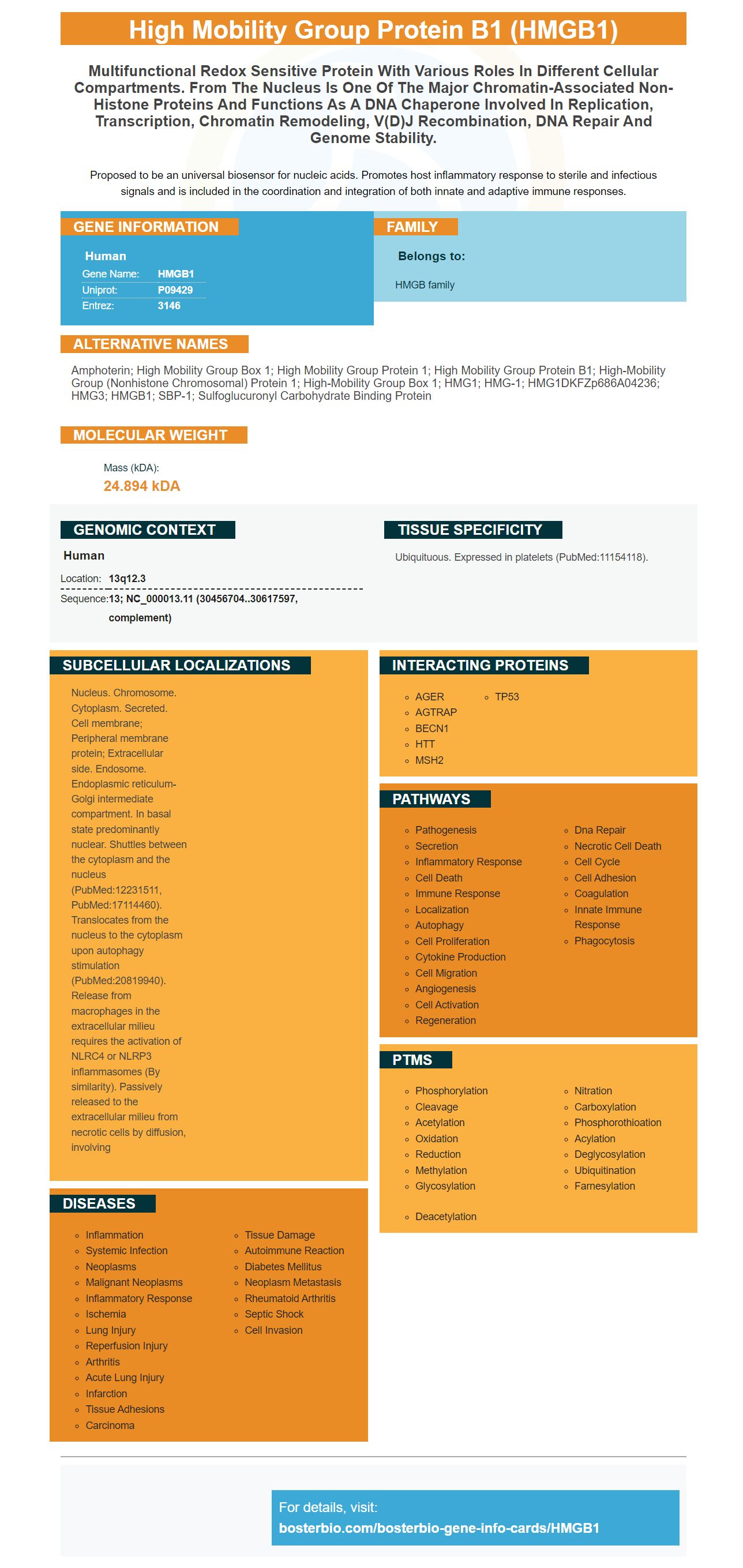
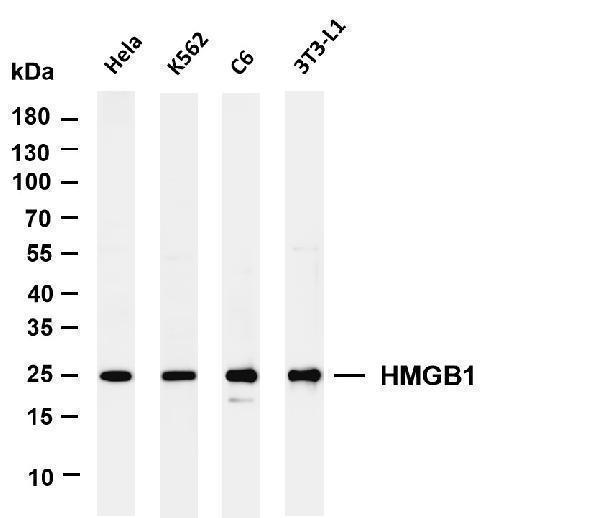


Facts about High mobility group protein B1.
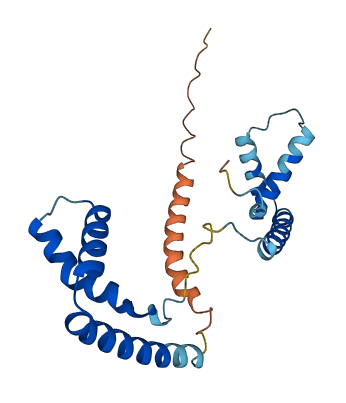
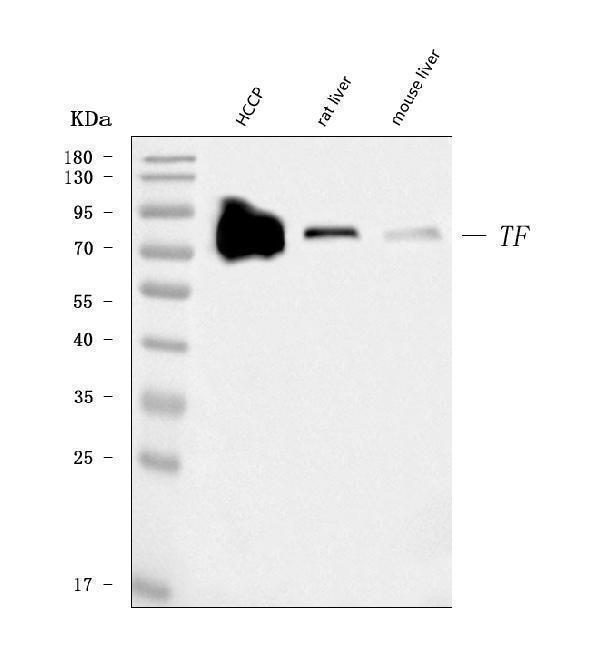
Proposed to be an universal biosensor for nucleic acids. Promotes host inflammatory response to sterile and infectious signals and is included in the coordination and integration of both innate and adaptive immune responses.
| Human | |
|---|---|
| Gene Name: | HMGB1 |
| Uniprot: | P09429 |
| Entrez: | 3146 |
| Belongs to: |
|---|
| HMGB family |

Amphoterin; high mobility group box 1; High mobility group protein 1; high mobility group protein B1; high-mobility group (nonhistone chromosomal) protein 1; high-mobility group box 1; HMG1; HMG-1; HMG1DKFZp686A04236; HMG3; HMGB1; SBP-1; Sulfoglucuronyl carbohydrate binding protein
Mass (kDA):
24.894 kDA

| Human | |
|---|---|
| Location: | 13q12.3 |
| Sequence: | 13; NC_000013.11 (30456704..30617597, complement) |
Ubiquituous. Expressed in platelets (PubMed:11154118).
Nucleus. Chromosome. Cytoplasm. Secreted. Cell membrane; Peripheral membrane protein; Extracellular side. Endosome. Endoplasmic reticulum-Golgi intermediate compartment. In basal state predominantly nuclear. Shuttles between the cytoplasm and the nucleus (PubMed:12231511, PubMed:17114460). Translocates from the nucleus to the cytoplasm upon autophagy stimulation (PubMed:20819940). Release from macrophages in the extracellular milieu requires the activation of NLRC4 or NLRP3 inflammasomes (By similarity). Passively released to the extracellular milieu from necrotic cells by diffusion, involving




PMID: 2922262 by Wen L., et al. A human placental cDNA clone that encodes nonhistone chromosomal protein HMG-1.
PMID: 8661151 by Ferrari S., et al. The active gene that encodes human high mobility group 1 protein (HMG1) contains introns and maps to chromosome 13.
*More publications can be found for each product on its corresponding product page