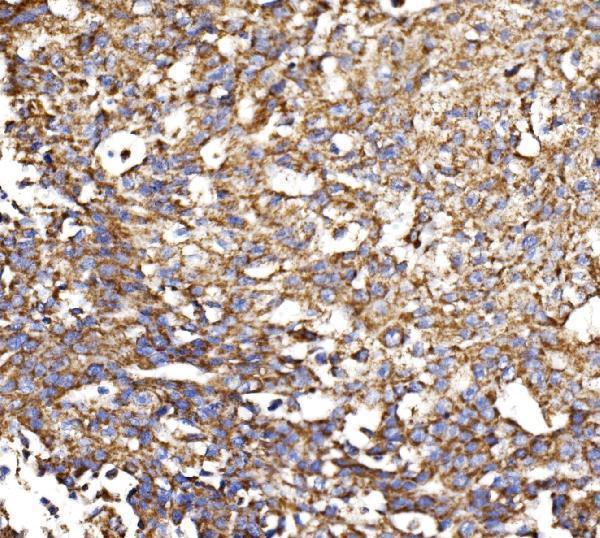
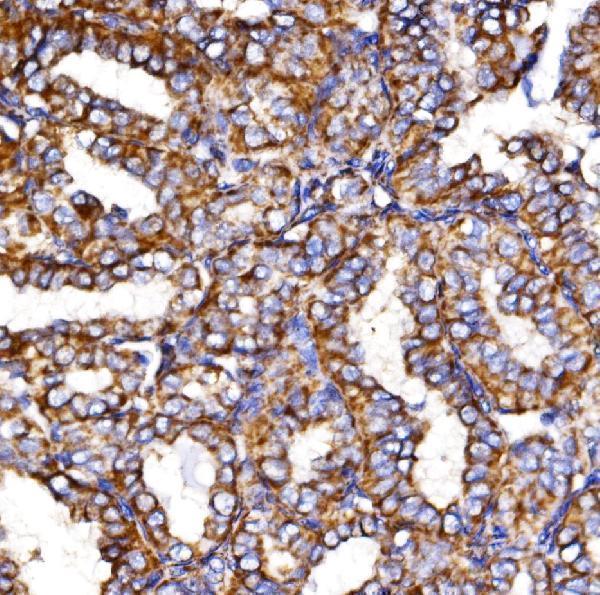
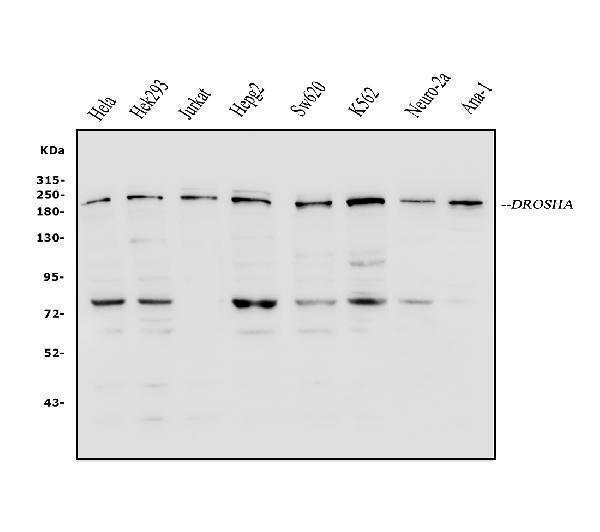
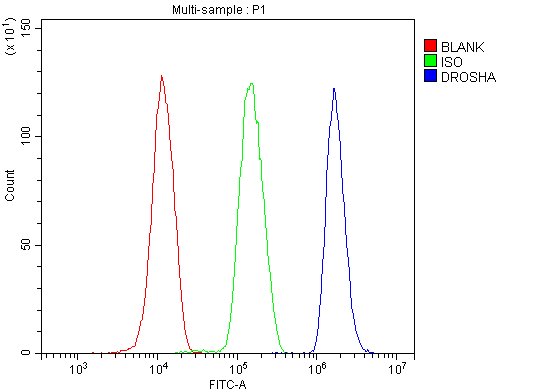
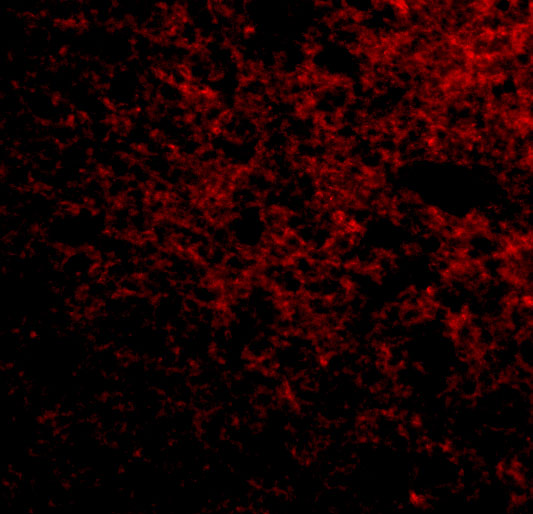
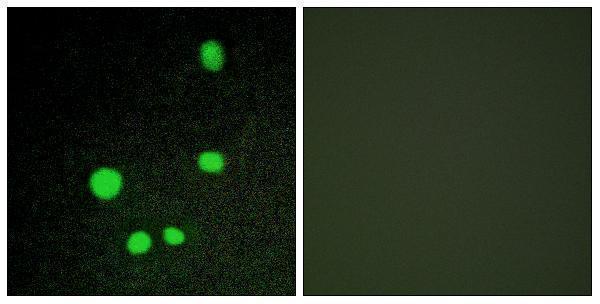
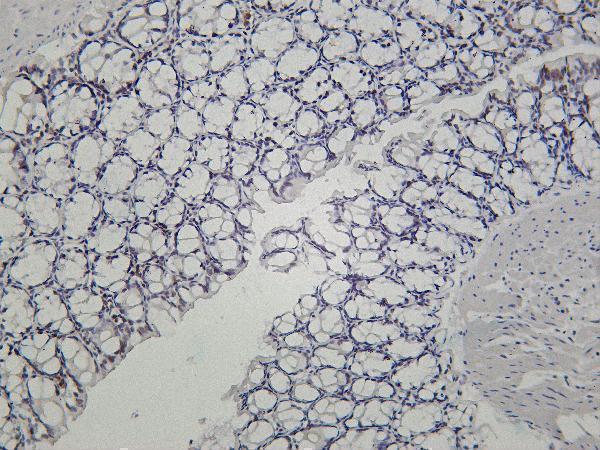
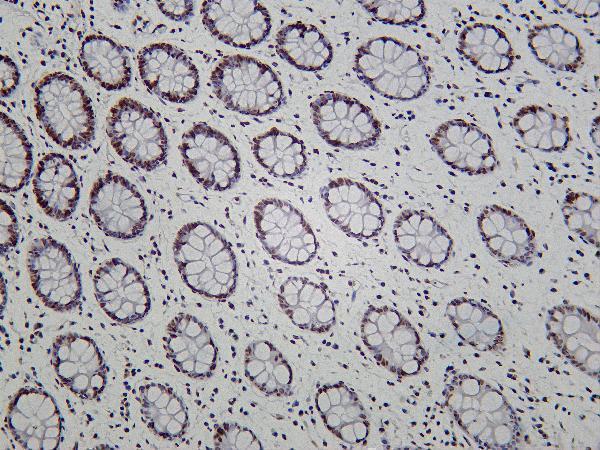
AND SP1 ELISA kits, Transcription factor Sp1 Proteins
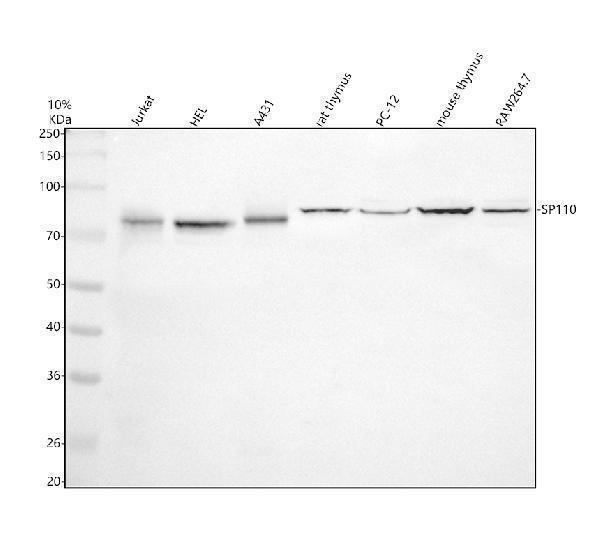
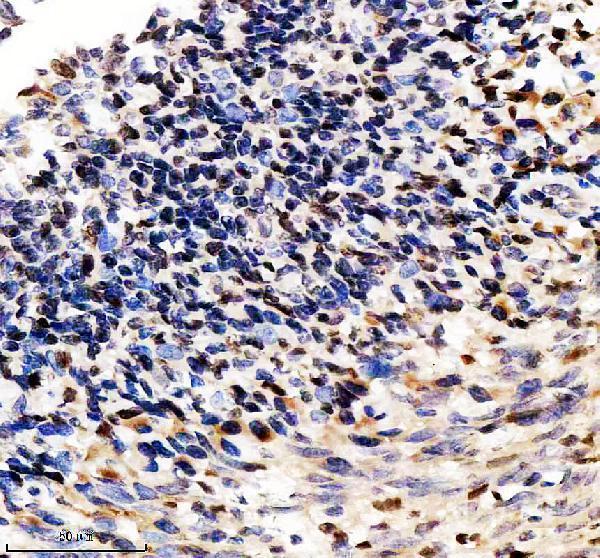
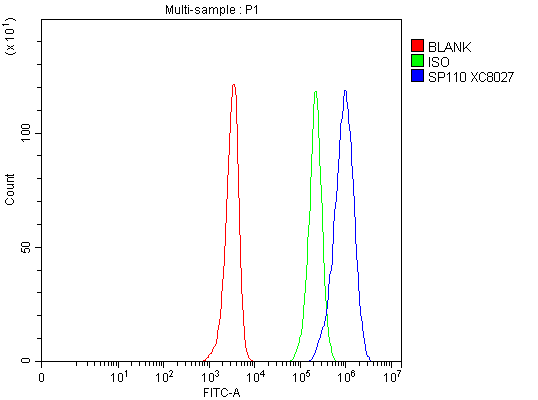
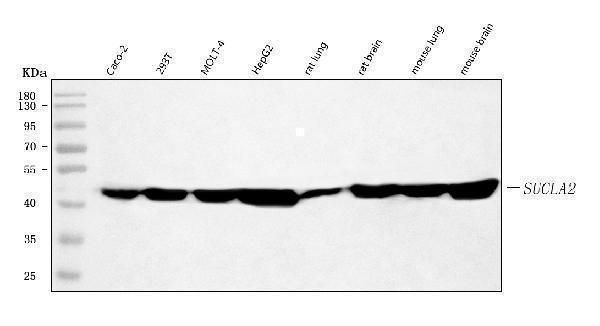
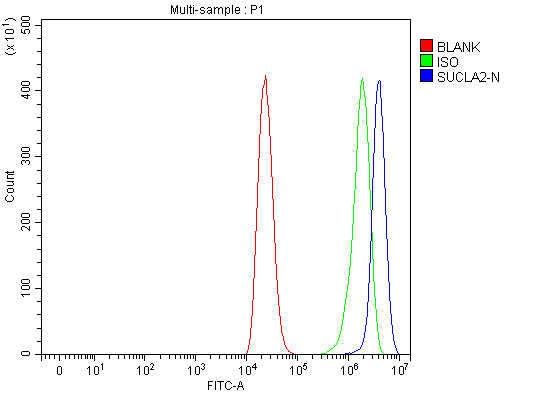
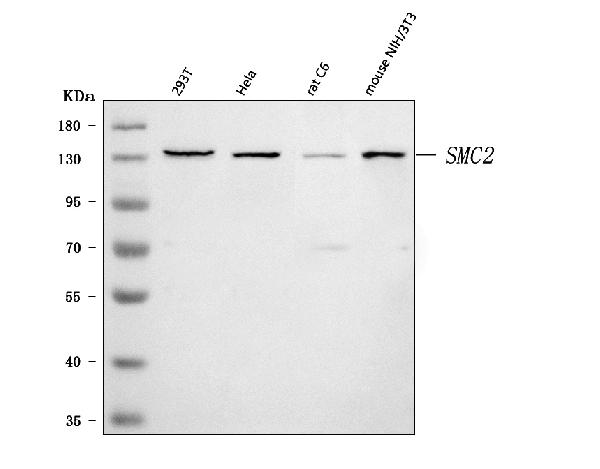
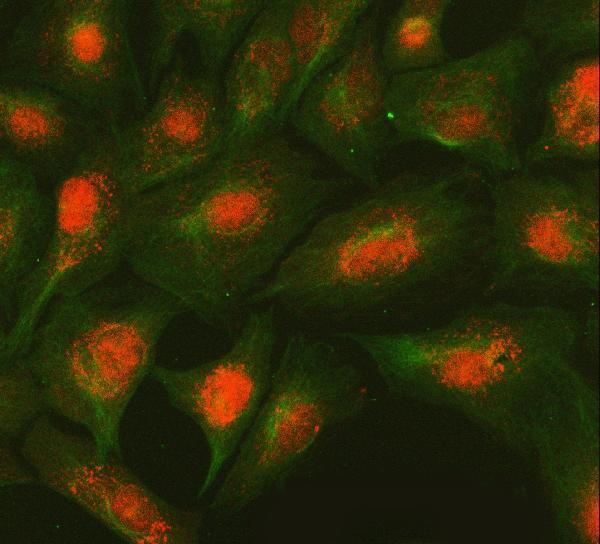
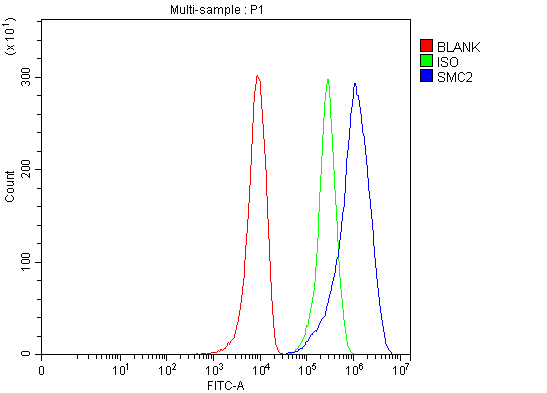
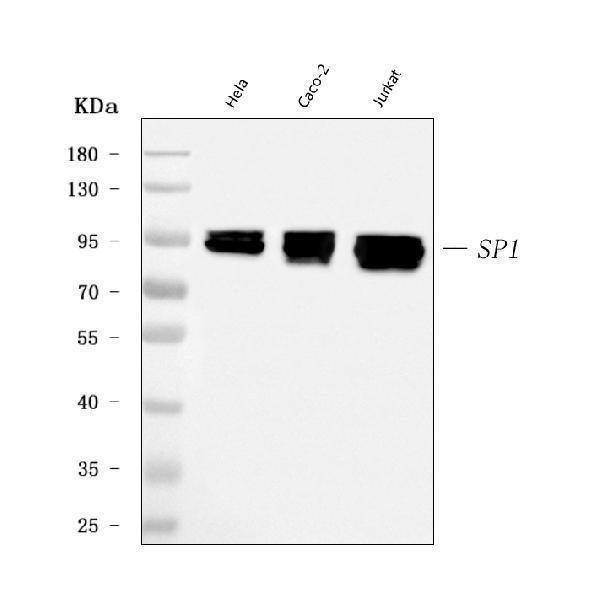
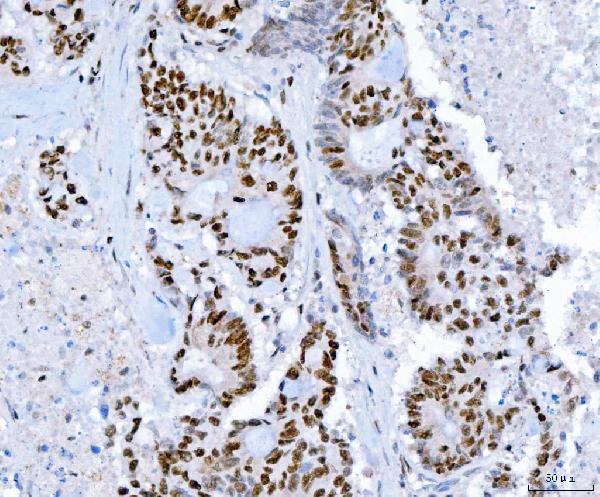
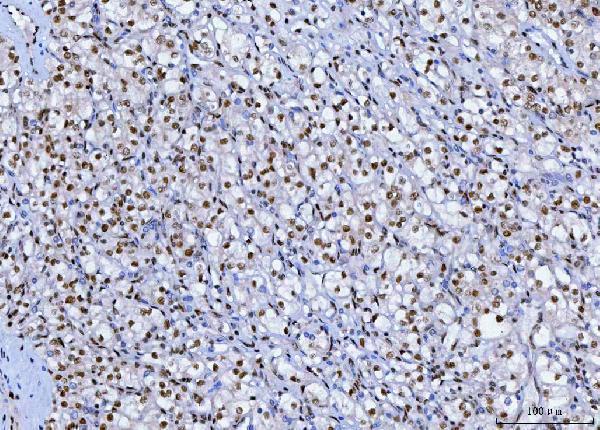
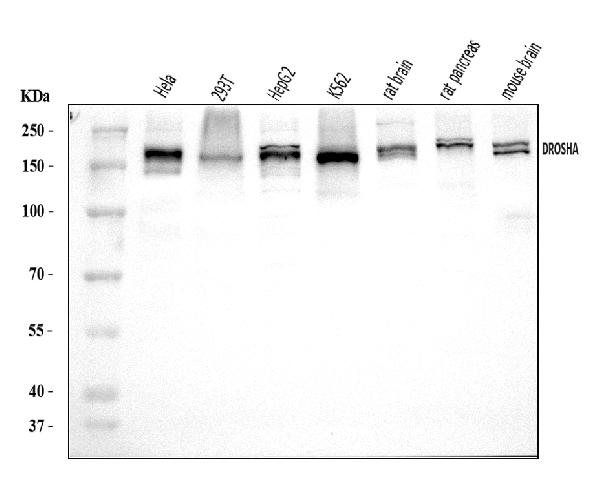
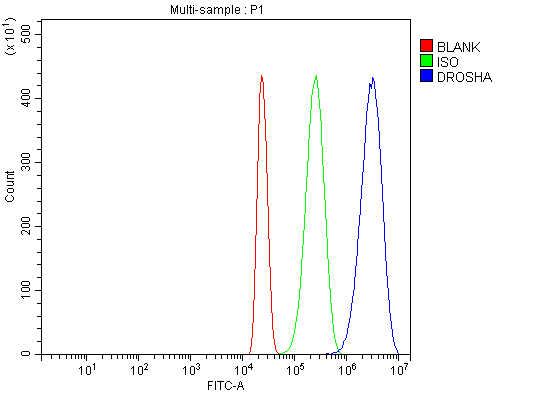
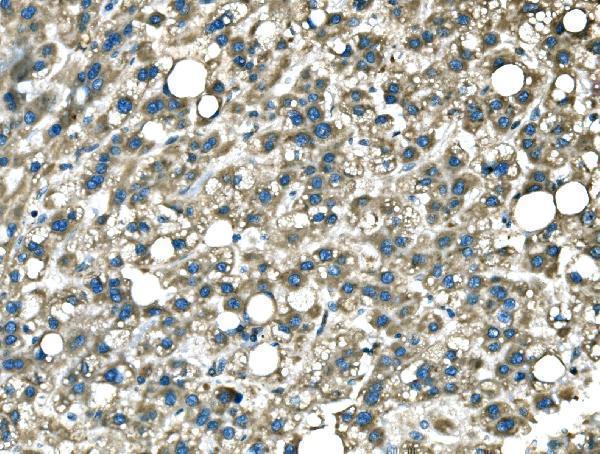
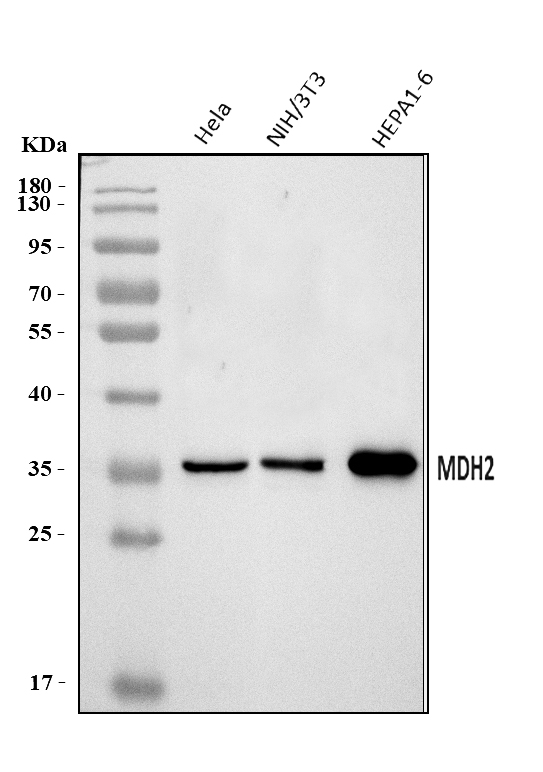
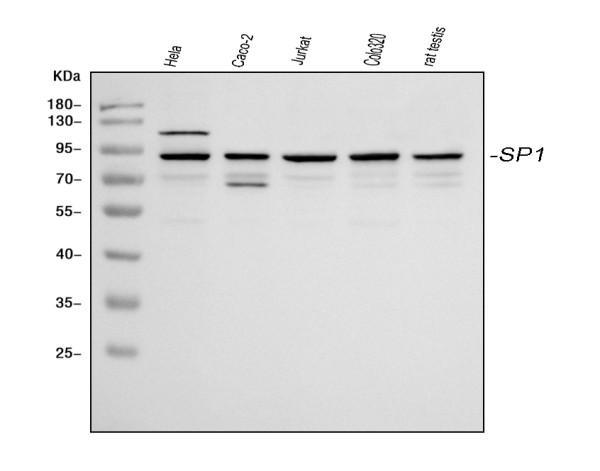
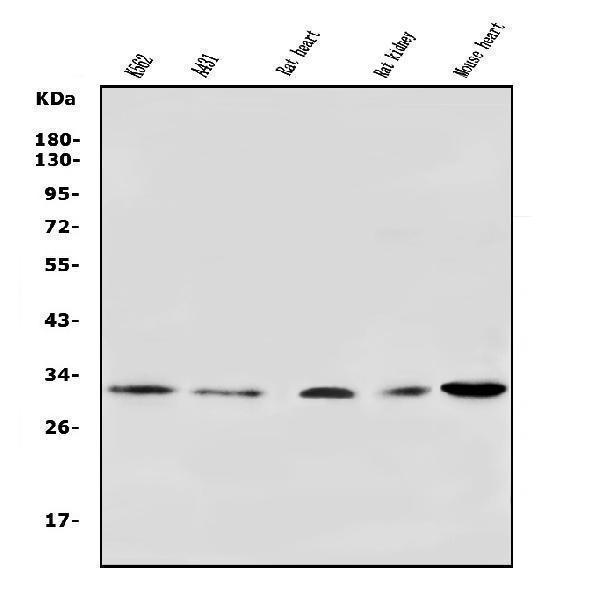
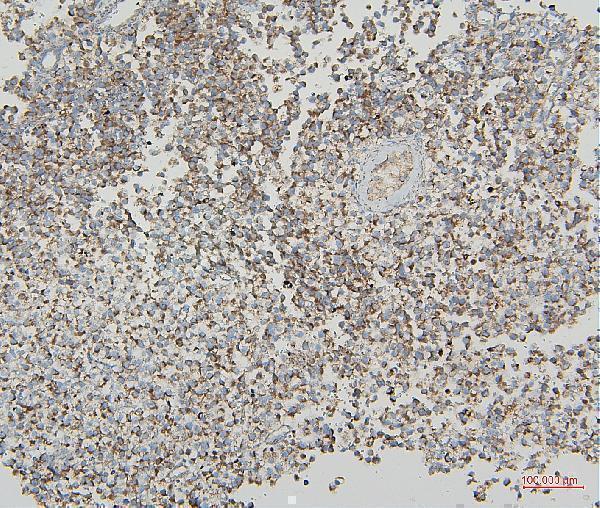
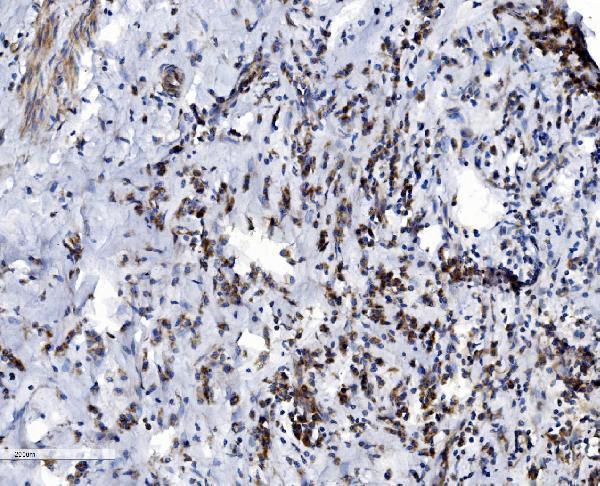
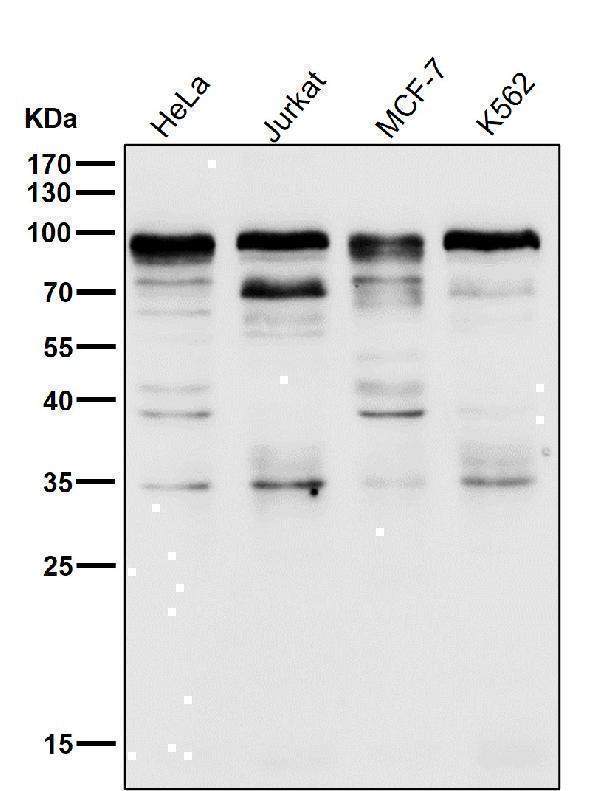
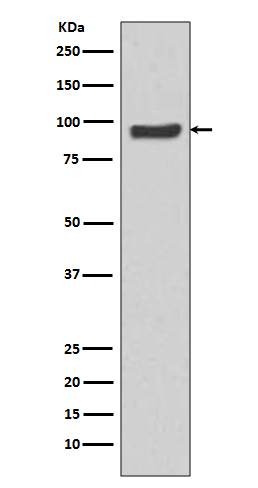
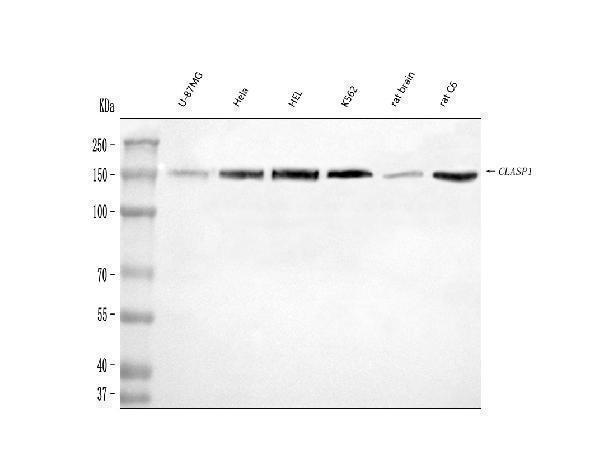
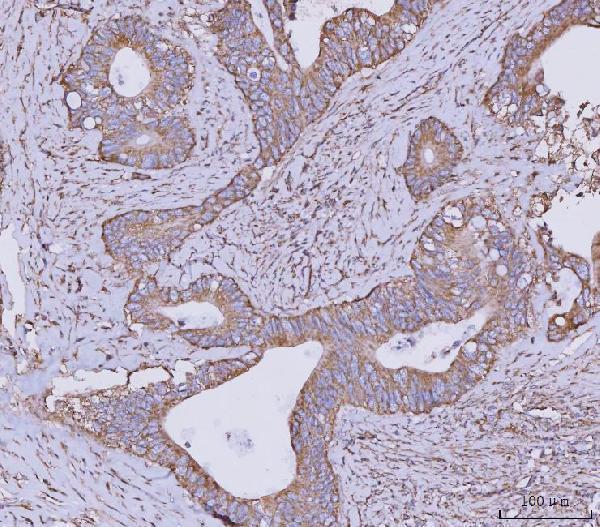
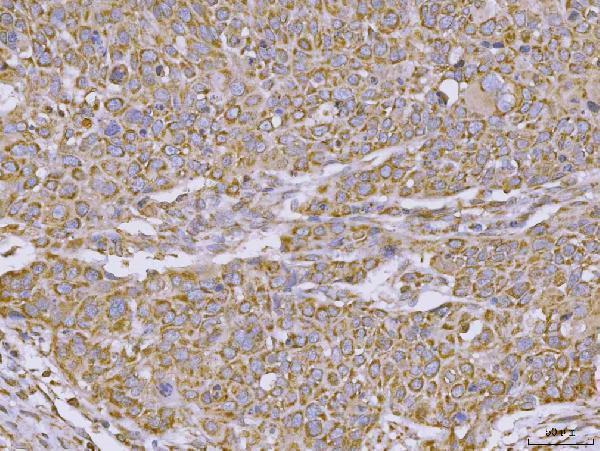
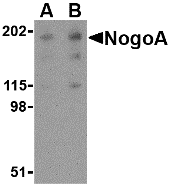
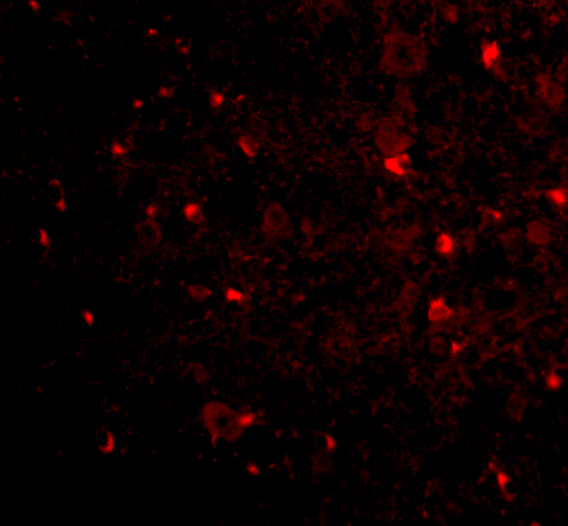
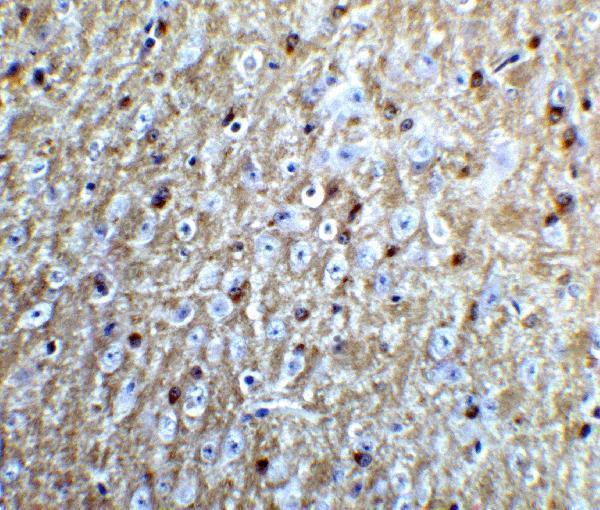
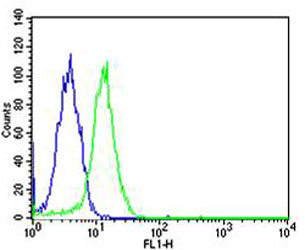
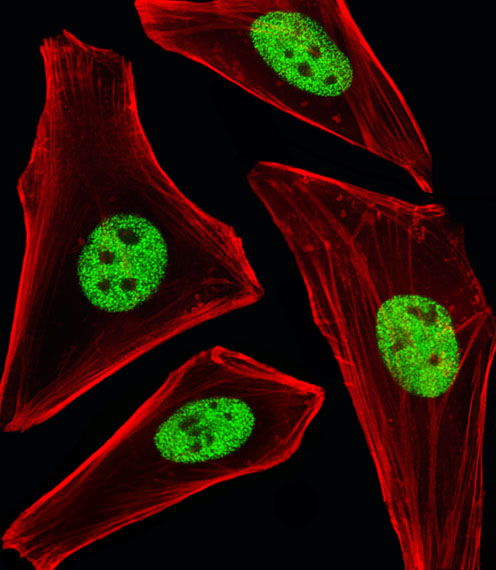
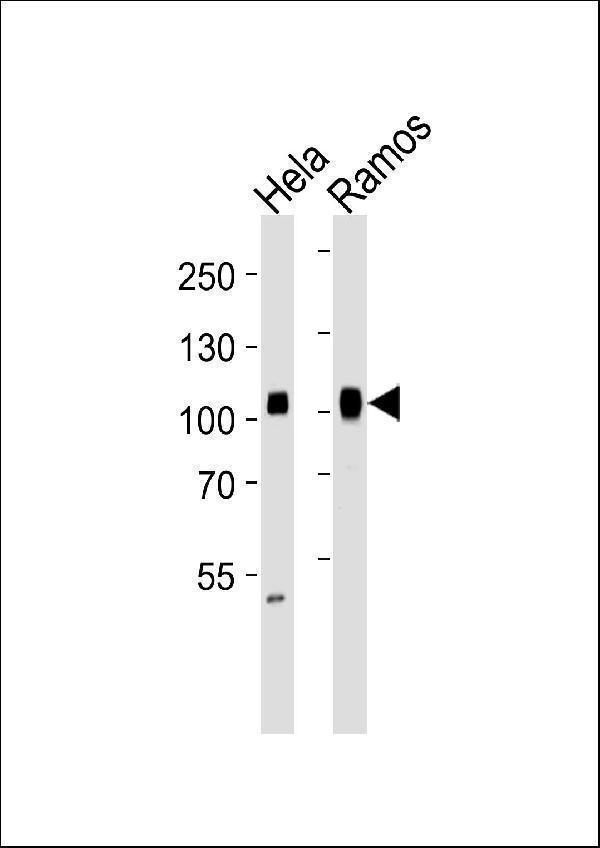
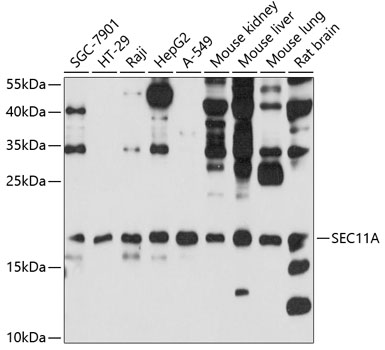
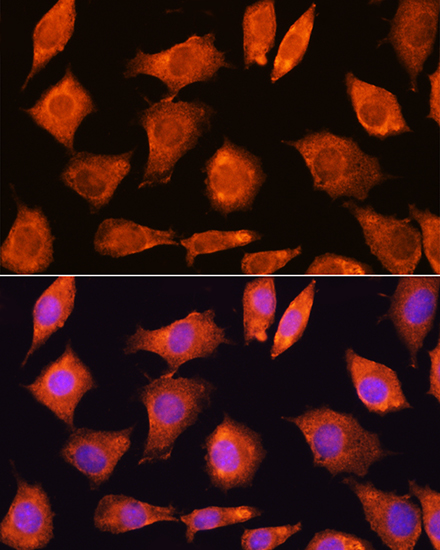
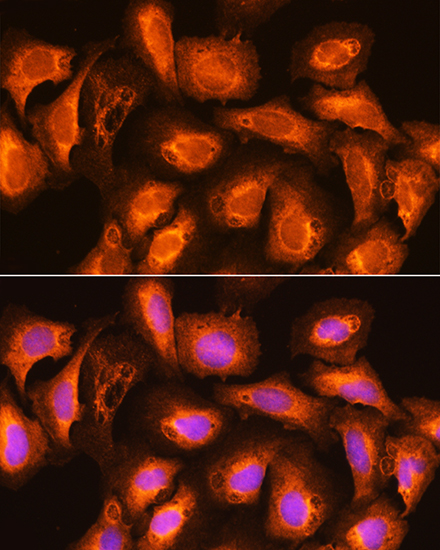
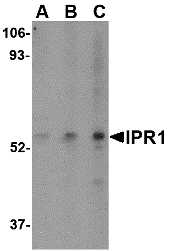
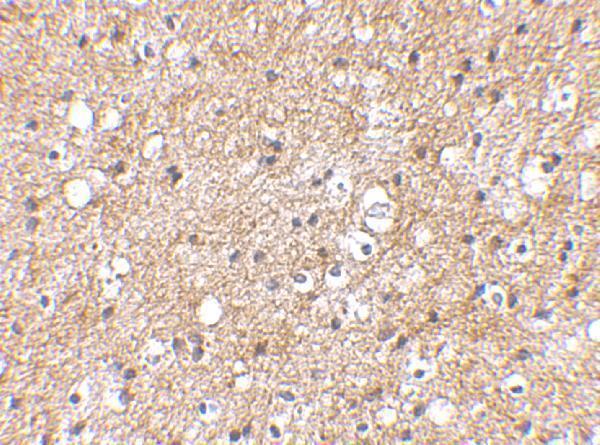
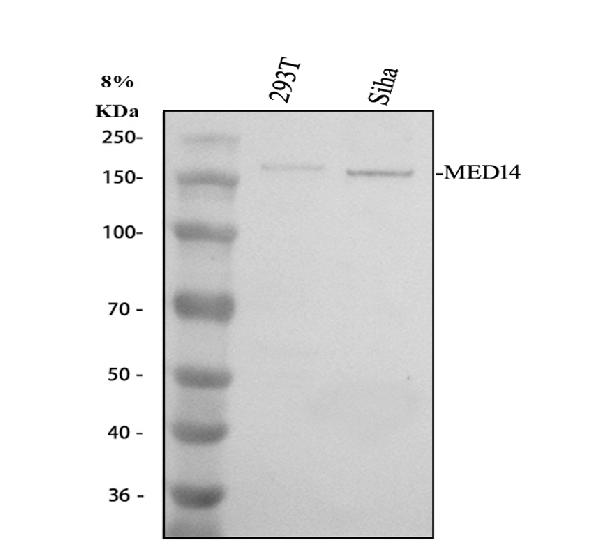
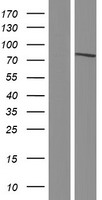
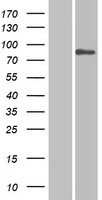
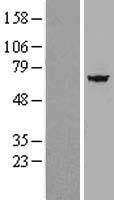
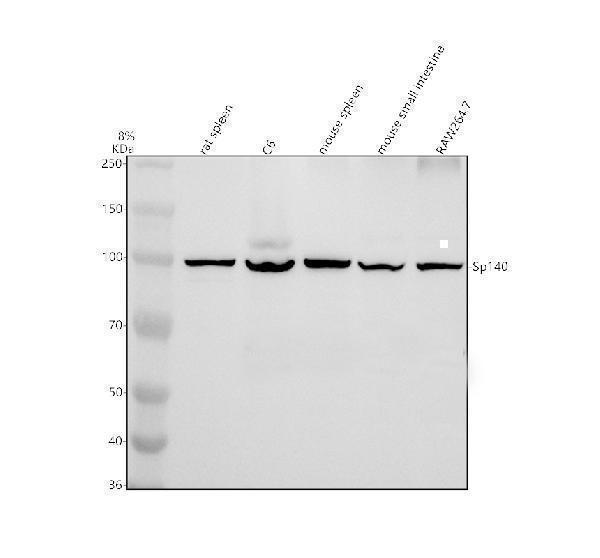
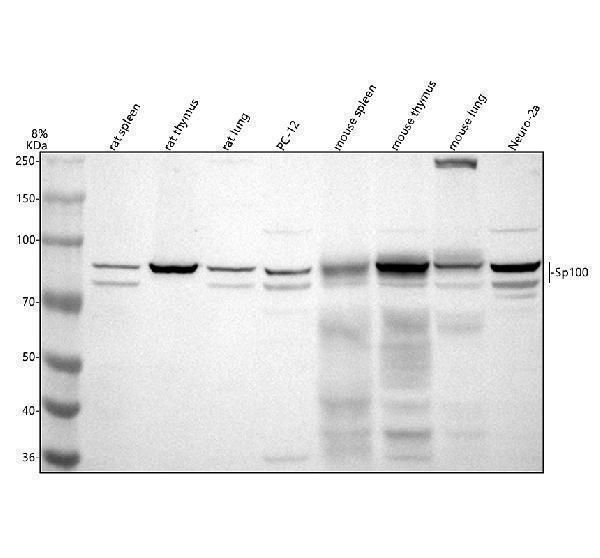
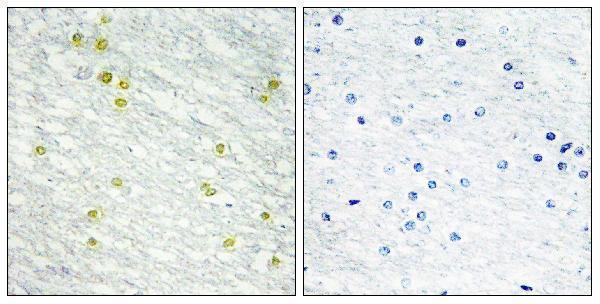
Many biological assays use antibodies to detect Transcription factor Sp1, such as Western Blot (WB), ELISA, Flow Cytometry, Immunocytochemistry (IHC). These antibodies can be polyclonal or monoclonal, and react with Transcription factor Sp1 in Human, Mouse, Rat, and many other animal samples. Boster Bio use mainly mouse and rabbit to develop Transcription factor Sp1 antibodies...
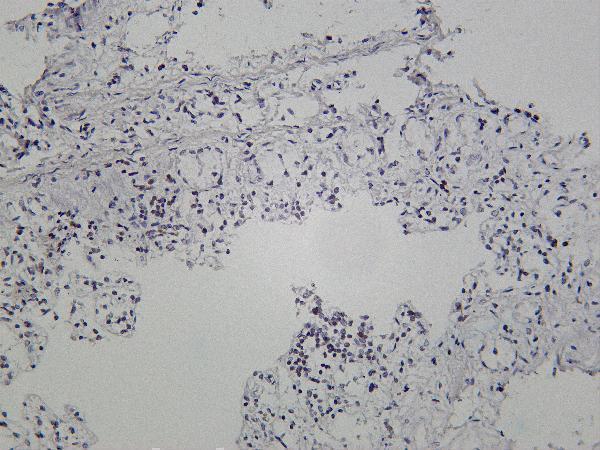
We validate the specificity of these antibodies to Transcription factor Sp1 by testing them on tissues known to express SP1 positively and negatively. Browse below to find the SP1 antibody that suites your experiment. We have 46 of these antibodies and many publications and validation images.
If you cannot find antibodies that fit your needs, contact us for making custom antibodies. We have a full suite of custom antibody services covering from research to diagnostic and therapeutic applications.
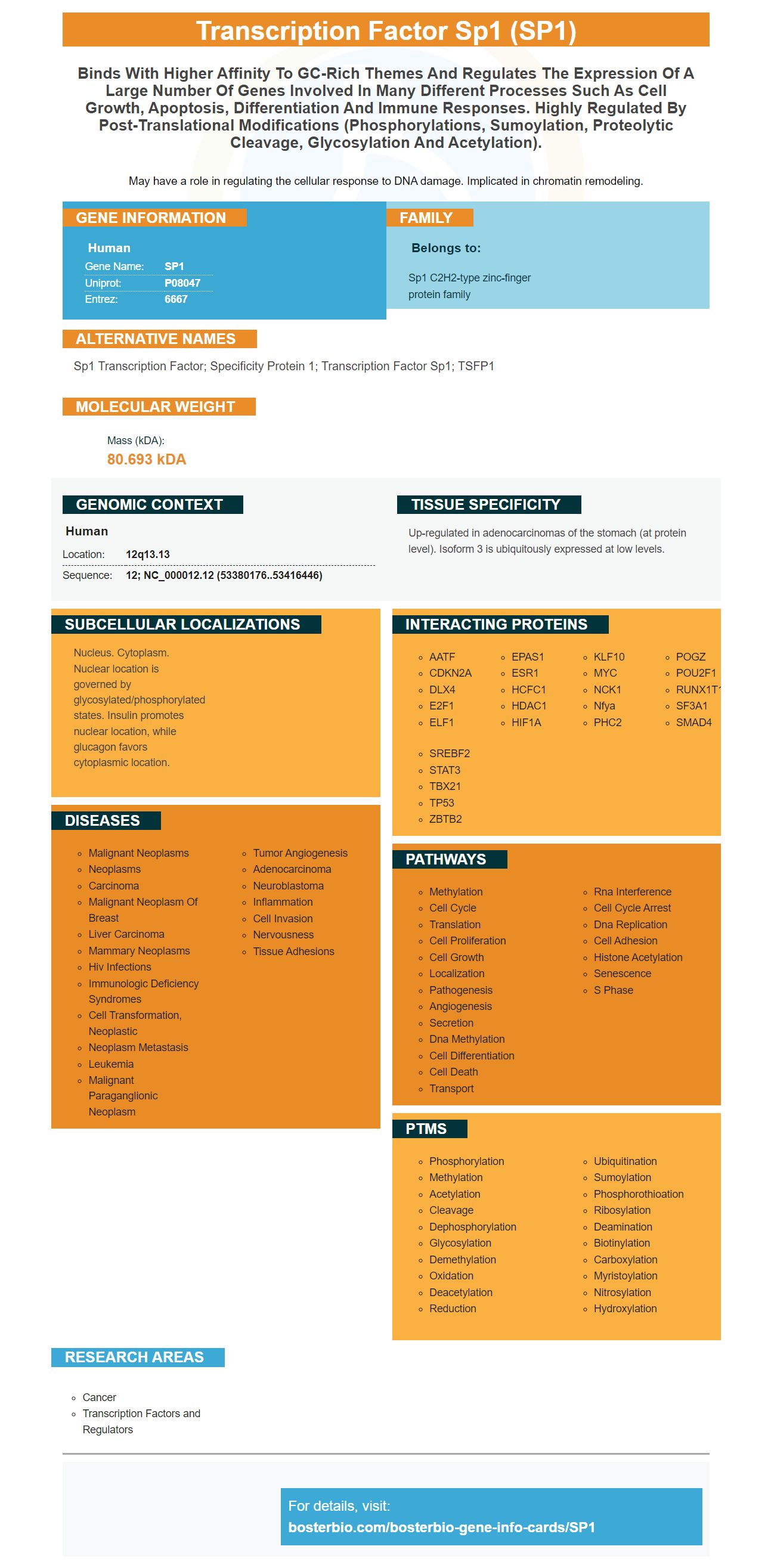
Binds with higher affinity to GC-rich themes and regulates the expression of a large number of genes involved in many different processes such as cell growth, apoptosis, differentiation and immune responses. Highly regulated by post-translational modifications (phosphorylations, sumoylation, proteolytic cleavage, glycosylation and acetylation).
May have a role in regulating the cellular response to DNA damage. Implicated in chromatin remodeling.
Gene Information
Human
Gene Name:
SP1
Uniprot:
P08047
Entrez:
6667
Family
Belongs to:
Sp1 C2H2-type zinc-finger protein family
Alternative Names
Sp1 transcription factor; specificity protein 1; transcription factor Sp1; TSFP1
Molecular Weight
Mass (kDA): 80.693 kDA
Genomic Context
Human
Location:
12q13.13
Sequence:
12; NC_000012.12 (53380176..53416446)
Tissue Specificity
Up-regulated in adenocarcinomas of the stomach (at protein level). Isoform 3 is ubiquitously expressed at low levels.
Subcellular Localizations
Nucleus. Cytoplasm. Nuclear location is governed by glycosylated/phosphorylated states. Insulin promotes nuclear location, while glucagon favors cytoplasmic location.

Diseases
Malignant Neoplasms
Neoplasms
Carcinoma
Malignant Neoplasm Of Breast
Liver Carcinoma
Mammary Neoplasms
Hiv Infections
Immunologic Deficiency Syndromes
Cell Transformation, Neoplastic
Neoplasm Metastasis
Leukemia
Malignant Paraganglionic Neoplasm
Tumor Angiogenesis
Adenocarcinoma
Neuroblastoma
Inflammation
Cell Invasion
Nervousness
Tissue Adhesions
Interacting Proteins
AATF
CDKN2A
DLX4
E2F1
ELF1
EPAS1
ESR1
HCFC1
HDAC1
HIF1A
KLF10
MYC
NCK1
Nfya
PHC2
POGZ
POU2F1
RUNX1T1
SF3A1
SMAD4
SREBF2
STAT3
TBX21
TP53
ZBTB2
Pathways
Methylation
Cell Cycle
Translation
Cell Proliferation
Cell Growth
Localization
Pathogenesis
Angiogenesis
Secretion
Dna Methylation
Cell Differentiation
Cell Death
Transport
Rna Interference
Cell Cycle Arrest
Dna Replication
Cell Adhesion
Histone Acetylation
Senescence
S Phase
PTMs
Phosphorylation
Methylation
Acetylation
Cleavage
Dephosphorylation
Glycosylation
Demethylation
Oxidation
Deacetylation
Reduction
Ubiquitination
Sumoylation
Phosphorothioation
Ribosylation
Deamination
Biotinylation
Carboxylation
Myristoylation
Nitrosylation
Hydroxylation
Research Areas
Cancer
Transcription Factors and Regulators
For details, visit: bosterbio.com/bosterbio-gene-info-cards/SP1
References
PMID: 21798247 by Infantino V., et al. Identification of a novel Sp1 splice variant as a strong transcriptional activator.
PMID: 10973950 by Takahara T., et al. Heterogeneous Sp1 mRNAs in human HepG2 cells include a product of homotypic trans-splicing.