This website uses cookies to ensure you get the best experience on our website.


- Table of Contents
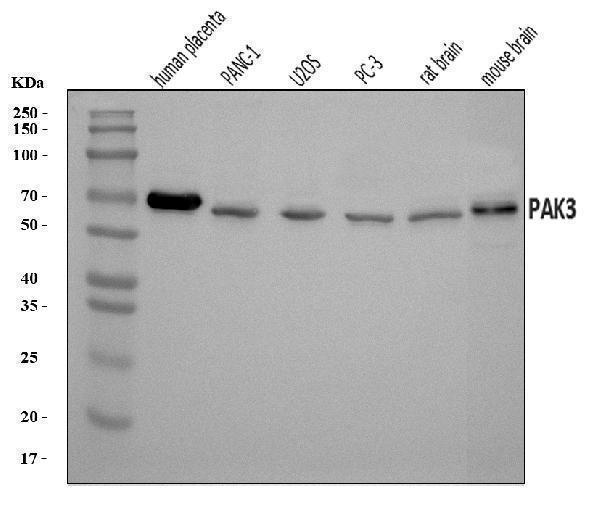
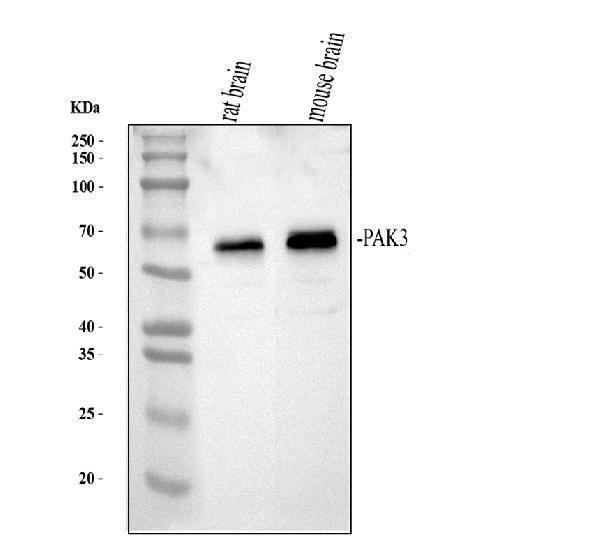
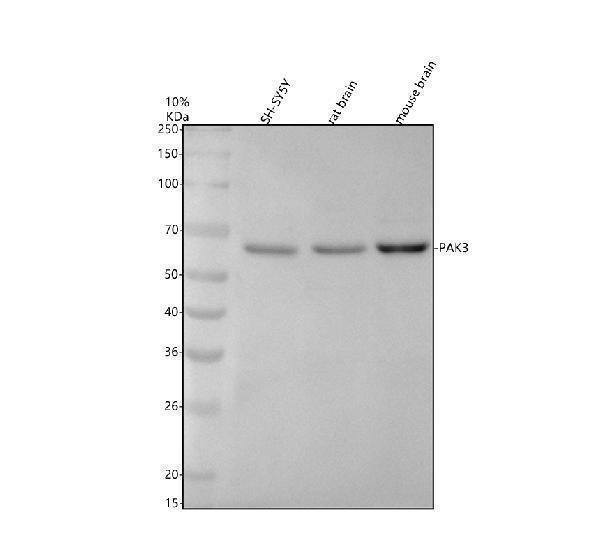
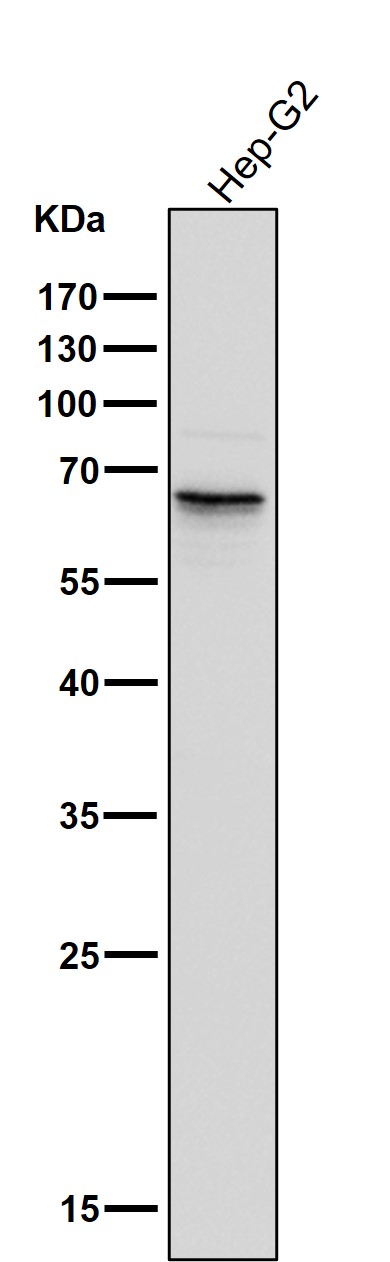
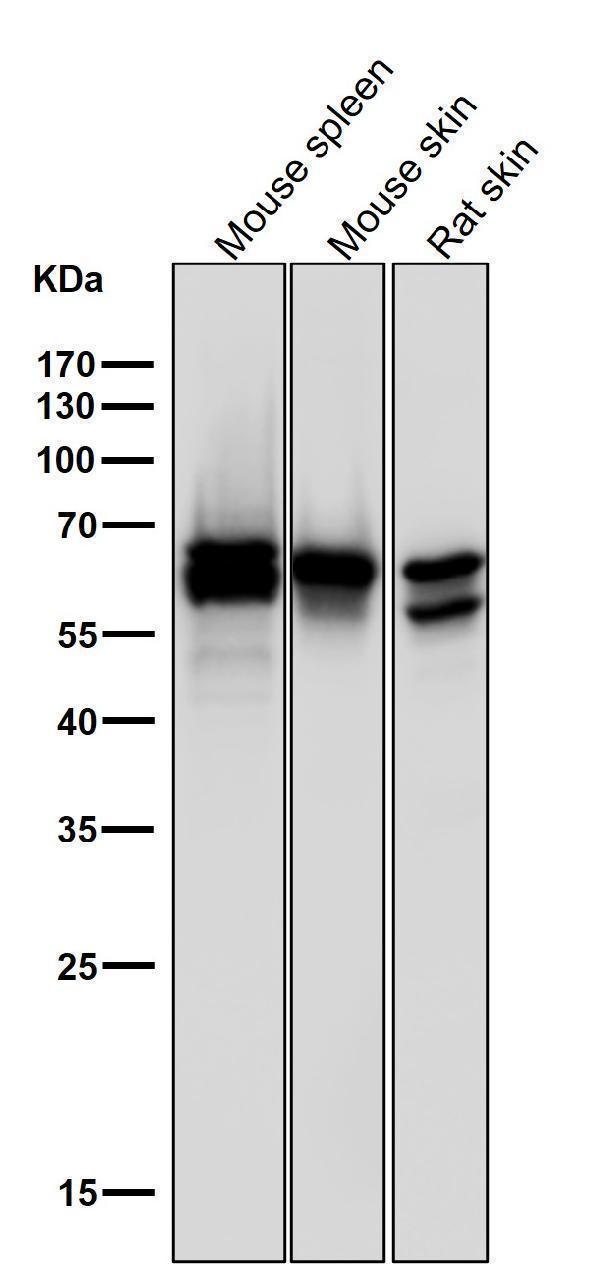
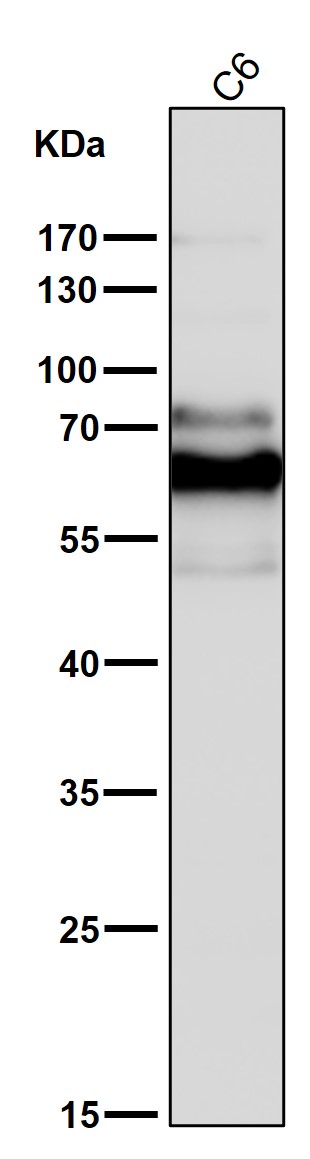
Designing a Western blot for PAK3? The guide has the expected band size, antibodies backed by real blot images, the controls to run alongside, and protocols taken from published papers.
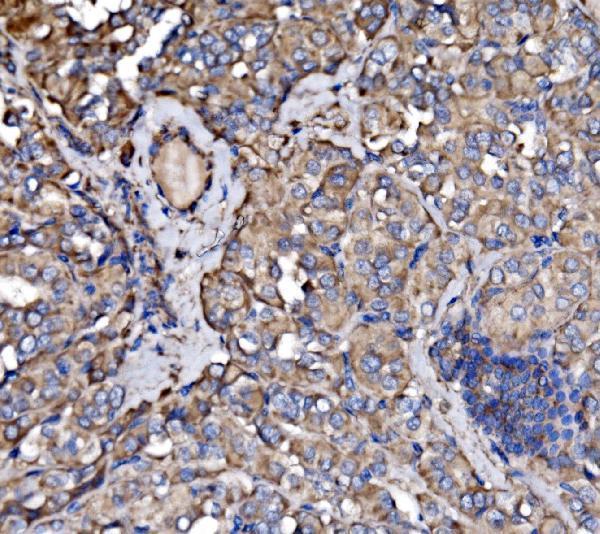
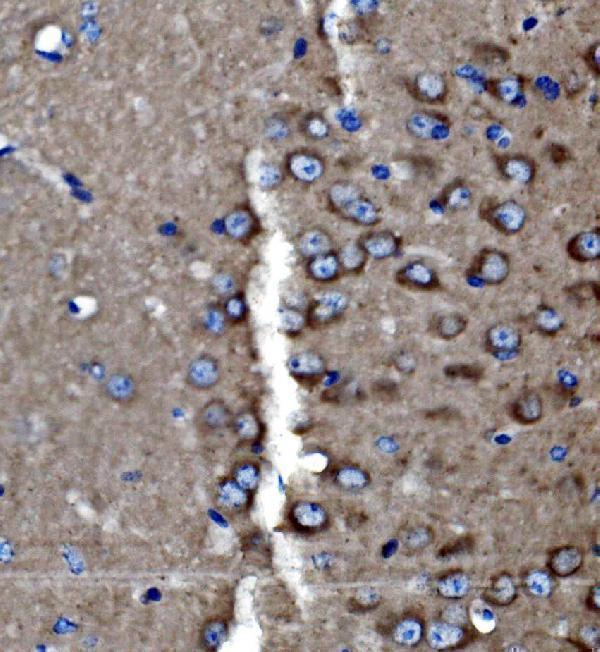
Open the PAK3 Western Blot GuideDesigning an IHC experiment for PAK3? The guide has the expected staining pattern, antigen retrieval and fixation, antibodies backed by real IHC images, the tissue controls to run alongside, and protocols taken from published papers.
Open the PAK3 IHC Guide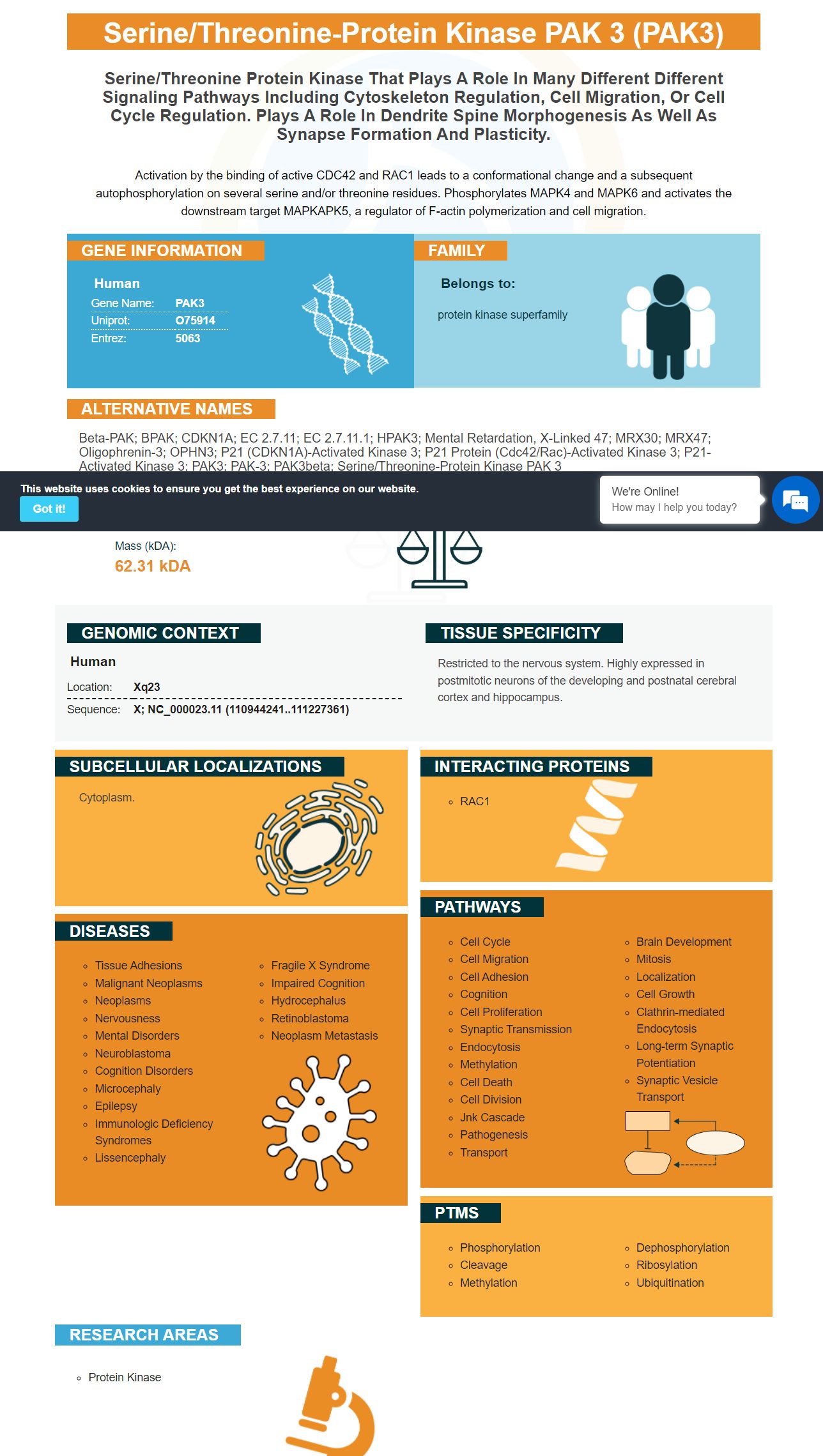
1 Citations


Facts about Serine/threonine-protein kinase PAK 3.
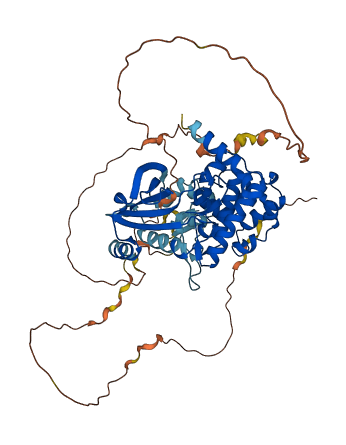
Activation by the binding of active CDC42 and RAC1 leads to a conformational change and a subsequent autophosphorylation on several serine and/or threonine residues. Phosphorylates MAPK4 and MAPK6 and activates the downstream target MAPKAPK5, a regulator of F-actin polymerization and cell migration.
| Human | |
|---|---|
| Gene Name: | PAK3 |
| Uniprot: | O75914 |
| Entrez: | 5063 |

| Belongs to: |
|---|
| protein kinase superfamily |

beta-PAK; bPAK; CDKN1A; EC 2.7.11; EC 2.7.11.1; hPAK3; mental retardation, X-linked 47; MRX30; MRX47; oligophrenin-3; OPHN3; p21 (CDKN1A)-activated kinase 3; p21 protein (Cdc42/Rac)-activated kinase 3; p21-activated kinase 3; PAK3; PAK-3; PAK3beta; serine/threonine-protein kinase PAK 3
Mass (kDA):
62.31 kDA

| Human | |
|---|---|
| Location: | Xq23 |
| Sequence: | X; NC_000023.11 (110944241..111227361) |
Restricted to the nervous system. Highly expressed in postmitotic neurons of the developing and postnatal cerebral cortex and hippocampus.
Cytoplasm.




PMID: 9731525 by Allen K.M., et al. PAK3 mutation in nonsyndromic X-linked mental retardation.
PMID: 12777533 by Kitano T., et al. Gene diversity patterns at 10 X-chromosomal loci in humans and chimpanzees.