This website uses cookies to ensure you get the best experience on our website.


- Table of Contents
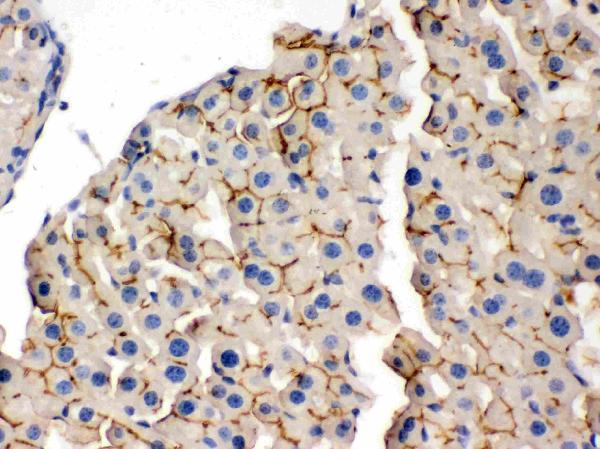
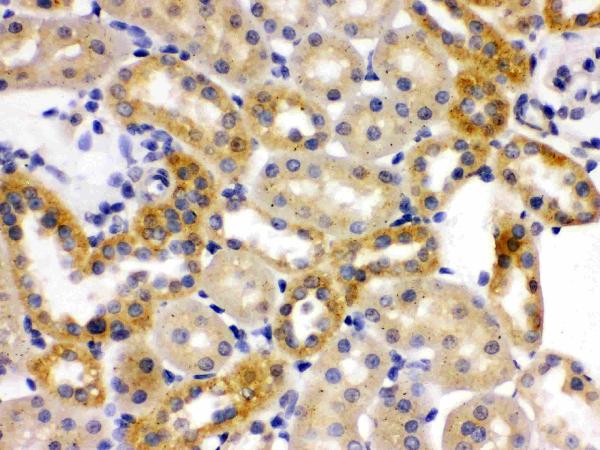
Designing an IHC experiment for OPA1? The guide has the expected staining pattern, antigen retrieval and fixation, antibodies backed by real IHC images, the tissue controls to run alongside, and protocols taken from published papers.
Open the OPA1 IHC Guide
7 Citations
1 Citations

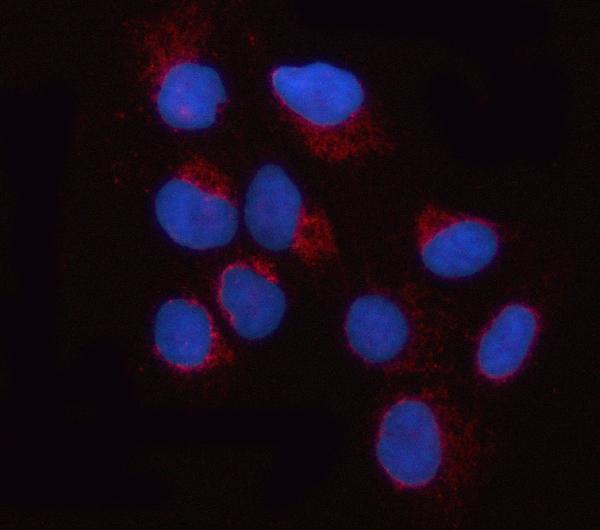

2 Citations

Facts about Dynamin-like 120 kDa protein, mitochondrial.

Binds lipid membranes enriched in negatively charged phospholipids, such as cardiolipin, and promotes membrane tubulation (PubMed:20185555). The intrinsic GTPase activity is reduced, and is strongly increased by interaction with lipid membranes (PubMed:20185555).
| Human | |
|---|---|
| Gene Name: | OPA1 |
| Uniprot: | O60313 |
| Entrez: | 4976 |

| Belongs to: |
|---|
| TRAFAC class dynamin-like GTPase superfamily |

BERHS; EC 3.6.5.5; FLJ12460; KIAA0567dynamin-like 120 kDa protein, mitochondrial; LargeG; lilr3; MGM1; mitochondrial dynamin-like GTPase; MTDPS14; NPG; NPGlargeG; NTG; NTGmitochondrial dynamin-like 120 kDa protein; OPA1; optic atrophy 1 (autosomal dominant); Optic atrophy protein 1
Mass (kDA):
111.631 kDA

| Human | |
|---|---|
| Location: | 3q29 |
| Sequence: | 3; NC_000003.12 (193593144..193697811) |
Highly expressed in retina. Also expressed in brain, testis, heart and skeletal muscle. Isoform 1 expressed in retina, skeletal muscle, heart, lung, ovary, colon, thyroid gland, leukocytes and fetal brain. Isoform 2 expressed in colon, liver, kidney, thyroid gland and leukocytes. Low levels of all isoforms expressed in a variety of tissues.
Mitochondrion inner membrane; Single-pass membrane protein. Mitochondrion intermembrane space. Mitochondrion membrane. Detected at contact sites between endoplamic reticulum and mitochondrion membranes.



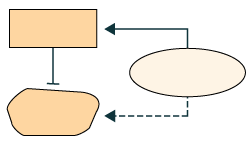


PMID: 20843780 by Wang W., et al. Identification of rare DNA variants in mitochondrial disorders with improved array-based sequencing.
PMID: 11810270 by Delettre C., et al. Mutation spectrum and splicing variants in the OPA1 gene.