This website uses cookies to ensure you get the best experience on our website.


- Table of Contents
and ELISA kits, proteins related to Chondrocytes.
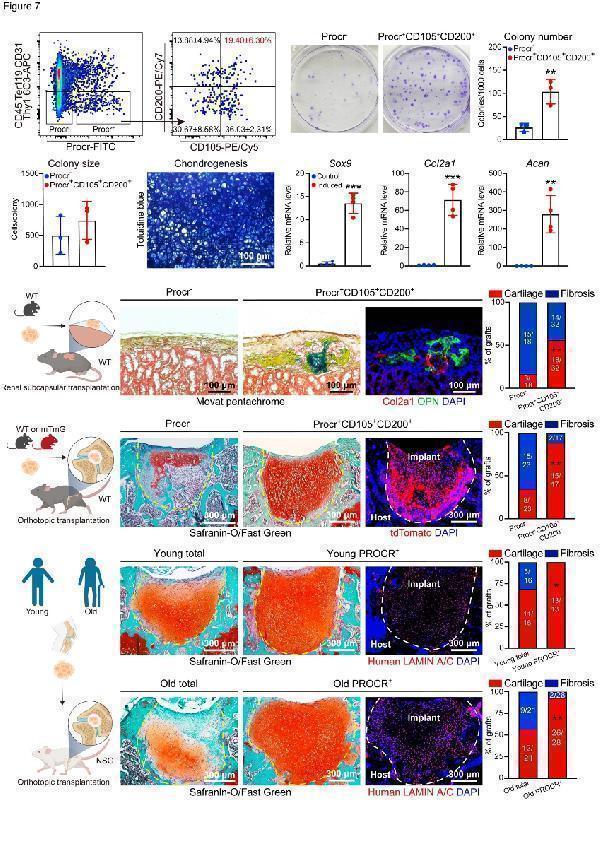
Chondrocytes are specialized cells responsible for the formation and maintenance of healthy cartilage, playing a crucial role in the skeletal system. These cells produce and regulate the extracellular matrix, which provides structural support and enables smooth joint movement. Understanding chondrocyte biology is essential for advancing research in areas such as osteoarthritis, cartilage regeneration, and tissue engineering. Antibodies targeting specific chondrocyte markers and signaling pathways have become invaluable tools in deciphering the complex mechanisms governing cartilage development and repair. By leveraging these antibodies, scientists can gain deeper insights into chondrocyte function, identify potential therapeutic targets, and develop innovative treatments for cartilage-related disorders. Our comprehensive range of research-focused antibodies for chondrocytes empowers researchers to explore groundbreaking solutions, driving progress in musculoskeletal health and regenerative medicine.
PA2141-1
A02802-1

A00200-3
| Protein Name | Gene Name | Function |
|---|---|---|
| Collagen Type II | COL2A1 | Main collagen in cartilage providing tensile strength |
| Aggrecan | ACAN | Major proteoglycan providing compressive resistance |
| SOX9 | SOX9 | Transcription factor essential for chondrogenesis |
| Cartilage Oligomeric Matrix Protein | COMP | Involved in extracellular matrix organization |
| Collagen Type X | COL10A1 | Marker of hypertrophic chondrocytes |
| Matrix Metalloproteinase-13 | MMP13 | Involved in extracellular matrix degradation |
| RUNX2 | RUNX2 | Transcription factor involved in chondrocyte hypertrophy |
| Indian Hedgehog | IHH | Regulates chondrocyte differentiation |
| Bone Morphogenetic Protein 2 | BMP2 | Involved in cartilage development |
| Proteoglycan 4 | PRG4 | Involved in joint lubrication |
| ADAMTS5 | ADAMTS5 | Aggrecanase involved in cartilage degradation |
| Fibroblast Growth Factor Receptor 3 | FGFR3 | Involved in chondrocyte proliferation and differentiation |
| Hypoxia-Inducible Factor 1-alpha | HIF1A | Responds to low oxygen levels in cartilage |
| Cartilage Intermediate Layer Protein | CILP | Involved in cartilage matrix regulation |
| NFAT1 | NFATC2 | Transcription factor involved in cartilage homeostasis |
| Gli1 | GLI1 | Transcription factor involved in chondrocyte proliferation |
| Kruppel-like Factor 4 | KLF4 | Transcription factor involved in chondrocyte maintenance |
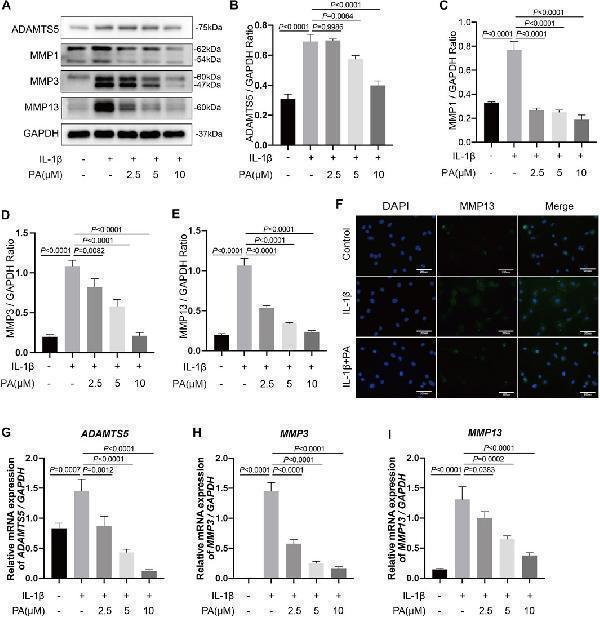
Extracellular matrix (ECM) remodeling is a critical sub-area in chondrocyte research, focusing on how chondrocytes synthesize, maintain, and degrade the components of the cartilage matrix. Chondrocytes produce key ECM molecules such as collagen type II and aggrecan, which provide structural integrity and resilience to cartilage. Understanding the balance between anabolic (building) and catabolic (degrading) processes is essential, especially in the context of diseases like osteoarthritis where ECM degradation leads to cartilage deterioration. Research in this area investigates the enzymes involved in ECM breakdown, regulatory pathways controlling ECM synthesis, and the impact of mechanical stress on matrix composition. Advancements in ECM remodeling studies contribute to the development of therapeutic strategies aimed at restoring or preserving cartilage function and delaying degenerative joint diseases.
Signal transduction pathways within chondrocytes are fundamental to their regulation, differentiation, and response to environmental stimuli. These pathways involve a series of molecular interactions that transmit signals from the cell surface to the nucleus, influencing gene expression and cellular behavior. Key pathways include the Wnt/β-catenin, Notch, and Transforming Growth Factor-beta (TGF-β) signaling cascades, each playing distinct roles in chondrocyte proliferation, maturation, and maintenance of cartilage homeostasis. Dysregulation of these signaling mechanisms can lead to impaired cartilage repair, abnormal chondrocyte function, and the progression of cartilage-related diseases. By elucidating the intricacies of these pathways, researchers aim to identify potential targets for therapeutic intervention, promoting healthy cartilage development and preventing degenerative changes associated with aging and disease.