Product Info Summary
| SKU: | MA1024 |
|---|---|
| Size: | 100 μg/vial |
| Reactive Species: | Human |
| Host: | Mouse |
| Application: | IHC, WB |
Customers Who Bought This Also Bought
Product info
Product Name
Anti-Cytokeratin Peptide 7 KRT7 Antibody (Monoclonal, LDS-68)
SKU/Catalog Number
MA1024
BM1618 is an alternative SKU for this antibody, used in previous lots.
Size
100 μg/vial
Form
Lyophilized
Description
Boster Bio Anti-Cytokeratin Peptide 7 KRT7 Antibody (Monoclonal, LDS-68) catalog # MA1024. Tested in IHC, WB applications. This antibody reacts with Human.
Storage & Handling
Store at -20˚C for one year from date of receipt. After reconstitution, at 4˚C for one month. It can also be aliquotted and stored frozen at -20˚C for six months. Avoid repeated freeze-thaw cycles.
Cite This Product
Anti-Cytokeratin Peptide 7 KRT7 Antibody (Monoclonal, LDS-68) (Boster Biological Technology, Pleasanton CA, USA, Catalog # MA1024)
Host
Mouse
Contents
Mouse IgG in stabilizing components, 1.2% sodium acetate and 0.01mg NaN3.
Clonality
Monoclonal
Clone Number
LDS-68
Isotype
Mouse IgG1
Immunogen
Cytoskeletal preparation of the RT4 human bladder carcinoma cell line.
Cross-reactivity
No cross-reactivity with other proteins
Reactive Species
MA1024 is reactive to KRT7 in Human
Observed Molecular Weight
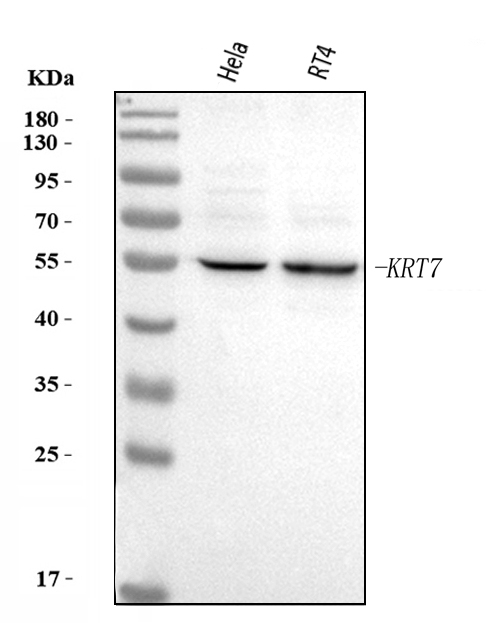
37 kDa
Calculated molecular weight
50.7 kDa
Background of KRT7
KRT7 is a type II keratin of simple nonkeratinizing epithelia. The deduced 489-amino acid protein has a calculated molecular mass of about 54 kD. K7 contains 4 central alpha-helical segments with heptad repeats of hydrophobic residues characteristic of a coiled-coil region. Within this domain, K7 shares 73% homology with epidermal K6B. KRT7 gene contains 9 exons and spans more than 15.6 kb. K7 gene is mapped to chromosome 12. Keratin 7 is expressed in a wide range of epithelial structures in humans.
Antibody Validation
Boster validates all antibodies on WB, IHC, ICC, Immunofluorescence, and ELISA with known positive control and negative samples to ensure specificity and high affinity, including thorough antibody incubations.
Application & Images
Applications
MA1024 is guaranteed for IHC, WB Boster Guarantee
Assay Dilutions Recommendation
The recommendations below provide a starting point for assay optimization. The actual working concentration varies and should be decided by the user.
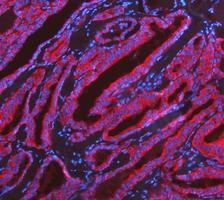
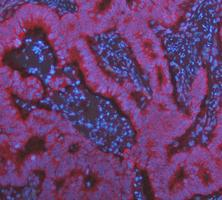
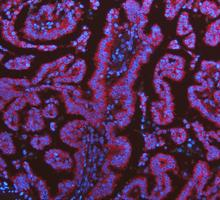
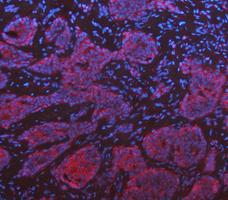
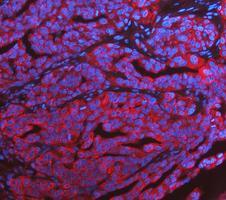
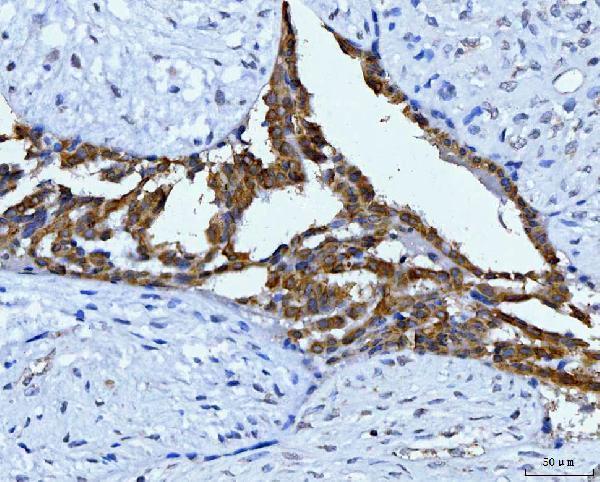
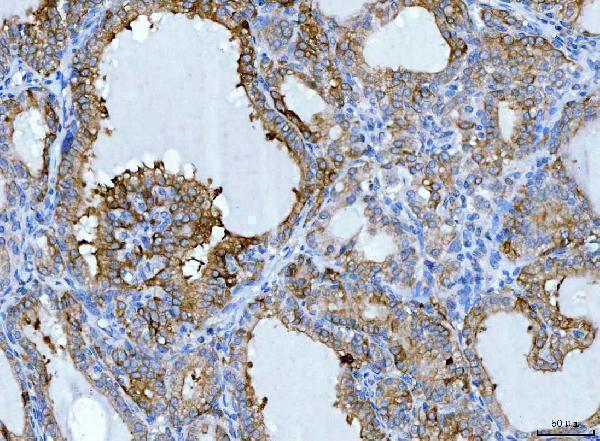
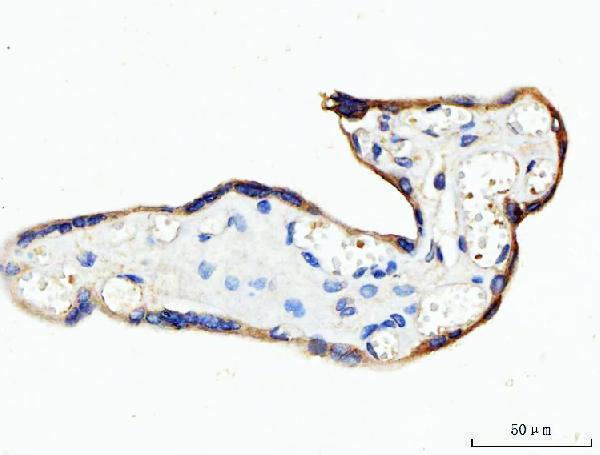
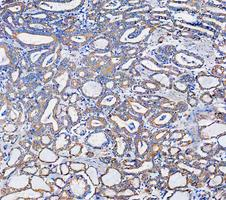
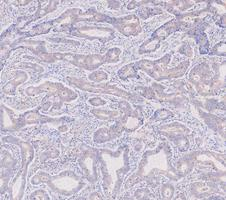
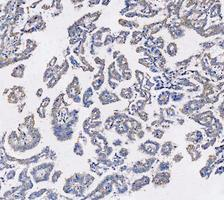
Immunohistochemistry (Paraffin-embedded Section), 2-4μg/ml, Human
Immunohistochemistry (Frozen Section), 2-4μg/ml, Human, -
Western blot, 1-2μg/ml, Human
Validation Images & Assay Conditions
Click image to see more details
Boster Kit Box
Specific Publications For Anti-Cytokeratin Peptide 7 KRT7 Antibody (Monoclonal, LDS-68) (MA1024)
Loading publications
Recommended Resources
Here are featured tools and databases that you might find useful.
- Boster's Pathways Library
- Protein Databases
- Bioscience Research Protocol Resources
- Data Processing & Analysis Software
- Photo Editing Software
- Scientific Literature Resources
- Research Paper Management Tools
- Molecular Biology Software
- Primer Design Tools
- Bioinformatics Tools
- Phylogenetic Tree Analysis
Customer Reviews
Have you used Anti-Cytokeratin Peptide 7 KRT7 Antibody (Monoclonal, LDS-68)?
Share your experimental results or join a short interview to earn up to $1,000 in product credits or other rewards.
0 Reviews For Anti-Cytokeratin Peptide 7 KRT7 Antibody (Monoclonal, LDS-68)
Customer Q&As
Have a question?
Find answers in Q&As, reviews.
Can't find your answer?
Submit your question
1 Customer Q&As for Anti-Cytokeratin Peptide 7 KRT7 Antibody (Monoclonal, LDS-68)
Question
We are currently using anti-Cytokeratin Peptide 7 antibody (Monoclonal, LDS-68) MA1024 for human tissue, and we are satisfied with the WB results. The species of reactivity given in the datasheet says human. Is it possible that the antibody can work on horse tissues as well?
Verified Customer
Verified customer
Asked: 2018-05-16
Answer
The anti-Cytokeratin Peptide 7 antibody (Monoclonal, LDS-68) (MA1024) has not been tested for cross reactivity specifically with horse tissues, but there is a good chance of cross reactivity. We have an innovator award program that if you test this antibody and show it works in horse you can get your next antibody for free. Please contact me if I can help you with anything.
Boster Scientific Support
Answered: 2018-05-16