This website uses cookies to ensure you get the best experience on our website.


- Table of Contents
and ELISA kits, proteins related to Hepatocytes.
Hepatocytes are the primary functional cells of the liver, playing a crucial role in maintaining metabolic homeostasis. These highly specialized cells are responsible for a wide array of vital processes, including detoxification, protein synthesis, and the regulation of glucose and lipid metabolism. Hepatocytes also produce bile, essential for digestion and the absorption of fats. Due to their pivotal functions, hepatocytes are extensively studied in biomedical research to understand liver diseases, regeneration, and systemic metabolic disorders. Advanced antibody technologies targeting hepatocytes enable precise investigation of cellular mechanisms, facilitating the development of therapeutic strategies and diagnostic tools. Our collection of hepatocyte-related antibodies is designed to support cutting-edge research, empowering scientists to explore the complexities of liver biology and advance medical innovations.

Anti-Transferrin/TF Antibody Picoband®,Figure 2. IHC analysis of Transferrin using anti-Transferrin antibody (PB9827).
Heat mediated antigen retrieval was performed in EDTA buffer (pH 8.0, epitope retrieval solution)...

Anti-Cytochrome P450 3A4/CYP3A4 Antibody Picoband®,Figure 2. IHC analysis of CYP3A4 using anti-CYP3A4 antibody (PB10055).
CYP3A4 was detected in a paraffin-embedded section of human liver cancer tissue. ...
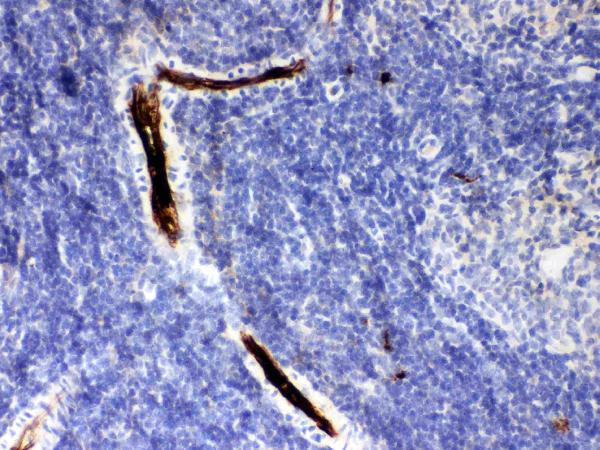
Anti-alpha 1 Antitrypsin/SERPINA1 Antibody Picoband®, Figure 2. IHC analysis of SERPINA1 using anti-SERPINA1 antibody (PB9354).
SERPINA1 was detected in a paraffin-embedded section of rat spleen tissue. ....
| Protein Name | Gene Name | Function |
|---|---|---|
| Albumin | ALB | Main protein in blood plasma, maintaining oncotic pressure and transporting substances. |
| Alpha-1 Antitrypsin | SERPINA1 | Protease inhibitor protecting tissues from enzymes of inflammatory cells. |
| Cytochrome P450 3A4 | CYP3A4 | Involved in drug metabolism and synthesis of cholesterol, steroids, and other lipids. |
| Glucose-6-Phosphatase | G6PC | Enzyme catalyzing the final step of gluconeogenesis and glycogenolysis, crucial for glucose homeostasis. |
| Transferrin | TF | Iron-binding blood plasma glycoprotein transporting iron through the blood. |
| Hepcidin | HAMP | Regulates iron homeostasis by inhibiting iron transport through membranes of enterocytes and macrophages. |
| Fibrinogen | FGA | Clot formation by being converted into fibrin during blood clotting. |
| Apolipoprotein B | APOB | Essential component of low-density lipoproteins (LDL), involved in lipid transport and metabolism. |
| Alpha-Fetoprotein | AFP | Used as a tumor marker and involved in fetal development. |
| Glycogen Phosphorylase | PYGL | Enzyme responsible for glycogen breakdown to release glucose-1-phosphate. |
| Ornithine Transcarbamylase | OTC | Key enzyme in the urea cycle, facilitating the conversion of ornithine and carbamoyl phosphate to citrulline. |
| Lactate Dehydrogenase A | LDHA | Catalyzes the conversion of lactate to pyruvate in anaerobic metabolism. |
| C-Reactive Protein | CRP | Acute-phase protein involved in the inflammatory response. |
| Glutamate Dehydrogenase 1 | GLUD1 | Catalyzes the reversible oxidative deamination of glutamate to α-ketoglutarate, linking amino acid metabolism with the citric acid cycle. |
| Carbonic Anhydrase VI | CA6 | Catalyzes the reversible hydration of carbon dioxide, involved in pH regulation and CO₂ transport. |
| Succinyl-CoA Synthetase | SUCLG1 | Enzyme in the Krebs cycle facilitating the conversion of succinyl-CoA to succinate. |
| Thiopurine S-Methyltransferase | TPMT | Involved in the metabolism of thiopurine drugs, affecting their efficacy and toxicity. |
| Phosphoenolpyruvate Carboxykinase | PCK1 | Key enzyme in gluconeogenesis, converting oxaloacetate to phosphoenolpyruvate. |
| S-Adenosylmethionine Synthetase | MAT1A | Catalyzes the formation of S-adenosylmethionine, a critical methyl donor in various biochemical reactions. |
| Alanine Transaminase | GPT | Enzyme involved in amino acid metabolism, often used as a marker for liver health. |
Hepatocytes play a central role in the liver's metabolic and detoxification processes, making hepatic metabolism and detoxification a pivotal sub-research area. These specialized liver cells are responsible for synthesizing essential proteins, such as albumin and clotting factors, and are deeply involved in lipid and carbohydrate metabolism. One of their most critical functions is the detoxification of endogenous and exogenous compounds. Hepatocytes contain a rich array of enzymes, including the cytochrome P450 family, which metabolize drugs, toxins, and metabolic byproducts into less harmful substances that can be excreted from the body. Additionally, hepatocytes manage the regulation of blood glucose levels through gluconeogenesis and glycogenolysis, ensuring energy homeostasis. Understanding the mechanisms underlying hepatic metabolism and detoxification not only provides insights into liver physiology but also informs the development of therapeutic strategies for managing liver diseases, drug interactions, and metabolic disorders. Research in this area continues to uncover the complexities of liver function, highlighting the hepatocyte's indispensable role in maintaining overall health.
The remarkable regenerative capacity of hepatocytes makes hepatocyte regeneration and liver repair a critical area of study within liver biology. Unlike many other cell types, hepatocytes can proliferate in response to liver injury, enabling the liver to recover from various insults such as viral hepatitis, alcohol-induced damage, and surgical resection. This regenerative process involves a tightly regulated interplay of signaling pathways, growth factors, and cellular mechanisms that orchestrate cell cycle progression, tissue remodeling, and restoration of liver architecture. Key factors include the Wnt/β-catenin signaling pathway, which is instrumental in promoting hepatocyte proliferation, and the Hippo pathway, which regulates organ size and tissue regeneration. Additionally, understanding the role of hepatic stem cells and their contribution to liver regeneration offers potential therapeutic avenues for enhancing repair mechanisms in chronic liver diseases and acute liver failure. Advances in this sub-research area not only shed light on fundamental biological processes but also pave the way for novel regenerative medicine approaches aimed at treating liver disorders and improving patient outcomes.